
REVIEW · CHINA
Beijing: Hutong Culinary Walking Tour with 15+ Tastings
Beijing’s Hutongs are best understood at street level, one small dish at a time. This private walking tour takes you through quiet old lanes, then into local food shops and restaurants for 15 or more tastings, from sesame cakes and soup dumplings to hot pot, lamb skewers, and Beijing yogurt. I like the way the food comes with context, especially stories about daily life, eating manners, and the neighborhoods you are walking through.
I also like the flexible approach. Guides such as Jimmy, Lucy, Anson, Miko, Mike, Andy, and Allen have adjusted stops for vegetarians, cautious eaters, children, and people eager to try organs or unusual snacks. The main drawback is that the food route changes each day, so you cannot count on a fixed menu or a particular restaurant. Come very hungry, and expect a full meal rather than a few polite samples.
Key Points at a Glance
- 15-plus tastings across several local stops: Expect dumplings, pancakes, noodles, hot pot, pastries, skewers, drinks, and more.
- A private English-language experience: Your guide can change the route around your tastes, dietary needs, and comfort level.
- Dongsi Hutong setting: The walk adds neighborhood history and local life to what could otherwise be a simple food crawl.
- Adventure bites are optional: You may be offered donkey burger, fried liver, intestine soup, century egg, or bamboo worm at extra cost.
- Three to four hours of eating and walking: The pace is designed for repeated stops, not a rushed checklist.
- Good first-night choice: The tour helps you learn what Beijing food looks like before ordering on your own.
Why This Hutong Food Walk Works So Well
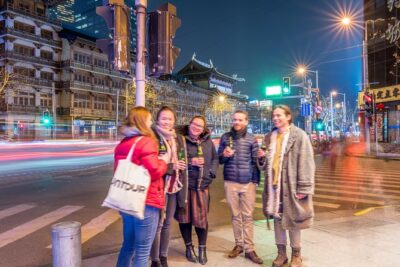
The clever idea here is simple: food gives you a reason to enter parts of Beijing you might otherwise pass without notice. You meet at Dongsi Subway Station Exit B, then walk into the Hutong lanes with your guide. These narrow streets provide the setting, but the food is the main event.
The route is not a formal sightseeing tour with long stops at monuments. Instead, your guide explains the neighborhood as you move between eateries. You might hear about how old Hutong communities worked, how street vendors became shop owners, or how food habits differ across China. That background makes each snack easier to understand.
This is also a useful introduction to Beijing because the menu reaches beyond the city’s best-known dishes. You will not simply eat one large plate of roast duck and call it local food. You may sample fried dough, rice cakes, spicy broth, noodles from Yunnan, pastries, hot pot ingredients, and grilled lamb. The result is a broad taste of everyday eating.
The strongest part of the experience is the guide. The names that appear in the tour’s recent hosting include Jimmy, Lucy, Anson, Miko, Mike, Andy, Allen, May, Jay, and Allan. You cannot choose a particular guide from the information provided, but the repeated pattern is clear: the guide’s explanations and ability to adjust the meal matter as much as the food itself.
More food walks around the world:
- Reykjavik Food Walk – Local Foodie Adventure in Iceland
★ 5.0 · 18,952 reviews - New Orleans Food Walking Tour of the French Quarter with Small-Group Option
★ 5.0 · 6,118 reviews - Naples: Street Food Walking Tour with Local Guide
★ 4.9 · 4,976 reviews
Starting at Dongsi Subway Station Exit B
The meeting point is Dongsi Subway Station Exit B. This is practical for independent visitors because you can reach it by subway or taxi. If you take a taxi, the suggested Chinese phrase is 请带我去东四地铁B出口附近, meaning take me near Dongsi Subway Station Exit B.
Your guide will hold a sign with your name. That matters in Beijing, where a busy station exit can feel confusing during your first few hours in the city. If you choose the hotel pickup option, the guide waits in your hotel lobby with a sign and private transfer arrangements are included.
The tour lasts about three to four hours, with roughly three hours devoted to eating and walking. Starting times vary, so you need to check the available schedule when booking. An evening departure can work well with the Hutong atmosphere, but the food stops, opening hours, and exact route vary from day to day.
Wear comfortable shoes. The tour is not a strenuous hike, but you will be walking between stops and standing in small food shops. Most important, leave space in your stomach. Fifteen-plus tastings can add up quickly.
Sesame Cakes, Dough Twists, and the First Snacks
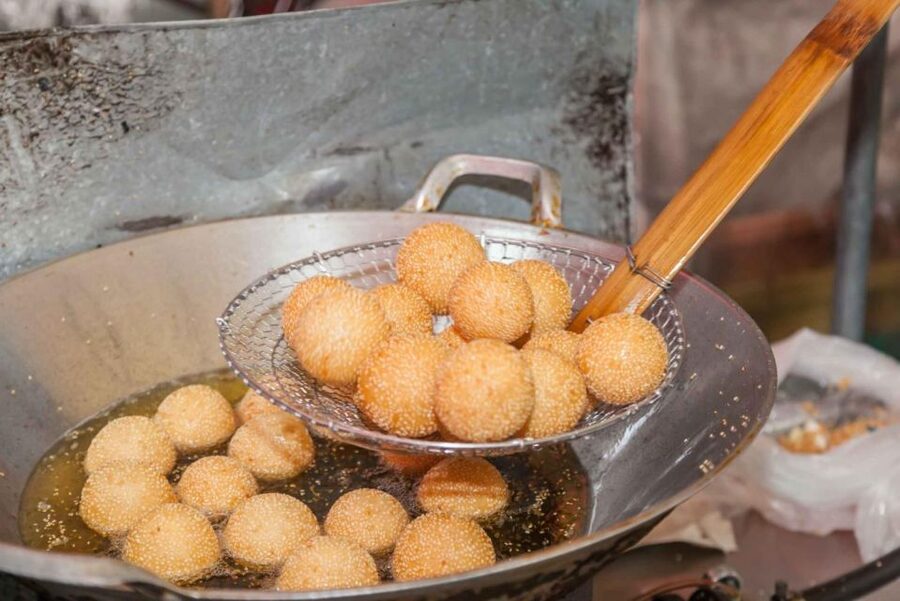
The early stops may introduce you to small Beijing snacks such as sesame cakes and ma hua, a fried dough twist. Sesame cakes can be sweet, often with honey, while ma hua is crisp, fried, and easy to share.
These foods are useful introductions because they show how Chinese snacks can move between breakfast, street food, and dessert. You are not expected to sit down for a full serving at every location. Portions may be spread across the group, allowing you to sample more items without filling up too soon.
The exact order is not fixed. Your guide may change the opening stops based on what you have already eaten in Beijing, your appetite, or what is available that day. This flexibility is helpful, though it also means you should treat the menu as a guide rather than a promise.
Dumplings, Pancakes, and Handmade Comfort Food
Soup dumplings are one of the likely highlights. Handle them carefully, since the broth inside can be hot. A good guide will explain how to eat them without losing the filling or burning your mouth.
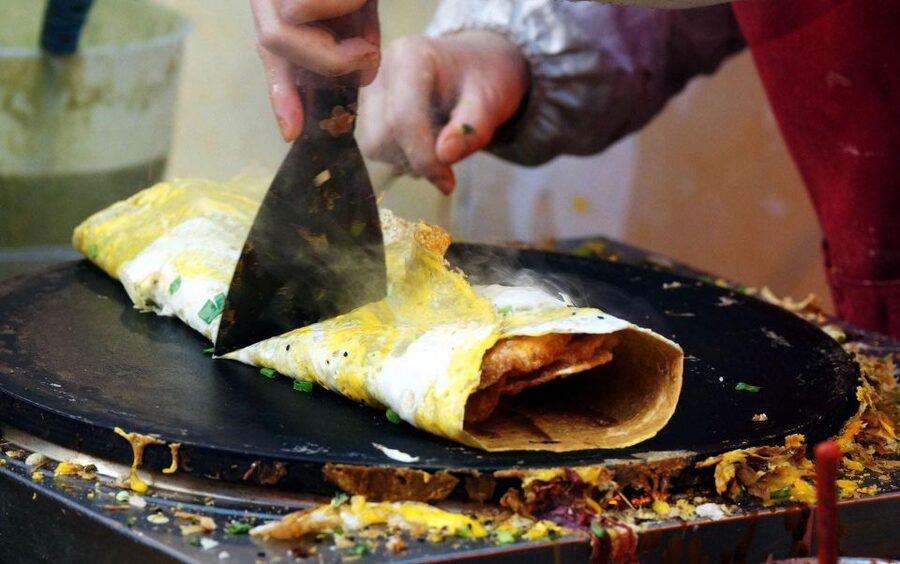
Jianbing, a fried savory pancake, adds a different texture. It is cooked on a hot surface and folded with fillings, making it a familiar form of quick Chinese food. One of the food stops may also feature a crispy fried ring, a simple household snack that gives you a taste of everyday cooking rather than restaurant showmanship.
Several food stops can be close together, which keeps the walking manageable. That does mean you may spend more time eating than sightseeing. If your main goal is a long architectural walk through the Hutongs, this tour may feel food-heavy. If you want the neighborhood as a backdrop for local eating, the balance works well.
A few more food tours around the world worth comparing
- Little Havana Food and Walking Tour in Miami
★ 5.0 · 8,882 reviews - Greek Food Walking Tour in Athens
★ 5.0 · 4,740 reviews - Barcelona: Tapas Walking Tour with Food, Wine, and History
★ 4.8 · 4,261 reviews - Lisbon: Food and Wine Small Group Walking Tour
★ 4.9 · 4,082 reviews
Rice Noodles, Yogurt, and Sweet Rice Cakes
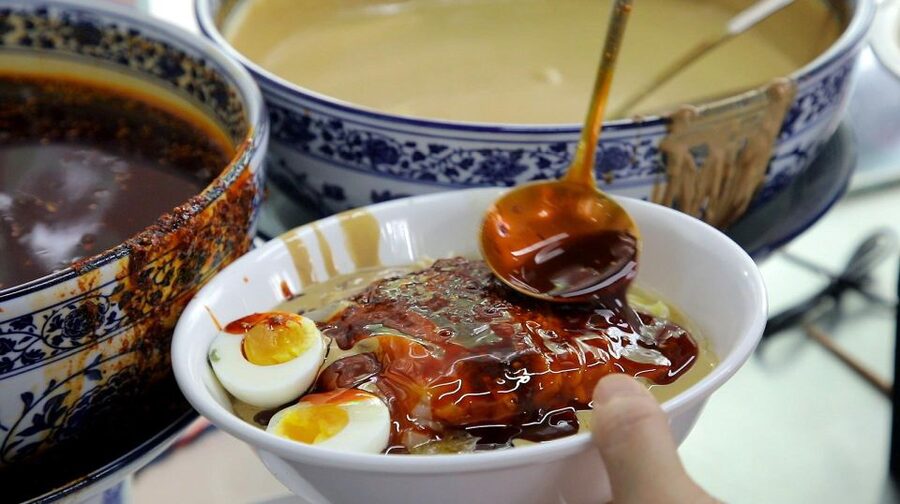
The tour can include cross-bridge rice noodles, a dish from Yunnan Province. Its presence is a useful reminder that Beijing’s food scene includes specialties from across China, not just northern dishes.
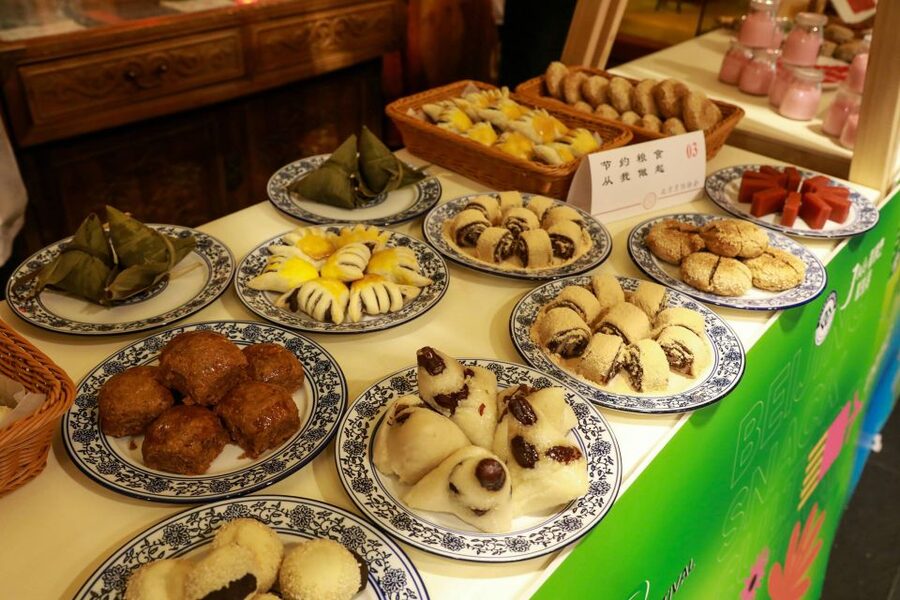
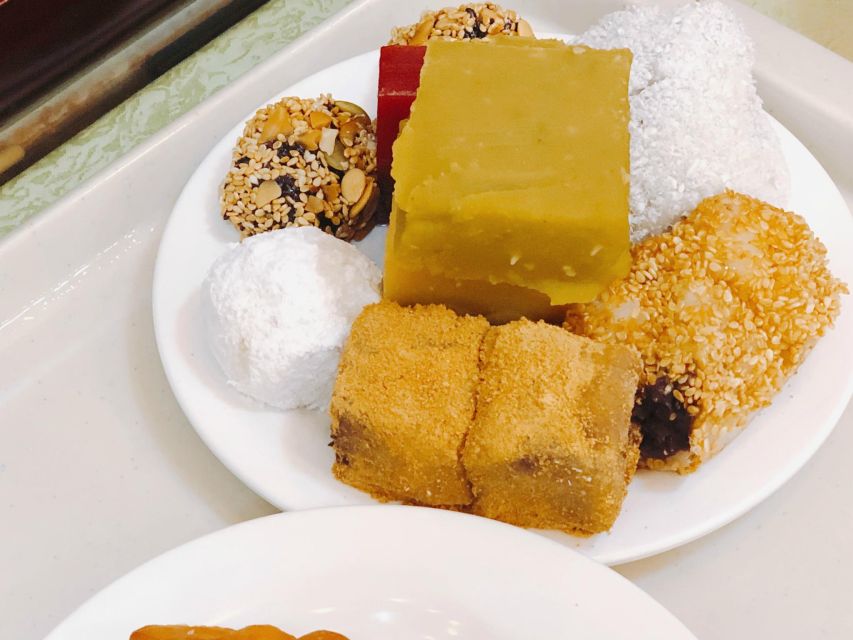
Beijing jar yogurt provides a cooler and milder contrast to fried snacks and spicy food. Steamed rice cakes with sweet fillings, along with other local pastries, round out the dessert side of the route. These sweeter stops are especially welcome after hot soup or chili-heavy dishes.
You may also encounter long fried dumplings or other pastries. The exact choices depend on the day, but the overall design is varied: crisp foods, soft dumplings, broth, noodles, sweets, and grilled meat. That variety helps prevent the meal from becoming a long series of similar bites.
Malatang and the Fun of Choosing Ingredients
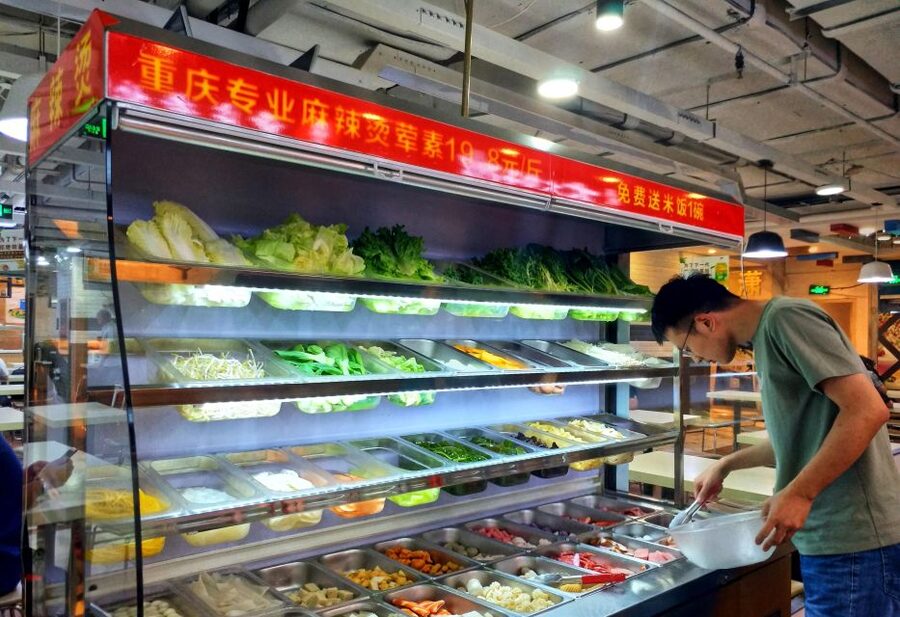
Malatang is related to hot pot, but it is served in a spicy broth with a mix of vegetables, meat, seafood, noodles, tofu, and other ingredients. This can be one of the more educational stops because you may see unfamiliar ingredients before they reach the bowl.
Your guide can help explain what you are choosing and adjust the order to your comfort level. One family with a vegetarian child received suitable dishes, and another group enjoyed trying vegetables and tofu they had not seen before. That is the practical value of a private tour: you can ask questions without slowing down a large group.
Malatang can be spicy, and the tour description does not promise a mild version. If you do not handle heat well, tell your guide early. The same applies to allergies, vegetarian needs, and foods you cannot eat for religious or medical reasons.
Lamb Skewers, Nang Bread, and Baijiu
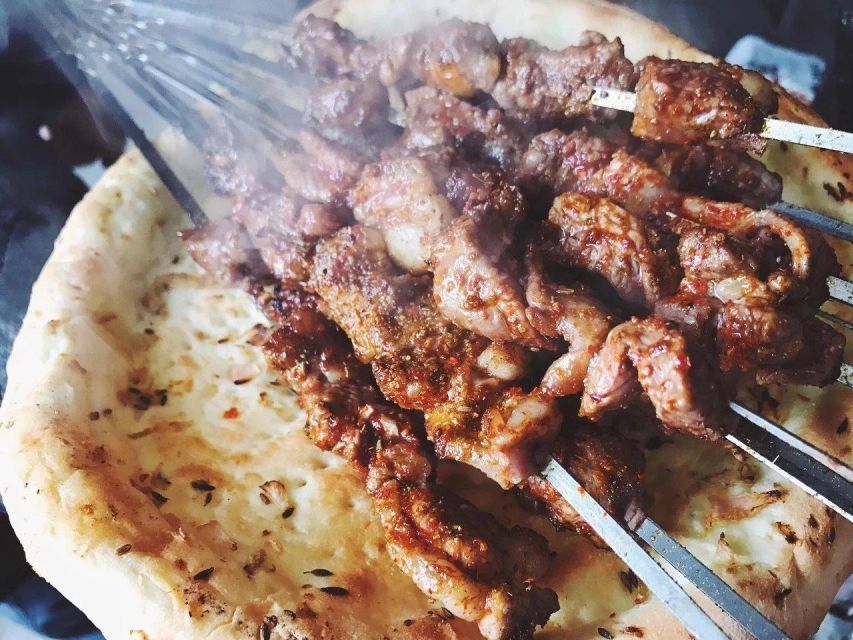
Xinjiang lamb skewers bring a smoky, savory finish to the meal. They may be served with Nang bread and vegetable kabobs, giving you a taste of the food traditions associated with China’s Xinjiang region.
Baijiu may also be included. This clear Chinese liquor is strong, commonly ranging from 35 to 60 percent alcohol by volume. You do not need to treat it like a casual soft drink. Take a small taste, and tell your guide if you prefer not to drink alcohol.
Bottled water and local soft drinks are included. That is useful after spicy dishes and fried snacks, though you should still pace yourself. A food tour this full is more enjoyable when you sample carefully instead of trying to finish every portion.
Optional Foods for Adventurous Eaters
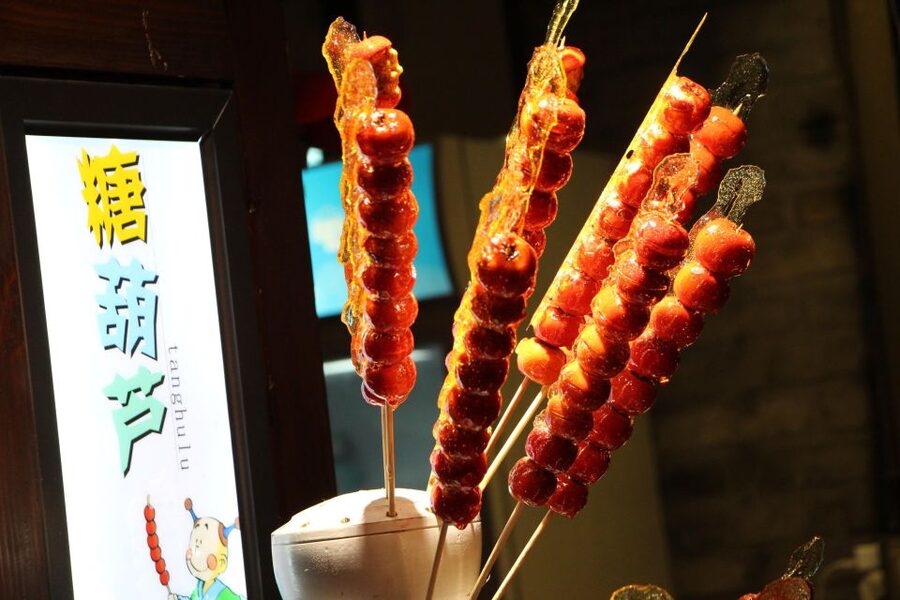
If you want a challenge, tell your guide. Possible extras include donkey burger, fried liver, intestine soup, century egg, and bamboo worm. These options are listed as surprises and may cost extra, so ask before ordering.
You do not need to try anything that makes you uncomfortable. The tour can also suit cautious eaters because the guide can substitute or avoid foods. One person chose a replacement instead of intestines, while others enjoyed liver and intestine dishes. That range is important: you can have an adventurous meal without being pushed into a dare.
The century egg is not a thousand-year-old egg despite the nickname sometimes used for it. It is a preserved egg with a dark appearance and a strong flavor. If it appears on your route, your guide can explain what it is before you decide.
What the Guides Add to the Meal
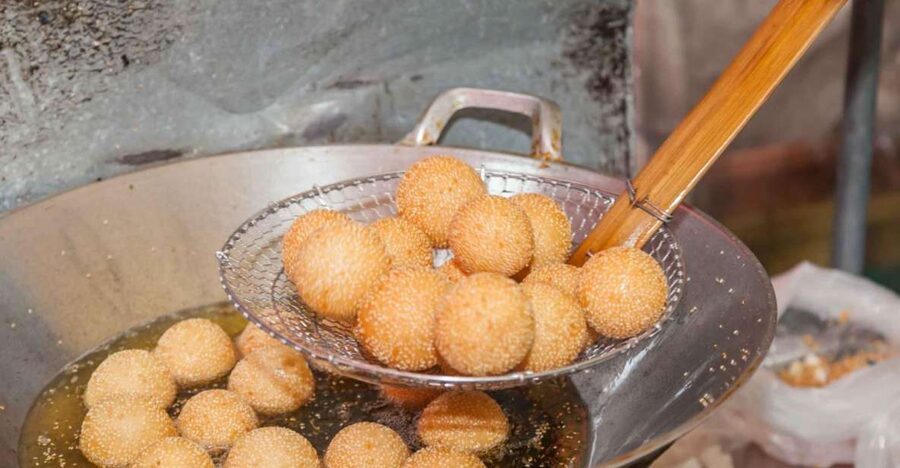
The food is only half the reason to book. The guide explains where dishes come from, how people eat them, and how Beijing fits into China’s wider food culture.
Several guides have been praised for clear English and easy conversation. Jimmy has handled families and vegetarian requests well. Lucy has combined food explanations with lessons in history and language. Anson has answered detailed questions about regional cooking and Chinese history. Miko has explained local habits while moving from restaurant to restaurant. Mike, Andy, Allen, May, Jay, and Allan have also led routes described as friendly, flexible, and informative.
You should still expect different personalities and styles. A private group gives you room to ask questions, but it does not guarantee that every guide will run the tour in exactly the same way. The route and guide assignment are part of the daily variation.
I especially like booking this sort of tour near the start of a Beijing stay. After three hours, you will have a better sense of menus, snack styles, spice levels, and the difference between a dish you want to order again and one you only needed to try once.
Price, Timing, and Overall Value
The price is $76 per person. That is not the cheapest way to eat in Beijing, where individual snacks can cost very little. You are paying for the guide, translation, route planning, cultural explanation, private format, and more than 15 tastings across several stops.
The value is strongest if you are new to Beijing, unsure how to order, or eager to try food that you would not identify on your own. It is also useful for couples, families, and small private groups who want the route adjusted around their preferences.
The value is weaker if you are already comfortable eating independently in Beijing and prefer to choose every restaurant yourself. You may also find the price less appealing if you expect large portions of premium food. This is a tasting tour, although the total amount is large enough that you should treat it as a full meal.
Hotel pickup and drop-off with private transfer are optional, not part of the basic meeting arrangement. Bottled water and local soft drinks are included. Alcohol and some unusual adventure foods may involve extra cost, so clarify that with your guide.
Free cancellation is available up to 24 hours before the tour for a full refund. You can also reserve now and pay later, which helps if your Beijing schedule is still shifting.
Who Should Book This Beijing Food Tour?
I would recommend it to first-time visitors who want a friendly introduction to Chinese food without guessing at every menu. It suits curious eaters, but it also works for people who prefer familiar dishes because the guide can adjust the stops.
Families should mention children’s needs when booking. The private format makes it easier to include vegetarian food or avoid ingredients that do not work for your group.
This is also a good choice for a first evening or second day in Beijing. You will learn enough about snacks and local habits to make later meals less intimidating. The tour can be especially helpful if you have only a short stay and want a lot of food variety in one outing.
I would hesitate only if you dislike walking between stops, have a very restricted diet that has not been discussed in advance, or want a fixed list of famous restaurants. The changing route is part of the appeal, but it also limits certainty.
Should You Book It?
Book this Hutong food tour if you want a full, social meal with local guidance, not just a quick tasting. The strongest reasons are the private format, the wide range of dishes, and the guide’s ability to explain both the food and the neighborhood.
Arrive hungry, wear good walking shoes, and tell the guide early about allergies, vegetarian needs, spice limits, or adventurous ambitions. At $76, it costs more than eating snacks alone, but it offers a useful shortcut into Beijing’s everyday food culture. For a first visit, that shortcut is likely worth paying for.
FAQ
Where does the tour meet?
The meeting point is Dongsi Subway Station Exit B in Beijing.
How can I reach the meeting point?
You can take the subway to Dongsi Subway Station Exit B or use a taxi. The suggested Chinese phrase is 请带我去东四地铁B出口附近.
How long does the tour last?
The experience lasts about three to four hours, with around three hours of walking and food stops.
How many food tastings are included?
More than 15 food tastings are included.
What foods might be served?
Possible foods include sesame cakes, ma hua fried dough twists, soup dumplings, Beijing jar yogurt, cross-bridge rice noodles, jianbing, crispy fried rings, steamed rice cakes, malatang, lamb skewers, Nang bread, vegetable kabobs, and other Beijing snacks.
Can I request different foods?
Yes. The guide adjusts stops around your preferences, including classic dishes, bold choices, vegetarian needs, and foods you would rather avoid.
Are unusual foods available?
Adventure options may include donkey burger, fried liver, intestine soup, century egg, and bamboo worm. These are optional, and bamboo worm is listed as an extra-cost item.
Is a guide included?
Yes. The tour includes a live English-speaking guide, and the group is private.
Is hotel pickup available?
Yes. Hotel pickup and drop-off with private transfer are available if you select that option. The guide waits in the hotel lobby with a sign bearing your name.
Can I cancel the booking?
You can cancel up to 24 hours in advance for a full refund. Reserve now and pay later is also available.
Just added around the world
- Milan: Street Food Walking Tour★ 4.7 · 180 reviews
- Milan’s Full-Meal Gourmet Food Tour – More Than Tastings★ 4.8 · 81 reviews
- Kolkata Midtown Madness- A Street Food & Nightlife Tour★ 4.9 · 49 reviews
- Milan: Delicious Food Tour and City Center Sightseeing★ 4.8 · 111 reviews
- Mexico City: Authentic Downtown Food Tour★ 4.9 · 260 reviews
- Miami: Intimate Sailing in Biscayne Bay w/ Food and Drinks★ 4.7 · 34 reviews
- Mexico City: Vegan and Vegetarian Street Food Adventure★ 4.8 · 65 reviews
- Mexico City: Mystic Markets La Merced & Sonora Culinary Tour★ 4.9 · 301 reviews
Food Tours in China, compared.

Authentic Local Food Tour in Central Shanghai
Read our review →
Beijing Hutong Walking Food and Beer Tour at Hidden Restaurants
Read our review →
Eat Like a Local Through Shanghai’s French Concession
Read our review →
Beijing: Hidden Gems Guided Food Tour with Beer and Tastings
Read our review →
Chengdu: Hidden Dishes and Beers UNESCO Food Evening Tour
Read our review →Browse the lists this tour appears in