
REVIEW · INDIA
Agra: Street Food Walking Tour, Spice Market, & Tuk-tuk Ride
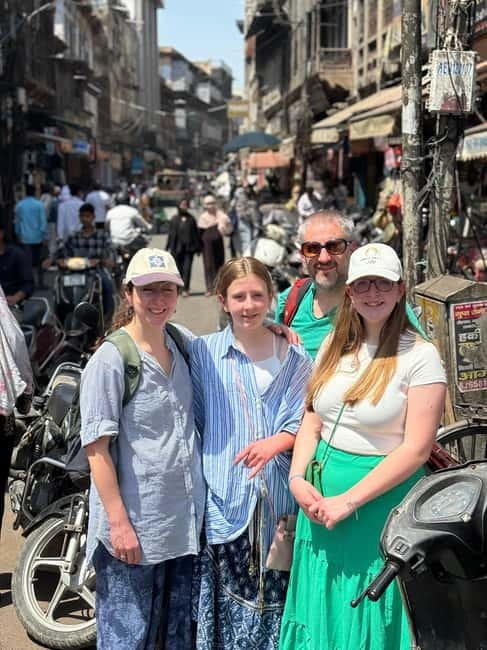
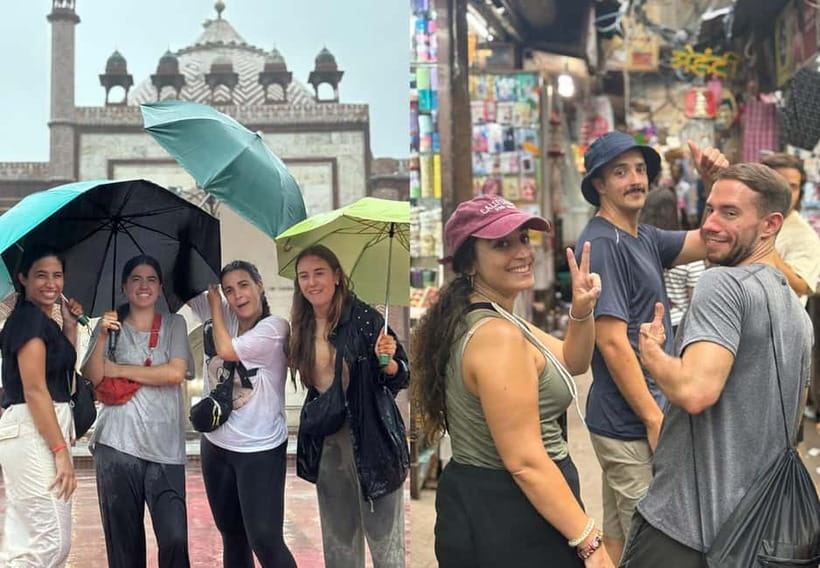
Old Agra reveals itself in the lanes around Kinari Bazaar, where jewelry, textiles, spices, temples, mosques, and snack stalls crowd into a lively, noisy maze. This is the part of Agra you are unlikely to understand from a Taj Mahal visit alone. A tuk-tuk carries you between areas, while a guide such as Farman or Amir helps you make sense of the traffic, customs, food, and history.
I like two things right away: the $14 price makes this an unusually affordable introduction to the old city, and the food is served at local stalls rather than polished tourist restaurants. The stop at Mankameshwar Temple, said in the tour description to be 5,000 years old, adds a strong cultural contrast to Jama Masjid and the markets.
The main caution is that this is not a sit-down dinner or a gentle sightseeing ride. The walking section lasts about 90 minutes, streets can be crowded, and some versions include a handicraft shop where you may face a sales pitch. Wear proper clothes for religious sites and bring an open mind about street food.
Key points to know before you book
- Old Agra beyond the Taj Mahal: Walk through Kinari Bazaar, Seth Gali, and Rawatpara, areas many visitors would struggle to navigate alone.
- Two major religious sites: Visit Jama Masjid and Mankameshwar Temple, with explanations of architecture, worship, and local customs.
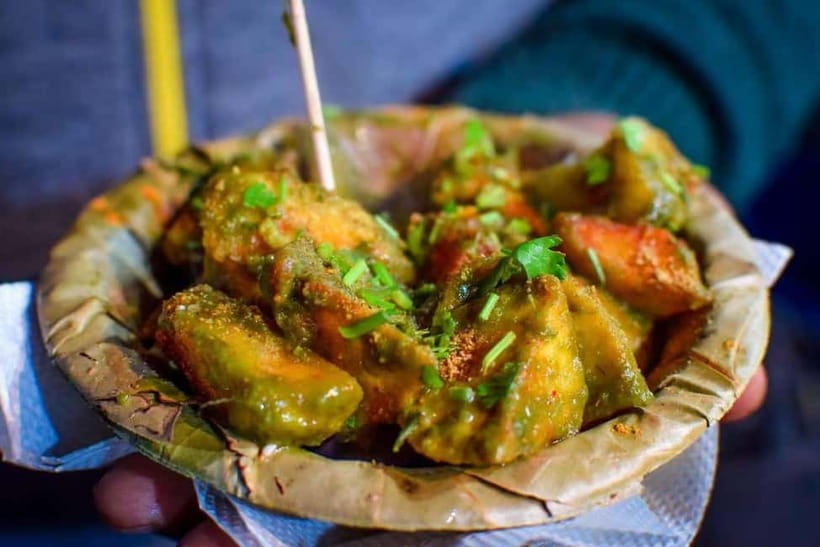
- Several local tastes: Depending on the food option and the day, try samosa, dosa, chole bhature, aloo tikki, pani tikki, sweets, and clay-cup masala tea.
- Tuk-tuk transport included: Pickup and return are offered from a hotel, railway station, or another agreed location in Agra.
- Strong guide element: Farman and Amir receive repeated praise for clear English, patience, local knowledge, and looking after solo visitors.
- A quick, energetic outing: Plan on two to three hours, with roughly 30 minutes at each main stop and about 90 minutes on foot.
Why this tour adds something the Taj Mahal cannot
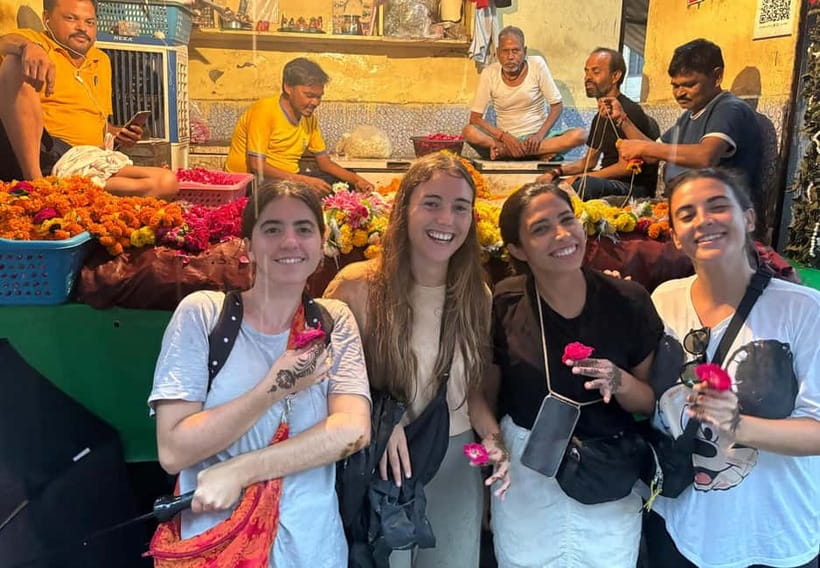
Agra is often reduced to one monument. The Taj Mahal deserves its place, but it does not show you where people shop for wedding decorations, buy spices, worship, eat after work, or bargain for textiles. This tour shifts your attention from imperial architecture to daily life.
I like that the route joins several parts of the old city rather than treating street food as a short add-on. You move through religious sites, market streets, food alleys, and craft shops. The result is a more useful picture of Agra, especially if you have already seen the Taj Mahal and have a free afternoon or evening.
The guide matters here. Old Agra’s lanes can feel like a maze, and traffic does not always follow the rules you may expect. Farman and Amir are the guides most often named in the supplied feedback. Their roles go beyond reciting facts: they help guests cross busy roads, choose food stalls, deal with attention from beggars, and find shops or souvenirs when asked.
This is also a good first activity in Agra. It gives you local context before you visit more major sights, and it lets you ask practical questions about food, shopping, customs, and neighborhoods.
More market tours in India:
- Mumbai: Street Food and Night Markets Tour
★ 4.9 · 719 reviews - Jaipur Bazaar & Food Walking Tour
★ 5.0 · 281 reviews - Mumbai Street Food & Night Markets
★ 5.0 · 225 reviews
The tuk-tuk ride into Old Agra
Pickup is offered from your hotel, railway station, or another location agreed in Agra. The first transfer is listed at about 15 minutes, though actual driving time depends on traffic and your pickup point.
The tuk-tuk is part of the experience, not just a taxi. You sit close to the street, hear the horns, and pass through the everyday rush of Agra. Some people describe the ride as exciting, even a little scary, while also noting that the drivers used for the tour felt safe and professional.
That combination is worth understanding. If you want a quiet, air-conditioned transfer, this is not it. If you want to see the city at street level, the tuk-tuk makes sense. The ride also saves energy, since the walking portion takes place mainly in the market and religious areas.
Pickup and return are practical advantages. You do not have to locate the old market on your own after dark, and the guide can help you get back to your original departure point at the end.
Jama Masjid and the first look at Mughal Agra
Jama Masjid is the first major stop, with about 30 minutes for a visit, a short walk, photographs, and an explanation from the guide. It is one of India’s largest mosques and an important example of Mughal architecture.
This stop gives the market walk some historical shape. Instead of seeing old buildings as background scenery, you learn how the mosque fits into Agra’s past and present. The architecture is a clear change from the narrow commercial lanes around it.
Dress respectfully. Your knees and shoulders should be covered, since the route includes both a mosque and a Hindu temple. You should also expect to remove footwear if local rules require it, although the supplied details do not specify the exact arrangement at the time of booking.
The visit is not designed as a long monument tour. If you want extended architectural study or a detailed religious lecture, 30 minutes may feel short. For a compact city walk, though, it is enough time to look around and understand why the building matters.
Mankameshwar Temple and living faith
A short walk leads to Shri Mankameshwar Mandir, a temple dedicated to Lord Shiva. The tour description presents it as an ancient place of worship, and one visitor specifically valued its reported 5,000-year connection.
The important point is not only the age claim. The temple shows how religious life continues inside the commercial center of Agra. The mosque and temple sit within the same wider walking route, making the contrast between Islamic and Hindu traditions part of the experience rather than a separate museum lesson.
Expect a working place of worship, not a staged attraction. Your guide explains customs and context, while local activity continues around you. Respectful clothing is required, and you should follow the guide’s instructions about photography and behavior.
The lane walk between Jama Masjid and the temple is one of the better parts of the tour. It connects the monuments to shops, residents, traffic, and small daily rituals. You see Agra as a functioning city rather than a collection of isolated sights.
More food walks around India:
- Jaipur Food Walk l Eat Just Like Locals
★ 5.0 · 31 reviews - Reykjavik Food Walk – Local Foodie Adventure in Iceland
★ 5.0 · 18,952 reviews - New Orleans Food Walking Tour of the French Quarter with Small-Group Option
★ 5.0 · 6,118 reviews - Naples: Street Food Walking Tour with Local Guide
★ 4.9 · 4,976 reviews
Seth Gali: where the food becomes the focus
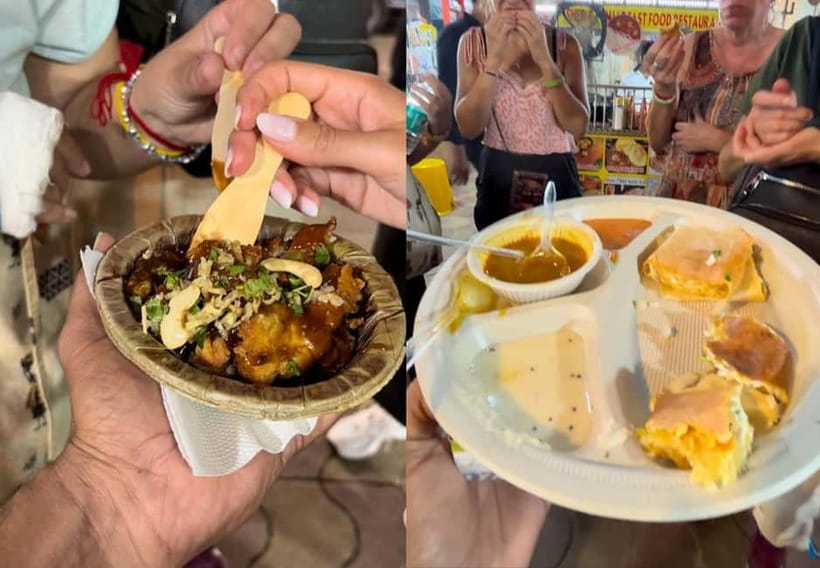
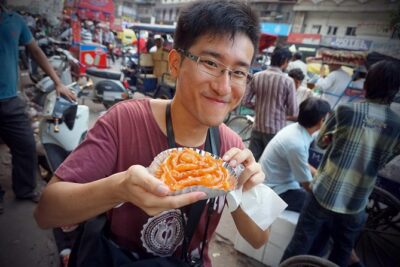
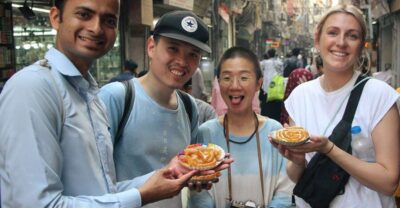
Seth Gali is the first clear food stop. The planned time is about 30 minutes, but the exact tasting sequence can vary. You may be offered samosa, dosa, chole bhature, aloo tikki, pani tikki, local sweets, or masala tea served in a small clay cup.
The point is variety. You are not ordering one large dish and calling it a food tour. You try several small portions, which makes it easier to sample unfamiliar flavors and stop before you are too full.
Some specific foods deserve a quick explanation:
- Samosa: A crisp pastry filled with a spiced mixture, often potatoes and other vegetables.
- Dosa: A thin South Indian crepe, usually served with savory accompaniments.
- Chole bhature: Spiced chickpeas paired with fried bread.
- Aloo tikki: A potato patty with sauces and spices.
- Pani tikki: A snack built around crisp or fried pieces with flavored water and toppings.
- Gajar ka halwa: A warm carrot dessert that may be available in winter.
- Barfi and other sweets: Dense milk-based treats that vary by shop and season.
- Masala tea: Spiced tea, sometimes served in a disposable clay cup.
The supplied details say drinks are not included, so check the exact food option when booking. Tea may be part of the tasting sequence in practice, but you should not assume every drink is covered. If you have dietary restrictions, tell the guide before eating. The food is mainly vegetarian in the examples provided, but the tour does not promise a specific dietary program.
Rawatpara Road and the spice market
Rawatpara is Agra’s spice market, and it changes the feel of the walk. Instead of finished snacks, you encounter sacks, packets, colors, and strong smells associated with Indian cooking.
This is a sensory stop, but it is also useful for shopping. You may find teas, spices, and local ingredients to take home. Ask the guide what is practical to pack and how much to buy, especially if your next destination has strict food import rules.
The market can feel crowded and intense. That is part of its value, but it also means you need comfortable shoes and a little patience. Keep your belongings close, stay with the guide, and do not rush through narrow lanes while taking photographs.
One of the best features of this section is that the guide can explain what you are seeing instead of leaving you to guess. A pile of red powder, a bundle of dried goods, or a shop full of tea becomes part of the story of local cooking and trade.
Kinari Bazaar, textiles, jewelry, and handicrafts
Kinari Bazaar brings together jewelry, textiles, decorations, and handicrafts. It is a strong place to browse if you want souvenirs that feel connected to Agra rather than generic airport merchandise.
The market is also where the tour can shift from sightseeing to shopping. Some visitors enjoy looking at embroidery, marble work, rugs, jewelry, or other crafts. Several people found the craft explanations interesting, and guides sometimes help with practical purchases such as sunglasses or gifts.
You should know the difference between browsing and buying. At least one account describes a rug workshop visit that became a high-pressure sales pitch. Other accounts say they were shown marble, jewelry, or embroidery shops without feeling forced to buy. The experience may depend on the guide, shop, and your own boundaries.
My advice is simple: say clearly if you only want to look. Ask the price, compare items, and remember that walking away is fine. If shopping is not your goal, tell the guide at the start so the focus stays on the market, food, and history as much as possible.
How much food do you actually get?
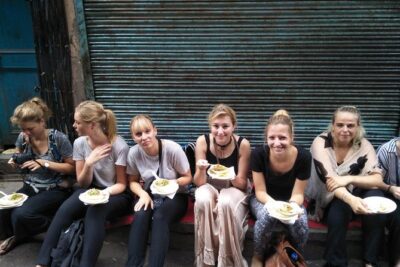
The food option appears generous for a short tour. One account describes around six different types of street food, while another says the tastings were enough to serve as dinner. Other feedback is more restrained and calls the food mostly snacks.
Both descriptions can be true. Portion sizes, seasonal choices, appetite, and the selected booking option will affect the meal. You should think of this as a progressive tasting walk, not a fixed restaurant menu.
The food is also not designed for cautious eaters who want spotless, familiar surroundings. Street stalls may look basic, and the tour takes place in working market areas. That does not automatically mean poor quality, but you need to accept a less controlled setting.
If you are nervous, let the guide choose busy stalls with fresh turnover and ask what is safe to try. The tour is specifically intended to help you sample local food with someone who knows the area, which is more reassuring than picking random stalls alone.
Timing, pace, and who will enjoy it
The tour lasts two to three hours. Suggested start times are 2 p.m. to 4 p.m. in winter and 4 p.m. to 6 p.m. in summer. These windows help place the market walk later in the day, but check the available start time when booking.
Plan for roughly 90 minutes of walking, plus tuk-tuk transfers and visits. Comfortable shoes matter more than stylish footwear. Wear light, respectful clothes that cover your knees and shoulders.
This tour suits you if you:
- Have already seen, or plan to see, the Taj Mahal and want a different side of Agra.
- Enjoy street food, markets, local religious sites, and busy city streets.
- Want a guide for navigation, cultural context, and food choices.
- Are traveling alone and would feel more comfortable with a local companion.
- Have only a few hours available.
- Want an inexpensive private experience rather than a long formal sightseeing tour.
It may not suit you if you are pregnant or have a pre-existing medical condition, since the activity is specifically listed as unsuitable for those guests. It is also a poor match if you dislike traffic, crowded lanes, unstructured food stops, or shopping visits.
Is $14 good value?
At $14 per person, the price is very low for hotel pickup and drop-off, a private local guide, tuk-tuk transport, religious sites, market walking, and food tastings if that option is selected.
The strongest value comes from access. You are paying for someone who knows the old market layout and can guide you through places you might not comfortably find alone. The cost also covers the time and local judgment involved in moving between food stalls, religious buildings, and shopping streets.
Monument entrance tickets are not included, and drinks are excluded. The tour is still good value, but calculate the final cost with those extras in mind. Also check if you are choosing the food-included option or the cheaper option without food. One person felt buying snacks directly during the walk could offer better value, while another preferred the convenience of included tastings.
The free cancellation policy allows cancellation up to 24 hours before the activity for a full refund, and you can reserve now and pay later. Those terms help if your Agra plans may change.
Should you book the Agra street food walk?
Book it if you want the real texture of Agra beyond the Taj Mahal: crowded market lanes, a tuk-tuk ride, local sweets, spices, religious sites, and a guide who can keep the experience manageable.
Farman and Amir are repeatedly singled out for friendly conversation, good English, local insight, and care with solo guests. The tour has also worked well for families, including a 10-year-old, and for two women traveling alone.
Skip it if you want a formal monument tour, a full restaurant meal, or no shopping element at all. The walk is active, the food is served in ordinary street settings, and a handicraft stop may include sales pressure.
For most visitors with a spare afternoon, this is one of the better low-cost ways to understand Old Agra. Pair it with the Taj Mahal, wear sensible clothes, protect your boundaries in shops, and let the guide lead you through the maze.
FAQ
How long does the Agra street food tour last?
The activity lasts about two to three hours. The planned visits are generally around 30 minutes each, with roughly 15 minutes of tuk-tuk travel at the beginning and end.
What food can I try?
Possible tastings include samosa, dosa, chole bhature, aloo tikki, pani tikki, local sweets, gajar ka halwa, barfi, and masala tea.
Is this a full dinner?
It is mainly a tasting walk with snacks. Some food options may provide enough portions for a meal, but the experience is not described as a formal sit-down dinner.
Is hotel pickup included?
Yes. Pickup and drop-off are offered from hotels, railway stations, or another agreed location in Agra.
Is tuk-tuk transport included?
Yes. Transfers between Agra and the old city are provided by tuk-tuk.
Which languages are available?
Live guiding is available in English and Spanish.
What should I wear?
Wear comfortable clothes and shoes. Your clothing should cover your knees and shoulders because the route includes a mosque and a temple.
Are monument entrance tickets included?
No. Entrance tickets for monuments are not included in the activity price.
Are drinks included?
Drinks are not included. Masala tea may be part of some food tastings, but you should confirm the selected option when booking.
Can I cancel the booking?
You can cancel up to 24 hours in advance for a full refund. Reserve now and pay later is also available.
More Tuk-Tuks in India
- Old Delhi: Private Tour of Chandni Chowk, Tuk Tuk & Food
★ 4.9 · 345 reviews - Delhi: Old Delhi City Tour with Tuk-Tuk Ride & Street Food
★ 4.8 · 88 reviews - Agra: Sadar Bazar Food Market Night Walking Tour by Tuk-Tuk
★ 4.9 · 25 reviews - Agra: Street Food Tour with Spice Market on Tuk-Tuk Ride
★ 4.7 · 23 reviews
More Street Food Tours in India
- Old Delhi Street Food Tour
★ 5.0 · 497 reviews - Delhi: Old Delhi Street Food Tour with Rickshaw Ride
★ 4.9 · 403 reviews - Mumbai Street Food Tour
★ 5.0 · 269 reviews - Heritage Walk & Street Food Tasting in Jaipur
★ 5.0 · 158 reviews
Just added around India
- Kolkata Midtown Madness- A Street Food & Nightlife Tour★ 4.9 · 49 reviews
- Kochi: Local Street Food Guided Walking Tour with Tastings★ 4.5 · 34 reviews
- Bengali Nights Kolkata Food Tour with 13+ Tastings★ 4.8 · 70 reviews
- Jodhpur: Desert Camel and Jeep Safari with Traditional Food★ 4.9 · 57 reviews
- Jaipur Food Walk l Eat Just Like Locals★ 5.0 · 31 reviews
- jodhpur: street food tour with over 8 food tastings★ 4.8 · 45 reviews
- Jaipur: History Street Food Tour with Local Guide★ 4.4 · 50 reviews
- Goa Street Food Crawl: Authentic Food Tasting Experience★ 3.7 · 29 reviews
Food Tours in India, compared.
The Great Indian Food Tour: Old Delhi Food and Heritage Walk
Read our review →
Old Delhi Food, Heritage&Cultural Walk with Rickshaw ride to Masterji Kee Haveli
Read our review →
Old Delhi: Private Tour of Chandni Chowk, Tuk Tuk & Food
Read our review →
Browse the lists this tour appears in