
REVIEW · AUSTRALIA
Sydney: Chinatown Street Food & Culture Guided Walking Tour
Sydney Chinatown is best understood one bite and one story at a time. This 150-minute walk combines four or five Chinese street foods with the story of how Chinese-Australians shaped this part of Sydney. Guides such as Justin, Bunny, and Eddie bring a friendly, lively touch to the history.
I like the regional variety and the useful restaurant bingo card, which tells you where to eat next and what to order. I also like the small-scale feel, with guides who keep the walk conversational and involve the group. The main caution is that this is a light food tour, not a full banquet, and much of the history is explained while standing outdoors.
Key points
- Four or five regional snacks: The food represents different parts of China and is made for eating as you walk.
- A practical restaurant guide: You receive a Chinatown bingo card with restaurant suggestions and ordering advice.
- A clear meeting point: Start outside Paddy’s Markets, across from the southern end of Dixon Street mall.
- History with local context: Learn how Sydney’s Chinese community began in Chinatown and how the area continues to change.
- Flexible dietary planning: Vegetarian, vegan, gluten-free, and other dietary needs can be accommodated if shared ahead of time.
- Good value for a light lunch: At $56, the tour suits you if you want food, orientation, and cultural background in one outing.
Starting Across From Paddy’s Markets
The tour begins outside Paddy’s Markets, directly across from the southern end of Dixon Street mall. This meeting point matters because the area has several roads, entrances, and restaurants close together.
Stand across the light rail tracks and look for Emperor’s Garden restaurant, specifically the main Emperor’s Garden rather than Emperor’s Garden BBQ. Covent Garden hotel and the Chinatown red gates should also be visible. If you are waiting beside the markets instead of across the tracks, you are on the wrong side of the road.
I like that the meeting instructions give you three clear visual checks. Still, arrive with enough time to get oriented. The tour is on foot, and the group will not be able to wait while you search through the nearby streets.
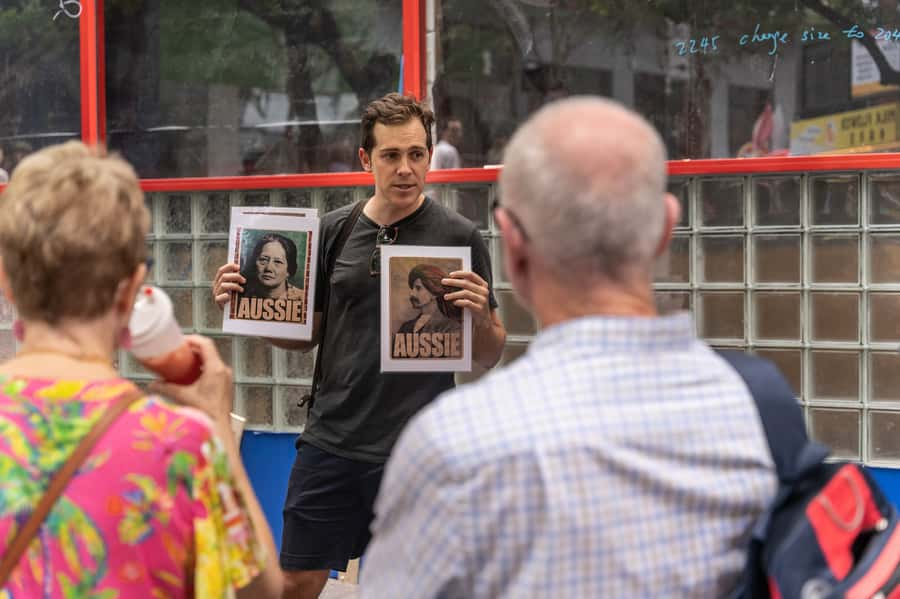
From here, your guide sets the tone for the walk. The best guides on this experience, including Justin, Bunny, and Eddie, combine food talk with stories about Sydney, Chinese culture, and the area’s past. The style is interactive rather than a long formal lecture, although some parts involve standing while the guide explains the background.
More street food nights in Australia:
- Dubai: Old Town, Creek, Museums, Souks, & Street Food Tour
★ 4.8 · 10,816 reviews - Ho Chi Minh City Street Food Tour & Sightseeing By Motorbike
★ 5.0 · 9,413 reviews - Medellin: Comuna 13 Graffiti Tour, Cable Car & Street Food
★ 4.8 · 9,046 reviews
Chinatown Food Served One Snack at a Time
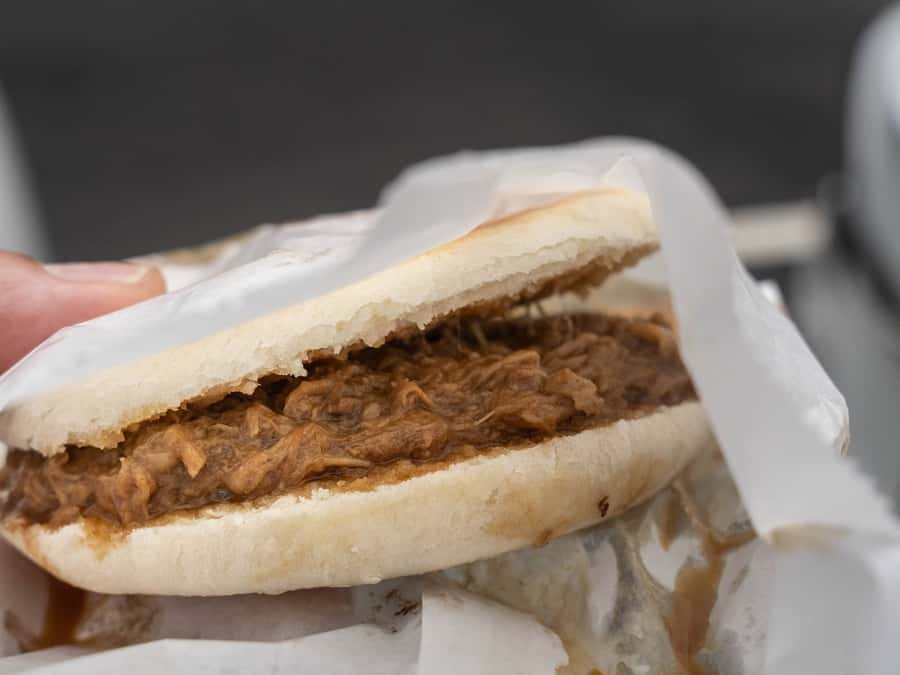
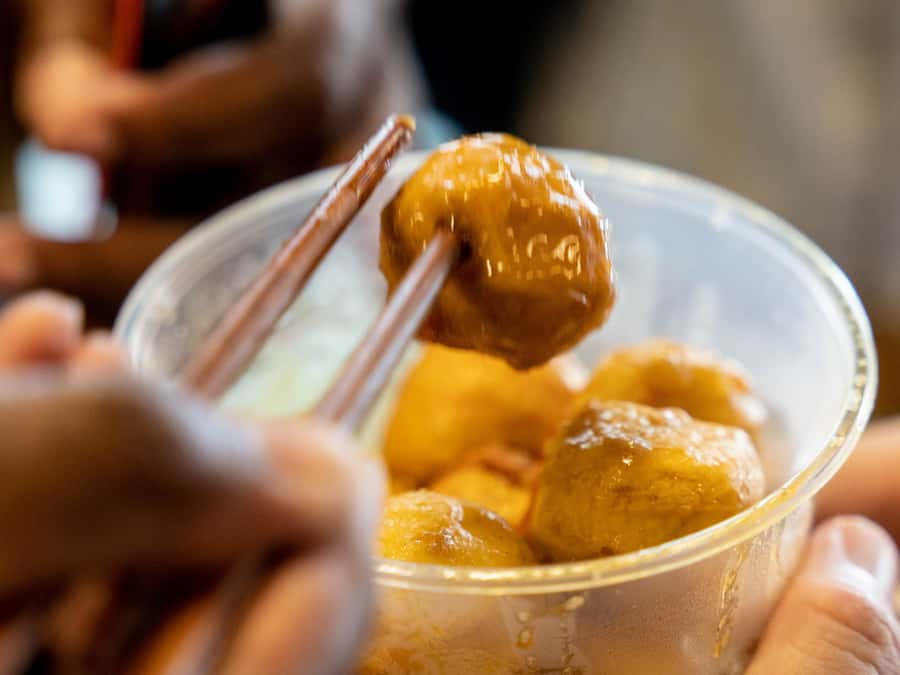
The central idea is simple: walk through Chinatown and try small foods from different parts of China. You receive at least four samples, with the usual total described as four or five regional Chinese street foods.
These are snacks designed to be eaten on the move. That makes the tour easy to fit into a sightseeing day, but it also explains why the food may not feel like a large restaurant meal. For most people, the total amount is similar to lunch, yet it is deliberately a lighter food experience.
This distinction is important at $56. You are not paying only for four plates of food. You are also paying for a guide, the local restaurant choices, the history, and the help you receive in deciding where to eat later. If you want a long, heavy meal with generous portions, this may feel expensive. If you want a guided introduction to Chinatown with enough food to keep you going, the price is more reasonable.
The food stops are chosen to show range rather than fill you with one style. You might move between regional flavors, textures, and snack traditions rather than sit down for a single shared banquet. Soup dumplings have been a particular highlight for some groups, and the food stops are timed so the walk does not become rushed.
You should still plan your expectations carefully. One published experience describes a tea stop where the drink cost extra, so do not assume beverages are included. Bottled water is not included either. Bring a reusable bottle, especially on a hot day.
What the Four or Five Tastings Really Offer
A good food walk does more than hand you samples. It explains why a dish matters, how to order it, and where you might return when you want a full meal.
That is where this tour has practical value. Your guide points out places worth trying around Chinatown and helps you understand what to order. The advice is gathered at the end on a Chinatown restaurant bingo card, a laminated or printed guide you can keep using after the tour.
I like this feature because it solves a common Sydney problem. Chinatown has plenty of restaurants, but a short visit does not give you much time to compare menus or work out which specialties deserve your attention. The bingo card gives you a short list for later meals instead of leaving you with vague advice to try everything.
The samples also give you a starting point for your own food exploration. If you discover that you like one particular style, you can use the guide to return for more. If four or five tastings leave you wanting another meal, that is intentional. The guide can recommend further places, and you can continue eating after the walk.
Do not book this expecting a cooking class or a seated tasting menu. The food is served as street food and snacks, and the tour keeps moving through the neighborhood. That format feels closer to how you might eat in Chinatown on your own, just with someone helping you make better choices.
The Red Gates and Chinatown’s Changing Identity
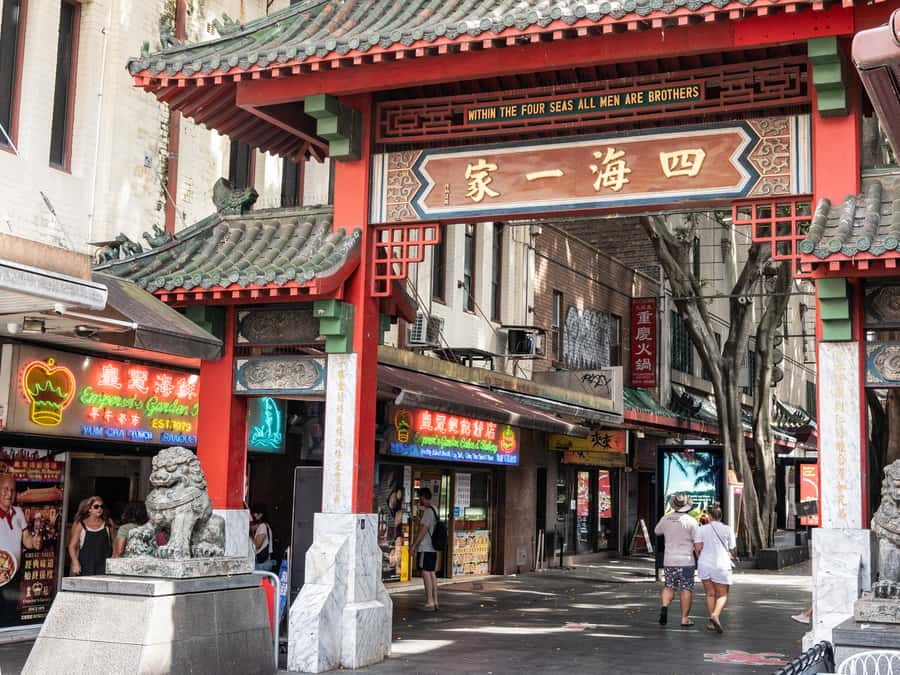
The red gates are among Chinatown’s most recognizable sights, but the tour treats them as a starting point rather than the whole story. You see the public face of the district while learning how the Chinese community became part of Sydney’s social and commercial life.
The history focus is a major part of the experience. Your guide explains how Australia’s Chinese community began in Chinatown and discusses the contributions Chinese-Australians have made to the wider community. The talk also covers how Chinatown has changed and continues to evolve.
That last point gives the walk more depth. Chinatown is not presented as a frozen theme area. You hear about a district shaped by migration, business, food, family life, and changing city patterns. The area’s restaurants and signs are easy to photograph, but the useful part is understanding why this particular pocket of Sydney developed as it did.
Guides bring their own style to the material. Justin has been praised for combining food and history clearly, while Bunny is known for high energy and getting everyone involved. Eddie has been described as bringing strong local food knowledge and positive energy. Those differences matter because the tour depends heavily on the person leading it.
You may get a more history-focused walk with one guide and a livelier food conversation with another. Either way, the experience is designed to keep facts approachable rather than academic.
A few more food tours around Australia worth comparing
- Melbourne Foodie Discovery Walking Tour
★ 5.0 · 530 reviews - Melbourne: 3-Hour Foodie Discovery Walking Tour
★ 4.9 · 313 reviews - Melbourne: Guided Night-Time Food Walking Tour
★ 4.7 · 76 reviews - Reykjavik Food Walk – Local Foodie Adventure in Iceland
★ 5.0 · 18,952 reviews
The Friendship Garden and the Wider Walk
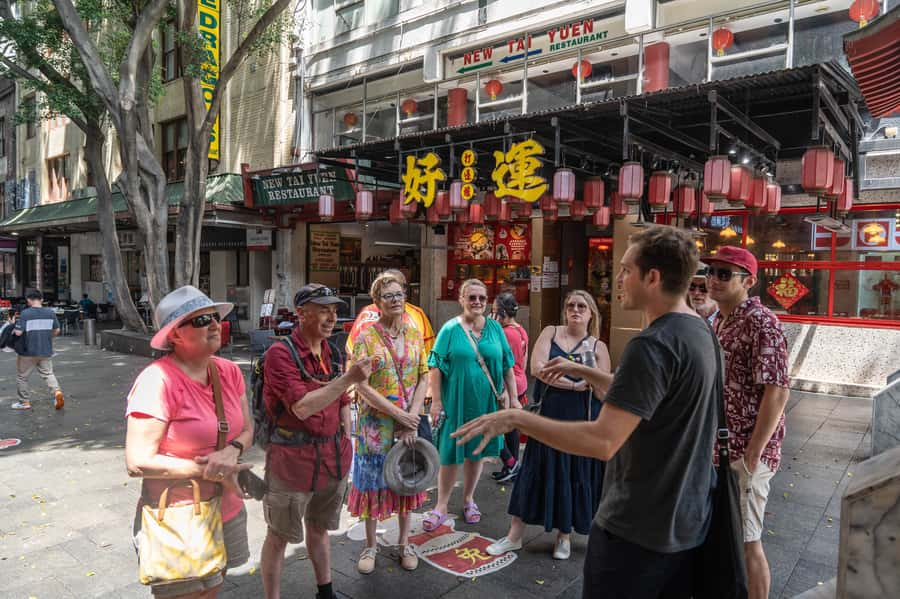
The tour includes Chinatown’s famous sights, including the Friendship Garden and the red gates. These landmarks help you connect the food stops to the district’s public spaces and cultural identity.
The walk is not simply a series of restaurant visits. You move through the neighborhood, pause for explanations, and see how food businesses sit alongside hotels, markets, light rail, and other city activity. That makes the tour useful early in your Sydney stay, when you are still learning the central areas.
The amount of walking is manageable for most people, but comfortable shoes are still a good idea. You may spend time standing outside while listening, so a hat and sunscreen are sensible. On a hot afternoon, the outdoor format can become tiring. One account specifically found that the heat and standing made the historical sections feel long, and suggested more time in shade or air conditioning.
That is a fair limitation. The tour has a strong history component, and that is a benefit if you enjoy context. It may feel less satisfying if you mainly want to eat, sit down, and move quickly between tastings.
History, Food, and the Guide’s Personality
The guide is the key variable here. The strongest part of the experience is the way the guide joins the food to the history instead of treating them as separate subjects.
Justin has led many of the praised walks and is described as friendly, clear, and well prepared. He has used photographs and documents to help explain Chinese history in Australia and Sydney. Bunny brings a playful energy and encourages the group to take part. Lucy and Liz have also been singled out for passion, warmth, and a good small-group atmosphere.
The guide’s role is not limited to naming dishes. You can expect explanations about the area, Chinese culture, and the changing character of Chinatown. The best moments come when a snack becomes a prompt for a wider conversation about migration, community, or local business.
There is a balance to consider. A detailed guide can make the tour much more interesting, but it also means the walk may include more talking than you expect from a food tour. If you prefer constant eating and minimal commentary, this may not be your ideal format.
Group Size, Pace, and Comfort
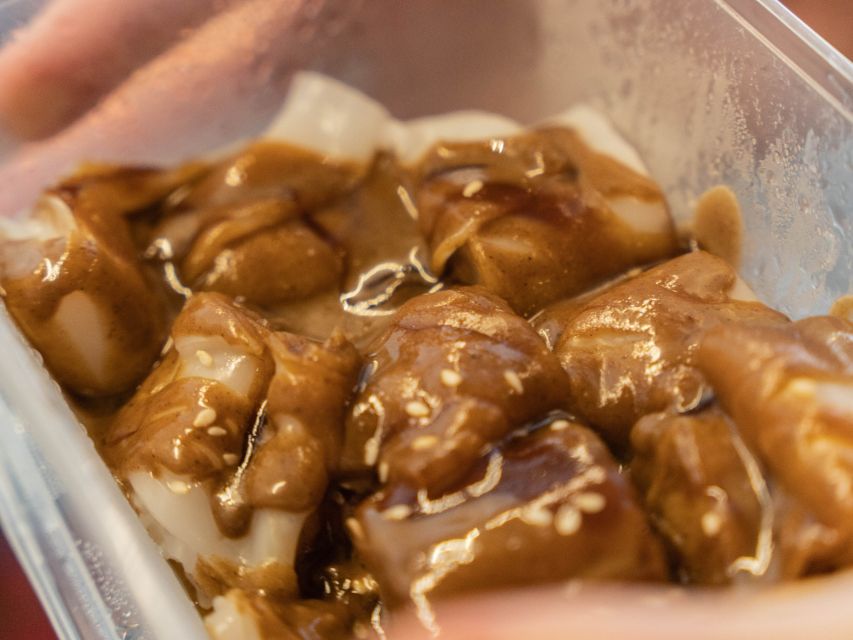
The experience is suited to a small-group walking format. At least one reported booking had four people plus the guide, creating an easy setting for questions and conversation. The exact group size is not specified, so you should not assume every departure will be that small.
The pace combines short walks, food stops, and explanations. This is not a race through Chinatown, and you should expect pauses. You will probably spend some time standing at the edge of streets or outside businesses, particularly during the historical sections.
Wheelchair access is listed, but the tour still takes place in an active city area. If you use a wheelchair or have mobility concerns, it is sensible to confirm the practical route and any access details when booking. The supplied information confirms accessibility, but it does not describe every surface or entrance.
English is the tour language. Bring water, wear shoes you can walk in, and protect yourself from the sun. Those small preparations matter more here than they would on a fully indoor food tasting.
Dietary Needs and What to Tell the Guide
Vegetarians and vegans are welcome, as are people with gluten intolerance and other dietary requirements. You must provide those details in advance so the food stops can be planned.
There is one specific limitation: the tour can cater to vegan or gluten-free needs, but not vegan and gluten-free together. That restriction is worth taking seriously before you book.
If you have allergies or a complex dietary requirement, explain it clearly rather than relying on a general note. The tour is built around several small tastings, so advance notice gives the provider a chance to adjust the choices.
You should also remember that the tour includes food samples but not bottled water. A reusable bottle is listed among the recommended items, and it is especially useful in warm weather.
Is $56 Good Value?
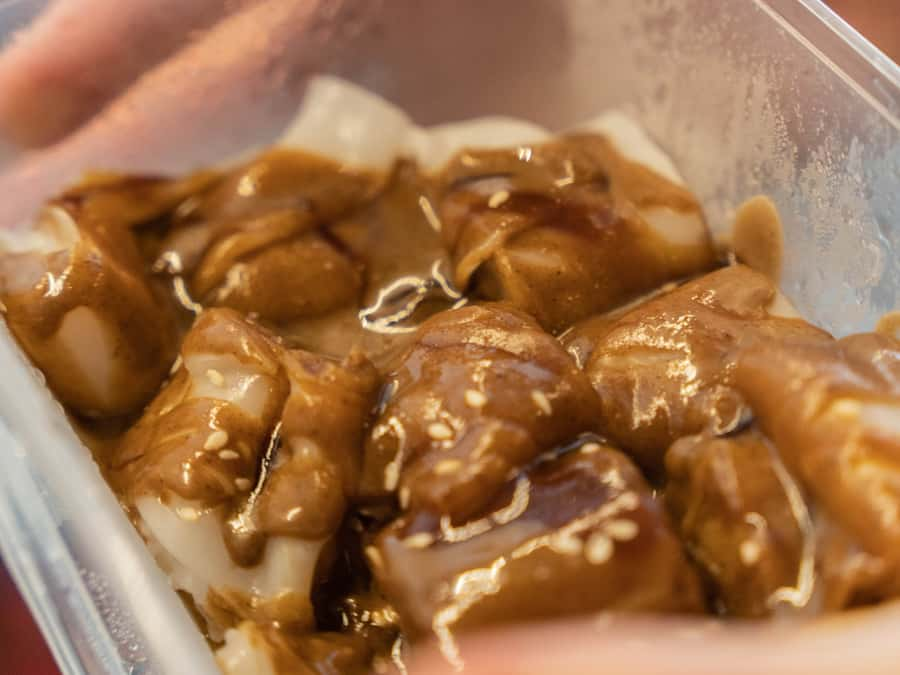
At $56 per person, this is not the cheapest way to eat in Chinatown. You could buy several snacks on your own for less, particularly if you are happy to choose without guidance.
The value improves if you use the tour as an introduction. You receive four or five tastings, a 150-minute guided walk, cultural and local history, photos shared after the tour, and a restaurant guide for future meals. The bingo card may save you from spending the rest of your visit guessing which places and dishes to try.
The food quantity is the main question. It is usually comparable to lunch, but it is not a heavy meal. One account felt the amount and selection did not fully match expectations, so I would book this for variety and orientation, not maximum food per dollar.
A drink may cost extra, and bottled water is not included. Add that small cost to your plans. If you want a full dinner afterward, the guide can recommend places, but that means your total food spending will be higher.
Who Should Book This Chinatown Walk?
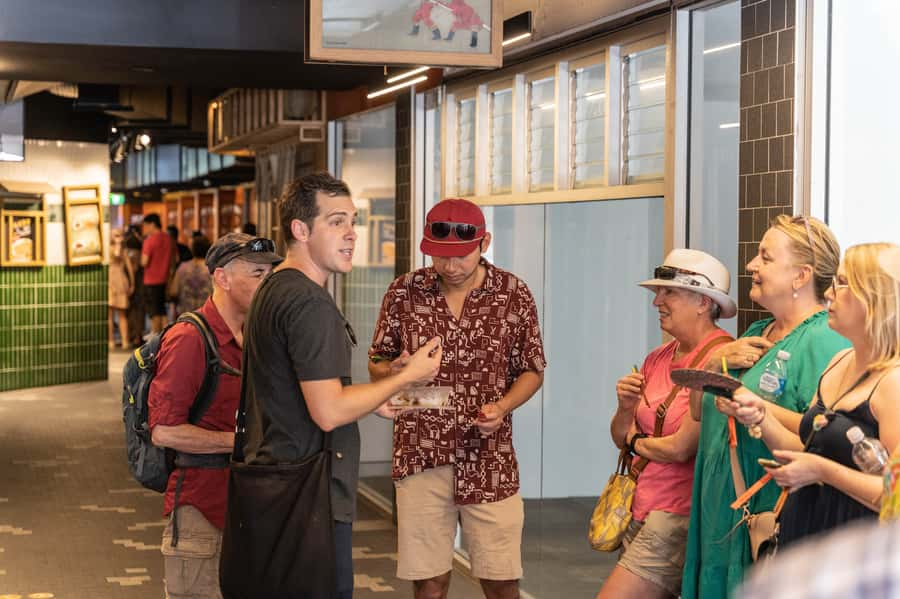
I would recommend it if you are visiting Sydney for the first time and want a clear introduction to Chinatown. It is also useful if you enjoy trying unfamiliar food but want someone else to choose reliable stops.
The tour suits couples, small groups, and solo visitors who like conversation. It can also work well for locals who know Chinatown’s restaurants but want more background on the district and Chinese-Australian life.
You may want a different experience if your main goal is a large meal, indoor seating, or a restaurant-by-restaurant feast. The tour includes standing, walking, outdoor explanations, and modest portions.
Book it early in your Sydney stay if possible. The restaurant card and ordering advice will then help with later meals. Tell the provider about dietary needs in advance, wear comfortable shoes, and check the meeting point carefully.
Should You Book It?
Book this tour if you want food plus context, not food alone. The strongest features are the regional snack selection, the guides’ personal style, and the practical list of Chinatown restaurants and dishes to try afterward.
At $56, it is fairly priced for a light lunch, a guided neighborhood walk, and cultural background, though it may disappoint you if you expect large portions or a drink included. The heat and standing are the main comfort concerns.
For a first visit to Sydney Chinatown, I think the combination is useful. You leave with a better sense of the district, several foods to remember, and a plan for where to eat next.
FAQ
How long does the Sydney Chinatown food tour last?
The tour lasts 150 minutes.
How much does the tour cost?
The listed price is $56 per person.
Where does the tour start?
It starts outside Paddy’s Markets, directly across from the southern end of Dixon Street mall. Look across the light rail tracks for Emperor’s Garden restaurant, Covent Garden hotel, and the Chinatown red gates.
How many food samples are included?
The tour includes four or five regional Chinese street foods. The samples are snacks designed to be eaten while walking.
Is the food enough for lunch?
For most people, the total amount is similar to lunch, but it is described as a light food tour rather than a heavy meal.
Can dietary requirements be accommodated?
Vegetarian, vegan, gluten-free, and other dietary requirements can be accommodated if you provide the information in advance. The tour cannot cater to guests who are both vegan and gluten intolerant.
Is the tour wheelchair accessible?
Yes, the activity is listed as wheelchair accessible. It is still wise to confirm route details if you have specific mobility needs.
Is cancellation available?
You can cancel up to 24 hours in advance for a full refund. The reserve now and pay later option is also available.
Just added around Australia
- Award Winning Full Day Wine and Food Experience★ 5.0 · 154 reviews
- Hobart Half Day Wine and Food Tour★ 4.5 · 80 reviews
- 4-Hour Outback Gourmet Food & Aboriginal Art Tour★ 4.5 · 91 reviews
- Adventure &Taste Atherton Tablelands Food & Wine Tour from Cairns★ 5.0 · 277 reviews
- Full-day Tour at the Atherton Tablelands with Food Tasting★ 5.0 · 30 reviews
- The F Factor: Adelaide food tour★ 5.0 · 89 reviews
- Feed Me Food and Wine Experience in Adelaide★ 5.0 · 44 reviews
- All Inclusive Barossa Valley Food and Wine Tour★ 4.5 · 126 reviews
Food Tours in Australia, compared.
Bruny Island Food, Sightseeing, Guided Lighthouse Tour & Lunch
Read our review →
Chef-Led Hunter Valley Gourmet Food and Wine Day Tour from Sydney
Read our review →
Ultimate Swan Valley Food and Wine Day Trip from Perth
Read our review →

Yarra Valley Food Wine and Gin Tour Departing From Melbourne
Read our review →

Melbourne Food Tour with 8+ Food Tastings in Hidden Laneways
Read our review →
Adventure &Taste Atherton Tablelands Food & Wine Tour from Cairns
Read our review →Browse the lists this tour appears in