
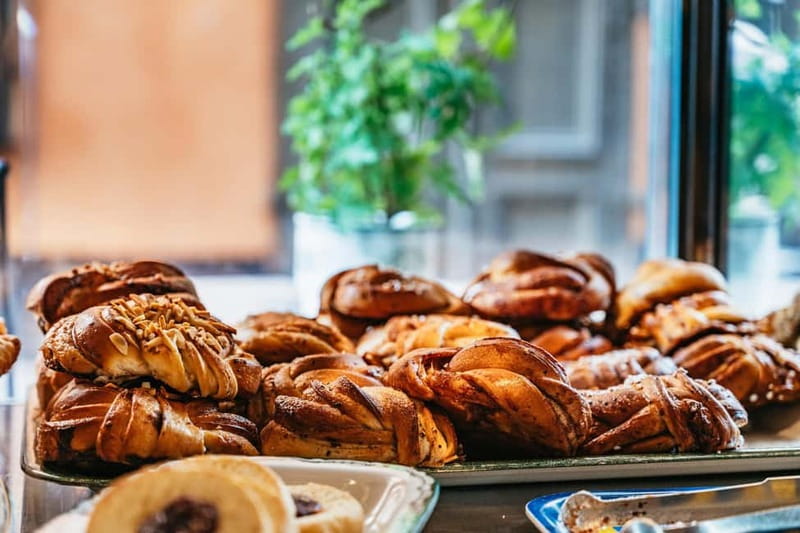
REVIEW · SWEDEN
Stockholm: Swedish Food Guided Walking Tour
Stockholm’s best food lesson may be the one that takes place on foot. This four-hour tour links Östermalm Food Hall, Hötorgshallen and Gamla Stan, with enough tastings to replace lunch and perhaps dinner too. You might try reindeer, moose, bear sausage, Swedish meatballs, seafood, local cheese, chocolate, liquorice and a cinnamon roll before the afternoon is over.
I like the way the tour connects food with place. You do not simply sample dishes at a table, you walk through older markets, newer parts of the city and Stockholm’s oldest quarter while your guide explains how Swedish eating habits fit into daily life. I also like the range: familiar meatballs and fika sit beside game meats and strong liquorice. The main drawback is the amount of walking and the occasional uncertainty around dietary arrangements, so tell the operator about restrictions when booking and confirm them with your guide at the start.
Key points to know before you book
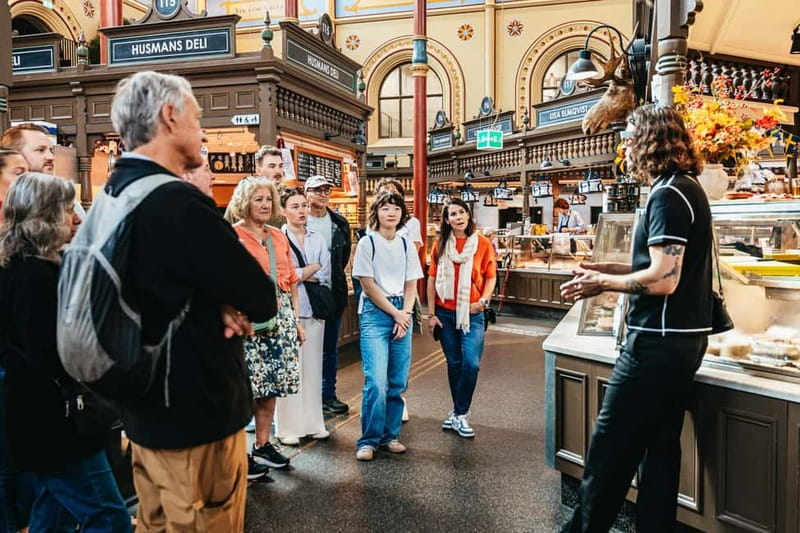
- Start with Stockholm’s grandest food hall: Meet at the main entrance of Östermalms Food Hall, at the corner of the square and Humlegårdsgatan, for cheese and cured-meat tastings.
- Expect a full meal, not a few nibbles: The stops can include seafood, meatballs, soup, small dishes, sweets and fika.
- Game meats may be part of the experience: Past tastings have included moose, reindeer, bear sausage and even reindeer heart.
- The walking adds real value: You move between markets and neighborhoods while learning about food, architecture, history and Swedish society.
- The guides shape the day: Cotton receives repeated praise for his humor and city knowledge, while Sara, Therese, Teresa, Fritz and others have also led warmly received tours.
- Plan for weather and steps: The tour runs in all weather, requires comfortable shoes and is not suitable for wheelchair users.
Starting at Östermalm Food Hall
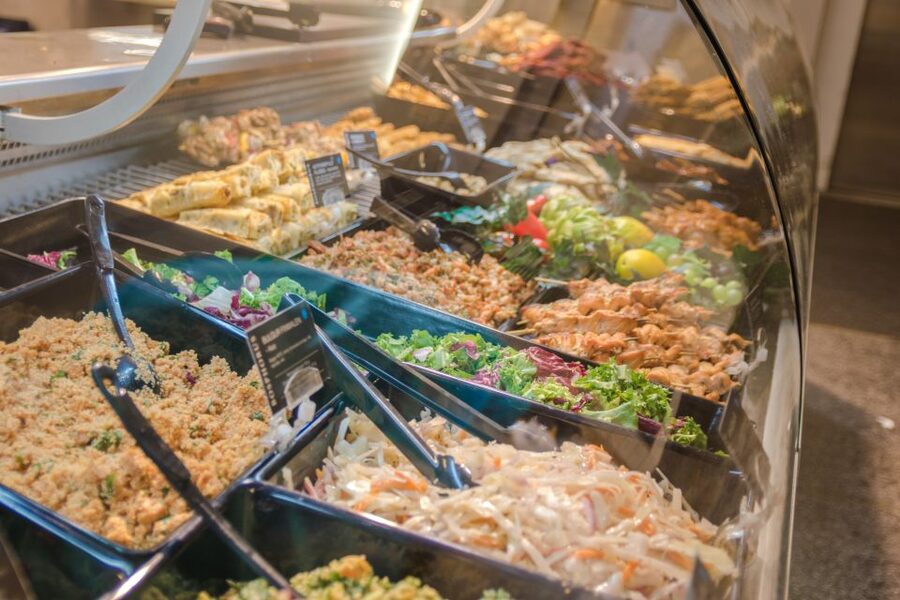
Your meeting point is the main entrance of Östermalms Food Hall, near the corner of the square and Humlegårdsgatan. This is a useful starting place because the hall immediately gives you a sense of Swedish food culture: polished counters, prepared foods, seafood, cheeses and cured meats gathered under one roof.
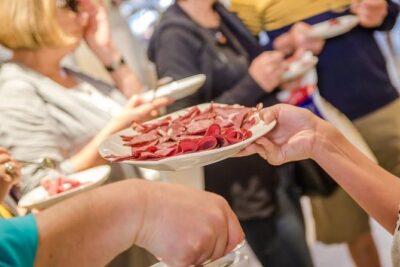
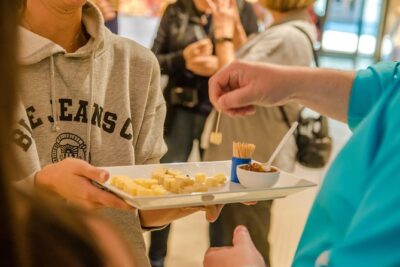
The opening tastings focus on local cheeses and meats. These are not just palate warmers. Your guide uses them to explain Swedish preferences for preserved food, practical cold-weather cooking and the difference between everyday fare and special-occasion food.
The hall itself is part of the appeal. You get the market experience without having to work out which counter to choose or guess what is on display. A guide can point out the foods that matter and explain how they are used. That is especially helpful if your Stockholm visit is short and you want more than a restaurant meal.
The first stop may also set the tone for the rest of the tour. This is a social outing, not a silent tasting. Guides such as Cotton are often praised for keeping conversation moving, answering questions and adding observations about Swedish life beyond the plate.
A few more food tours around the world worth comparing
- Reykjavik Food Walk – Local Foodie Adventure in Iceland
★ 5.0 · 18,952 reviews - Little Havana Food and Walking Tour in Miami
★ 5.0 · 8,882 reviews - New Orleans Food Walking Tour of the French Quarter with Small-Group Option
★ 5.0 · 6,118 reviews
From classic market foods to modern Stockholm
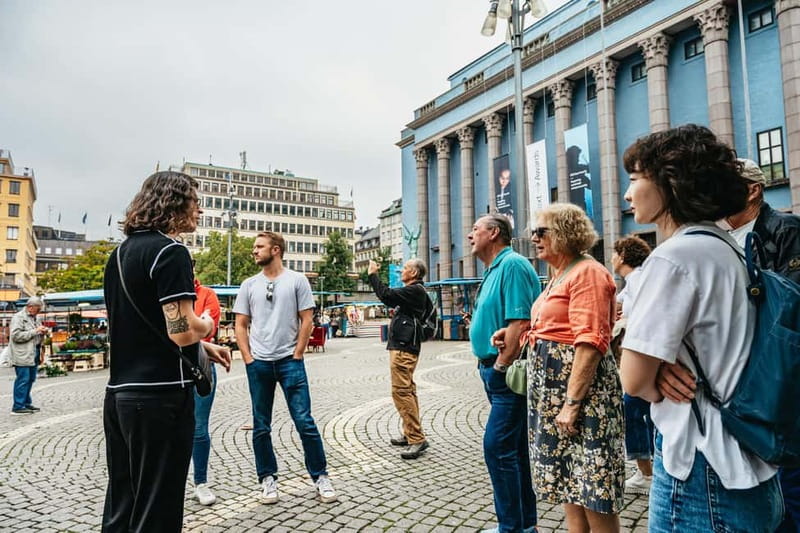
After the food hall, the route continues through more modern parts of central Stockholm. You walk between stops, so the city itself becomes part of the lesson. The guide may discuss the areas you pass through, Swedish habits and the way traditional foods continue to appear in newer settings.
This section is important because Swedish cuisine is not limited to meatballs and cinnamon buns. The tour presents traditional foods alongside healthier and more contemporary choices, described as classical foods with a twist. That gives you a more useful picture of Stockholm’s dining scene than a single restaurant visit would.
You may also receive a drink at some tasting locations, including beer or wine, but extra drinks are not included in the price. That distinction matters. The food portion is designed to be substantial, yet you should bring money or a payment card if you want additional beverages.
The pace appears to be steady rather than hurried. Several guides have been praised for allowing time to eat, ask questions and walk comfortably between locations. Still, four hours is a long stretch on city streets. Wear shoes you would happily use for an afternoon of sightseeing, not just a smart pair for dinner.
A proper seafood lunch in the middle of the tour
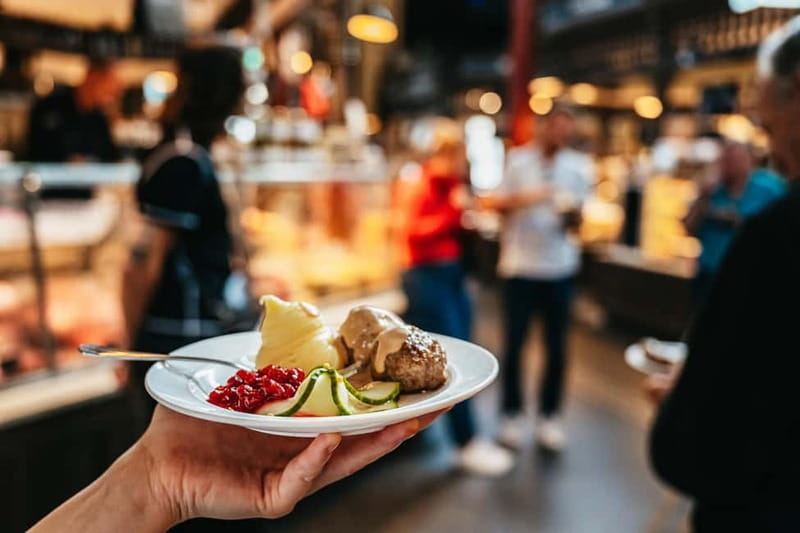
The seafood stop is one of the tour’s anchors. Instead of another tiny sample, you sit down to a lunch plate filled with Swedish seafood. Exact dishes can vary, but the point is clear: this is a proper pause and a substantial part of the meal.
That helps explain the $112 price. You are paying for a guide, several market visits, a walking tour and enough tastings to cover lunch. In Stockholm, where food and drinks can be expensive, a four-hour experience with a full seafood serving and numerous additional samples can be good value if you enjoy trying several foods rather than ordering one familiar entrée.
The seafood course also provides a useful contrast with the cured meats and game products found earlier. Swedish food is shaped by both land and water, and this stop lets you taste that difference rather than hearing about it in the abstract.
If seafood is not your preference, tell the operator when you book. Vegetarian and other dietary needs should be communicated in advance so suitable tastings can be arranged. One important practical point is worth repeating: do not assume the information will reach the guide perfectly. Confirm your needs at the meeting point, especially for gluten-free diets. A past guide handled an uncommunicated gluten-free request well, but had to improvise. Advance notice is kinder to everyone.
Chocolate, a personal story and Stockholm’s sweet side
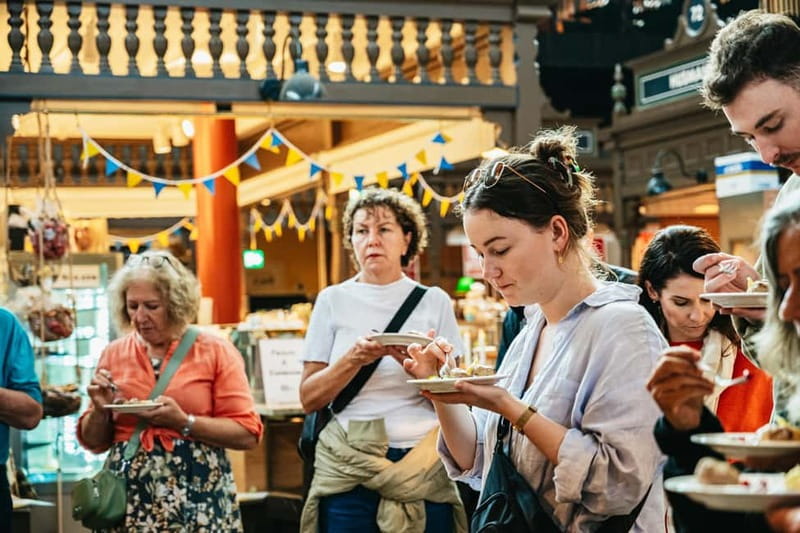
After lunch, the tour turns toward sweets. A stop at a local chocolate shop adds something more personal than a standard retail tasting. The owners’ romantic story is part of the visit, giving the chocolate a human connection instead of treating it as just another product.
This is a small but effective change of pace. You have already sampled savory foods and seafood, and now you get a glimpse of Stockholm’s modern craft-food side. The chocolate is locally made gourmet chocolate, so this stop may appeal to you if you like buying edible souvenirs.
Do not expect the chocolate shop to be the only sweet stop. Later, the tour includes traditional liquorice and a final cinnamon roll with coffee. Swedish sweets can be more assertive than visitors expect, especially liquorice. If you dislike salty or strong liquorice, approach it with curiosity rather than obligation. The guide’s explanation can make an unfamiliar flavor more interesting, even if it does not become your new favorite.
Same city, a completely different plate:
- Hanoi Jeep Tour: Food, Culture and Fun by Vietnam Army Jeep
★ 5.0 · 15,222 reviews - From Marrakech: Merzouga 3-Day Desert Safari with Food
★ 4.7 · 12,232 reviews - Dubai: Old Town, Creek, Museums, Souks, & Street Food Tour
★ 4.8 · 10,816 reviews - Madrid: Live Flamenco Show with Food and Drinks Options
★ 4.5 · 9,901 reviews
Hötorgshallen and the story behind the market
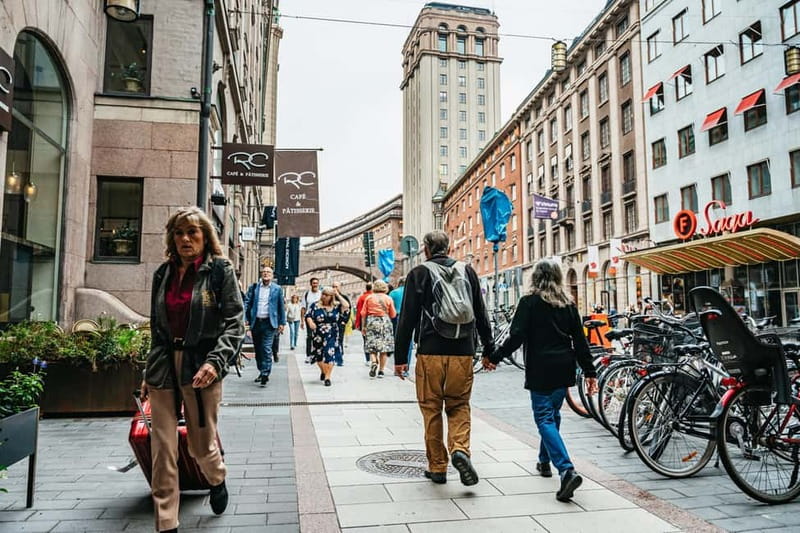
The next market is Hötorgshallen, one of central Stockholm’s important food halls. Here, the guide explains the market’s historical role and introduces some of its shops before offering quick tastings.
The contrast with Östermalms Food Hall is useful. You are not visiting two identical markets simply to collect samples. The guide helps you notice how different food halls serve the city and how markets function as meeting places, shopping centers and windows into local eating habits.
This stop is also where the tour’s format works particularly well. A first-time visitor could walk through Hötorgshallen and see plenty of food, but might not know what is traditionally Swedish, what is imported or what deserves attention. A guide gives the display cases context and keeps you from wasting time on random choices.
Some tastings may be brief here, which is sensible after the seafood lunch and chocolate. The day is built around variety, not huge portions at every location. By this point you are likely to have eaten enough to understand why several participants needed no dinner afterward.
Gamla Stan, original houses and a tiny candy factory
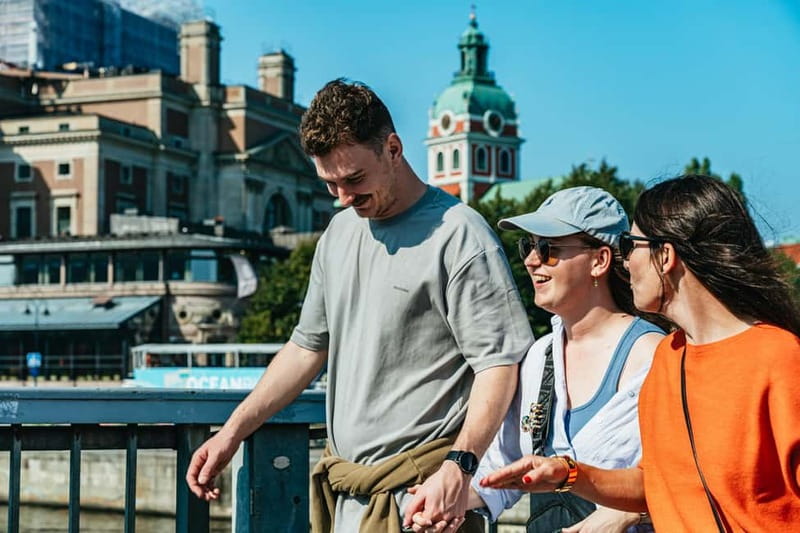
The route continues to Gamla Stan, Stockholm’s Old Town. This gives the tour a clear visual shift, from food halls and modern streets to narrow lanes and older houses.
The Old Town portion is not a separate architecture tour, but it adds useful background. You get to admire some of Stockholm’s original houses while learning how food and city life developed around historic neighborhoods. Guides have also been praised for adding facts about architecture, geography and social history as they walk.
A particularly memorable stop is a tiny factory making polkagris. This striped peppermint candy is one of Sweden’s most traditional sweets. The visit provides a direct link to a specific Swedish confection rather than a generic candy shop.
Polkagris is also a good example of why a local guide helps. You can buy candy on your own, but a guide can explain why this sweet matters and place it within Swedish traditions. The factory stop is likely to be especially appealing to families, though younger children still need to be comfortable with a four-hour walk and a tasting schedule designed for adults.
Ending with fika in a romantic courtyard
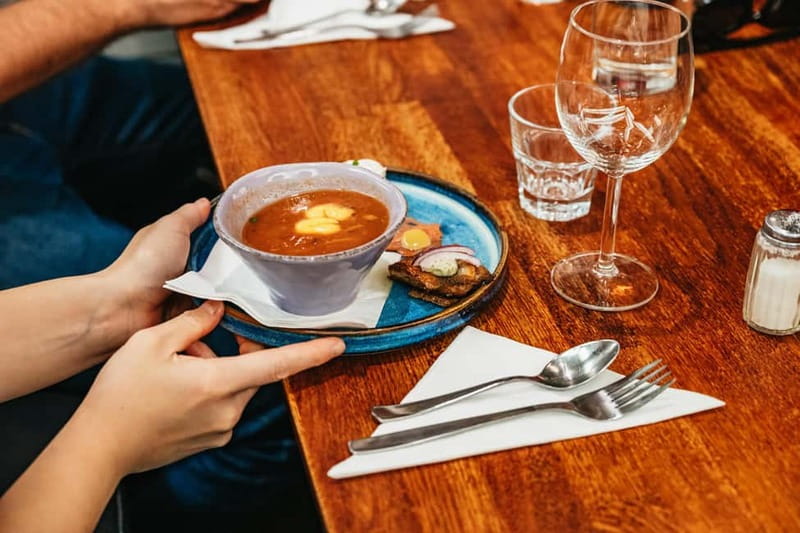
The final stop is fika, the Swedish custom of taking a break for coffee and something sweet. Here, you sit in a romantic courtyard with coffee and a cinnamon roll described as one of the best on the route.
This ending makes sense. After savory foods, seafood, game meats, chocolate and liquorice, fika brings the tour back to an easy, familiar pleasure. It also gives the group time to slow down and talk rather than finishing with one more rushed sample.
The cinnamon roll is not merely dessert. Fika is a social habit, and the guide can explain why the pause matters in Swedish daily life. This is one of the most accessible parts of the tour for cautious eaters. Even if you skip a stronger tasting earlier, you can usually look forward to coffee and a pastry at the end.
The final courtyard setting also gives the day a pleasant finish. You are not simply released outside a market after the last bite. You have time to ask for restaurant ideas, clarify what you have tasted and compare notes with the small group.
What the guides add to the experience
The guide makes or breaks any food walk, and this one has received strong praise across several different leaders. Cotton is repeatedly singled out for his humor, direct style, warm conversation and broad knowledge of Swedish food, history and society. Sara and Therese have also been praised for explaining the stories behind dishes and keeping the tour comfortable and well paced.
Other guides named in the feedback include Teresa, Fritz, Dylan and Queeva. Their strengths vary, but the recurring pattern is clear: the best part is not simply identifying a sausage or pastry. It is hearing why the food matters and how it connects to Stockholm.
Group size can vary. Some departures have been very small, with only three people or even a private-feeling group. That allows easy conversation and clearer explanations. A small group also helps if you have questions about ingredients or want recommendations after the tour. You should not assume every departure will be tiny, but the experience appears designed for interaction rather than a large crowd.
The humor may be fairly dry and direct. That will suit you if you like a guide who speaks plainly and keeps the day lively. If you prefer a quiet, formal tasting, this is probably not the right format.
The adventurous foods and dietary reality
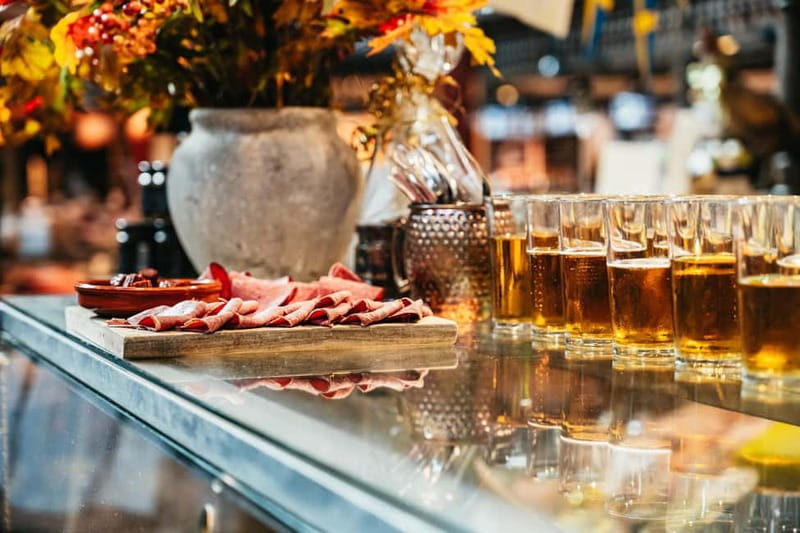
This is not a tour limited to safe, familiar Swedish dishes. In addition to meatballs, mash, cheese, seafood and cinnamon buns, tastings can include moose, reindeer, bear sausage and reindeer heart.
You are not required to love every item, but you should be open to trying something outside your normal menu. Game meats are a major talking point, and the guide can help you understand what you are tasting. The range gives the tour a stronger sense of place than a lineup of internationally familiar foods.
Vegetarians and pescatarians can be accommodated if you provide details when booking. A pescatarian participant was able to try a range of alternatives, including foods they might not have selected alone. Still, dietary planning is not automatic. Repeat your restrictions to the guide at the beginning, and be specific about allergies, gluten and foods you cannot eat.
The tour is not suitable for wheelchair users. Since the walk takes place in all weather, bring weather-appropriate clothing. Rain, cold or slick streets can make the distance feel longer, so practical clothing matters more than looking polished.
Is $112 a fair price?
At $112 per person, this is not a budget lunch. The value depends on how you use it.
If you would otherwise visit several markets, pay for lunch, buy sweets and book a separate city walk, the price compares well. You receive four hours with an English-speaking guide, a full set of tastings that can amount to a full meal and guided sightseeing through central Stockholm and Gamla Stan.
The value is also in avoiding guesswork. You do not need to decide which market counter is worth your money or wonder what an unfamiliar food represents. You get a planned sequence, historical context and a guide who can answer questions.
It is less attractive if you eat very little, avoid meat and seafood without arranging alternatives, or prefer to explore food halls independently. Extra drinks cost more, and you should not expect the price to cover every beverage along the route.
Free cancellation up to 24 hours before the tour and the option to reserve now and pay later make the booking less rigid. Check the available starting time when you book, since the exact departure schedule is not fixed here.
Who should book this Stockholm food walk?
I would choose this tour early in a Stockholm visit. It gives you restaurant ideas, introduces several neighborhoods and helps you recognize Swedish foods during the rest of your stay.
It suits you best if you:
- Want a meal and sightseeing in one four-hour outing
- Enjoy trying unfamiliar meats, seafood, sweets and cheeses
- Like hearing food stories tied to history and culture
- Prefer a guide-led introduction to Stockholm’s markets
- Can walk comfortably in changing weather
- Have dietary needs you can communicate clearly in advance
I would look elsewhere if you need wheelchair access, want a short tasting session or dislike group conversation. The tour is also a poor match if you want complete control over every dish. Its strength is variety, including foods you might not choose for yourself.
Should you book the Swedish Food Guided Walking Tour?
Yes, if you want a generous introduction to Swedish food with a real city walk attached. The strongest reasons are the full-meal portions, the unusual game meats, the seafood lunch, the Old Town route and the guides’ ability to connect food with Swedish culture.
Book it near the start of your stay, arrive hungry and wear dependable shoes. Tell the operator about dietary restrictions when you reserve, then confirm them with the guide. If the idea of reindeer, bear sausage, liquorice, chocolate, seafood and fika in one afternoon sounds like a good challenge, $112 buys much more than lunch. It buys a useful first map of Stockholm’s food culture.
FAQ
Where does the Stockholm food tour begin?
The meeting point is the main entrance of Östermalms Food Hall, at the corner of the square and Humlegårdsgatan.
How long does the tour last?
The walking food tour lasts four hours. Starting times vary, so check availability when booking.
What food is included?
All tastings are included, and the amount is intended to be enough for a full meal. Tastings can include cheeses, cured meats, seafood, meatballs, game meats, chocolate, liquorice, coffee and a cinnamon roll.
Are drinks included?
The food tastings are included. Extra drinks are not included, though drinks can be purchased at some tasting locations.
Can vegetarian or gluten-free diets be accommodated?
Vegetarian and other dietary preferences or restrictions should be provided when booking so appropriate tastings can be arranged. You should also confirm your needs with the guide at the start of the tour.
Is the tour accessible to wheelchair users?
No. The tour is not suitable for wheelchair users. You should also wear comfortable shoes and bring clothing suited to the weather because the tour runs in all conditions.
Just added around the world
- Milan: Street Food Walking Tour★ 4.7 · 180 reviews
- Milan’s Full-Meal Gourmet Food Tour – More Than Tastings★ 4.8 · 81 reviews
- Milan: Delicious Food Tour and City Center Sightseeing★ 4.8 · 111 reviews
- Kolkata Midtown Madness- A Street Food & Nightlife Tour★ 4.9 · 49 reviews
- Mexico City: Authentic Downtown Food Tour★ 4.9 · 260 reviews
- Miami: Intimate Sailing in Biscayne Bay w/ Food and Drinks★ 4.7 · 34 reviews
- Mexico City: Vegan and Vegetarian Street Food Adventure★ 4.8 · 65 reviews
- Mexico City: Mystic Markets La Merced & Sonora Culinary Tour★ 4.9 · 301 reviews
Food Tours in Sweden, compared.
Skip the Line: Disgusting Food Museum Entrance Ticket
Read our review →
Browse the lists this tour appears in