
REVIEW · COLOMBIA
Santa Marta: Guided Walking Food Experience
Santa Marta’s best introduction may be edible: a four-hour walk that moves from the public market to family-run food spots, a serious coffee shop, and a local arepa kiosk. You’ll taste Caribbean Colombian staples while your guide connects the plates to the streets, history, and people around you.
I like the seven-stop format, which gives you a broad sample instead of asking you to gamble on one restaurant. I also like the hands-on arepa de huevo stop and the chance to meet skilled baristas, two details that make this more than a standard sightseeing walk.
The main caution is the amount of food and walking. Four hours can leave you very full, and one final stop may require a longer walk than some people expect. Wear good shoes, pace yourself, and bring water and sunscreen.
Key points to know before booking
- Seven venues in four hours: Expect a steady mix of snacks, fruit, juice, coffee, and substantial local dishes.
- A real look at Santa Marta’s food culture: The route includes the public market, family-owned businesses, and a local arepa kiosk.
- Hands-on arepa de huevo: You get to make this Caribbean Colombian specialty rather than only eating it.
- Guides with local connections: Alberto, Alvaro, and Javier are among the guides named in recent feedback, with Alberto described as a Santa Marta local who knows the city well.
- Good for dietary needs: Vegetarian and vegan preferences can be accommodated when arranged for the tour.
- Plan for heat and a full stomach: Comfortable shoes, sunscreen, and water matter, especially since the tour runs rain or shine.
Santa Marta on a plate
This experience works because it treats food as a way to read the city. You are not simply handed a snack and told its name. You move through the historic center, see familiar landmarks, and stop at places tied to daily life in Magdalena.
The four-hour route includes seven venues, so the rhythm should feel varied. One stop may bring fruit or juice, another a cooked dish, another coffee, and another a street-side specialty. The supplied food includes snacks, fresh juice, coffee or tea, and bottled water, along with the chance to try dishes such as arepa de huevo, cayeye, and patacones.
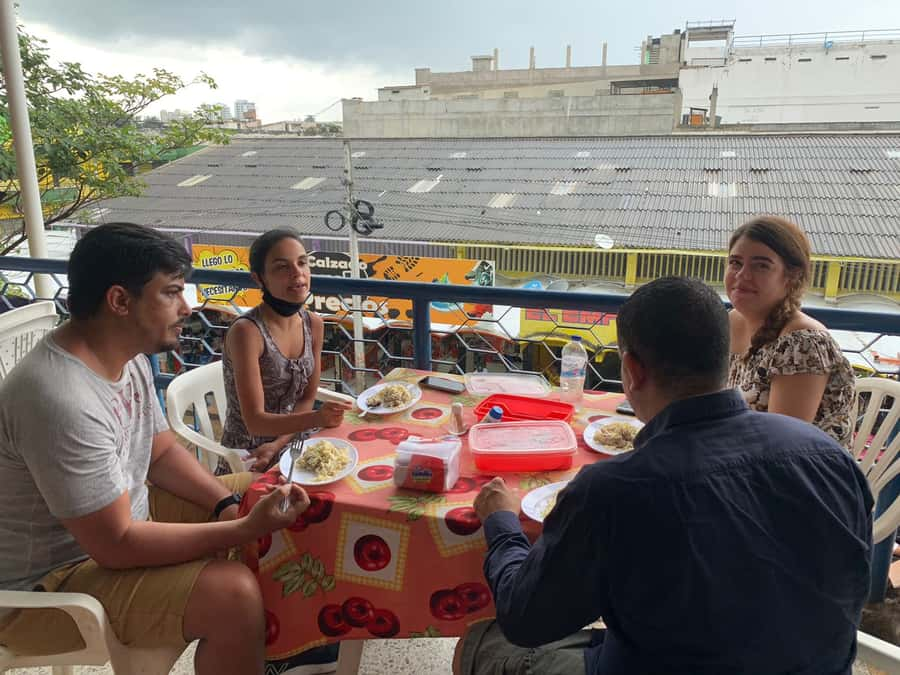
I would not book this expecting a formal restaurant meal. This is a tasting walk. You sample many things, and by the end you may be deciding what to finish and what to save. One Canadian participant found the food so generous that the final meal had to be taken home. That is useful advice: arrive hungry, but not starved.
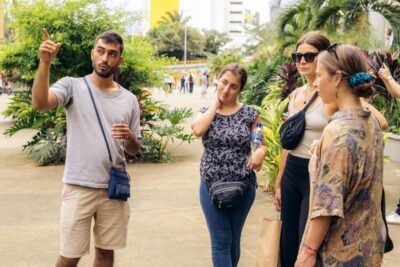
The tour is led in English or Spanish, and the guide is an important part of the experience. Alberto is from Santa Marta and knows the city’s corners well. Alvaro led a walk that mixed local vendors, food, drinks, culture, and history. Javier was praised for his narration and patience, including an explanation of Simon Bovier. Guide assignments can change, so you should not assume a particular person will lead your departure, but the local focus is clear.
More food walks around Colombia:
- The Cali Street Food Walking Tour
★ 5.0 · 81 reviews - Reykjavik Food Walk – Local Foodie Adventure in Iceland
★ 5.0 · 18,952 reviews - New Orleans Food Walking Tour of the French Quarter with Small-Group Option
★ 5.0 · 6,118 reviews
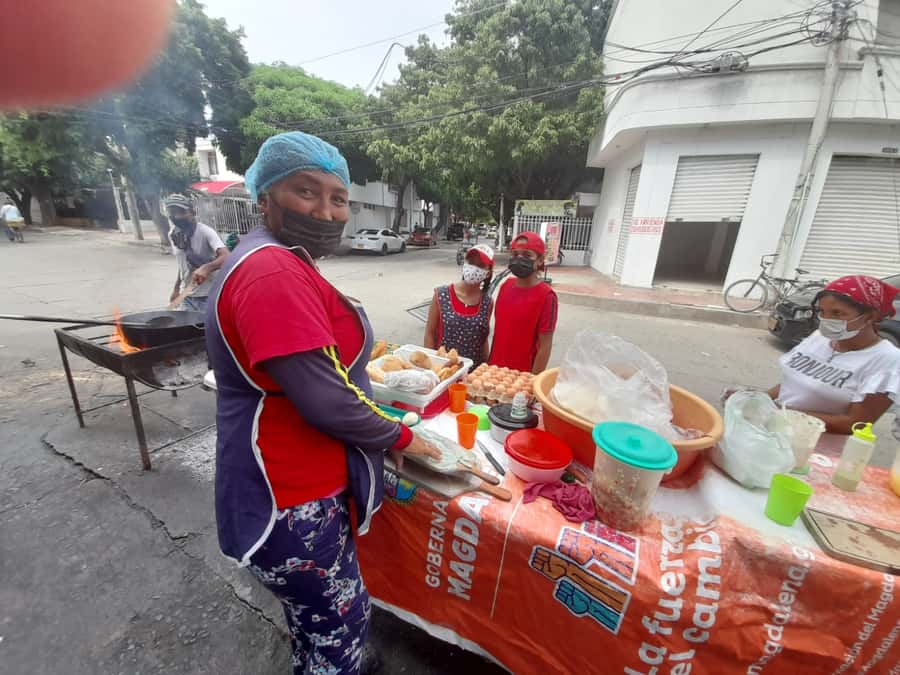
Starting among the market stalls
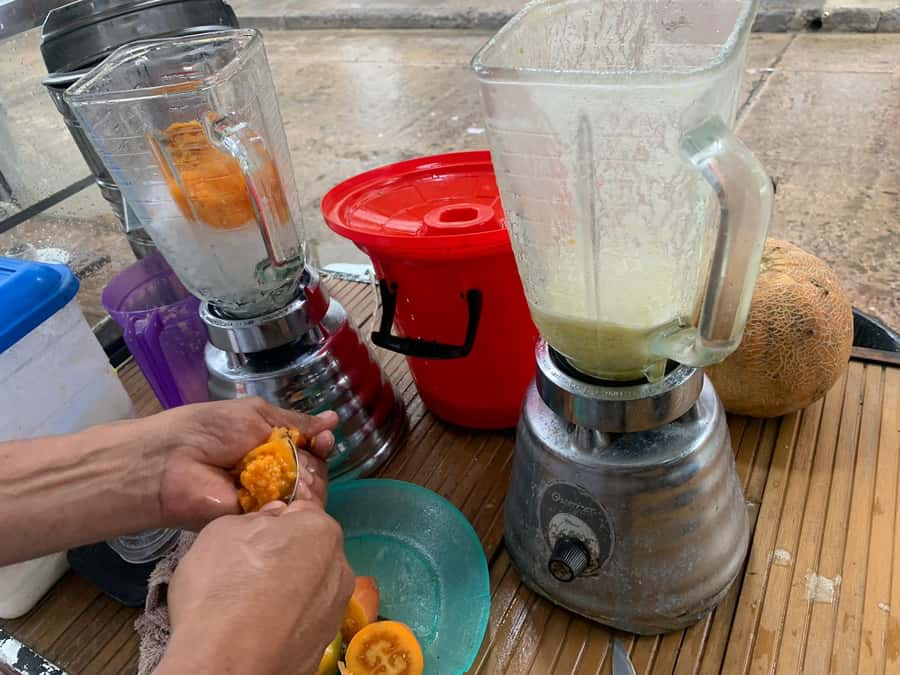
The public market is the right place to begin a food tour in Santa Marta. It gives you a practical view of what people buy, cook, and drink, rather than presenting the city only through polished cafes and tourist restaurants.
You can expect the guide to explain unfamiliar fruits, prepared foods, and local ingredients as you move through the market. This is where trying something you would not order alone becomes useful. A Canadian participant especially valued sampling fruits and foods that would otherwise have been easy to pass by.
The market stop also sets the tone for the rest of the afternoon. You are seeing ingredients in their everyday setting, then encountering some of them again in prepared dishes. That connection helps you understand the food instead of treating each tasting as an isolated bite.
Markets can feel warm, crowded, and visually busy, though this tour information does not specify the exact conditions on the day you visit. Keep your belongings secure as you would in any public market, and wear shoes that can handle several hours on foot.
The cathedral and the old center
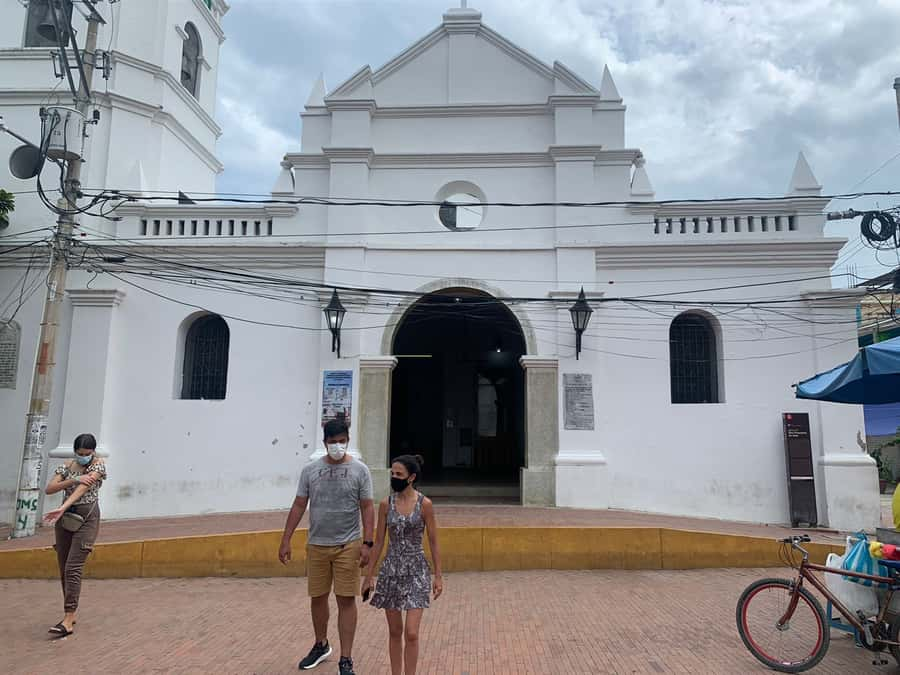
The Catedral de Santa Marta gives the walk a historic marker between food stops. You are not only eating your way through town. You are also seeing one of the city’s notable religious buildings and learning how food, streets, and local stories fit together.
The route focuses on the historical center, which makes the tour a useful first-afternoon activity. You get an introduction to the city while someone else handles the route and explains what you are looking at. If you arrive in Santa Marta without much background, this can help you get your bearings before exploring on your own.
Do not expect a long architectural lecture unless your guide chooses to spend extra time there. The main subject is food, and the cathedral is part of the wider walk rather than a separate guided church visit. That balance suits you if you want context without giving up most of the afternoon to monuments.
The historical explanations can also make the tastings more memorable. One guide’s discussion included Simon Bovier, a detail that mattered to a participant who enjoyed the storytelling as much as the food. The exact stories will depend on your guide, but local narration is built into the outing.
Bahia de Santa Marta and Parque de Los Novios
The route continues through Bahia de Santa Marta and Parque de Los Novios, giving you a change from market lanes and food counters. These stops help break up the tasting schedule and show two recognizable parts of central Santa Marta.
Bahia de Santa Marta gives the walk a waterfront setting. Parque de Los Novios brings you into one of the central city spaces where people gather. Together, they keep the experience from feeling like a series of unrelated eating appointments.
I like this structure because it lets you walk off some of the food before the next tasting. Still, four hours is a long time to be out in the Caribbean heat. The activity runs rain or shine, so sunscreen and comfortable shoes are not optional extras in practical terms. Bring an umbrella if rain is in the forecast.
The route is listed as wheelchair accessible, which is useful for people checking access before booking. The available information does not describe the exact surfaces, slopes, or restroom arrangements, so anyone with particular mobility needs should confirm those details before paying.
A few more food tours around Colombia worth comparing
- Santa Marta A Historical & Street food Experience
★ 4.7 · 41 reviews - Sorrento Farm and Food Experience including Olive Oil, Limoncello, Wine tasting
★ 5.0 · 2,524 reviews - Rome: Gourmet Food Tour with Dinner & Barolo Wine
★ 4.9 · 2,347 reviews - Porto Food & Wine Tasting Tour with Lunch or Dinner Option
★ 5.0 · 2,303 reviews
Arepa de huevo, made at a local kiosk
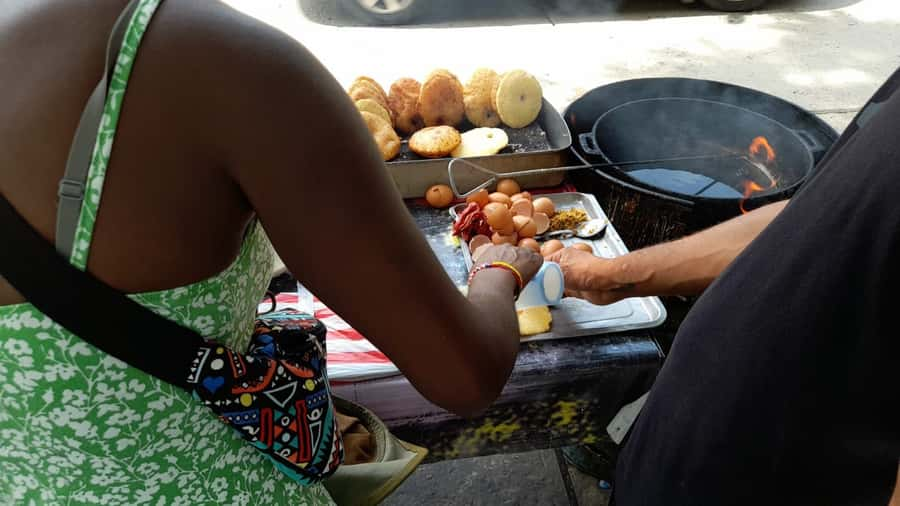
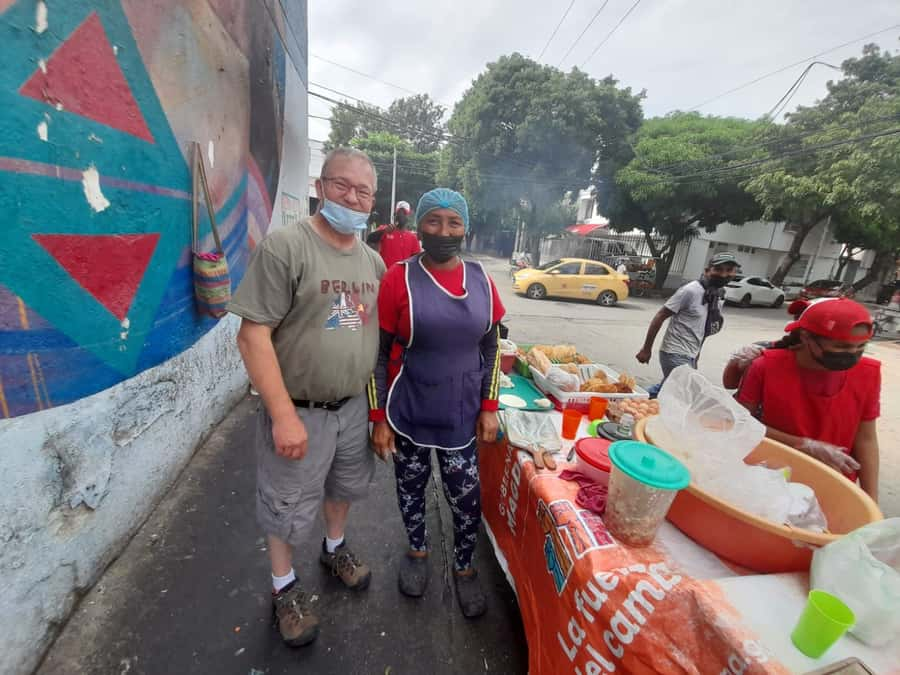
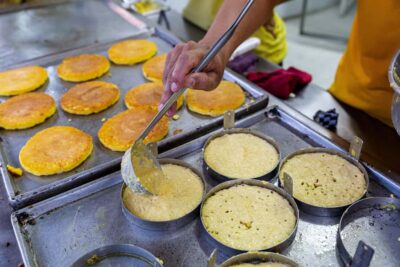
The arepa de huevo stop is one of the most appealing parts of the afternoon. Instead of merely receiving a finished snack, you get to make an arepa de huevo at a local arepa kiosk.
That small hands-on step gives you a better sense of the food. Arepa de huevo is not just a generic corn cake. The name points to the egg inside, and preparing one helps you understand why this dish belongs to the Caribbean side of Colombian cooking.
A kiosk also offers a different setting from a cafe or formal dining room. You are seeing how a familiar local food is prepared and served in an everyday business. The experience provider describes the food stops as family-owned or local businesses, so this part of the tour supports the people who make and sell the food directly.
You should expect a practical activity, not a full cooking class. The main goal is to take part, learn, and eat. If you have a vegetarian or vegan preference, the tour can accommodate those needs, but tell the provider in advance so the stops can be handled properly.
Cayeye, patacones, fruit, and juice
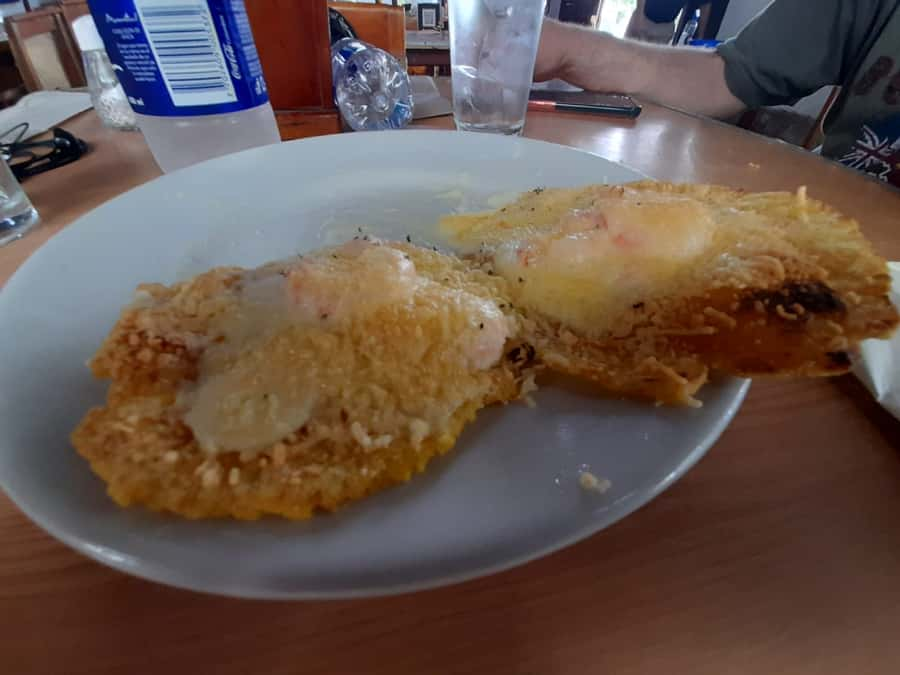
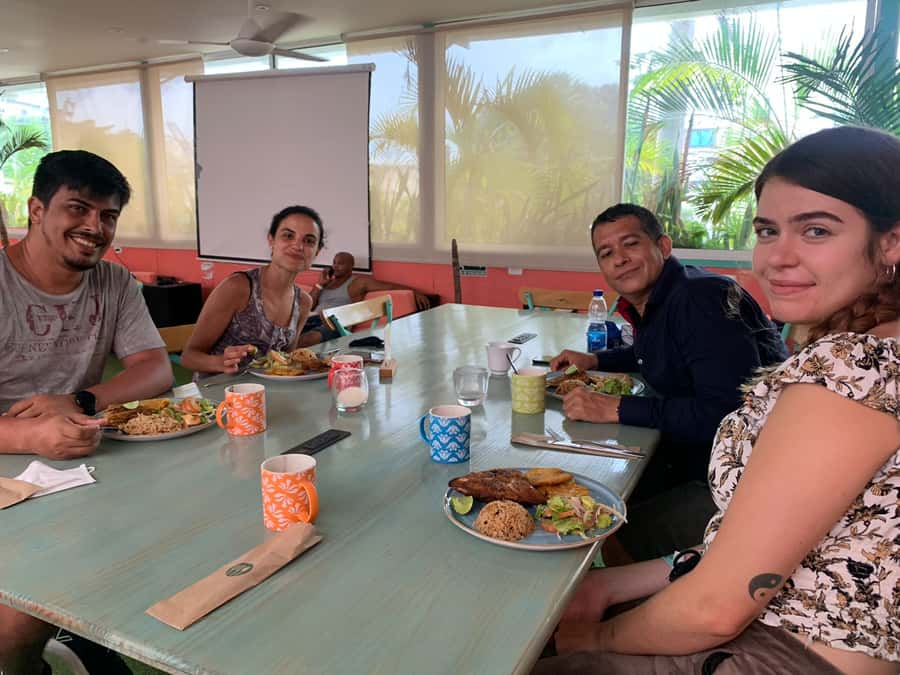
The food selection covers more than one famous dish. Cayeye is included among the specialties, along with fruit, fresh juice, and patacones. This gives you a useful spread of textures and flavors, from fresh and sweet to fried and filling.
Cayeye is particularly valuable to try with a local guide because you may not recognize it from a menu or know how it fits into the region’s cooking. The same goes for patacones, which appear at the final station. The patacones were described as especially tasty, but the walk to that last stop was considered longer than necessary.
That final detail is worth taking seriously. If you are tired, hot, or already full, a longer walk for one last dish may test your patience. On the other hand, a walk can help you make room for the last tasting and may show you a part of the center you would otherwise miss. I would treat the distance as a minor tradeoff, not a reason to reject the tour.
Pacing is the key. There are seven stops, and the food is not limited to tiny decorative samples. You may want to share some portions if you are traveling with a companion, though the supplied information does not promise that every serving can be split. Ask your guide as you go, and avoid filling up at the first two stops.
Coffee with Santa Marta baristas
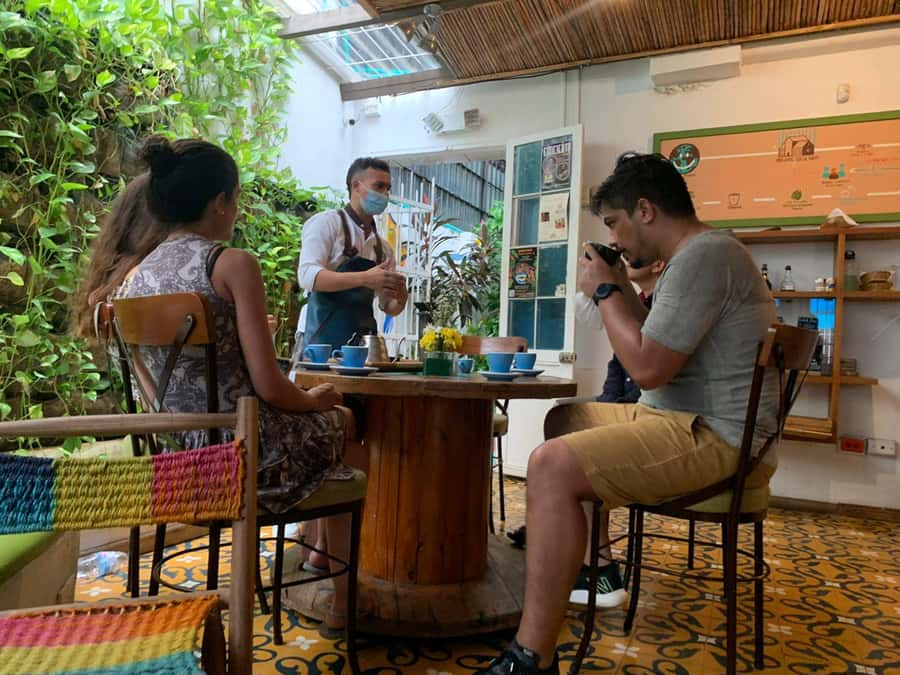
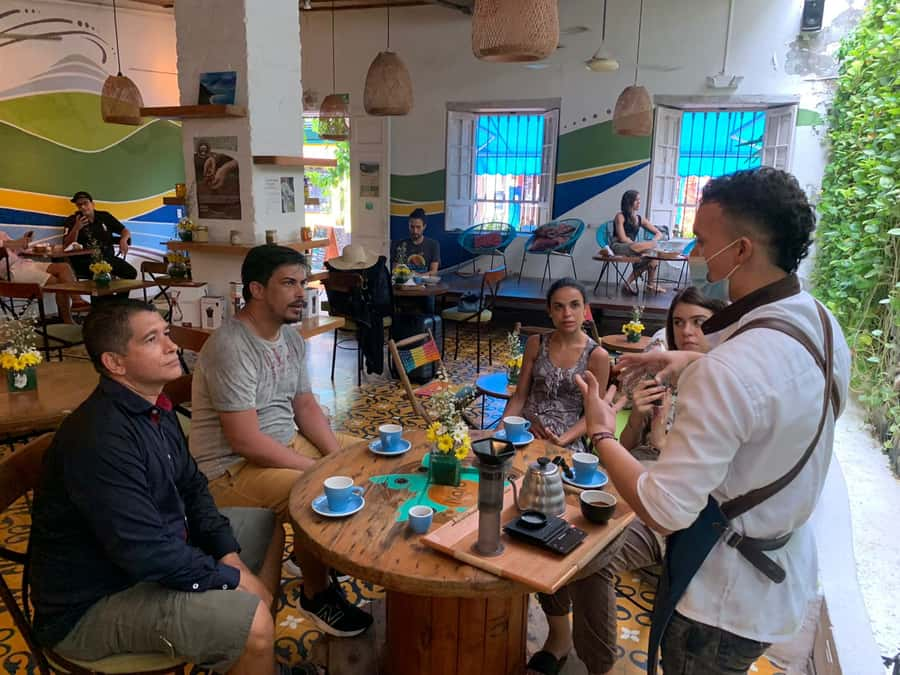
The coffee stop adds a welcome change of pace. You visit what is described as the best barista coffee shop in the area and meet professional baristas from the region. Coffee and tea are included.
This is a strong feature for anyone who likes to understand how a place drinks, not only how it eats. The stop gives you a chance to ask about local coffee service and taste something more carefully prepared than a quick cup grabbed between sights.
The wording about the best coffee shop is promotional, so I would not treat it as an objective ranking. The practical point is that the tour includes a respected local coffee stop and barista contact. If coffee matters to you, this may be one of the most useful parts of the route.
It also creates a sensible pause in a food-heavy afternoon. A coffee stop gives you time to listen, ask questions, and reset before more tastings. If you do not drink coffee, tea is included, though the available details do not specify the full drink menu.
Is $54 a fair price?
At $54 per person, the price is reasonable if you value both food and guiding. You are paying for four hours, seven venues, a live guide, snacks, coffee or tea, bottled water, fresh juice, and several traditional dishes. You are also paying for the route design, local introductions, and the chance to sample food without researching each stop yourself.
The value is strongest for a first visit to Santa Marta. You get a quick introduction to the historic center, market, Bahia, Parque de Los Novios, local food businesses, and coffee culture in one afternoon. You also leave with a better sense of what to seek out later.
It is less compelling if you want one large meal or prefer to explore at your own speed. A self-guided market visit costs less, and you can choose only the foods you want. But you would need to identify the stops, order unfamiliar dishes, explain dietary needs, and provide your own historical context.
Transportation to the meeting point is not included, so add that cost and time when planning your day. The details list bottled water as included but also say water bottles are not included. I would read that as water being supplied during the tour, while extra bottles or personal containers are your responsibility. Bring water anyway, as advised.
The reserve-now, pay-later option and free cancellation up to 24 hours before the activity make the booking easier to fit into a changing schedule. Those policies are useful, but they do not change the basic question: the tour is worth the money when you want a guided tasting rather than a cheap lunch.
Who will enjoy this food walk?
I would recommend this tour to you if you want a first taste of Santa Marta without spending days sorting through menus. It suits curious eaters who like local snacks, market food, fruit, coffee, and a little history in the same outing.
It is also a good fit for people who enjoy meeting small business owners and seeing how food is prepared. The arepa activity makes it more active than a simple tasting line, while the public market and family-owned stops keep the focus on ordinary food culture.
Vegetarians and vegans can be accommodated, which broadens the appeal. You should still state your preference before the tour, since the route includes several prepared foods and not every dish will suit every diet.
Families, older adults, and anyone with mobility concerns should consider the four-hour length and the amount of walking. The tour is listed as wheelchair accessible, but the exact route details are not provided. Comfortable shoes are essential for everyone.
This is not the best choice if you dislike trying unfamiliar food, avoid walking in heat or rain, or want a quiet restaurant meal. It is also not a beer tour. Alcoholic drinks are not included, and beer is specifically excluded.
Practical tips for a better afternoon
Eat a light breakfast or lunch before arriving. You want room for seven stops, but you do not want to start uncomfortable. The amount of food can add up quickly, especially once fruit, juice, coffee, and cooked dishes are included.
Wear cool, comfortable clothing and supportive shoes. Bring sunscreen and water, and carry an umbrella if rain is possible. The tour takes place in all weather, so a wet afternoon will not automatically cancel the walk.
Ask questions early. If you have never tried cayeye, arepa de huevo, or patacones, tell the guide. A local guide such as Alberto, Alvaro, or Javier can give you the context that turns an unfamiliar dish into a useful memory.
Pace your drinks as well as your food. Fresh juice and coffee can be easy to accept at every stop, but you may prefer to choose carefully once you know how much remains.
Keep your afternoon flexible. The tour lasts four hours, and the final patacones stop may involve a longer walk. Do not schedule an important appointment immediately afterward.
Should you book the Santa Marta food experience?
Book it if you want an efficient, guided introduction to Santa Marta through food, markets, and local stories. The strongest reasons are the seven venues, the hands-on arepa de huevo stop, the coffee visit, and the mix of landmarks with family-run businesses.
Skip it if you want a short snack break, a single sit-down meal, or complete control over every dish and stop. The route is full, the walking can be tiring, and you may finish with more food than expected.
For most first-time visitors who enjoy trying local specialties, $54 is a fair price for the range offered. Arrive hungry, wear good shoes, protect yourself from the sun, and let the guide set the pace. That is the best way to get the real value from this four-hour taste of Santa Marta.
FAQ
How long does the Santa Marta food tour last?
The experience lasts four hours. Starting times vary, so check availability when booking.
Which languages are available?
The live tour guide can lead the experience in English or Spanish.
What food and drinks are included?
The experience includes snacks, coffee and/or tea, bottled water, fresh juice, and tastings at seven venues. Foods listed include arepa de huevo, cayeye, patacones, fruit, and other local specialties.
Can vegetarians and vegans join the tour?
Yes. The activity can accommodate vegetarian and vegan preferences. Tell the provider about your dietary needs before the tour.
Is transportation to the meeting point included?
No. Transportation to the meeting point is not included.
What should I bring?
Bring comfortable shoes, sunscreen, and water. Since the tour runs rain or shine, bring an umbrella if rain is expected.
More Walking Tours in Colombia
- Little Havana Food and Walking Tour in Miami
★ 5.0 · 8,882 reviews - Naples: Street Food Walking Tour with Local Guide
★ 4.9 · 4,976 reviews - Greek Food Walking Tour in Athens
★ 5.0 · 4,740 reviews - Barcelona: Tapas Walking Tour with Food, Wine, and History
★ 4.8 · 4,261 reviews
Just added around Colombia
- Totumo Volcano: Colombia’s Ultimate Skin Renewal Journey★ 4.5 · 36 reviews
- Private Cartagena city and street food tour.★ 5.0 · 31 reviews
- Street Food Tour – Live A Unique Gastronomic Experience★ 5.0 · 34 reviews
- The Cali Street Food Walking Tour★ 5.0 · 81 reviews
- PALOQUEMAO MARKET FOOD TOUR. EXOTIC FRUIT. LOCAL SNACKS. /Min 2 pax★ 5.0 · 70 reviews
- Food Tour in La Candelaria Bogotá★ 5.0 · 63 reviews
- Street Food Tour in Bogotá with Tastings★ 5.0 · 34 reviews
- Bogota´s Gastronomic Wonders – Experience the best traditional food★ 4.5 · 30 reviews
Food Tours in Colombia, compared.
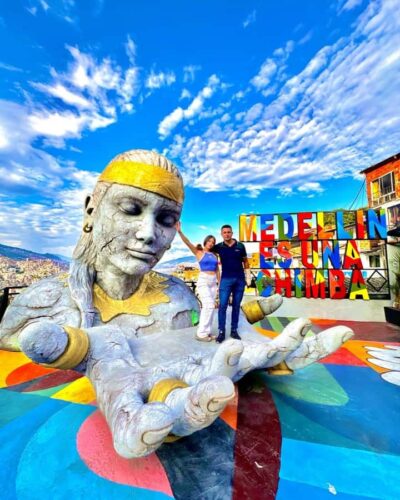
Medellín: Comuna 13 True Story and Street Food Tour
Read our review →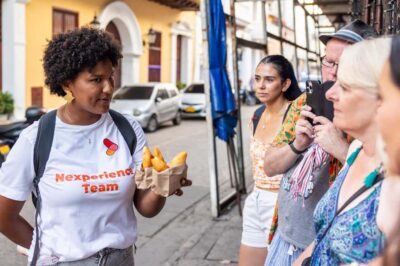
Cartagena: Guided Street Food Tour with Tastings
Read our review →
Street Food and Poblado Rooftop Tour with a Local
Read our review →
Browse the lists this tour appears in