
REVIEW · BANGKOK
Bangkok: Talad Noi Hidden Gems & Street Food Adventure
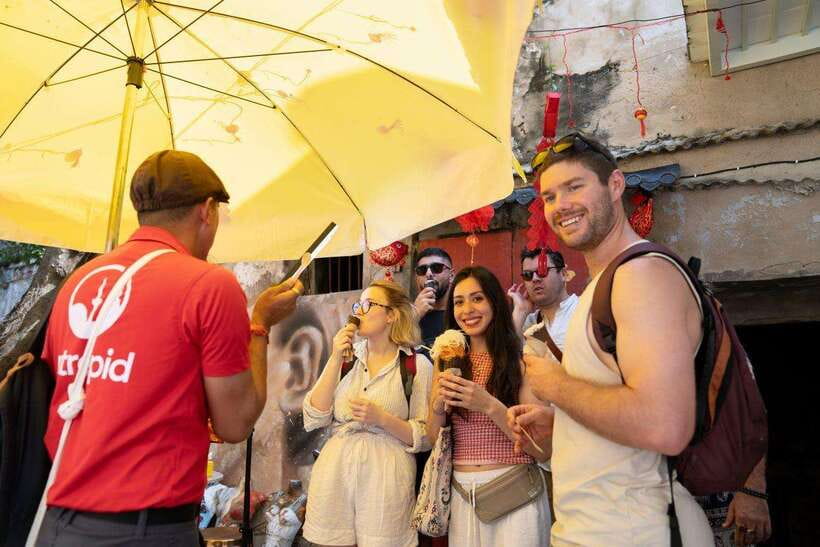
Talad Noi is the kind of Bangkok neighborhood best understood on foot, one snack and one narrow lane at a time. This Thai-Chinese food walk links old shrines, a 1787 church, street art, and riverside cafés in about 2 km. The food is not a side note. It is the main event.
I like the mix of turnip cake, chwee kueh, duck noodles, and pad Thai, since these dishes show how Chinese and Thai cooking meet in this part of the city. I also like the small group size, which gives your guide room to answer questions and adjust the pace. The main drawback is that anyone expecting a long, detailed tour of old Chinatown may find the Chinatown section brief and the historical commentary somewhat light.
Key points at a glance
- A food-first walk: Sample Chinese and Thai dishes including turnip cake, chwee kueh, chao tha duck noodle soup, and Uncle Pom’s pad Thai.
- Two important religious sites: See Holy Rosary Church, built in 1787, and the 200-year-old Chow Sue Kong Shrine.
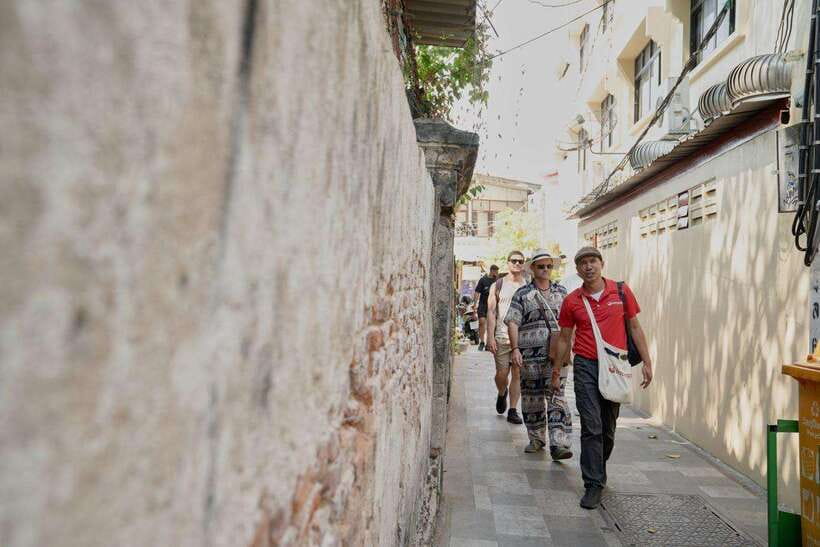
- Only 2 km of walking: The route is manageable, though narrow lanes and food stops make the total outing last 2.5 to 4.5 hours.
- A small group of up to 12: Private tours are also available, and small numbers help with questions and food preferences.
- A useful starting point: Meet at River City Gate 1, in front of Starbucks on the first floor.
- Vegetarian help is available: Tell the operator at least 24 hours ahead. Other dietary needs cannot be accommodated.
Why Talad Noi makes a better food walk than a standard Chinatown tour
Many visitors see Bangkok’s Chinatown as a place for neon signs, crowded roads, and famous restaurants. Talad Noi gives you a different angle. Its narrow lanes pass old Chinese shrines, homes, workshops, painted walls, and small cafés before the route reaches Chinatown.
This tour makes food the thread that ties the area together. You are not simply stopping for a snack after a sightseeing visit. You are tasting dishes that reflect the neighborhood’s Chinese roots and Thai daily life. That makes the experience useful early in your Bangkok stay, especially if you want a guide to explain what you are eating.
At $41 per person, the value depends on how much you eat independently. The fee includes a local English-speaking guide, the walking tour, several food samples, and drinks such as coffee, tea, or boba tea. It also covers visits to Holy Rosary Church and Chow Sue Kong Shrine. If you bought each snack yourself, you would pay less, but you would miss the explanations, introductions, and route planning.
I see the price as fair for a guided half-day outing, particularly if you receive the full range of tastings. It is less compelling for someone who already knows Bangkok’s food stalls and prefers to explore without a schedule.
More Food Tours in Bangkok
- Bangkok by Night: Temples, Markets and Food Tuk-Tuk Tour
★ 5.0 · 3,752 reviews - Bangkok: Backstreets Food Tour with 15+ Tastings
★ 4.9 · 2,880 reviews - Bangkok Midnight Food Tuk Tuk Tour
★ 5.0 · 2,542 reviews
Starting at River City and entering Talad Noi
The meeting point is River City Bangkok, at Gate 1 in front of Starbucks on the first floor. This is a clear place to begin, but give yourself enough time to find the correct entrance. The walk finishes at Si Phraya, so you should not plan on ending at the same place where you started.
From River City, the guide leads you toward Talad Noi. The tour covers about 2 km, but the time varies from 150 to 270 minutes. That wide range makes sense for a food walk. A quick group may finish closer to two and a half hours, while a slower group with longer explanations and food stops can take much longer.
The distance is not demanding by Bangkok standards. The practical challenge is the setting. You will be walking through narrow lanes and stopping at local food places, so comfortable shoes and a relaxed attitude matter more than speed. This is not a sightseeing bus route with long periods of sitting.
The group limit of 12 is important here. Small lanes and modest food stops are easier to manage with fewer people. If you want the guide’s full attention, a private option is available.
Holy Rosary Church, built in 1787
One of the first major stops is Holy Rosary Church, an unusually old Catholic church for Bangkok. Built in 1787, it reflects the long presence of foreign and Chinese communities along the Chao Phraya River.
The church gives the walk a useful change of pace. Instead of moving from one food stall to another, you pause to consider how many communities have shaped Talad Noi. The building is also a reminder that Bangkok’s older neighborhoods were connected by the river, trade, faith, and migration.
Your guide provides the visit rather than leaving you to inspect the church without context. The amount of detail can depend on the person leading your group. Guides including PK, Bebe, and Nana have received especially warm feedback for friendly conversation, clear English, and good answers to questions.
You should think of this as a meaningful stop within a neighborhood walk, not a full architectural tour. The supplied route information does not promise extended interior access or a long religious history lecture. The church is valuable because it widens your view of Talad Noi beyond food and Chinese culture.
Turnip cake and chwee kueh: the food starts to explain the neighborhood
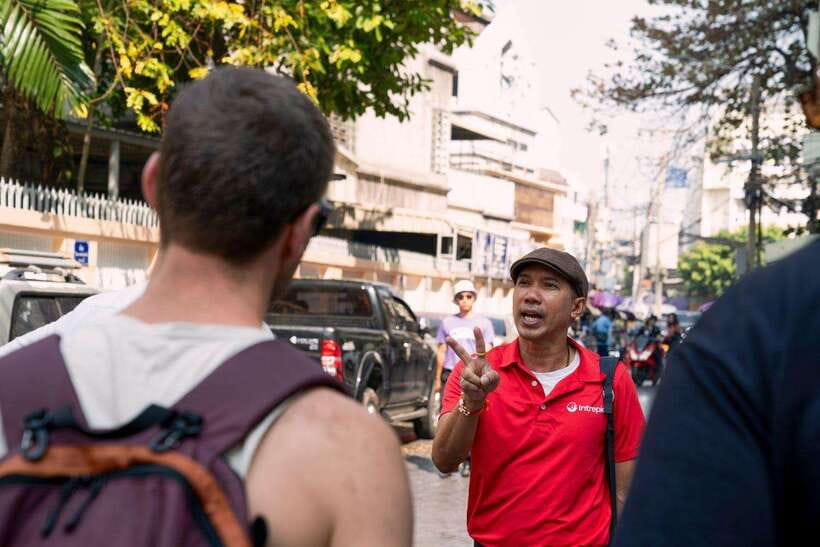
The tastings are the heart of this experience. Two especially distinctive items are turnip cake and chwee kueh.
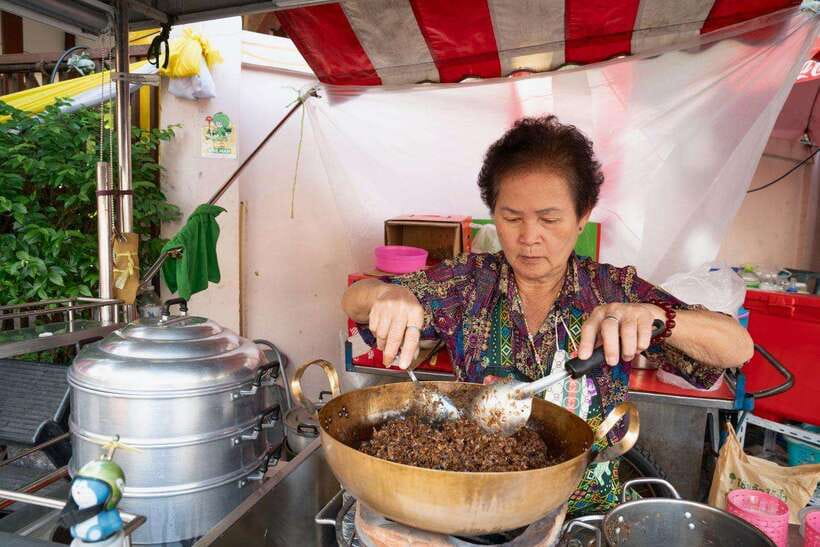
Turnip cake is a Chinese dim sum dish, usually made with rice flour and preserved radish. Chwee kueh is a steamed rice cake topped with preserved radish. These are not the most obvious first choices for someone scanning a Bangkok menu, which is exactly why a guide helps.
You get a chance to try foods with Chinese roots in a Bangkok setting rather than simply ordering familiar pad Thai. The preserved radish gives both dishes a strong, savory character. If you are new to Southeast Asian snacks, you may find the flavors more intense than expected.
The tour also includes chao tha, a duck noodle soup, and pad Thai from Uncle Pom. This gives you a broader spread. You move from steamed rice dishes to noodles, soup, and a famous Thai stir-fry. Drinks can include coffee, tea, or boba tea.
The exact selection may vary, so do not treat the food list as a fixed restaurant menu. Additional food and drinks are not included, and you may want to budget for extra purchases if something catches your attention.
One useful tip: do not eat a large meal before you arrive. The experience is primarily a food tour, and that is easy to misunderstand if you focus only on the church and shrine visits. Arrive hungry enough to sample several portions, but not so hungry that you rush the walking and explanations.
More off-the-list food tours in Bangkok:
- Alicante: Secret Flavors Food Tour
★ 4.8 · 1,514 reviews - Southern & Secret Walking Food Tour
★ 4.5 · 1,413 reviews - Edinburgh Food Tour with Scotch, Haggis, a Secret Dish & More
★ 5.0 · 1,172 reviews - Rome Food Tour: Hidden Gems of Trastevere with Dinner & Wine
★ 5.0 · 1,166 reviews
Street art and a riverside café pause
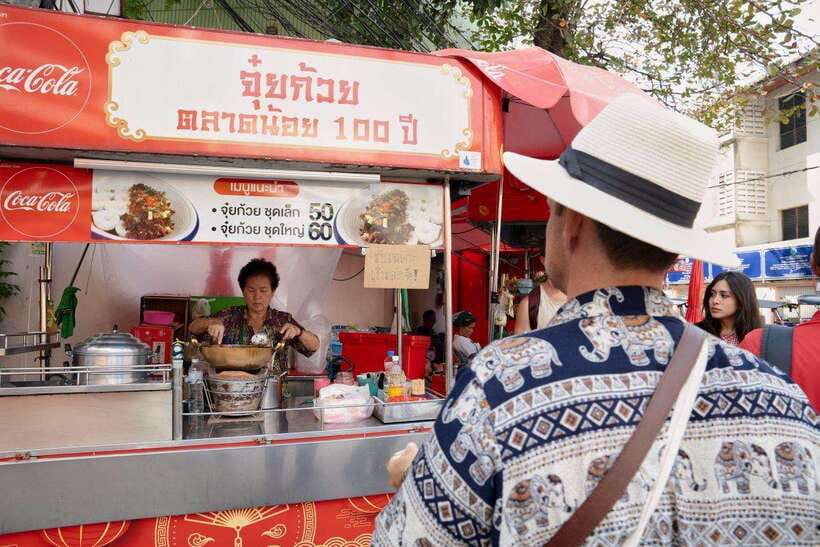
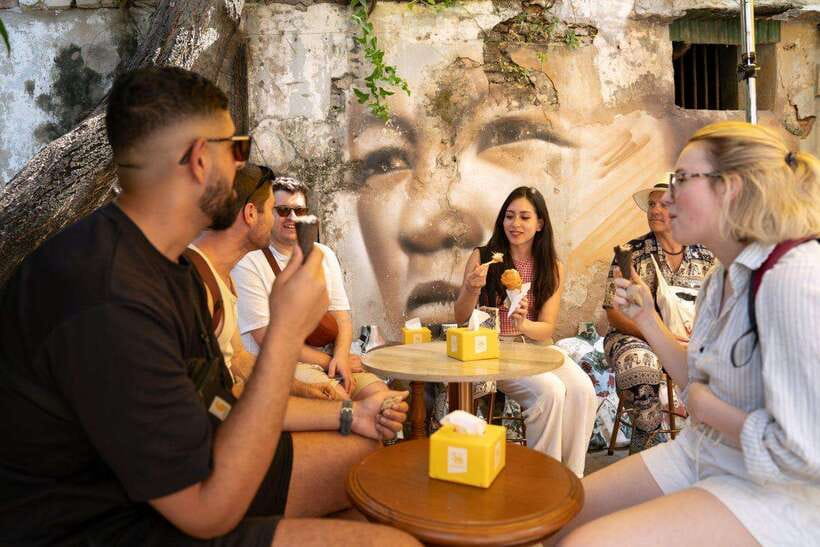
Talad Noi’s street art adds a modern layer to the old lanes. Painted walls and decorated surfaces make the route more than a sequence of historic buildings and food stops. They also create natural pauses where your guide can point out how the neighborhood has adapted to new attention without losing its older character.
The tour includes time around riverside cafés, including a guided stop at Hong Sieng Kong. The café break gives you a chance to sit down, drink something, and let the pace settle. On a walk that combines food, lanes, religious sites, and stories, that pause is welcome.
I would not book this outing solely for large-scale murals or a major café visit. Those elements support the neighborhood experience rather than define it. Their value is in showing you another side of Talad Noi, one that feels less formal than a museum and less hurried than a main road.
Chow Sue Kong Shrine and its Chinese character
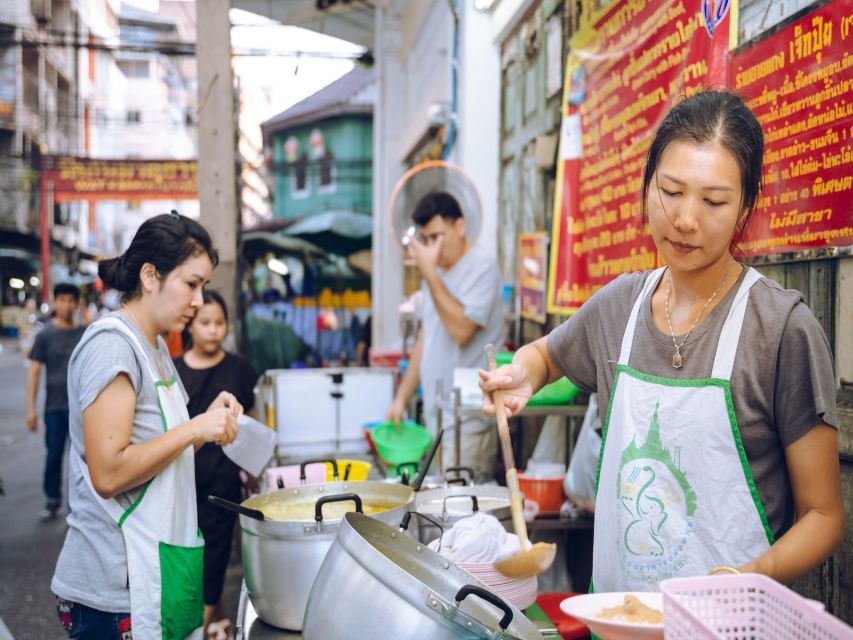
The Chow Sue Kong Shrine, also known as Shun Xing Gong or 順興宮清水祖師爺, is about 200 years old. Its architecture and religious details offer a closer look at the Chinese traditions that remain part of Talad Noi.
This is one of the strongest cultural stops because the shrine is not simply an old building placed on a sightseeing route. It connects the area’s Chinese identity with living worship. Your guide can explain what you are seeing and answer basic questions about the shrine’s role.
Expect intricate details rather than a huge complex. The visit is compact, which works well on a walking route. You do not need to set aside half a day for one site, and the stop fits naturally between food tastings and neighborhood lanes.
The depth of the explanation will depend on your guide. Some guides have been praised for sharing many stories about the temple and for making the visit feel personal. If you want a specialist-level study of Chinese religious architecture, this is not that. If you want a clear introduction while walking through the area, it fits well.
Hong Sieng Kong and the move toward Chinatown
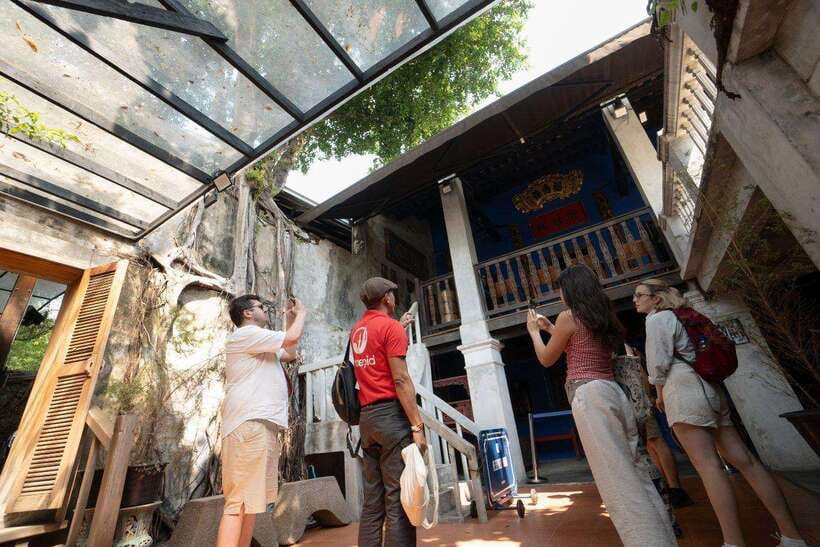
Hong Sieng Kong provides the riverside café element of the tour. Here, the emphasis is less on checking off a monument and more on taking a breather in a setting tied to the riverfront.
That stop also helps break up the food route. You can drink coffee, tea, or boba tea and talk with your guide. In a private group, this may be a good point to ask about restaurants, neighborhoods, or other parts of Bangkok, although the tour’s stated inclusions focus on the Talad Noi route.
The final movement takes you toward Bangkok’s Chinatown. This is where old streets meet newer shops, food businesses, and modern street culture. The route gives you an introduction rather than an exhaustive survey.
One important expectation matters here: you are not getting a full Chinatown day. The tour begins in Talad Noi and ends at Si Phraya, with Chinatown as the final part of a longer neighborhood walk. If your main goal is to explore every lane, market, and temple in Yaowarat, reserve more time elsewhere.
What the small group changes
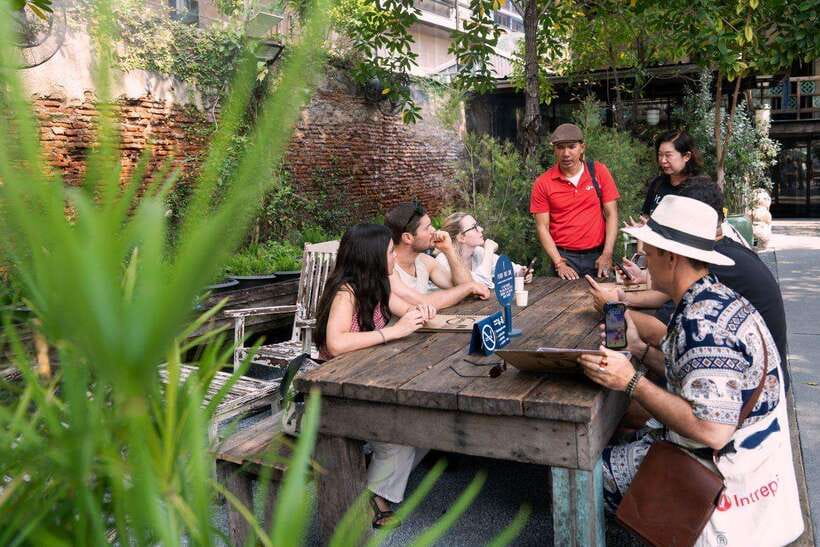
A maximum of 12 people is a real advantage in Talad Noi. The lanes are narrow, the food stops are local in scale, and large groups can easily become awkward. With fewer people, you can hear the guide and ask about unfamiliar dishes without holding up a crowd.
Small groups also make the food experience more flexible. One pair who joined a very small departure found that the guide could respond to their questions and food wishes. That kind of attention is harder to provide when a guide is managing a large party.
Private groups are available if you want more control over the pace. This could matter if you are traveling with family or friends and want a more conversational walk. Children under eight are not suitable for this activity, so families with young children should choose another Bangkok experience.
The guide’s personality matters. PK has been praised for combining cultural explanations with food stops. Bebe has been described as a warm companion with strong English and thoughtful answers. Nana has also been praised for friendliness and excellent English. These names show the level of personal contact you can hope for, but guide assignments can change.
Food, fitness, and timing advice
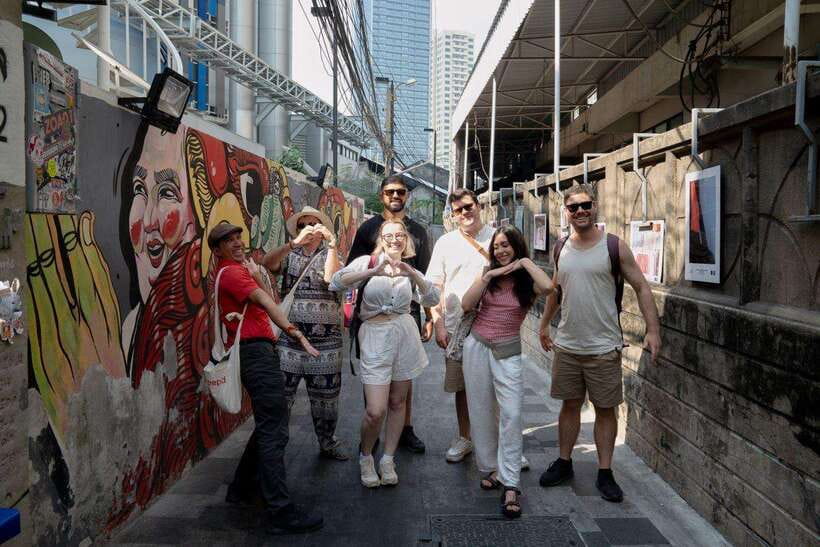
The walk is only 2 km, but the total time can reach four and a half hours. You should plan around the full duration rather than assuming the distance tells the whole story. Food tastings, church and shrine visits, café time, and explanations all add minutes.
Wear shoes you can walk in comfortably. You do not need serious hiking gear, but the route is on foot through narrow urban lanes. The experience may be less comfortable if you need frequent access to large indoor spaces or dislike stopping at compact local food places.
Vegetarians can be accommodated if you provide the information at least 24 hours before the tour. Other dietary requirements are not supported according to the available details. If you have allergies or strict restrictions, do not assume the guide can adjust the menu.
The tour is conducted in English. It is also carbon neutral and operated by a B Corp certified company, which may matter to you if responsible tourism is part of your booking decision. That certification concerns social and environmental practices, but it does not change the route or the food list.
Free cancellation is available up to 24 hours before the start time, and you can reserve now and pay later. Check the available starting times when booking, since the duration and departure schedule can vary.
Who should book this Talad Noi walk?
I would recommend it to you if you want three things in one outing: local food, neighborhood history, and an easy introduction to Bangkok’s Chinese heritage. It is especially useful near the start of a Bangkok visit, when a guide can help you recognize dishes and understand the city’s older river communities.
It suits curious eaters who want more than familiar pad Thai. The turnip cake, chwee kueh, duck noodles, and drinks give you a broad sample, while the church and shrine stop the outing from becoming a simple snack crawl.
You may want to skip it if you are looking for a serious Chinatown architecture tour, a large number of temple visits, or a fixed gourmet menu. One person found the Chinatown portion too shallow, and that is a fair concern. The tour gives you a taste of the old quarter rather than a complete study of it.
Should you book it?
Book this tour if you want a friendly, food-led introduction to Talad Noi and prefer a guide to lead you through unfamiliar lanes. The best reasons are the small group, the unusual Chinese-Thai tastings, and the balance of church, shrine, café, street art, and food.
Before booking, eat lightly, share vegetarian needs at least 24 hours ahead, and set your expectations correctly. You are buying a neighborhood walk with substantial food sampling, not a full-day Chinatown history course. At $41, it is good value for that particular mix, especially when your guide is as engaging as PK, Bebe, or Nana.
FAQ
Where does the Talad Noi tour begin?
It begins at River City Bangkok, at Gate 1 in front of Starbucks on the first floor.
Where does the tour finish?
The walk finishes at Si Phraya.
How long does the experience last?
The stated duration is 150 to 270 minutes, or about two and a half to four and a half hours.
How far do you walk?
The route covers about 2 km, or 1.2 miles, through Talad Noi and toward Chinatown.
What food is included?
Included samples can include turnip cake, chwee kueh, chao tha duck noodle soup, and Uncle Pom’s pad Thai.
Are drinks included?
Yes. Drinks such as coffee, tea, and boba tea are included.
Can vegetarians join the tour?
Yes, vegetarian requirements can be accommodated if you provide the information at least 24 hours before the tour.
Can the tour accommodate other dietary requirements?
No other dietary requirements are listed as available for accommodation.
Is the tour offered in English?
Yes. The tour has a live English-speaking guide.
Is a private tour available?
Yes. A private group option is available, in addition to the small group format of up to 12 people.
What age is this tour suitable for?
Children under eight are not suitable for this activity.
Can I cancel for a full refund?
Yes. You can cancel up to 24 hours in advance for a full refund.
Can I reserve now and pay later?
Yes. The reserve-now, pay-later option lets you book without paying immediately.
More Street Food Tours in Bangkok
- Bangkok: Michelin Guide Street Food Tour by Tuk Tuk
★ 4.4 · 1,274 reviews - Bangkok Tuk-Tuk Tour by Night with Chinatown Street Food Meal
★ 5.0 · 635 reviews - Bangkok: E-Scooter Night Tour with Local Street Food
★ 4.8 · 488 reviews - Bangkok Tuk-Tuk by Night with Chinatown Street Food Meal
★ 4.6 · 263 reviews
Just added around Bangkok
- Local Life, Culture & Food Walking Tour at Chinatown★ 4.7 · 119 reviews
- From Bangkok: Maeklong Railway and Floating Market Food Tour★ 4.9 · 224 reviews
- Bangkok: Street Art and Street Food Walking Tour★ 4.1 · 58 reviews
- Bangkok Tuk-Tuk by Night with Chinatown Street Food Meal★ 4.6 · 263 reviews
- Bangkok Night Tour: Food, Temple & Tuk-Tuk★ 4.7 · 94 reviews
- Bangkok: Street Food Tasting Tour at Night★ 4.4 · 48 reviews
- Bangkok: Mojjo Rooftop Lounge & Bar Food & Beverage Package★ 5.0 · 47 reviews
- Bangkok Street Food and Night Lights by Tuk Tuk★ 4.6 · 49 reviews
Food Tours in Bangkok, compared.
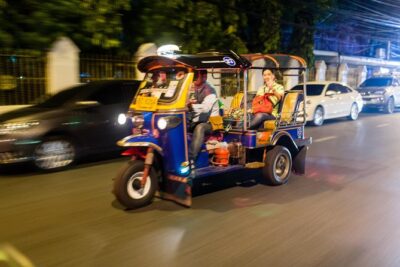
Bangkok by Night: Temples, Markets and Food Tuk-Tuk Tour
Read our review →
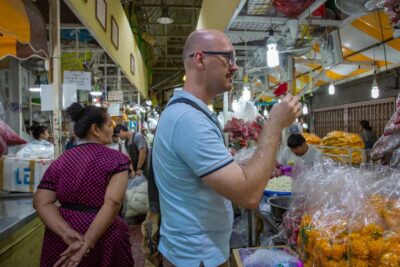
Markets, Temples and Food Night Tour by Tuk Tuk
Read our review →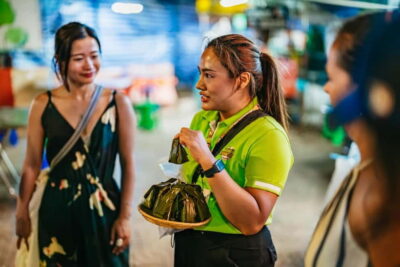
Bangkok Backstreets Food Tour with 15+ Tastings
Read our review →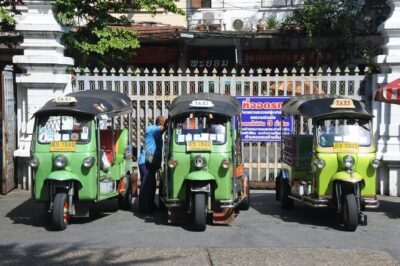
Browse the lists this tour appears in