
REVIEW · GERMANY
Munich: Viktualienmarkt & Altstadt Food Tour
Munich’s best food story unfolds at street level, from an Isartor welcome drink to the market stalls of Viktualienmarkt. You’ll pass the Hofbräuhaus, Marienplatz, and other old-town landmarks before eating your way through Bavarian classics and international treats.
I like the mix of short walking tour and real tastings, and I like that the food is tied to places you see along the way. The guides also earn strong marks for making the history lively, with guests praising the humor, clear storytelling, and warm manner. The main drawback is the price: $671 for a private group of up to five is a serious splurge for only two hours.
Key points to know before booking
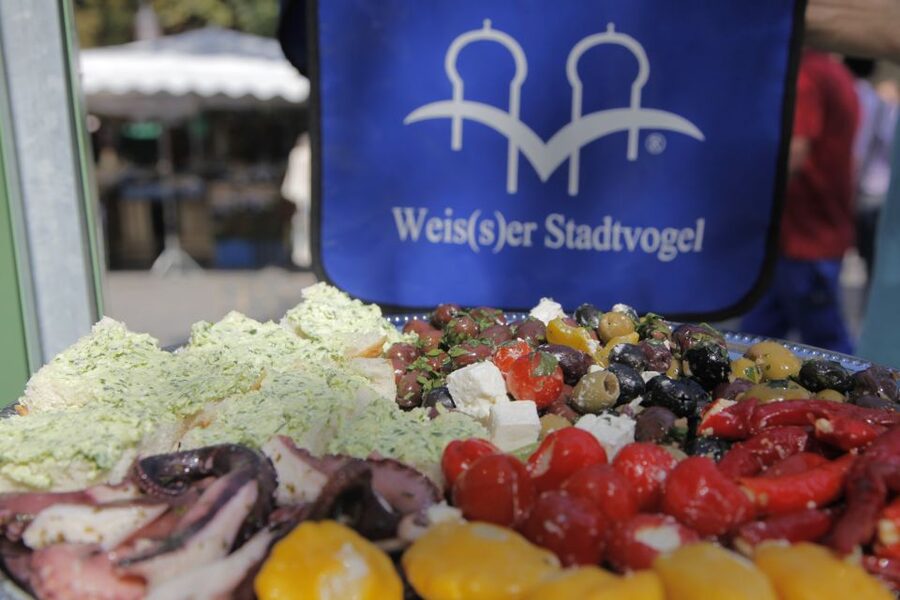
- Eight market tastings bring together Bavarian specialties, baked goods, pickles, and other regional or international flavors.
- The route links food with Munich landmarks, including the Hofbräuhaus, Alte Münze, Alte Hof, Marienplatz, Rindermarkt, and Jakobsplatz.
- The Viktualienmarkt stops are highly specific, with a butcher’s Leberkässemmel, a pretzel, a Sauren Ecke gherkin, and Café Frischhut’s Schmalznudel.
- The tour is private, so your group of up to five gets a guide rather than joining a large crowd.
- The food is hearty rather than delicate, which makes this a good introduction to Bavarian eating but less useful if you want a full restaurant meal.
- English and German tours are available, with free cancellation up to 24 hours before the start and a reserve-now, pay-later option.
From Isartor to Munich’s old town table
The tour begins at Isartor with a cosmobiological welcome drink. That phrase may sound unusual, but the practical point is simple: you start with a small drink before walking into the old town.
From there, your guide leads you through central Munich on foot. The walk is not just filler between food stops. It gives you a useful first look at the city’s layout and connects the market meal to places you might otherwise pass without much context.
You’ll visit or pass several important sites:
- Platzl and the famous Hofbräuhaus
- Alte Münze
- Alte Hof
- Marienplatz
- Rindermarkt
- The synagogue on Jakobsplatz
- Viktualienmarkt
I like this setup because the food arrives with a sense of place. You are not simply handed a list of snacks in a market. You see the streets, squares, and buildings that make up Munich’s old center, then finish among the stalls where many locals shop and eat.
The walk lasts two hours in total, so you should expect a compact introduction rather than a slow, in-depth city tour. You will have time to hear stories and sample food, but not enough time to linger at every landmark or browse every market stand.
More Food Tours in Munich
- Bavarian Beer and Food Evening Tour in Munich
★ 4.5 · 1,575 reviews - Munich: Viktualienmarkt Food Tour
★ 4.5 · 1,127 reviews - Munich: Beer and Food Tour with Dinner & Oktoberfest Museum
★ 4.7 · 1,086 reviews
Platzl, Hofbräuhaus, and the old-city route
The first stretch takes you through some of Munich’s most recognizable central locations. Platzl is home to the Hofbräuhaus, one of the city’s best-known beer halls. Even if you do not plan to eat there, seeing it as part of the route helps place Munich’s beer culture within the old town.
The route also includes the Alte Münze and Alte Hof. These stops add older layers to the walk and keep the tour from becoming only a beer-and-sausage outing. You get a wider view of Munich, with food as the thread connecting the buildings and streets.
At Marienplatz, you are in the city’s central square. The tour does not promise a long stop for every sight, so I would treat this as a guided orientation. If you want detailed architectural time or a chance to watch the famous clock performance, you should plan a separate visit around the tour.
Rindermarkt and Jakobsplatz continue the walk through the old center. The synagogue at Jakobsplatz adds an important modern religious and cultural point to a route otherwise full of medieval and early modern sites. A good guide can make these transitions feel natural, and the feedback on the guiding is especially strong. Several German-speaking guests describe the presentation as interesting, funny, and never dry.
Viktualienmarkt, where the meal begins
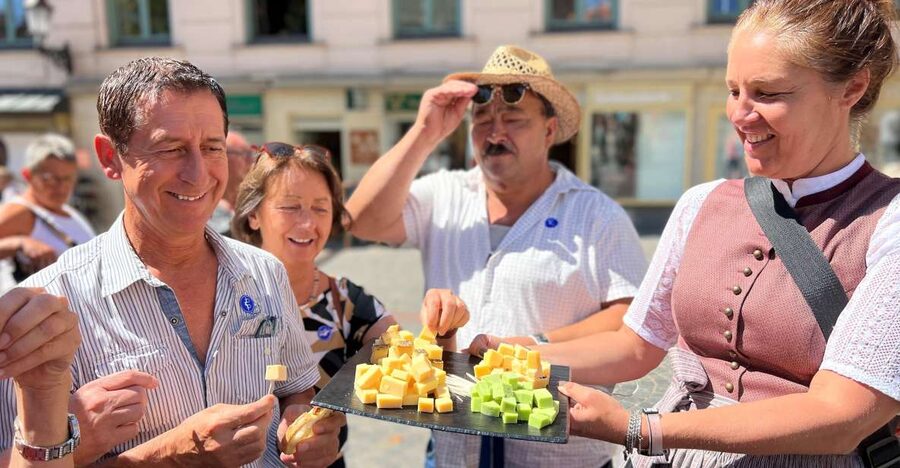
The main food portion takes place at Viktualienmarkt, Munich’s central food market. Here, the tour shifts from walking and explanation to tasting. You will visit eight market stalls and sample both regional and international delicacies, though the included items listed for the tour focus heavily on Bavarian favorites.
The market is a good place for this kind of introduction because you can see food being sold in its everyday setting. You are not tasting a fixed restaurant menu. You are trying small portions connected to specific vendors and traditions.
Your first substantial bite is a Leberkässemmel from the market butchers. This is a Bavarian meatloaf sandwich, usually served in a bread roll. It is filling, savory, and very much a quick market meal rather than a refined tasting-course dish.
That distinction matters. If you enjoy sturdy comfort food, this will likely be one of the most satisfying stops. If you prefer light or highly varied samples, the meatloaf sandwich may feel heavy early in the tour. The supplied comments give the food positive attention, with one short review focusing simply on the eating itself. That fits the nature of this experience: the food is not decorative. It is direct and substantial.
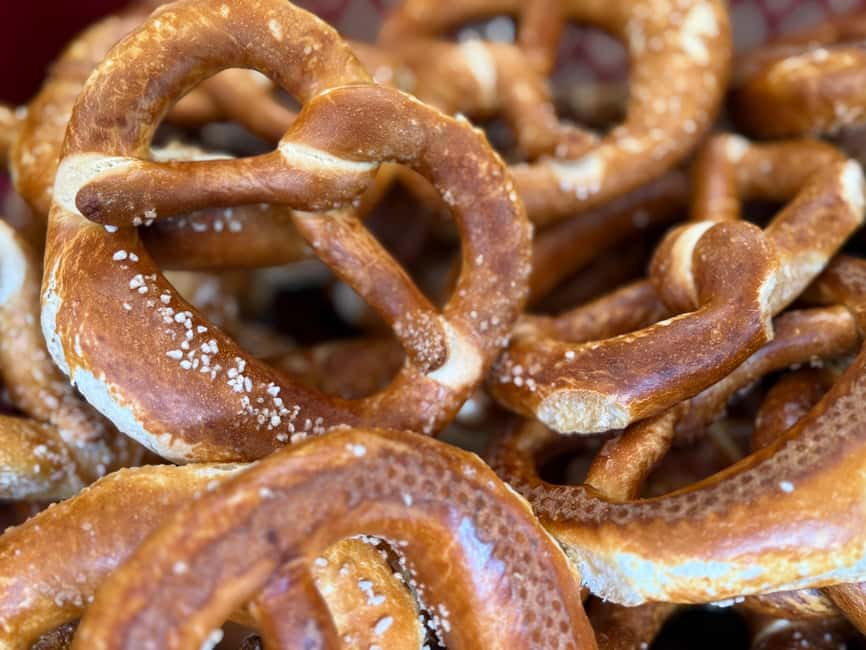
You also receive a freshly baked pretzel. In Munich, the pretzel is not merely a snack to fill time. It is one of the clearest ways to understand the city’s casual bakery culture. Expect something simple, familiar, and useful alongside the richer meatloaf sandwich.
The Sauren Ecke pickle and the Maibaum
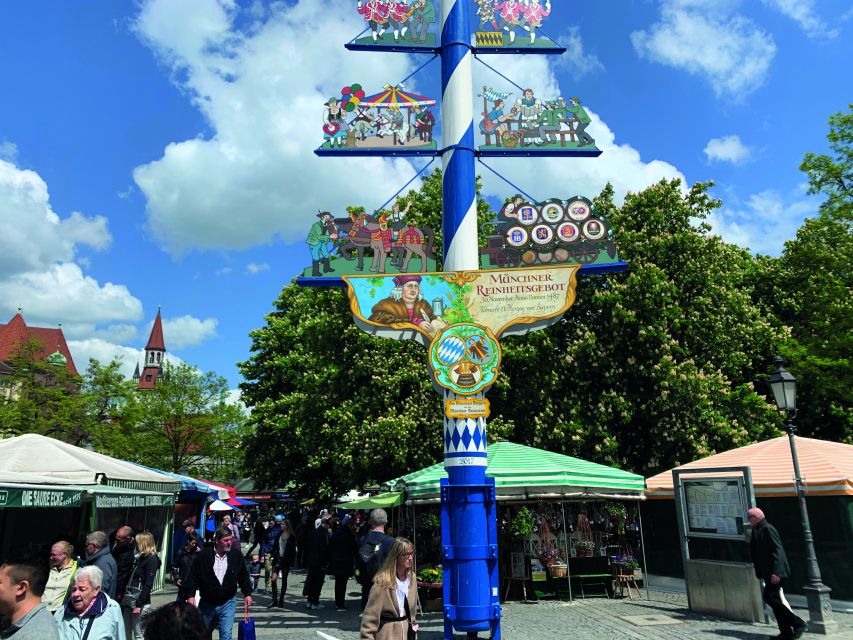
One of the more distinctive stops is the famous sour gherkin from the Sauren Ecke at the Maibaum. This is a small bite, but it gives the tour a needed change of pace after the pretzel and Leberkässemmel.
The pickle is sharp, sour, and refreshing. It also shows why market food tours work best when they include contrasts. You move from bread to meat to brine, rather than eating several versions of the same rich food.
The Maibaum is a familiar Bavarian market feature, and stopping at the Sauren Ecke ties the pickle to a particular spot instead of presenting it as a generic local sample. I appreciate details like this because they give you something specific to look for if you return to Viktualienmarkt on your own.
The tour also includes water from the drinking fountains at Viktualienmarkt. That sounds minor, but it is a practical touch during a walking food tour. It helps balance the salty and rich tastes, and it means you are not expected to buy a separate bottle just to stay comfortable.
A few more food tours around Germany worth comparing
- Hamburg: Schanzenviertel Culinary Tour
★ 4.6 · 2,051 reviews - Hamburg: Elbphilharmonie Plaza and HafenCity Food Tour
★ 4.7 · 1,711 reviews - Berlin Center Food Tour with 8+ Authentic Local Tastings
★ 5.0 · 1,227 reviews - Kreuzberg: Culinary Food Tour
★ 4.5 · 770 reviews
Café Frischhut and the final Schmalznudel
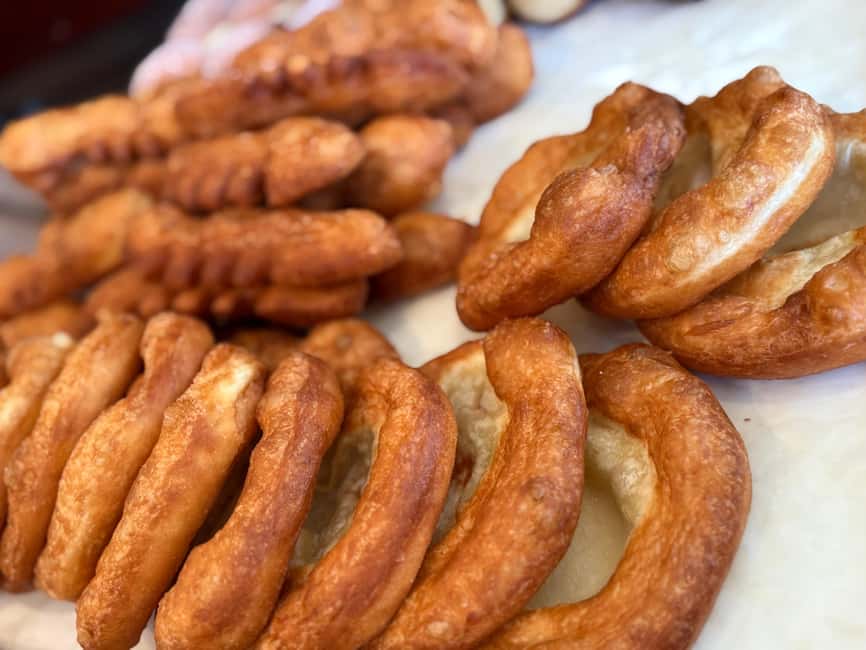
The sweet finish comes at Café Frischhut, an institution of Bavarian baking. Here you see Auszog’ne, Strizerl, and Schmalznudeln being prepared fresh, then taste a Schmalznudel on the spot.
A Schmalznudel is fried dough, crisp and light around the edges with a softer center. It is the kind of old-fashioned sweet that makes sense at the end of a market walk. You get the pleasure of watching it being made, then eating it while it is fresh.
The tour also introduces the names Auszog’ne and Strizerl, which gives you a small lesson in Bavarian baking vocabulary. You may not leave knowing every regional variation, but you will have a better sense of how local pastry differs from the standard cakes and rolls found in many cafés.
I consider this one of the strongest parts of the route because it combines craft, history, and tasting in one stop. You are not simply given a pastry. You see the preparation and learn what makes the shop part of Munich’s food culture.
What the guide adds to the food
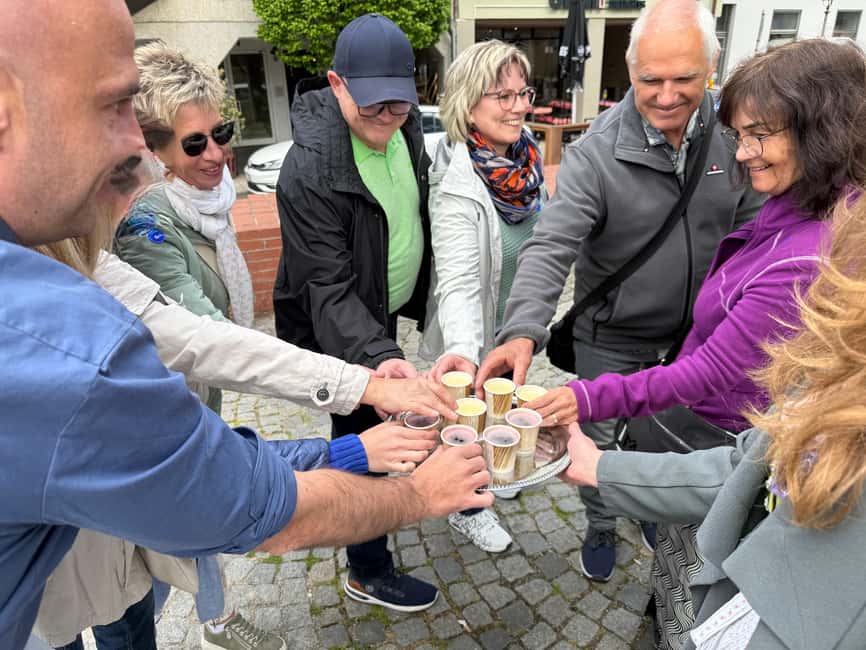
A food tour can fail if the guide treats the history as a speech between snacks. This one appears to place real weight on the person leading it. The rating is 4.7 from 481 reviews, and the most repeated praise centers on the guides being friendly, engaging, humorous, and well prepared.
Several recent German-language comments describe the tour as interesting without becoming boring or dry. One guest calls the guide excellent, while another highlights the good food. That combination is important. You want both parts to work, because a great route cannot rescue dull storytelling, and a charming guide cannot make poor food feel special.
No individual guide names are provided, so you should not expect to select a particular person when booking. The available languages are English and German. If you are comfortable in either, choose the language in which you will best follow the historical details and ask questions.
Because this is a private group, the guide can focus on your party rather than managing a large mix of people. That can make a real difference in a two-hour tour. You can ask about a particular building, clarify a food term, or slow down briefly without waiting for a large group to regroup.
Is $671 good value for two hours?
At $671 per group of up to five, the value depends heavily on group size. For five people, the cost works out to about $134 per person. For two people, it becomes roughly $336 per person, which is much harder to justify for a two-hour activity.
The price pays for more than the food. It includes a private professional guide, a structured walk through central Munich, a welcome drink, the listed tastings, and the convenience of keeping the whole experience within your own group. Private tours are often worth more to people who value flexibility and personal attention.
Still, the included food is made up of modest market portions. You receive a Leberkässemmel, pretzel, pickle, Schmalznudel, water, and other market tastes, but no full restaurant meal or extra drinks. You should budget separately if you want beer, coffee, dessert beyond the included sample, or additional market purchases.
My advice is simple: this price makes the most sense for a group of four or five who want a private introduction and plan to continue exploring Munich afterward. It is a poor match for a solo visitor or couple looking mainly for cheap local snacks. For that purpose, you could visit Viktualienmarkt independently and buy individual items.
Who will enjoy this Munich food walk?
I would recommend it most strongly to first-time visitors who want an efficient introduction to the old town and Bavarian food. The route covers several central landmarks, so you gain orientation while eating rather than spending two separate blocks of time on sightseeing and food.
It also suits families, small friend groups, and private parties who prefer not to join strangers. The two-hour length is manageable, and the food arrives in stages rather than as one large meal.
People who enjoy traditional German food should be happy with the meatloaf sandwich, pretzel, pickle, and fried dough. The tour also includes international market flavors, but the named specialties are firmly Bavarian.
I would be more cautious if you have strict dietary needs. The supplied details do not list vegetarian, vegan, gluten-free, allergy, or ingredient substitutions. You should confirm those points before booking rather than assume the market stalls can adjust the food.
Accessibility is listed as wheelchair accessible. Because the tour includes a walking route through the old town and market, it is still sensible to ask the provider about the exact meeting point and movement between stops if you have specific mobility concerns.
Practical details that shape the day
The tour lasts two hours, with starting times shown according to availability. Since the route includes food served fresh at market stalls and Café Frischhut, punctuality matters. Arriving at the meeting point at Isartor on time gives you the best chance of receiving every included tasting.
The tour is offered in English and German, and it is private for groups of up to five. Additional food and drinks are not included, so bring room in your appetite and some extra money if you want to keep sampling at Viktualienmarkt.
You can cancel up to 24 hours before the start for a full refund. A reserve-now, pay-later option also keeps your plans flexible, which is useful when you are arranging several Munich activities around weather and opening times.
The tour has received a 4.7 rating from 481 reviews, with the strongest praise aimed at the guides’ storytelling and the food itself. I would read that as a good sign for the basic experience, while keeping the high private-tour price firmly in mind.
Should you book the Viktualienmarkt food tour?
Book it if you want a private, guided introduction to Munich’s old town and market food, especially with a group of four or five. The route is compact, the stops are specific, and the final Schmalznudel visit adds a memorable local touch.
Skip it if your main goal is low-cost eating, a long market visit, or a full meal. The $671 price is difficult to defend for a small group, and two hours leaves little room for independent browsing.
For the right group, this is a tidy way to connect Munich’s landmarks with its everyday food. Just go in expecting hearty samples and clear local context, not a leisurely restaurant feast.
FAQ
How long does the Munich Viktualienmarkt food tour last?
The tour lasts two hours.
Where does the tour begin?
It begins at Isartor, where you receive a cosmobiological welcome drink before walking through Munich’s old town.
Which languages are available?
The tour is available in English and German.
What food is included?
Included items are a freshly baked pretzel, a Leberkässemmel from the Viktualienmarkt butchers, a sour gherkin from the Sauren Ecke, a freshly prepared Schmalznudel from Café Frischhut, water from the market drinking fountains, and other tastings from the eight market stalls.
Is the tour private and wheelchair accessible?
Yes. It is a private group tour for up to five people, and the activity is listed as wheelchair accessible.
What does the tour cost and can I cancel?
The price is $671 per group of up to five. You can cancel up to 24 hours in advance for a full refund, and you can reserve now and pay later.
Just added around Germany
- Lübeck: The Culinary City Tour – Lübeck Lukullisch★ 4.7 · 26 reviews
- Leipzig: 3-Hour Sightseeing and Food Tour★ 4.9 · 113 reviews
- Bamberg: Guided Historical Culinary Tour★ 4.6 · 461 reviews
- Heidelberg: Culinary city tour with delicious samples★ 4.6 · 52 reviews
- Hannover: Culinary walking tour district List/Oststadt★ 4.6 · 28 reviews
- Hannover: Culinary Walking Tour Downtown + Old Town★ 4.6 · 46 reviews
- Hamburg: Schanzenviertel Food and Beer Tour★ 4.5 · 44 reviews
- Hannover: Guided Bike Tour for Foodies with Tastings★ 4.8 · 64 reviews
Food Tours in Germany, compared.
Elbphilharmonie Plaza and HafenCity Food Tour
Read our review →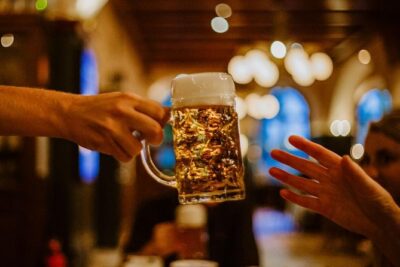
Bavarian Beer and Food Evening Tour in Munich
Read our review →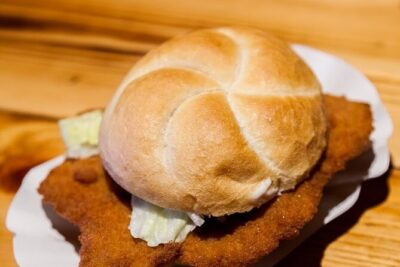
Berlin Center Food Tour with 8+ Authentic Local Tastings
Read our review →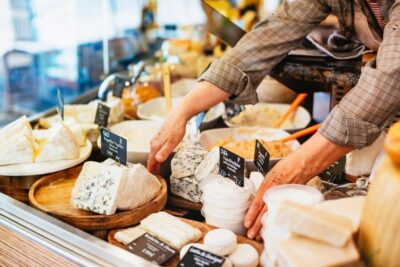
Beer and Food Tour with Dinner & Oktoberfest Museum
Read our review →
Browse the lists this tour appears in