
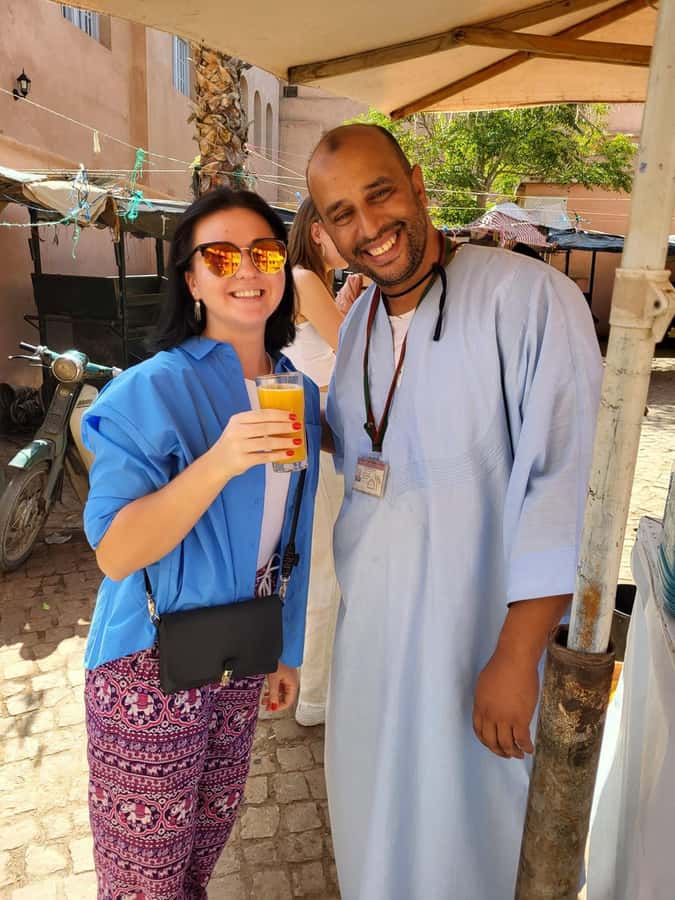
REVIEW · MARRAKECH
Marrakesh: Guided Street Food Tasting by Locals
Marrakech makes more sense when you taste it one small plate at a time. This three-hour evening walk leads you from Jemaa el-Fnaa into food markets, souks, and side streets for tagine, tangia, kofte, pastries, dates, olives, and other local treats. It ends with mint tea at a rooftop café.
I like the generous amount of food and the way the guides connect each dish to Moroccan home cooking. I also like the local stops, including a méchoui maker and a small eatery you could easily miss on your own. The main drawback is simple: this is a walking tour through narrow, uneven Medina lanes, so it is not suitable for people with mobility impairments.
Key points to know before booking
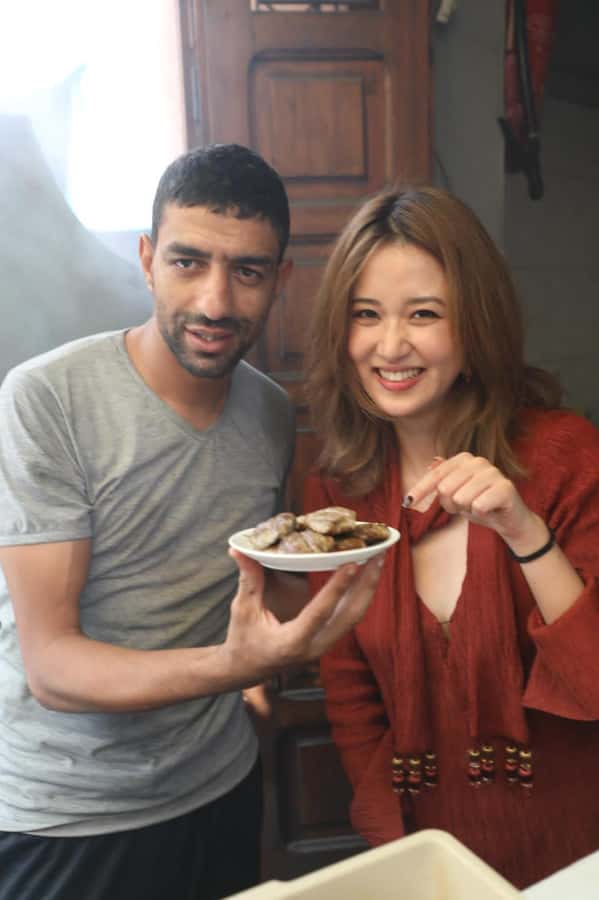
- About 10 to 11 food stops: Expect much more than a token tasting, with snacks building toward a full evening meal.
- Local guides set the tone: Mohamed, often called Mo, and Ali are praised for humor, warmth, food knowledge, and stories about Marrakech.
- The route is more than Jemaa el-Fnaa: You continue through Souk Semmarine, the Mellah area, food markets, and quieter side lanes.
- Dinner is included: Tagine, tangia, kofte, salads, bread, pastries, olives, dates, drinks, and mint tea are part of the experience.
- Finish above the square: The final café offers a view over a courtyard or the lively square, depending on the evening stop.
- Choose shared or private: The shared option can include a group of around 10 people, while a private walk gives you more control over the pace.
Why this food walk is a smart first night in Marrakech
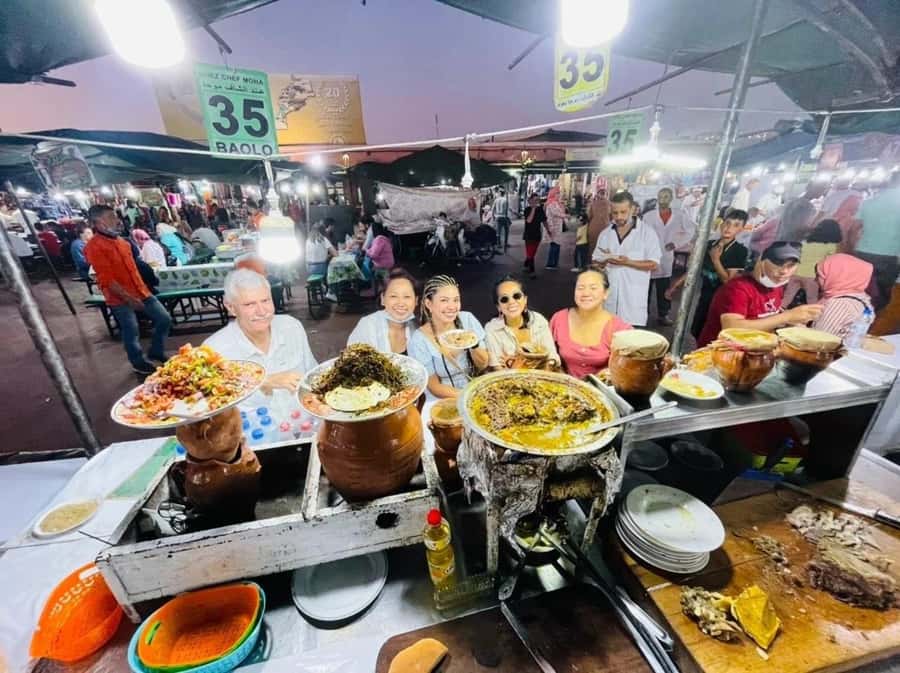
A food tour can be a useful way to get your bearings in Marrakech, and this one does more than send you to a restaurant. You meet in front of Café de France, right by Jemaa el-Fnaa, then set off after dark as food stalls, shopkeepers, cooks, and shoppers fill the center of Medina life.
I especially like the timing. The evening brings out a different side of the square than you see during daylight. Cooking smoke, spice scents, lanterns, voices, and the constant movement make the area feel alive, but the guide gives you a clear path through it. That matters in a place where the lanes can seem confusing at first.
The advertised price is $47 per person. For three hours of guiding, food, and drinks, that is solid value if you arrive hungry and make good use of the tastings. Several stops provide enough food to form a full dinner, rather than a few tiny samples followed by a restaurant bill.
Still, this is not a quiet sit-down meal. You eat at several locations, stand or walk between some tastings, and move through crowded public spaces. If you prefer a long dinner at one table, this format may feel rushed. If you want to understand what you are eating and find places to revisit later, it works very well.
More Food Tours in Marrakech
- From Marrakech: Merzouga 3-Day Desert Safari with Food
★ 4.7 · 12,232 reviews - Marrakech: Street Food Tour by Night
★ 4.8 · 2,838 reviews - 3-Day Tour to Merzouga Erg Chebbi with Food & Camel Trek
★ 5.0 · 1,770 reviews
Starting at Jemaa el-Fnaa after dark
Café de France is an easy meeting point because it sits directly beside Jemaa el-Fnaa. You should arrive ready for a three-hour walk and avoid having a large meal beforehand. The food keeps coming, and the strongest practical advice from the experience is to save your appetite.
The square is the natural opening chapter. Your guide can explain how the main public space fits into Marrakech life before leading you toward the Mellah and the food market. You get a quick introduction to the sounds, aromas, and social rhythm of the Medina without simply wandering at random.
This first section is also useful if you feel unsure about the square. A guide helps you focus on the food and the people at work rather than worrying about which lane to take next. One participant described the walk as a complete change in their impression of the Medina, which is a good reason to schedule it early in your stay.
Expect a fair amount of stimulation. Jemaa el-Fnaa is not a calm museum courtyard, and the tour does not pretend otherwise. Keep your group in sight, listen for instructions, and be prepared for the normal bustle of a major market square.
Sampling the main food market
From the square, the route reaches the main food market, where stalls display fruit, vegetables, meat, poultry, and other ingredients used in daily Moroccan cooking. This is one of the most useful parts of the walk because it shows you ingredients before they appear on a plate.
You may watch local shoppers bargain for the evening meal and see artisans preparing pastries. The guide can explain how the market works and point out details you might pass without noticing. I value this sort of stop because it links food to ordinary routines instead of treating Moroccan cuisine as a list of famous dishes.
Sweet pastries provide an early taste, while the guide introduces classic tagine. The focus is not only on what is served, but on the different kinds of tagine and how families prepare them at home. You also receive a local recipe to take with you, a small but useful souvenir that can help the meal stay in your memory after you leave Morocco.
One unusual tasting is an almond-based drink. It gives you a break from the savory dishes and adds another piece of local food culture to the evening. Drinks are included, which helps keep the $47 price from creeping upward through extra purchases.
Through Souk Semmarine and the Medina lanes
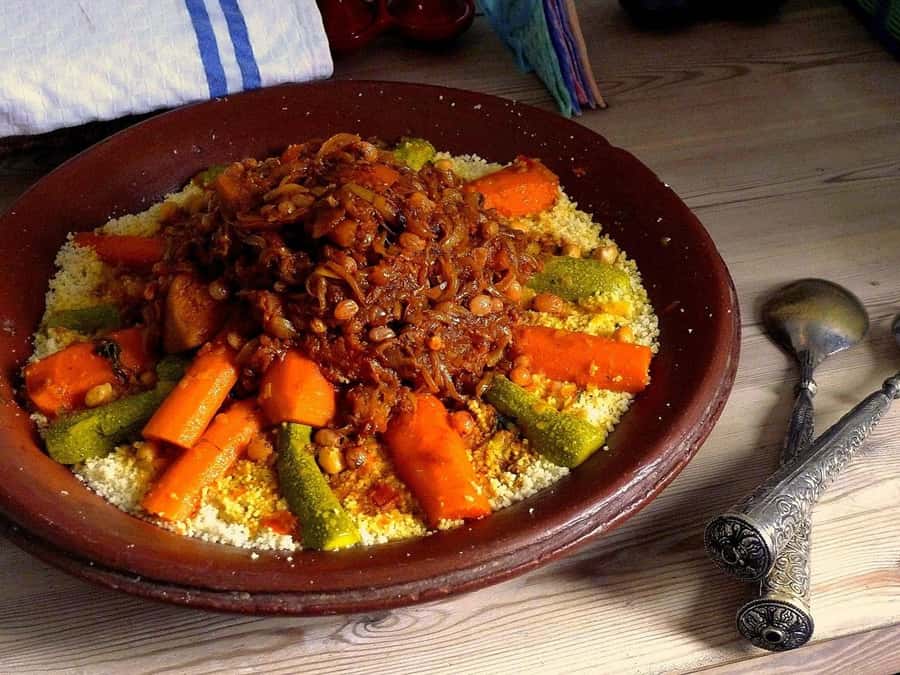
The route continues through Souk Semmarine and the wider Medina. Here, the food stops are mixed with walking, short explanations, and chances to observe the work of shopkeepers and cooks.
The souk can be crowded and maze-like. That is part of the appeal, but it is also the main physical challenge. You will need to keep moving with the group and watch your footing. The tour is not suitable for people with mobility impairments, and anyone who tires easily should think carefully about the three-hour walking time.
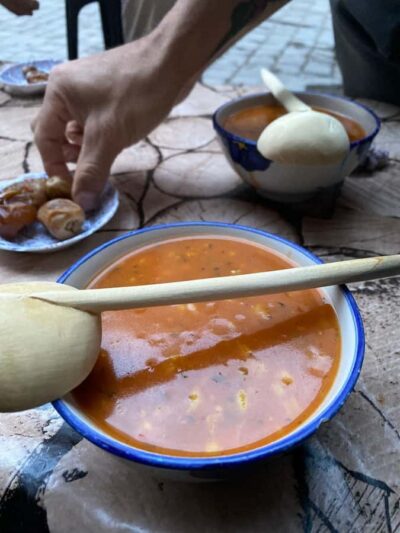
The guide takes you to food stalls that are easy to miss if you only follow the main shopping paths. Marinated olives and sweet dates are among the simpler tastings, but they help show the range of Moroccan snacking. The dates are described as especially full of flavor, and they work well as a contrast to the salty olives.
You may also try cactus fruit, pancakes, and a Moroccan-style sloppy Joe, depending on the stops used that evening. The precise selection can vary, but the pattern is clear: you sample small bites first, then work toward more substantial food. That keeps the evening varied and gives adventurous eaters a chance to try something unfamiliar.
More street food nights in Morocco:
- Marrakech: Street Food Tour with a Local Guide
★ 4.9 · 3,119 reviews - Marrakech Night Street Food Tour / Taste The Real Marrakech
★ 4.9 · 200 reviews - Night Tour of Casablanca with Street Food Tasting
★ 4.8 · 29 reviews - Medina Tasting Tour: Experience Local Street Food & Culture!
★ 4.9 · 25 reviews
Seeing méchoui and tasting charcoal-baked tagine
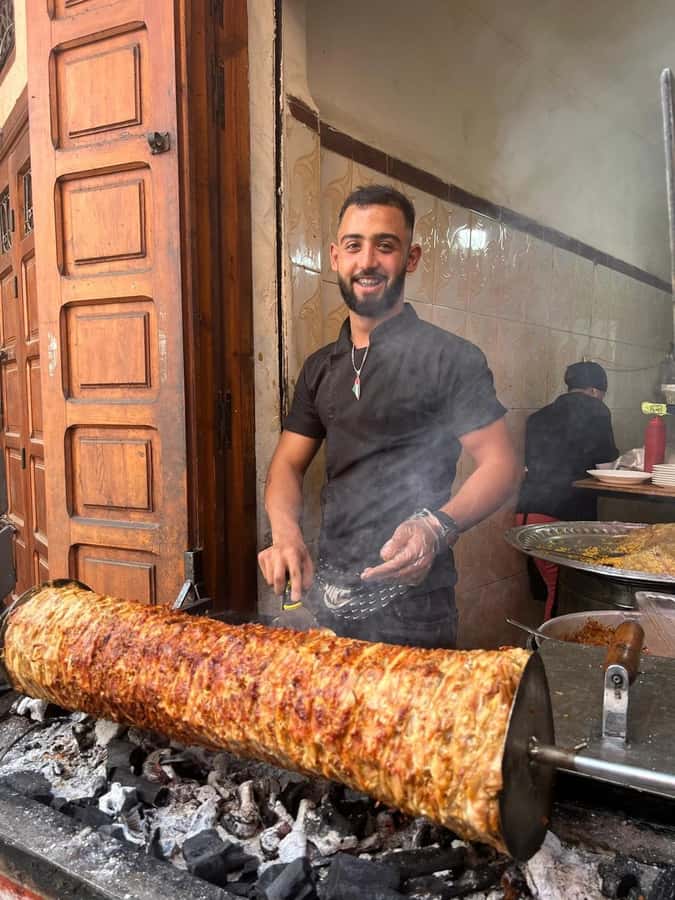
One of the most memorable food-related sights is a méchoui maker slow-roasting a whole lamb in a traditional underground oven. This is not simply another plate passed around. It shows the cooking methods behind the food and gives you a glimpse of the patience involved in Moroccan meals.
The walk also includes charcoal-baked tagine. Tagine is often associated with the familiar conical cooking pot, but the guide explains that there are different types and preparations. That context helps you tell apart a dish cooked for tourists and the wider family of tagine dishes found in Morocco.
A guide such as Mo or Ali adds real value here. Both are praised for explaining food and Marrakech culture with warmth and humor, rather than delivering a dry lecture. Mo is described as having a big personality and a strong interest in the city’s food traditions. Ali is praised for making people of different ages feel included, which matters on a shared tour.
You might hear about regional influences on Marrakech cooking as you move from one dish to the next. The information stays connected to what you are eating, so it does not feel like a separate history lesson. I find that approach easier to remember: the spice, cooking method, or ingredient gives the story something concrete to attach to.
A hidden eatery for tangia, kofte, and bread
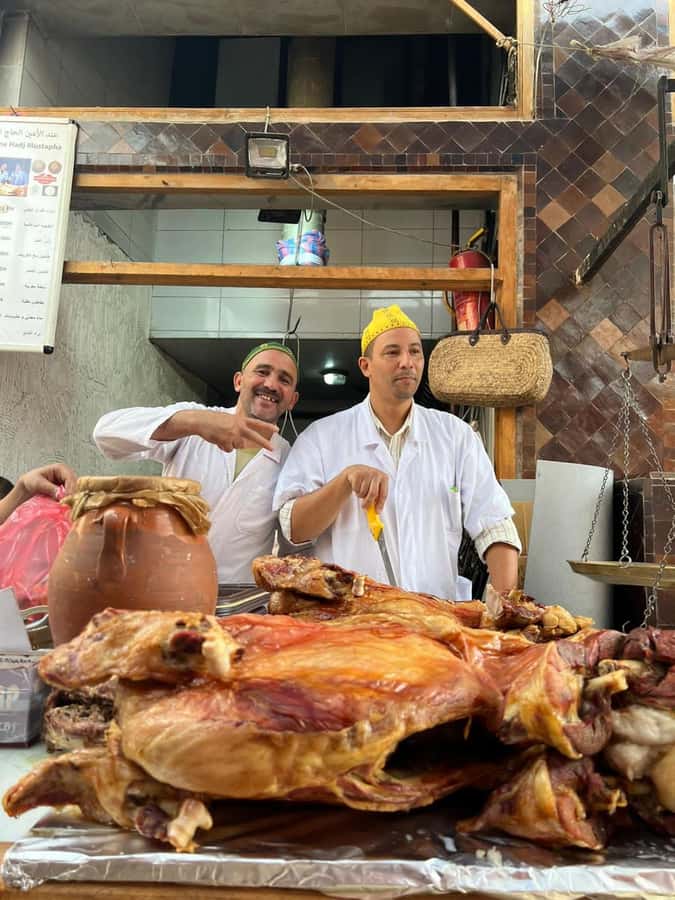
The evening eventually reaches a small local eatery, where you taste tangia and kofte with freshly baked bread. Tangia is particularly associated with Marrakech, so this is an important dish to include in a city food tour.
Kofte gives you another kind of savory bite, while the bread helps turn the tasting into a proper meal. This is where the generous food portions become clear. You are not simply tasting one mouthful and moving on. Several people finish the experience feeling completely full, so plan your day accordingly.
The route may include Moroccan-style salads made with seasonal ingredients. Saffron, cumin, and fresh herbs supply much of the aroma, and the salads add freshness after heavier meat and bread dishes. If you like trying many small plates, this progression is a strong part of the tour.
There are also unusual offerings for people who enjoy being adventurous. You do not need to love every dish, but you should arrive open to tastes and textures that may not be familiar. The guide can explain what you are trying, which makes an unfamiliar item easier to approach.
Ending with mint tea and a rooftop view
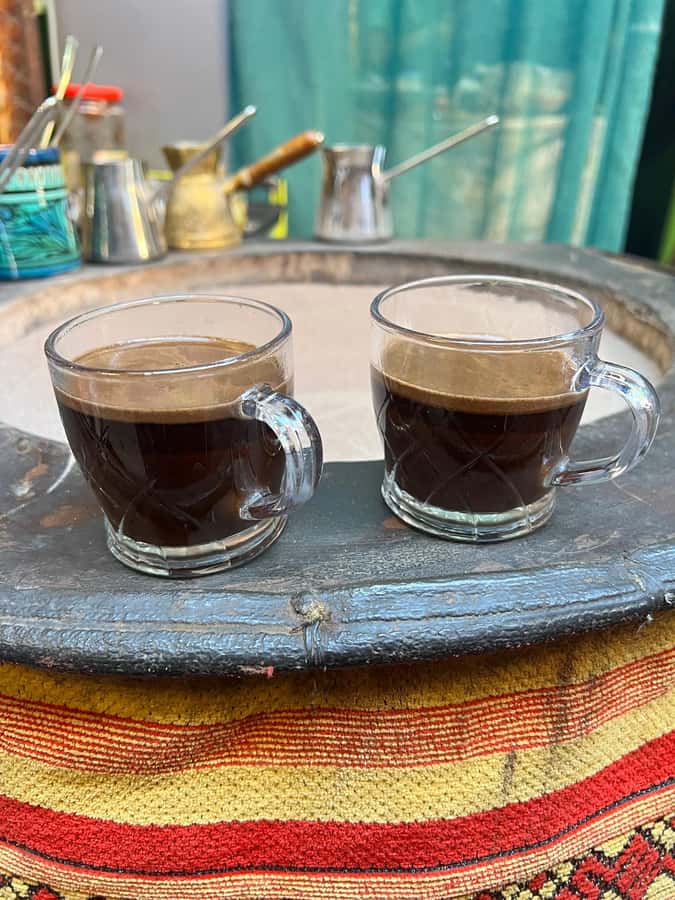
The final stop is a cozy rooftop café, where the tour ends with mint tea. The setting may look over a charming courtyard with rugs, mosaic lamps, and fountains, or provide a view toward the busy square. Either way, the quiet finish is welcome after the noise and movement of the souks.
Mint tea is more than a final drink. It gives you time to sit, talk with the group, and sort through the evening’s tastes. A rooftop ending also gives you a different view of Marrakech, especially after spending the earlier part of the tour at street level.
One account of the experience describes finishing with tagine at a rooftop restaurant overlooking the square. That suggests the final meal can be substantial, not merely a cup of tea. You should not count on exactly the same final dish every night, but you can expect the food to build toward a satisfying finish.
This is also a useful moment to ask the guide about places you might return to. The experience is especially practical early in your stay because you leave with a clearer idea of what you want to order again. Some people return to the same food spots later, which is one of the best measures of a useful food walk.
How the shared and private options compare
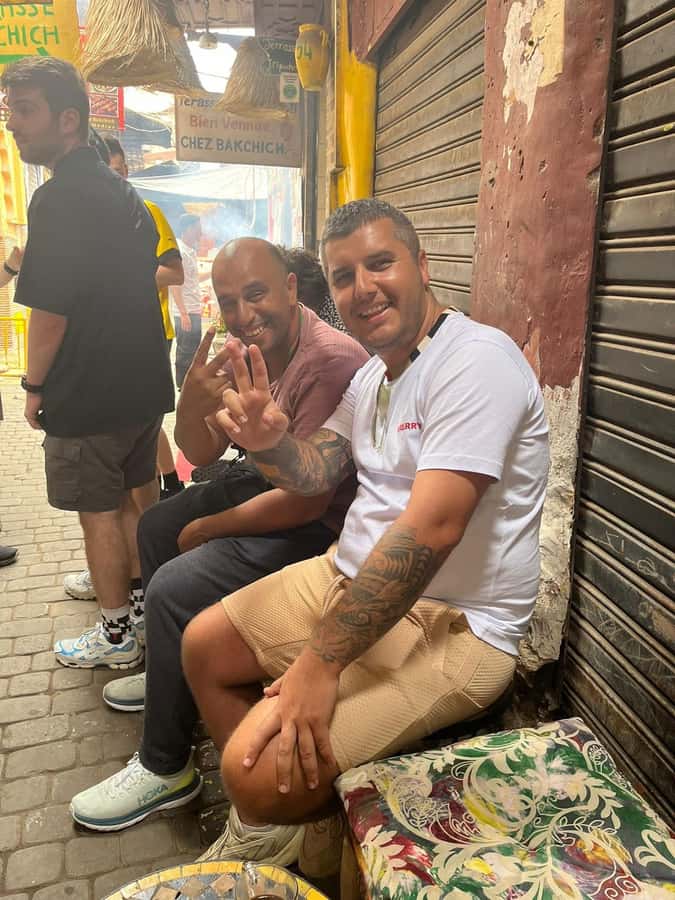
The shared tour is likely the better value for most people. A group can include about 10 people, with guests of different ages and backgrounds. A good guide keeps the group moving and makes sure everyone is included, as Ali did for one mixed-age group.
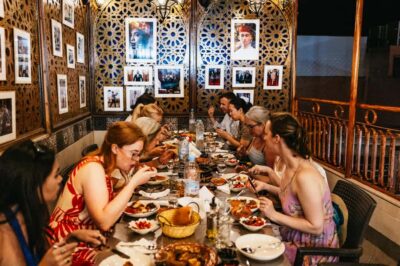
A shared walk also adds a social side to the evening. You compare reactions to unfamiliar dishes and can make the experience feel less intimidating if this is your first time in the Medina. The tradeoff is that the pace and conversation must suit several people.
The private option costs more in many tour settings, but the supplied price is listed as $47 per person without a separate private rate. You should check the current price when booking. A private format may suit you if you want a slower pace, have specific food interests, or prefer not to navigate the narrow streets with a group.
The tour is offered in English, French, and Arabic. Confirm your preferred language when you reserve, especially if the food explanations and cultural background are central to your decision.
Who will get the most from this experience
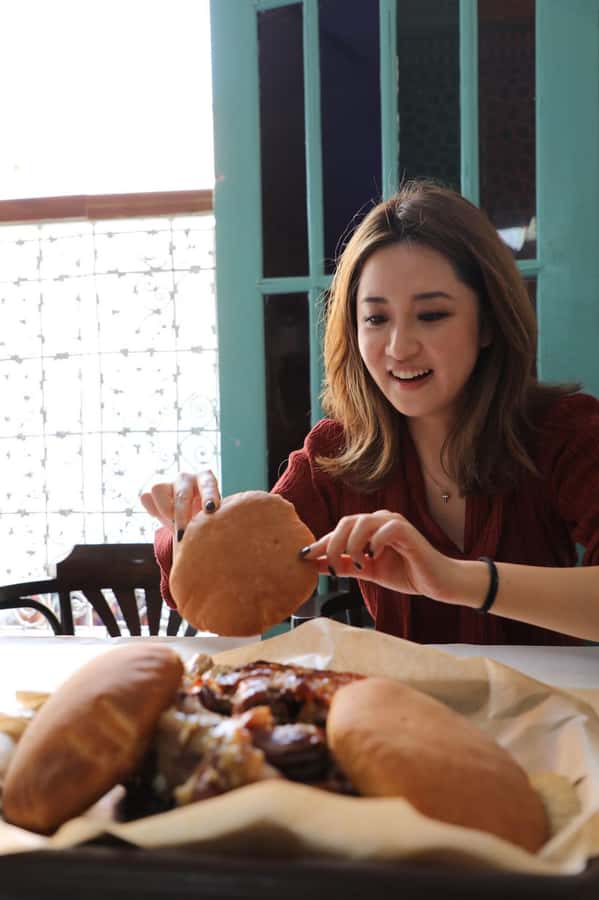
I would recommend this walk to anyone who enjoys tasting many dishes and wants an introduction to Marrakech that feels connected to daily life. It suits first-time visitors particularly well because the guide helps you understand Jemaa el-Fnaa, the souks, the food markets, and the Medina in one evening.
It is also a good choice for people who worry about ordering food alone. You can try several dishes with explanations, then return to the ones you liked later in the trip. The recipe souvenir adds a useful touch for anyone who enjoys cooking.
Food-focused families may enjoy the range, though parents should consider the walking distance and crowded lanes. The activity is not suitable for people with mobility impairments. It may also be less comfortable for picky eaters, anyone with strict dietary limits, or people who do not want to eat meat, since several featured dishes include lamb or other meat. The supplied details do not specify vegetarian, vegan, allergy, or halal arrangements, so ask before booking if those needs apply.
The walk includes food and drinks, but hotel pickup and drop-off are not included. You meet at Café de France and return there at the end, so plan your route to and from the square separately.
Practical value at $47 per person
At $47, this is good value if you treat it as both dinner and a guided introduction to the Medina. You get three hours, a local guide, many tastings, drinks, a recipe, and a rooftop finish. Eating the same amount independently could cost less in theory, but you would not get the same route, explanations, or access to the small places the guide selects.
The strongest value comes from the number of stops. The experience can include roughly 10 or 11 tastings, beginning with olives, cactus fruit, pastries, or pancakes and building toward tagine, tangia, kofte, salads, bread, and a final café stop. That is a serious amount of food.
The price makes less sense if you want one polished restaurant meal or dislike walking. You are paying for guidance and local context as much as for the food itself. The tour works best when you see it as an introduction that helps you make better choices for the rest of your stay.
Free cancellation is available up to 24 hours before the start, and you can reserve now and pay later. Starting times vary, so check availability for the evening that fits your plans.
Should you book this Marrakech food tour?
Book it if you want a filling, social evening with many Moroccan foods, a local guide who explains what you are eating, and a route through places you might not find alone. I would schedule it near the start of your Marrakech stay, when the market streets and local dishes are still new to you.
Skip it if you want a slow, quiet dinner, have difficulty walking through uneven Medina lanes, or need dietary arrangements that are not confirmed. For most food-minded visitors, though, the combination of generous tastings, lively streets, guides such as Mo and Ali, and the rooftop finale makes this a practical introduction to Marrakech cuisine.
FAQ
Where does the Marrakech food tour start?
You meet in front of Café de France, beside Jemaa el-Fnaa Square.
How long does the activity last?
The guided food walk lasts three hours.
How much does the experience cost?
The listed price is $47 per person.
What food is included?
Included tastings can feature tagine, tangia, kofte, pastries, olives, dates, seasonal salads, freshly baked bread, cactus fruit, pancakes, and other local specialties.
Are drinks included?
Yes. Drinks include an almond-based local drink and mint tea at the final café, along with other drinks served during the food walk.
Does the tour include hotel pickup?
No. Hotel pickup and drop-off are not included. You meet at Café de France and return there at the end.
Which languages are available?
Live guiding is available in English, French, and Arabic.
Can I choose a private tour?
Yes. The experience offers a choice between a shared group tour and a private tour.
Is the tour suitable for people with mobility impairments?
No. The activity is listed as unsuitable for people with mobility impairments because it involves walking through the Medina, souks, and narrow side streets.
Just added around Morocco
- Marrakech: Jemma El Fnaa Food Tour with Dinner★ 4.7 · 394 reviews
- Marrakech Night Street Food Tour / Taste The Real Marrakech★ 4.9 · 200 reviews
- Marrakech: Moroccan Cooking Class for vegetarians and vegan★ 4.9 · 156 reviews
- Marrakech: Authentic Moroccan Food Walking Tour & Dinner★ 4.8 · 261 reviews
- Marrakech: Medina Stories Food Tour with 15+ Tastings★ 5.0 · 141 reviews
- Fez: Foodie tour in the old Medina★ 4.7 · 27 reviews
- Night Tour of Casablanca with Street Food Tasting★ 4.8 · 29 reviews
- Medina Tasting Tour: Experience Local Street Food & Culture!★ 4.9 · 25 reviews
Food Tours in Marrakech, compared.
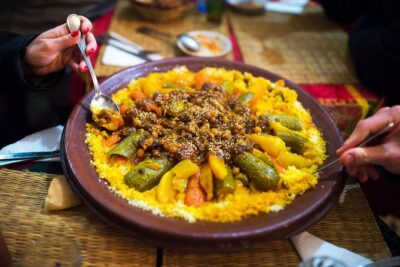

3-Day Tour to Merzouga Erg Chebbi with Food & Camel Trek
Read our review →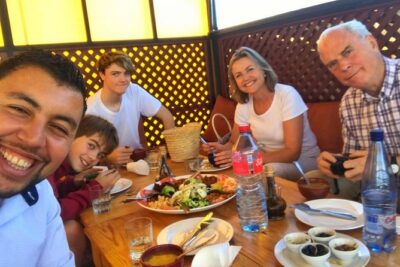
Authentic Moroccan Food Tour in Marrakech with Dinner
Read our review →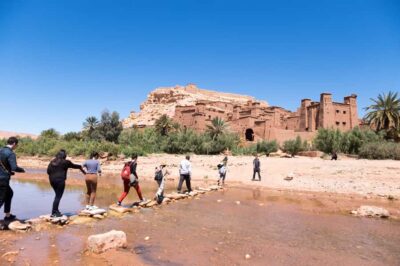

Marrakech Night Street Food Tour / Taste The Real Marrakech
Read our review →
Moroccan Cooking Class for vegetarians and vegan
Read our review →Browse the lists this tour appears in