
REVIEW · BANGKOK
Local Life, Culture & Food Walking Tour at Chinatown
Bangkok’s Chinatown is best understood on foot, one narrow lane at a time. This tour leads you from Odeon Circle through markets, shrines, old shophouses, and Talad Noi, where Chinese-Thai life still feels close and personal. The local stories are the main event, with food providing a tasty guide to the neighborhood’s past.
I like the small-group format, which gives you room to ask questions and allows the guide to adjust the walk to your interests. I also like the mix of places: temples and architecture matter here, but so do herbal stalls, family shops, side alleys, and street snacks. The main consideration is physical comfort. You need to walk outdoors in Bangkok’s heat or rain, and the tour is not suitable for wheelchair users.
Key points to know
- Start at MRT Wat Mangkon: Meet at Exit 1, near the Plaeng Nam intersection, then walk toward the heart of Chinatown.
- Expect more than the main streets: The route includes alleys, local markets, shrines, old wooden homes, and community spaces.
- Food is part of the storytelling: Tastings may include crispy pork belly, dumplings, herbal tea, and other Thai-Chinese specialties.
- Guides make the difference: JoJo, Kae, Kaew, and Sunee are among the guides praised for personal explanations and flexible pacing.
- Talad Noi adds historical depth: This old Chinese-Thai community shows how early settlers built lives along the Chao Phraya River.
- Plan for a proper walk: Wear comfortable shoes, leave large luggage behind, and arrive 10 minutes early.
Starting at MRT Wat Mangkon and Odeon Circle
The practical starting point is MRT Wat Mangkon Station Exit 1, at the Plaeng Nam intersection, 3 Plaeng Nam Road. Arrive at least 10 minutes early. Chinatown traffic, crowds, and confusing lanes can make a last-minute arrival harder than it looks.
From there, the walk heads toward Odeon Circle, the grand entrance to Bangkok’s Chinatown. This is a useful place to begin because the guide can explain how Chinese immigration shaped the district and how the neighborhood developed around trade, family businesses, temples, and river commerce.
I like this opening because it gives you a map in your head before the route becomes more winding. Chinatown can feel like a jumble of gold signs, food carts, motorbikes, and shopfronts. A local explanation helps connect those details instead of leaving you with only a series of colorful photographs.
The meeting point is also easy to reach by Bangkok’s MRT, but transportation to and from the station is your responsibility. The tour ends back at the same meeting point, so you do not need to arrange a pickup at the end.
More Food Tours in Bangkok
- Bangkok by Night: Temples, Markets and Food Tuk-Tuk Tour
★ 5.0 · 3,752 reviews - Bangkok: Backstreets Food Tour with 15+ Tastings
★ 4.9 · 2,880 reviews - Bangkok Midnight Food Tuk Tuk Tour
★ 5.0 · 2,542 reviews
Markets where food and daily life meet
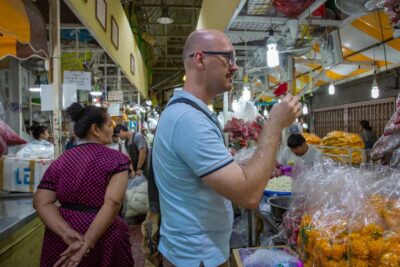
The market portion brings you into the working side of Chinatown. You can expect stalls selling herbal remedies, small household goods, trinkets, and food. This is not simply a parade of photo stops. The value comes from learning what you are looking at and how these businesses fit into local life.
Your guide may point out details that are easy to miss, such as the way Chinese and Thai customs appear together in food, medicine, religious practice, and shop design. You might also have a chance to talk with shopkeepers or watch local craft and trade at close range, though the exact encounters will depend on the day.
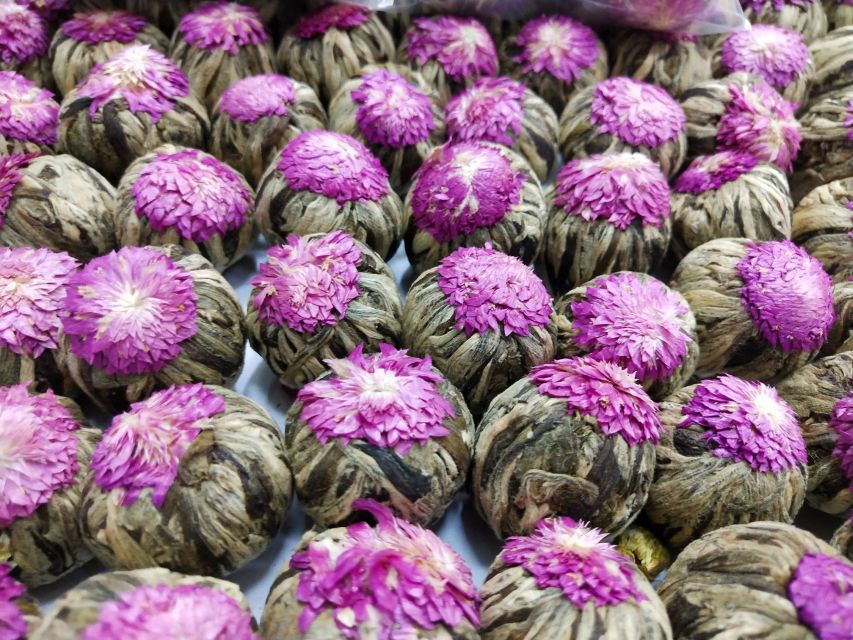
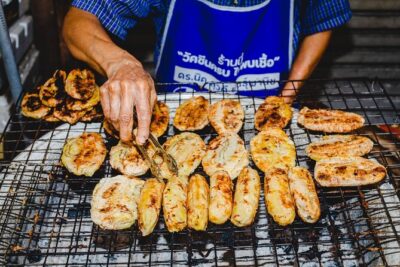
Food tastings help make the history more concrete. The tour description names crispy pork belly, handmade dumplings, and herbal teas among the possible tastes. Some departures have also included the chance to make papaya salad, try different types of durian, or pause at a local coffee shop. These extra moments should be treated as part of the guide’s flexible approach rather than guaranteed inclusions.
You should also keep some money handy. Personal shopping, extra snacks, drinks, and souvenirs are not covered. The included tastings are a useful introduction, but this is Chinatown, and you may well want to buy something once you see what is available.
Temples and shrines with context
Chinatown’s temples and shrines are not decorative breaks from the food stops. They help explain how Chinese-Thai families have kept religious customs alive through generations.
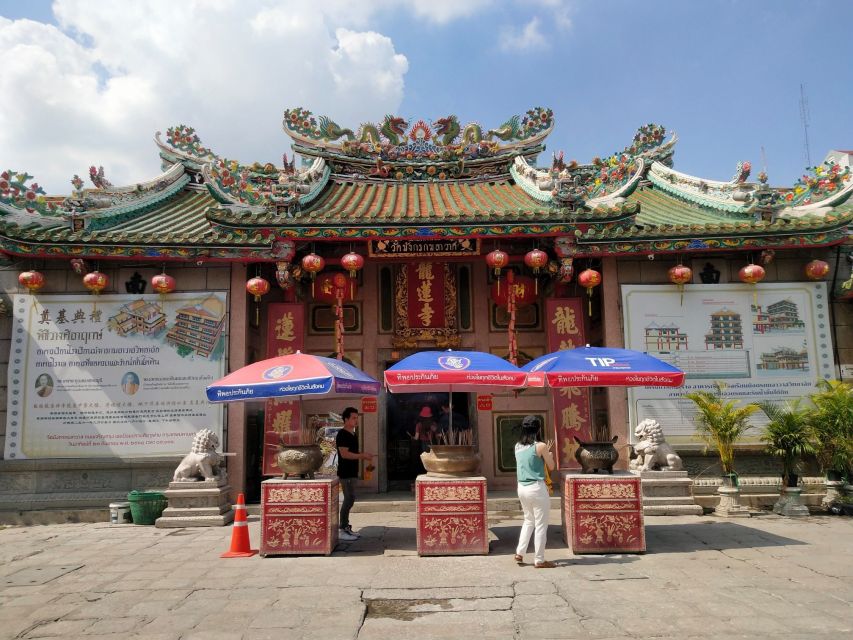
The guide will take you to historic temples and shrines, including places that are easy to pass without noticing. Incense, gold decoration, offerings, and prayer rituals become more meaningful when you understand what local people are doing and why each site matters.
I especially value the guide’s role here. A temple visit without context can become a quick look at rooflines and statues. With an explanation of customs and beliefs, you gain a better sense of how these places function for the surrounding community.
Dress is described as casual, and the tour does not provide a strict clothing rule. Still, respectful clothing is sensible at religious sites. You should also be ready to remove yourself from the main flow of pedestrians and give worshippers space.
The temples are not presented as isolated monuments. They are part of the neighborhood, surrounded by homes, market lanes, and working businesses. That connection is one of the best reasons to choose a walking tour instead of visiting a single shrine alone.
Old shophouses and narrow backstreets
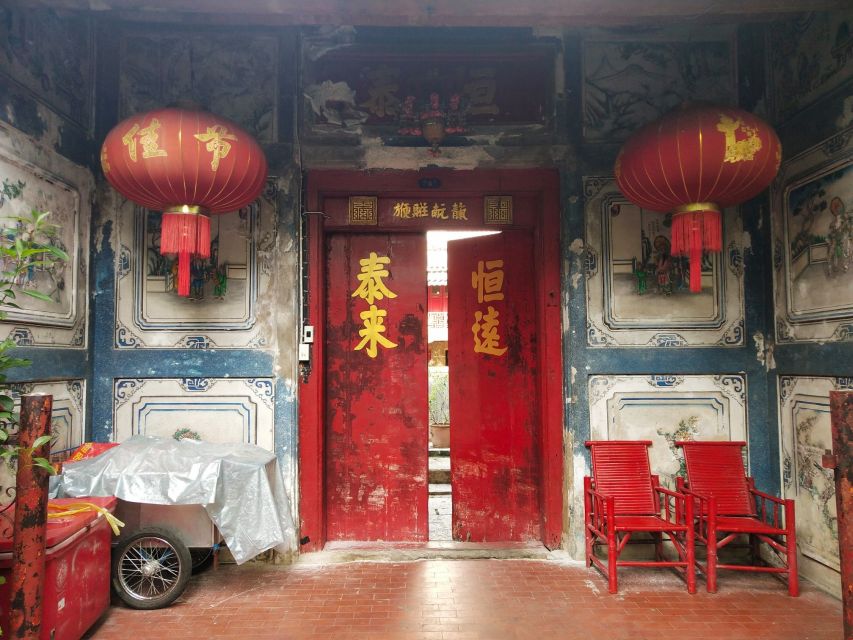
The route continues through old Chinese architecture, including shophouses with distinct facades and long family histories. These buildings show how commerce and domestic life often occupied the same structure. The ground floor could serve as a shop while family life continued above or behind it.
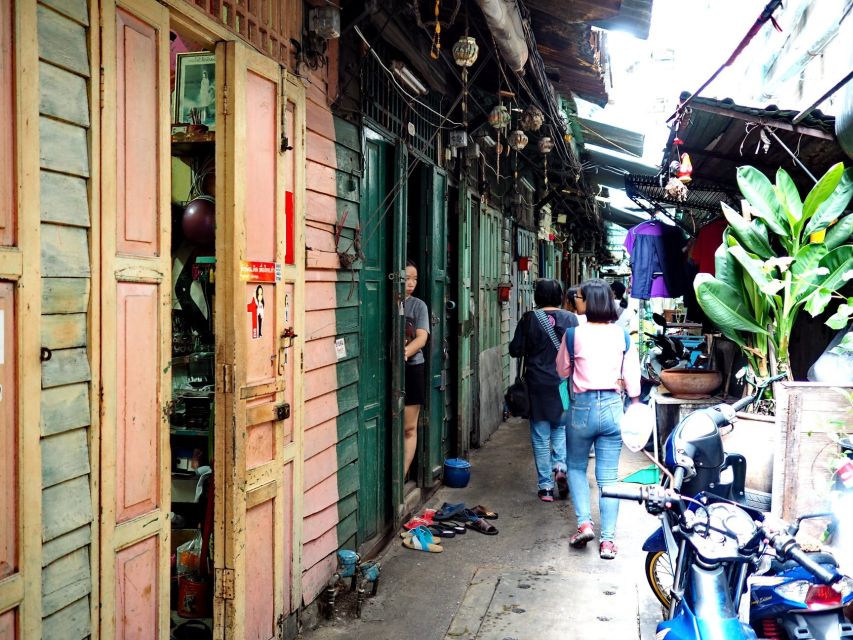
Some of the most memorable sections are likely to be the narrow lanes away from the main roads. The route can reveal small wooden houses, quiet passages, and living conditions that you would probably miss if you stayed on Yaowarat Road. You may see laundry, working doorways, old walls, and ordinary neighborhood activity rather than polished attractions.
That is also where I would keep expectations realistic. Backstreets are not museum displays. They are real residential spaces, sometimes cramped and uneven. You need to walk carefully, listen to your guide, and avoid treating private homes as photo props.
The small group matters here. A large crowd would make these lanes awkward and intrusive. With fewer people, the guide can pause without blocking the path and answer questions about architecture, family life, and the changes taking place around the old homes.
More food walks around Bangkok:
- Bangkok Authentic Tasting Thai-Chinatown Walking Food Tour
★ 4.9 · 852 reviews - Bangkok: Street Art and Street Food Walking Tour
★ 4.1 · 58 reviews - Reykjavik Food Walk – Local Foodie Adventure in Iceland
★ 5.0 · 18,952 reviews - New Orleans Food Walking Tour of the French Quarter with Small-Group Option
★ 5.0 · 6,118 reviews
Talad Noi and the Chinese-Thai story
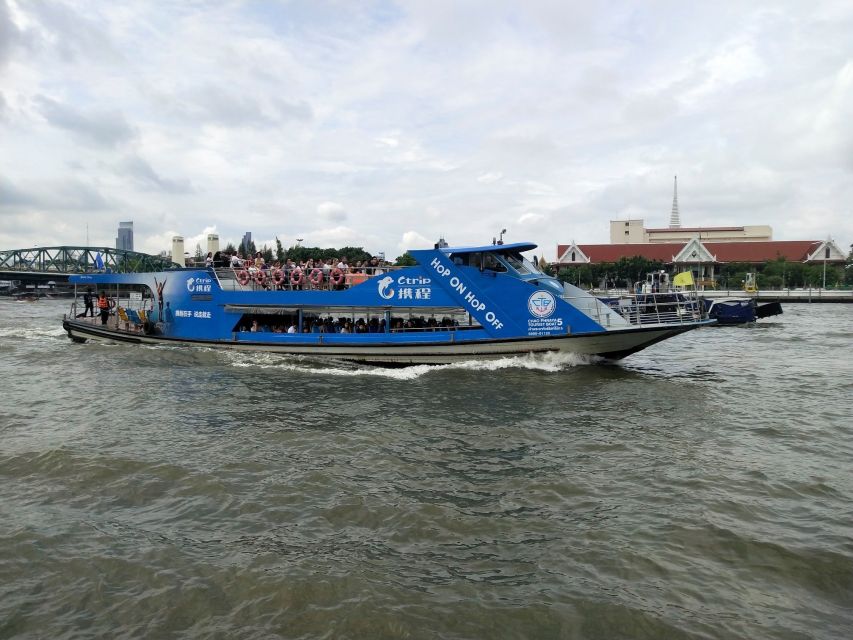
Talad Noi is one of the strongest parts of the route. Described as Bangkok’s oldest Chinese-Thai community, it adds a longer view of the district. The guide explains how early Chinese settlers made homes along the Chao Phraya River and helped shape the area’s culture and economy.
This section can feel different from the market streets. You are still in an active neighborhood, but the focus shifts toward community, settlement, and memory. Old buildings and small lanes become evidence of how people adapted to life beside the river and built a lasting Chinese-Thai identity.
I like that Talad Noi appears as part of the same walk rather than as a separate history lesson. Food, faith, architecture, and family businesses all connect here. You begin to see Chinatown as a living district that changes over time without losing every link to its earlier residents.
The exact route and stops may vary with local conditions and the guide’s judgment. That flexibility is helpful if you are interested in a particular subject. Guides such as JoJo, Kae, Kaew, and Sunee have been praised for answering questions, adjusting the pace, and showing less obvious corners of the neighborhood.
Why the guides matter so much
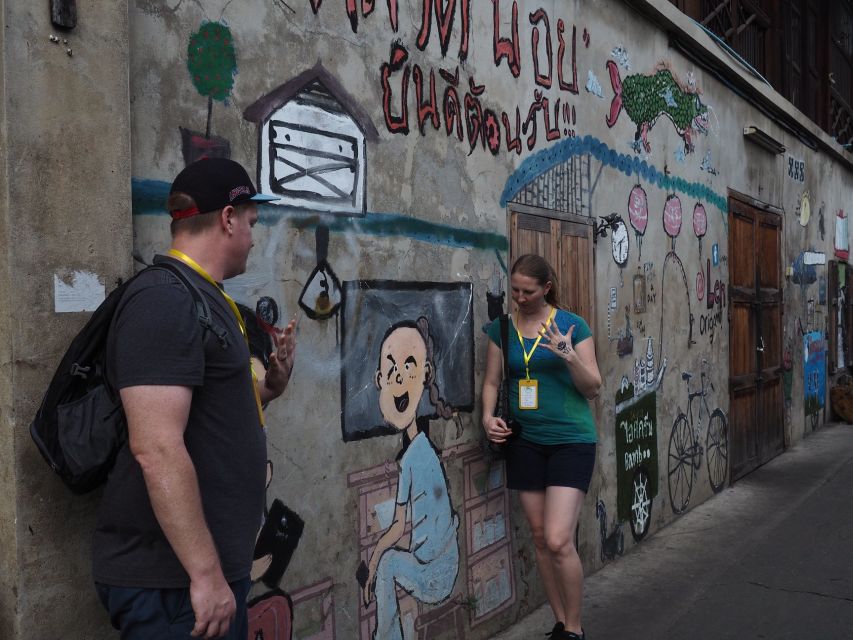
This experience depends heavily on the person leading it. The tour is built around local explanations, personal anecdotes, and access to places you may not find on your own. A good guide turns a food walk into a lesson in migration, religion, family business, and urban change.
JoJo has been singled out for knowing the Chinatown area well, making the walk funny and easy to follow, and having friendly connections in the neighborhood. Sunee has been described as tailoring the route to personal tastes and taking time with places that mattered to the person she was guiding.
Kaew and Kae have also led walks that included less obvious sites, temples, small museums, back lanes, rooftop views, coffee stops, and time for questions. One small-group departure became almost private, while another included help choosing gifts and a close look at local food.
The important point is not to expect one fixed performance from every guide. Your guide’s name and route may vary. What you can reasonably expect is a local-led walk with room for conversation rather than a scripted march from one landmark to the next.
If you are traveling alone, this format may suit you especially well. A solo booking can sometimes operate with only one participant, giving you much more control over questions, food interests, and pacing. That is not guaranteed, but the small-group setup creates the possibility.
Food tastings and the $75 value
At $75 per person, this is not the cheapest way to walk through Chinatown. You are paying for the guide, the small-group attention, cultural explanations, and tastings rather than transportation or a long list of included meals.
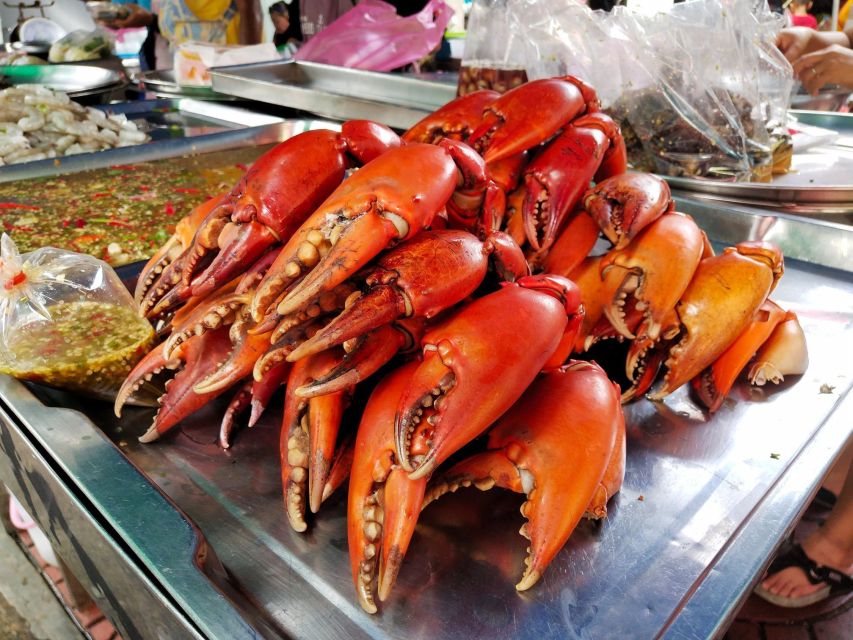
I think the price can make sense if you want more than directions to famous food stalls. The guide helps you understand why a dish belongs in this neighborhood and how Thai and Chinese traditions meet at the table. Crispy pork belly, dumplings, herbal tea, papaya salad, durian, and coffee can become conversation starters rather than isolated snacks.
The exact food lineup is not fixed in the information provided, so do not book this expecting a set menu. Tell the operator about allergies or dietary restrictions in advance. Additional food and drinks are your own expense.
You should also compare the price with your travel style. If you are confident navigating Chinatown, happy to eat independently, and mainly want to take photographs, a self-guided walk will cost less. If you want someone to explain customs, find small alleys, introduce local context, and help you order or taste unfamiliar foods, the fee is easier to justify.
Walking conditions and practical limits
Wear comfortable walking shoes. The route includes markets, narrow streets, temple areas, and backstreets, so flip-flops or stiff shoes could become tiresome.
The tour runs in rain or shine. Bangkok weather can change quickly, so bring an umbrella or raincoat when needed. There is no promise of air-conditioned shelter throughout the walk, and you should plan for outdoor conditions.
Large bags and luggage are not allowed. Bring only what you need for the walk, such as a small personal bag, water, phone, and cash for optional purchases.
The activity is not suitable for wheelchair users. Uneven lanes, tight passages, and market conditions make the route difficult for anyone who needs a fully accessible surface. If mobility is a concern, ask the operator before booking.
The tour is offered in English and German. It returns to the starting point, which simplifies the rest of your day, but you still need to arrange your own transport to MRT Wat Mangkon Station.
Cancellation is flexible up to 24 hours before the start for a full refund, and you can reserve now and pay later. That is useful when your Bangkok plans are still shifting, though you should still check the exact booking terms before confirming.
Who should book this Chinatown walk
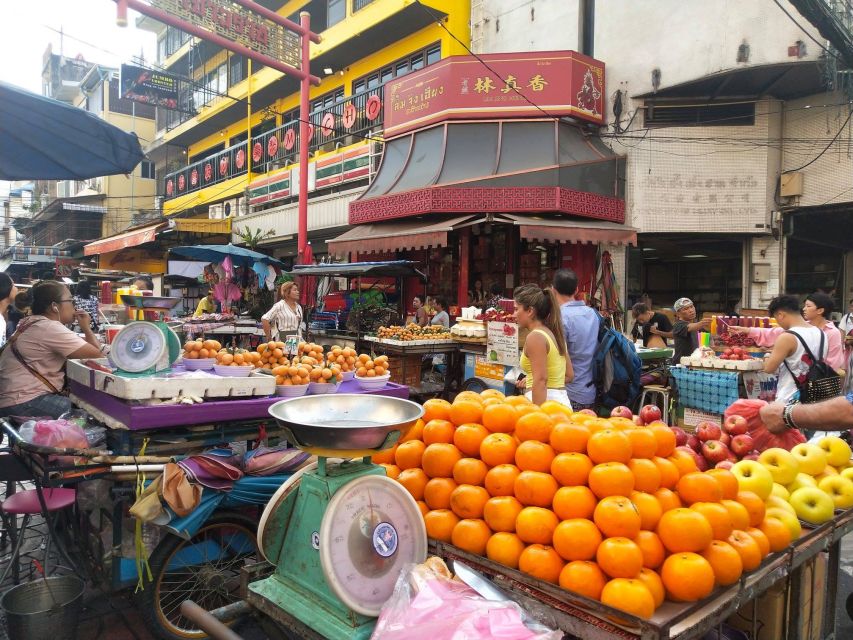
I would choose this tour if you want to understand Chinatown rather than simply pass through it. It suits people who enjoy walking, trying unfamiliar food, asking questions, and seeing ordinary neighborhood life alongside major sights.
It is particularly useful early in a Bangkok stay. After the walk, you will have a better sense of where Chinatown’s markets, temples, food lanes, and historic communities fit together. You may also find it easier to return on your own for a meal or more shopping.
Solo visitors and couples may get the most from the small-group setup. Families can enjoy it too if everyone is comfortable walking in heat and staying attentive in crowded lanes. The route is less suitable for anyone who dislikes flexible food stops, close quarters, or weather exposure.
Should you book the $75 experience?
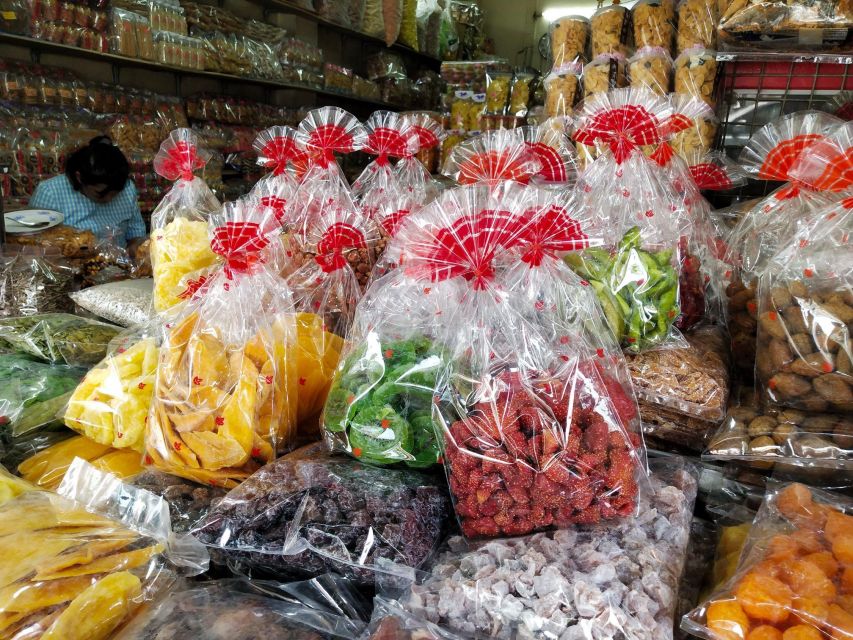
Book it if your priority is local context, personal guidance, and access to quieter corners of Chinatown. The strongest parts are the guides, the small group, the religious sites, Talad Noi, and the connection between food and Chinese-Thai culture.
Skip it if you want a short, fixed food crawl with a guaranteed menu, or if you prefer to explore at your own pace without a guide. For everyone else, $75 is a reasonable investment in seeing Chinatown with more understanding and less guesswork. Arrive early at MRT Wat Mangkon, wear good shoes, keep your bag small, and leave room for an extra snack.
FAQ
Where does the Chinatown walking tour begin?
It begins at MRT Wat Mangkon Station Exit 1, near the Plaeng Nam intersection, at 3 Plaeng Nam Road in Bangkok.
Where does the tour end?
The activity ends back at the meeting point.
How early should I arrive?
Arrive 10 minutes before the scheduled start time.
What food might be included?
Possible tastings include crispy pork belly, handmade dumplings, and herbal teas. Some departures may also include other local food experiences, but the exact selection is not fixed.
Are extra food and drinks included?
No. Personal snacks, additional drinks, shopping, souvenirs, and other personal expenses are not included.
What languages are available?
The tour is offered in English and German.
What should I bring?
Wear comfortable walking shoes. Bring an umbrella or raincoat if rain is possible, and avoid bringing luggage or large bags.
Does the tour operate in bad weather?
Yes. It runs in rain or shine, so prepare for Bangkok’s outdoor conditions.
Is the tour suitable for wheelchair users?
No. The activity is not suitable for wheelchair users.
Can I cancel for a full refund?
You can cancel up to 24 hours in advance for a full refund. You can also reserve and pay later to keep your plans flexible.
More Walking Tours in Bangkok
- Little Havana Food and Walking Tour in Miami
★ 5.0 · 8,882 reviews - Naples: Street Food Walking Tour with Local Guide
★ 4.9 · 4,976 reviews - Greek Food Walking Tour in Athens
★ 5.0 · 4,740 reviews - Barcelona: Tapas Walking Tour with Food, Wine, and History
★ 4.8 · 4,261 reviews
Just added around Bangkok
- From Bangkok: Maeklong Railway and Floating Market Food Tour★ 4.9 · 224 reviews
- Bangkok Tuk-Tuk by Night with Chinatown Street Food Meal★ 4.6 · 263 reviews
- Bangkok: Street Art and Street Food Walking Tour★ 4.1 · 58 reviews
- Bangkok: Talad Noi Hidden Gems & Street Food Adventure★ 4.6 · 29 reviews
- Bangkok: Mojjo Rooftop Lounge & Bar Food & Beverage Package★ 5.0 · 47 reviews
- Bangkok Night Tour: Food, Temple & Tuk-Tuk★ 4.7 · 94 reviews
- Bangkok: Street Food Tasting Tour at Night★ 4.4 · 48 reviews
- Bangkok Street Food and Night Lights by Tuk Tuk★ 4.6 · 49 reviews
Food Tours in Bangkok, compared.
Bangkok by Night: Temples, Markets and Food Tuk-Tuk Tour
Read our review →
Markets, Temples and Food Night Tour by Tuk Tuk
Read our review →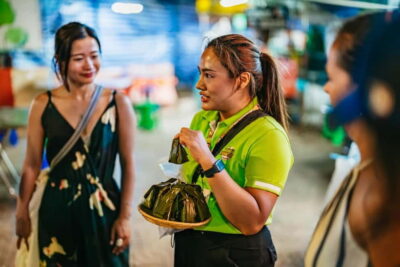
Bangkok Backstreets Food Tour with 15+ Tastings
Read our review →
Browse the lists this tour appears in