
REVIEW · HISTORY & FOOD TOURS
Kigali: Guided Art, History, and Food Tour with Moto Ride
Kigali is easiest to understand when you connect its difficult past with its everyday life. This tour does that in one compact outing, moving from the solemn Kigali Genocide Memorial to contemporary art, local food stalls, city-center photo stops, and Kimironko Market. Guide Aline leads in English, French, Swahili, or Kinyarwanda.
I like two things right away: the tour gives you a useful introduction on your first day, and the moto rides show you how people move around Kigali rather than keeping you inside a tour van. Aline is also known for making solo visitors feel at ease and for adjusting the experience to personal interests, especially art, food, or local history.
The main caution is timing. The published stop lengths add up to more than the stated three-hour duration, and moto fares are extra. Confirm the day’s order and schedule, carry cash, and allow some flexibility if you want time to eat or shop.
Key points to know before you book
- Begin at the Genocide Memorial: Allow time for a respectful visit and consider the optional audio guide.
- Ride motos between stops: Bring cash for the drivers, and remember that transport is not included in the $25 price.
- Meet Aline at the memorial entrance: Look for the check-in room and her uniform with the Tourwithaline logo.
- Taste Kigali at Biryogo: The car-free food street is the place to try local dishes and drinks, though meals and drinks may cost extra.
- See art with local context: Niyo Art Center brings Rwandan and African work into a short city tour.
- Finish at Kimironko Market: This is your best chance to browse local goods and crafts, so keep room in your bag.
Why this is a smart first look at Kigali
For $25 per person, this experience offers a lot of useful orientation. You get a guide, five major stops, local food sampling, art, city views, and a practical lesson in using moto taxis. The fee does not cover hotel pickup, the optional memorial audio guide, or moto fares, so the final cost will be higher.
Still, the value is strong if you are new to Kigali. Aline helps you connect places that would otherwise feel scattered across the city. She also explains how to get around, what moto rides cost, and how to reach meeting points. That practical help can save you time for the rest of your stay.
The tour is particularly good for solo visitors. Several people who joined alone found Aline warm and easy to talk with, and some ended up extending their time together when the schedule allowed. That personal feel seems to be part of the experience, not just a side benefit.
The format can change with the group. If you are the only person booked, you may receive more personal attention and perhaps a little flexibility. With a small group, expect a more shared experience. The tour is not designed for wheelchair users, pregnant women, or children under five.
More food and history walks in the world:
- Amsterdam Food and Cultural Tour with Tastings
★ 5.0 · 4,315 reviews - Barcelona: Tapas Walking Tour with Food, Wine, and History
★ 4.8 · 4,261 reviews - Sevilla Food Tour: Tapas, Wine, History & Traditions
★ 5.0 · 3,468 reviews
Starting with Kigali’s difficult past
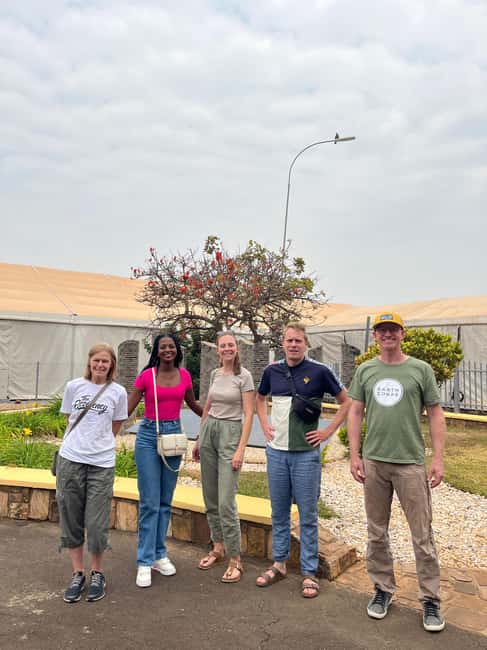
The tour begins at the Kigali Genocide Memorial, where you spend about 90 minutes. This is not a quick photo stop. It is the emotional center of the day and a place to approach with patience and respect.
The memorial explains the 1994 genocide against the Tutsi and places Rwanda’s past within a wider historical setting. The visit gives you context for the country you are seeing today, including the importance of remembrance and rebuilding.
Aline’s role matters here. Her own family perspective and local knowledge can make the visit feel more personal than simply walking through an exhibit alone. At the same time, you should expect serious material. This is not a light opening to a food-and-art outing, and some people may prefer to visit the memorial separately or at a slower pace.
An optional audio guide is available at an additional cost. Ask about it if you want more exhibit detail, or rely on Aline if you prefer a conversational visit. Wear comfortable shoes and be mindful of the setting. Keep your voice low, avoid casual posing, and treat photography with care.
Starting here gives the rest of the tour more meaning. When you later see artwork, markets, and ordinary street life, you have a better sense of the country’s recent past and the importance of the present.
Niyo Art Center and Rwanda’s creative voice
Next comes Niyo Art Center, with about 20 minutes set aside for art. That is a short visit, but the stop adds color and imagination after the memorial.
You can expect work by Rwandan and other African artists, with strong color and cultural themes. The center also offers a chance to see how artists speak about identity, daily life, and memory through painting and other forms. It is a different way to learn about Rwanda than a formal museum visit.
If art is a major reason you booked, tell Aline before the tour begins. One art-focused participant was taken to two galleries instead of one, showing that the route can sometimes reflect your interests and the available time. Do not assume a longer gallery visit is guaranteed, but it is worth asking.
The 20-minute slot works well if you want a first look rather than a long buying session. It may feel rushed if you want to study every piece or shop for souvenirs. The center has an attached cafe, and a mango smoothie received special praise from one visitor, though food and drinks are not generally included unless clearly specified.
Biryogo Car Free Food Street
The tour then shifts from art to eating at Biryogo Car Free Food Street. About an hour is allocated here, making it one of the more relaxed parts of the route.
This is where you can try local food and drinks while watching Kigali’s daily rhythm. The point is not a formal restaurant meal. It is a chance to sample familiar local flavors in a public setting and ask Aline what you are eating, how it is prepared, and what else to try.
The food tasting is included in the activity description, but the general conditions say meals and drinks are not included unless specified. Bring cash so you are not caught short. If you have allergies, dietary restrictions, or foods you avoid, tell Aline early and ask what is suitable.
I like this stop because it gives you a direct connection to Kigali’s food culture. It also breaks up the more serious memorial visit and the visual focus of the gallery. The tradeoff is that street food is not as predictable as a restaurant meal. Portions, choices, and prices can vary, so keep your expectations practical.
A few more food tours around the world worth comparing
- Dubai: Old Town, Souks, Street Food, Guided Tour & Abra Ride
★ 4.9 · 7,170 reviews - Hanoi: Guided Food Tour with Train Street Visit
★ 4.9 · 6,239 reviews - Naples: Street Food Walking Tour with Local Guide
★ 4.9 · 4,976 reviews - Rome: Street Food Tour with Local Guide
★ 4.8 · 4,077 reviews
The Kigali sign and a short city-center walk
After eating, you walk toward the Kigali sign in the city center for a photo stop of about 30 minutes. This is the lightest part of the tour, and it gives you a chance to take pictures and reset before the market.
The sign is a simple stop, but it has a useful purpose. It marks your arrival in the city and gives solo visitors a good photo opportunity without having to ask a stranger. Aline has also been praised for taking photos during the day, so you can ask for help if you want a picture of yourself rather than another skyline shot.
The walk is worth noting. This is not an entirely vehicle-based outing. You will move on foot between some stops, so comfortable shoes, water, and sunscreen are sensible. Kigali’s hills and outdoor sections can make a short walk feel more active than the distance suggests.
Finishing among the stalls at Kimironko Market
The final stop is Kimironko Local Market, reached by moto. You spend about 30 minutes exploring the market, where you can browse produce, household goods, clothing, crafts, and other local items.
This is a good place to see ordinary commerce rather than a display arranged for sightseeing. The market can feel energetic and crowded, especially compared with the quiet memorial grounds. Keep your belongings secure, stay close to Aline, and ask before photographing people or stalls.
You may want to buy gifts here. Aline can help with bargaining and explain which prices are reasonable, but you should still decide what an item is worth to you before negotiating. Cash is essential for small purchases and moto fares.
Thirty minutes is enough for a quick look, not a serious shopping expedition. If you like markets, you may wish to return on your own later. Ending here also leaves you in a useful part of the city rather than taking you back to your hotel.
Moto rides are part transport, part local lesson
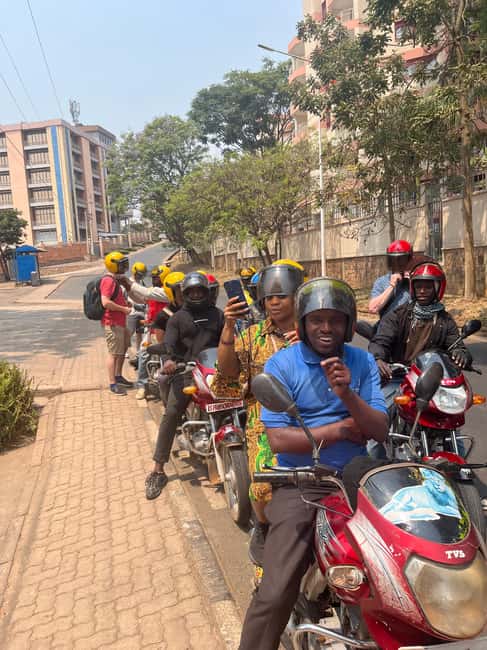
The moto rides give this experience its distinctive feel. Rather than spending the whole tour in a private vehicle, you move between major stops on motorcycle taxis, taking in Kigali at street level.
For many people, this is the most fun part of the day. You see the city between destinations, and Aline can show you how the system works. One practical benefit is learning how to find and pay moto drivers for the rest of your stay.
Moto transport is not included in the $25 fee. Bring cash, and budget for several short rides. The exact cost is not provided, so ask Aline or the driver before setting off. If you have an injury, do not want to ride, or need another arrangement, say so in advance. One participant with a sports injury completed the route without using the motorcycles.
The activity is not suitable for pregnant women, and it may not suit anyone who feels uneasy on a motorcycle. If you choose to ride, wear practical clothes, hold on as instructed, and keep your camera secure. This is local transport, not a sightseeing ride designed for comfort.
What Aline adds to the experience
Aline is the named guide and the central strength of the tour. Her background in tourism and ability to speak English, French, Swahili, and Kinyarwanda make communication easier for an international audience.
Her guiding style appears especially useful if you like questions. You can ask about Rwanda, Kigali, food, markets, transport, or places to visit later. She has also helped solo visitors find their moto meeting point by sending directions in Kinyarwanda, a small but practical touch when you are still finding your feet.
The best results will come if you tell her what interests you. Ask for more time with art if that matters most. Ask for food explanations if you are curious about local dishes. If the memorial feels like the key reason for booking, let her know so you can give that visit the attention it deserves.
Do not expect a fixed private itinerary with unlimited time at every stop. The outing has several destinations and a short duration. Flexibility is possible, but it depends on the group, traffic, opening conditions, and the day’s schedule.
Timing, meeting point, and what to carry
Meet at the main entrance of the Kigali Genocide Memorial. Look for the clearly marked check-in room and the guide wearing a uniform with the Tourwithaline logo. Add your contact details when booking so the guide can reach you at the meeting point.
The advertised duration is three hours, but the listed stop times total longer than that. The memorial takes 90 minutes, Niyo Art Center 20 minutes, Biryogo about an hour, the city sign 30 minutes, and Kimironko Market another 30 minutes. Ask for the confirmed schedule before you go, especially if you have a flight, lunch booking, or another activity afterward.
Wear comfortable walking shoes and bring water, sunscreen, a camera, and cash. Smoking is not allowed. Hotel pickup and drop-off are not included, so arrange your own way to the memorial and from Kimironko Market after the tour.
Free cancellation is available up to 24 hours before the activity for a full refund, and you can reserve now and pay later. Check the available start times before booking, since the exact schedule is not fixed in the details provided.
Who should book this Kigali tour
I would choose this tour for a first day in Kigali, especially if you are traveling alone or want a local guide to help you get oriented. It combines serious history, art, food, transport, photography, and shopping without requiring you to plan five separate outings.
It is also a good fit if you prefer conversation over a large coach tour. Aline’s language skills and flexible approach suit people who want to ask questions and shape the day around personal interests.
You may want another option if you need a fully accessible route, dislike motorcycles, want a slow memorial visit, or prefer a food tour with all meals included. The short duration also means you will get a broad introduction rather than a detailed study of each stop.
Should you book it?
Book it if you want a practical and personal introduction to Kigali for $25, and you are comfortable carrying extra cash for moto rides and possible food or shopping. The mix is unusually useful: the memorial gives the day weight, Niyo adds creative context, Biryogo brings in local tastes, and Kimironko shows you everyday commerce.
Before paying, confirm the actual duration and moto arrangements. If those details work for you, this is a strong choice for your first Kigali outing, particularly with Aline as your guide. Give the memorial the respect it deserves, stay flexible about timing, and you will get far more than a quick checklist of city sights.
FAQ
Where does the tour begin?
It begins at the main entrance of the Kigali Genocide Memorial. Look for the designated check-in room and the guide wearing a uniform with the Tourwithaline logo.
Where does the tour finish?
The tour finishes at Kimironko Local Market.
How much does the experience cost?
The listed price is $25 per person. Moto transport, hotel transfers, the optional memorial audio guide, and meals or drinks unless specified are not included.
How long does the tour last?
The advertised duration is three hours. The listed stop times add up to more than three hours, so confirm the schedule and order with the guide before booking around it.
Which languages does the guide speak?
The tour is available in English, French, Swahili, and Kinyarwanda.
Are moto rides included in the price?
No. You need to bring cash for the moto drivers.
Is food included?
Street food tasting at Biryogo is part of the experience, but meals and drinks are generally listed as not included unless specifically stated. Bring cash for anything you purchase.
What should I bring?
Bring comfortable shoes, water, sunscreen, a camera, and cash.
Who should not join this activity?
The tour is not suitable for children under five, pregnant women, or wheelchair users.
Just added around the world
- Milan’s Full-Meal Gourmet Food Tour – More Than Tastings★ 4.8 · 81 reviews
- Milan: Street Food Walking Tour★ 4.7 · 180 reviews
- Kolkata Midtown Madness- A Street Food & Nightlife Tour★ 4.9 · 49 reviews
- Milan: Delicious Food Tour and City Center Sightseeing★ 4.8 · 111 reviews
- Mexico City: Authentic Downtown Food Tour★ 4.9 · 260 reviews
- Miami: Intimate Sailing in Biscayne Bay w/ Food and Drinks★ 4.7 · 34 reviews
- Mexico City: Vegan and Vegetarian Street Food Adventure★ 4.8 · 65 reviews
- Mexico City: Mystic Markets La Merced & Sonora Culinary Tour★ 4.9 · 301 reviews
Historical Tours, compared.
Amsterdam Food and Cultural Tour with Tastings
Read our review →
Tapas Walking Tour with Food, Wine, and History
Read our review →
Sevilla Food Tour: Tapas, Wine, History & Traditions
Read our review →
Madrid Tapas & Taverns Small Group Food & History Tour
Read our review →
Barcelona Tapas Walking Tour: Food, Wine & History
Read our review →
Browse the lists this tour appears in