
REVIEW · AUSTRIA
Vienna: Culinary Experience at Restaurant Stefanie
Vienna’s culinary story is best told at the table, and this seven-specialty tasting menu gives you a generous introduction to it. At Restaurant Stefanie, inside Vienna’s oldest hotel, you’ll work through dishes tied to the former Austrian monarchy, from veal goulash and pancake soup to schnitzel, boiled beef, and several desserts.
I like the elegant setting and the chance to taste several classics in one sitting, rather than ordering one large plate and guessing what else to try. I also like that beer, wine, and coffee are included, though the portions can be surprisingly large for a tasting menu, and the food history may be limited to short explanations unless your server is especially attentive.
Key points at a glance
- Seven Austrian specialties: Taste savory dishes and desserts in one long meal.
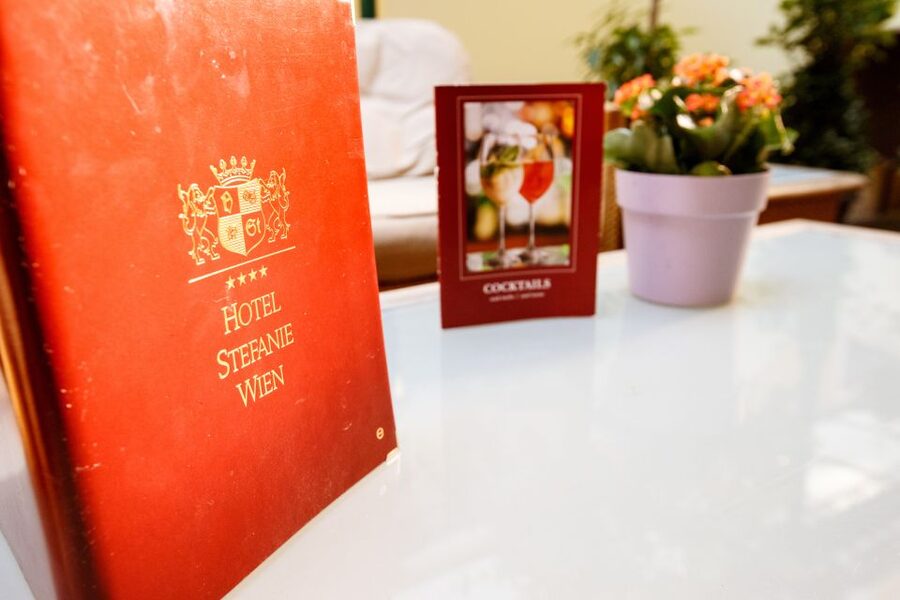
- Historic setting: Restaurant Stefanie is inside Hotel Stefanie, described as Vienna’s oldest hotel.
- Classic Viennese menu: Expect schnitzel, potato salad, boiled beef, goulash, strudel, and Kaiserschmarren.
- Three drinks included: The package includes beer, wine, and coffee. Extra drinks cost more.
- Self-guided format: You dine at a private table without a dedicated guide or formal walking tour.
- Good for a full meal: Portions are generous, so arrive hungry rather than treating this as a light snack.
A taste of Imperial Vienna at Hotel Stefanie
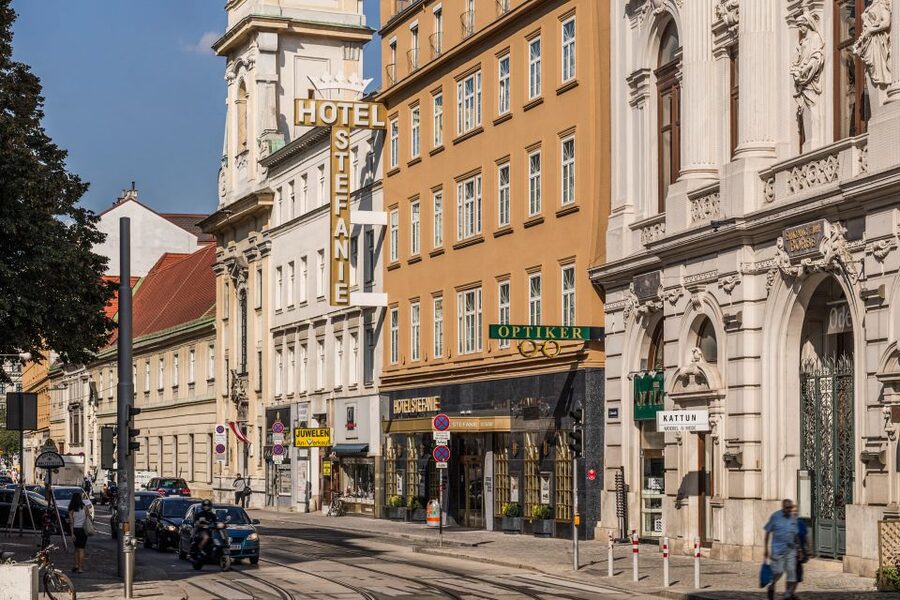
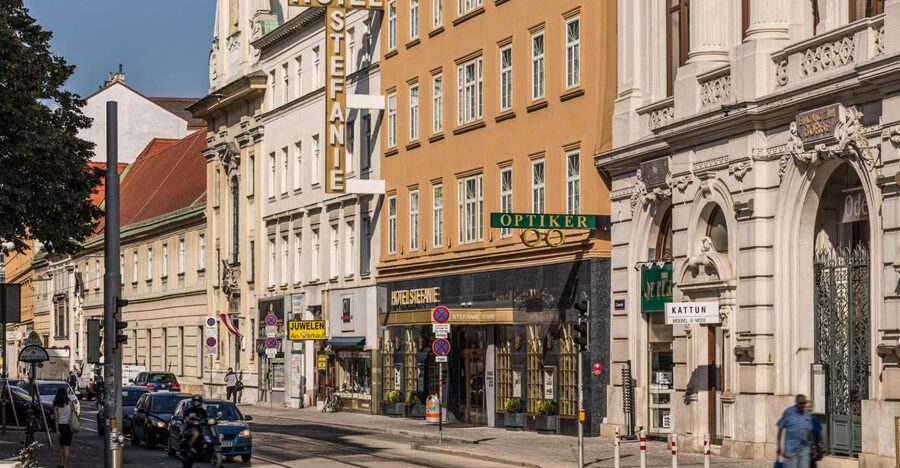
This experience takes place at Hotel Stefanie on Taborstrasse in Vienna’s second district. You’ll enter the hotel, find Restaurant Stefanie, and settle in for a traditional Austrian meal rather than a lecture or kitchen demonstration.
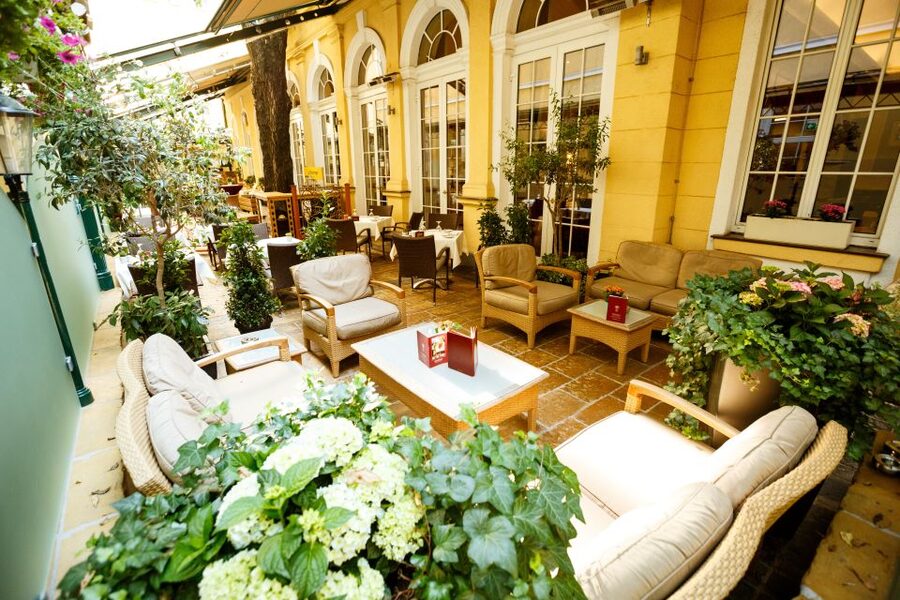
The setting is part of the appeal. The restaurant has an elegant, traditional feel, and the hotel gives the evening a sense of place that a modern food hall cannot match. You are not simply checking dishes off a menu. You are eating in an old Viennese hotel while moving through recipes connected to the former crown lands of the Austrian monarchy.
That historical angle is useful, but keep your expectations in check. This is not a guided tour with a named food expert. There is no dedicated guide leading a group from course to course. Your server explains the dishes, with the amount of background depending on the service you receive.
Some diners receive clear explanations of each course, while others hear only a basic description. A booklet about the origins and importance of the foods may be provided at the end, which helps fill in the historical details. If learning about the food matters as much to you as eating it, ask questions during the meal.
More Food Tours in Vienna
- Vienna for Food Lovers: Cafés, Markets & Austrian Cuisine
★ 5.0 · 1,063 reviews - Authentic Vienna Food Tour inc. lunch, street food, 3 drinks
★ 5.0 · 749 reviews - From Vienna: Bratislava City Tour with Food Options
★ 4.0 · 451 reviews
What arrives at the table
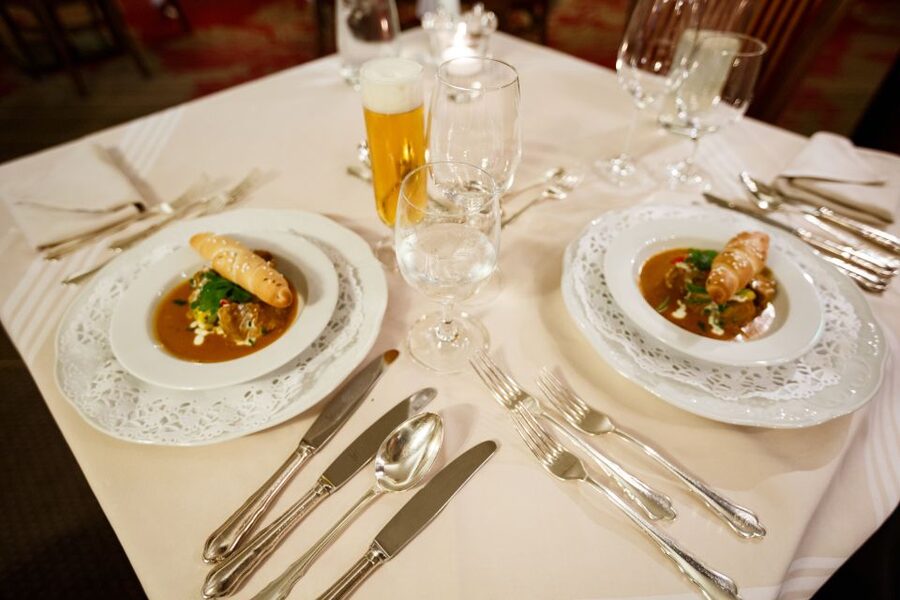
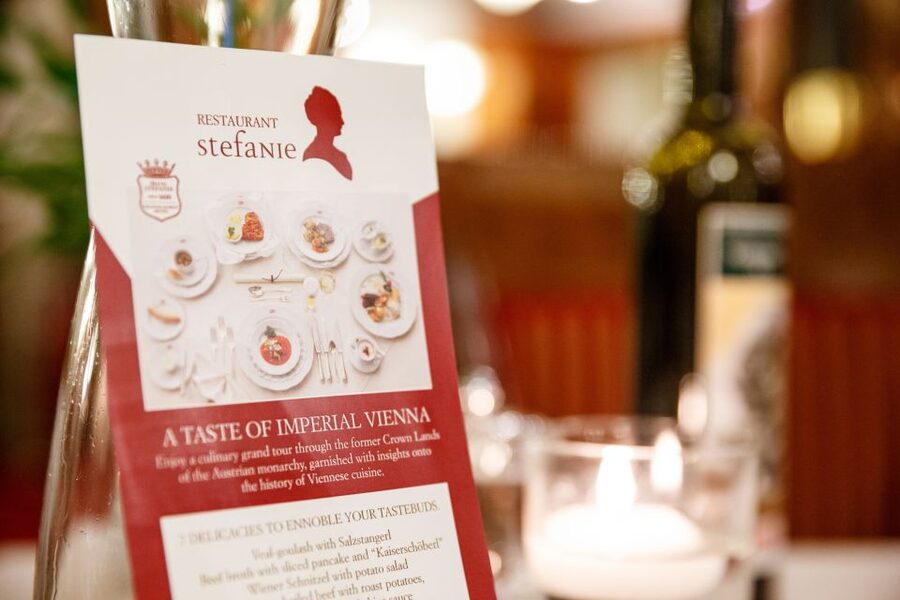
The menu is designed as a progression through familiar Austrian dishes. Exact presentation can vary, and some descriptions refer to five courses while others describe seven courses or a seven-part tasting. The safest expectation is seven specialties served in several courses, with some courses containing more than one item.
The meal begins with veal goulash and pretzel sticks. Goulash is strongly associated with Hungarian cooking, so its place in a Viennese menu raises a good question: did Hungarian goulash really originate in Vienna? The answer is no, but the dish became part of the shared culinary world of the former monarchy. This course gives you a useful reminder that old Central European food traditions do not fit neatly inside modern borders.
Next comes beef soup with sliced pancakes and Kaiserschöberl. Pancake strips in clear soup are a familiar Austrian comfort food, while Kaiserschöberl is an unsweetened sponge cake served with the soup. It is a small but worthwhile detail, since Austrian cooking often makes clever use of simple ingredients.
The soup course also shows why this meal works better than ordering a single schnitzel. You get a sense of the Austrian table beyond its most famous dish. The flavors are generally home-style and hearty, not experimental or heavily decorated.
Schnitzel, potato salad, and the Viennese table
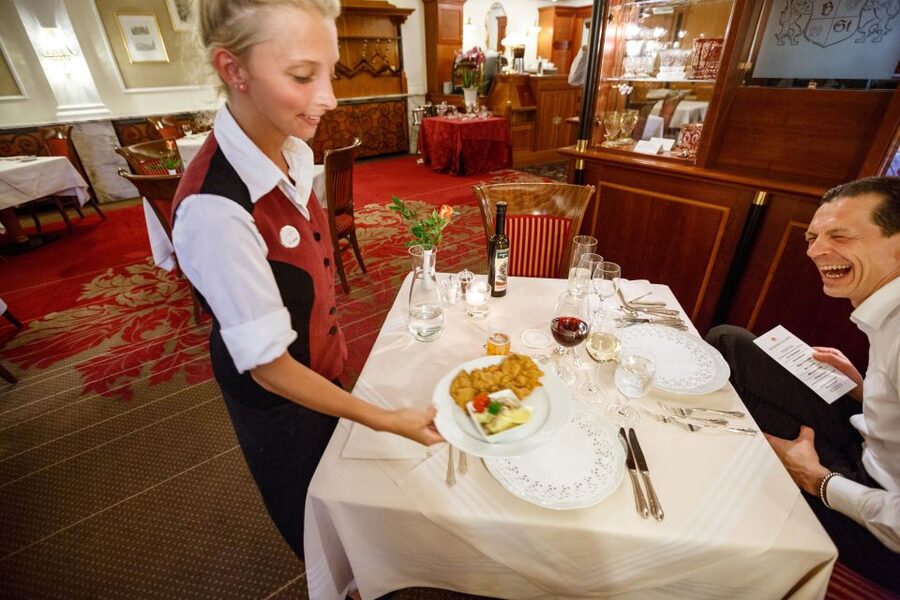
The Viennese schnitzel is the centerpiece for many diners. Traditionally made with veal, it is served here with potato salad. The dish is linked in the menu’s historical theme to Field Marshal Radetzky, a figure associated with the Austrian Empire and with the story of how Italian-style breaded veal may have influenced Viennese schnitzel.
You should expect a proper main course, not a tiny sample. The schnitzel and salad are part of a meal that continues with another substantial savory dish, so do not fill up too early.
The potato salad matters, too. In Vienna, it is often treated as an essential partner to schnitzel rather than a side chosen at random. Its lighter, tangy character balances the fried coating and keeps the plate from feeling too heavy, though the entire meal remains fairly protein-heavy.
If you are a picky eater, this is one of the more approachable parts of the menu. The dishes are familiar, simply prepared, and presented in a polished restaurant setting. If you prefer vegetables or lighter food, you may find the meal somewhat meat-centered.
Boiled beef and the question of the top round
The next savory course is boiled filet of beef with chive sauce and apple horseradish sauce. This is a classic Austrian combination, and it gives you a different idea of Viennese food than schnitzel does.
The beef is served with sauces that pull in opposite directions. Chive sauce is mild and creamy, while apple horseradish adds sweetness and sharpness. The pairing is a reminder that boiled beef in Austrian cooking is not meant to be plain meat left on a plate. The sauces provide much of the character.
The menu also raises a practical culinary question: is the top round really the best cut of beef? You may not receive a formal answer during dinner, but the question fits the larger purpose of the meal. Austrian food has its own ideas about cuts, sauces, and preparation, and this course invites you to think about why a classic dish became classic.
Past portions have been described as tender and generous. If you are eating alone, you may struggle to finish every course. That is not a flaw in the cooking, but it is worth knowing before you arrive.
A few more food tours around the world worth comparing
- Sorrento Farm and Food Experience including Olive Oil, Limoncello, Wine tasting
★ 5.0 · 2,524 reviews - Rome: Gourmet Food Tour with Dinner & Barolo Wine
★ 4.9 · 2,347 reviews - Porto Food & Wine Tasting Tour with Lunch or Dinner Option
★ 5.0 · 2,303 reviews - Lisbon: Baixa District Food Tour with Dinner and Drinks
★ 4.9 · 1,997 reviews
Three desserts to finish a substantial meal
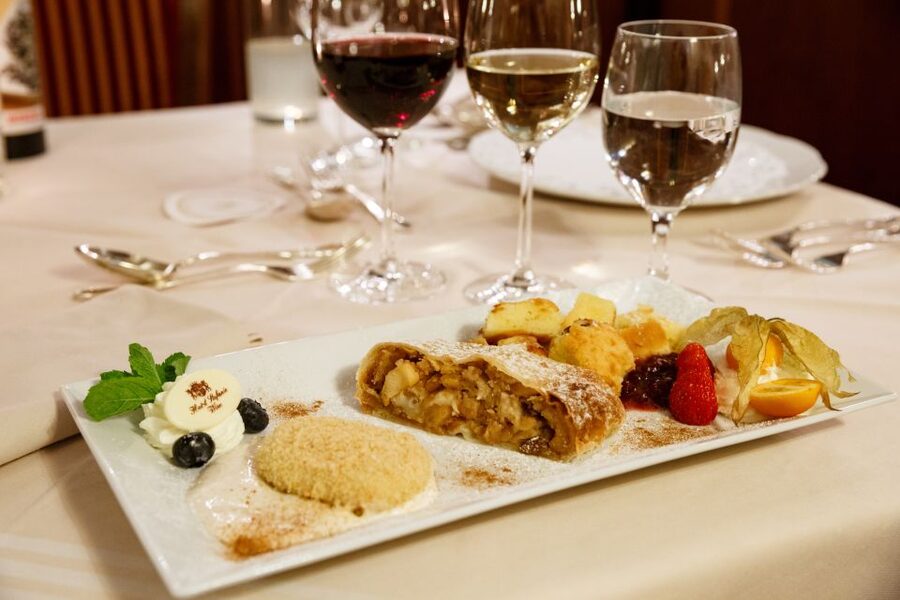
Dessert is not an afterthought here. The final part of the tasting includes plum jam turnovers, apple strudel, and shredded pancakes, usually known as Kaiserschmarren.
The plum jam turnovers offer a sweet pastry finish, while apple strudel gives you one of Vienna’s best-known desserts in a traditional form. The shredded pancakes are softer and more rustic, often served as torn pieces rather than one neat pancake. Their name is linked to Emperor Franz Joseph, though the exact story has several versions.
The dessert selection is one of the strongest reasons to book this meal if you have a sweet tooth. You get three different styles at once: filled pastry, fruit strudel, and a warm pancake dessert. Coffee is included, making the final course feel like a proper Viennese café-style finish.
This is also where the meal can become too much. Several diners have found the portions more than they could manage, especially when the full savory menu comes first. Go hungry, but do not assume you need to arrive starving. A large lunch could make this evening uncomfortable.
Beer, wine, coffee, and extra costs
The $88 price per person includes food plus three drinks: beer, wine, and coffee. For a two-hour meal in an elegant hotel restaurant, that can be fair value, particularly if you would otherwise order a full dinner and several drinks separately.
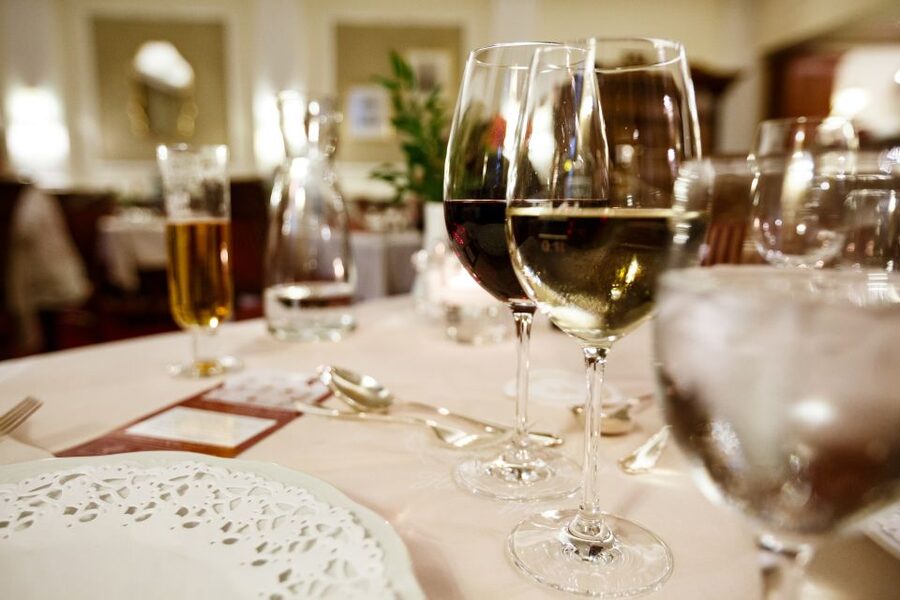
The drinks also help shape the evening. Beer works naturally with schnitzel and pretzel sticks, wine gives the meal a more formal feel, and coffee belongs with the desserts. The package is not simply a food sampler with one complimentary drink added at the end.
If you do not drink alcohol, ask about substitutions. Nonalcoholic drinks have been provided in place of beer and wine, including juices and soft drinks. This is useful for families and for anyone who wants the experience without alcohol, though you should confirm the available replacement when seated.
Be careful with water. Bottled water may be charged separately, so ask whether tap water is available before ordering. Additional drinks and extras are not part of the advertised price.
What the service is like
Service is one of the most consistently praised parts of this experience. The staff are described as friendly, attentive, professional, and comfortable speaking English. That matters in a long meal, since several courses can feel slow or confusing if no one explains what is arriving.
The best version of the experience includes a short explanation with each dish. You may hear why a recipe matters, how it fits into Austrian cooking, or what sauce belongs with the meat. The amount of explanation is not guaranteed, so take the lead if you want more than a menu description.
Solo diners are especially well served by this format. You receive a private table and a structured meal, so you do not need to arrange a large group to sample Austrian specialties. The staff have also made solo diners feel welcome rather than rushed.
The pace is generally suited to an evening meal. The stated duration is two hours, though older accounts describe a much longer sitting. Plan your evening around two hours and avoid booking a tightly timed activity immediately afterward.
Is it authentic or too polished?
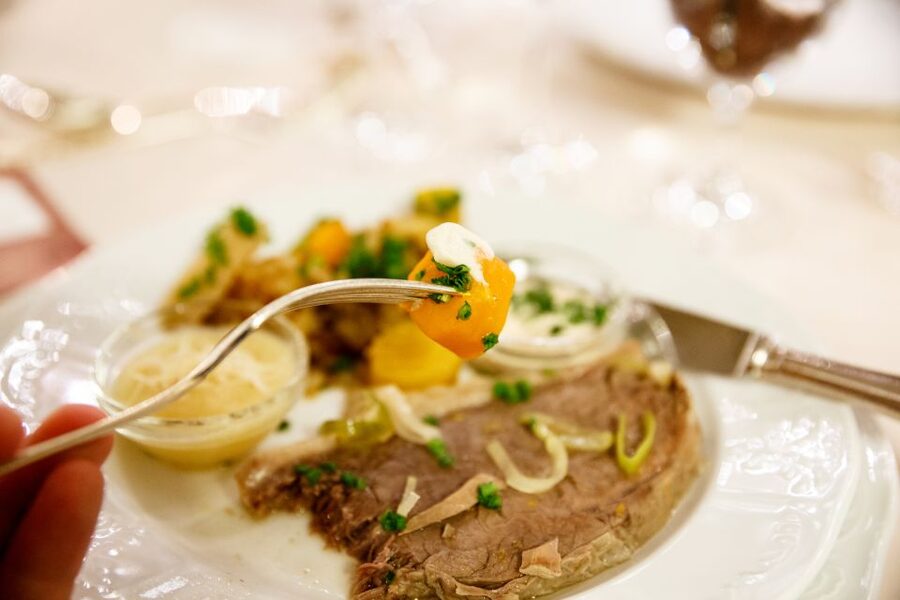
Restaurant Stefanie presents Austrian food in a refined hotel setting. That makes the meal comfortable and attractive, but it also means you are not eating in a tiny neighborhood tavern or at a market stall.
The cooking is described as authentic, wholesome, and similar to home cooking, with elegant presentation. That is a useful balance. The experience gives you classic dishes without requiring you to decode a German menu or visit several restaurants.
The tradeoff is that the setting and format are designed for visitors who want a broad introduction. You are getting a planned tasting menu, not the freedom to order whatever a local regular might choose that evening. For a first visit to Vienna, that structure is helpful. For a serious food enthusiast looking for unusual regional dishes, it may feel familiar rather than adventurous.
Practical details before you book
The restaurant is at Hotel Stefanie, Taborstrasse 12, 1020 Vienna. You should go directly to the hotel and restaurant rather than expecting a meeting point for a walking tour.
The experience lasts two hours, and you need to check the available starting times for your date. It is wheelchair accessible. Pets are not allowed, although assistance dogs are permitted.
You can cancel up to 24 hours in advance for a full refund, and a reserve-now, pay-later option is available. Those terms are useful if your Vienna plans are still shifting.
The meal is best suited to:
- Couples wanting a polished Austrian dinner
- Solo diners who want a structured culinary experience
- First-time visitors who want to sample several famous dishes
- Families and non-drinkers, if drink substitutions are confirmed
- Anyone interested in the connection between Austrian food and the old monarchy
It is less suited to you if you want a live culinary lecture, a cooking class, a light dinner, or complete control over every course.
How to get the most from the evening
Arrive hungry, but not after skipping all food for the day. The meal includes multiple savory courses and a substantial dessert selection, so pacing yourself matters.
Ask your server about the historical links as each dish arrives. You can ask about Radetzky and schnitzel, the Hungarian connection to goulash, the name Kaiserschmarren, and the choice of beef cut. These questions may lead to a more informative meal than simply waiting for each plate.
If you want the full historical context, look for the booklet offered at the end. It can provide the background that a short table-side explanation may not cover.
Also, decide in advance how you feel about the included drinks. Beer, wine, and coffee are part of the package, but nonalcoholic substitutions may be available. Confirm this early, and ask about water charges before ordering a bottle.
Should you book Restaurant Stefanie?
I would recommend this experience if you want one comfortable meal that covers the Austrian classics. You get a handsome setting, attentive service, a large range of dishes, and three included drinks. The price makes the most sense when you count it as a full dinner rather than a small tasting.
Book it with a clear understanding that the historical component is light and depends on your server. You are dining in a historic hotel, not joining a formal food tour. If your priority is eating schnitzel, goulash, boiled beef, strudel, and Kaiserschmarren in one sitting, it is a strong choice. If your priority is a detailed lecture or a hands-on activity, choose something else.
FAQ
Where does the culinary experience take place?
It takes place at Restaurant Stefanie inside Hotel Stefanie, at Taborstrasse 12, 1020 Vienna.
How long does the experience last?
The scheduled duration is two hours.
How much does it cost?
The listed price is $88 per person.
How many Austrian specialties are included?
The experience includes seven specialties, served across several courses.
Which foods are served?
The menu includes veal goulash with pretzel sticks, beef soup with sliced pancakes and Kaiserschöberl, Viennese schnitzel with potato salad, boiled filet of beef with chive sauce and apple horseradish sauce, plum jam turnovers, apple strudel, and shredded pancakes.
Are drinks included?
Yes. Beer, wine, and coffee are included. Additional drinks and extras are not included.
Is this a guided tour?
No. It is a restaurant meal with food service rather than a walking tour or a formal tour led by a dedicated guide.
Can non-drinkers take part?
Yes. Nonalcoholic substitutions have been provided for guests who do not drink alcohol. Confirm the available replacements with the restaurant.
Is the restaurant wheelchair accessible?
Yes, the experience is listed as wheelchair accessible.
Can I cancel my booking?
Yes. You can cancel up to 24 hours in advance for a full refund. A reserve-now, pay-later option is also available.
Just added around the world
- Milan: Street Food Walking Tour★ 4.7 · 180 reviews
- Milan’s Full-Meal Gourmet Food Tour – More Than Tastings★ 4.8 · 81 reviews
- Milan: Delicious Food Tour and City Center Sightseeing★ 4.8 · 111 reviews
- Kolkata Midtown Madness- A Street Food & Nightlife Tour★ 4.9 · 49 reviews
- Mexico City: Authentic Downtown Food Tour★ 4.9 · 260 reviews
- Miami: Intimate Sailing in Biscayne Bay w/ Food and Drinks★ 4.7 · 34 reviews
- Mexico City: Vegan and Vegetarian Street Food Adventure★ 4.8 · 65 reviews
- Mexico City: Mystic Markets La Merced & Sonora Culinary Tour★ 4.9 · 301 reviews
Food Tours in Austria, compared.
Vienna for Food Lovers: Cafés, Markets & Austrian Cuisine
Read our review →
Authentic Vienna Food Tour inc. lunch, street food, 3 drinks
Read our review →
Innsbruck: Food Walk – Private Tour with a Licensed Guide
Read our review →Browse the lists this tour appears in