
REVIEW · HANOI
Street Food Tour Hanoi and Train Street Experience
Hanoi’s best introduction may begin at a tiny food shop, not a grand monument. This three-hour walk takes you through the Old Quarter’s 36 historic streets, where old trades, family-run eateries, markets, cafés, and narrow lanes still shape daily life. You’ll taste several Vietnamese foods, learn how locals eat, and finish at Hanoi’s famous railway alley.
I like two things here. First, the guide does the ordering and explaining, so you can try dishes you might otherwise walk past. Second, the small-group format makes it easier to ask questions and adjust the food for vegetarian needs. The main caution is simple: this is a walking and eating tour in crowded streets, and Train Street can become very busy. It is not suitable for wheelchair users.
Key points to know before booking
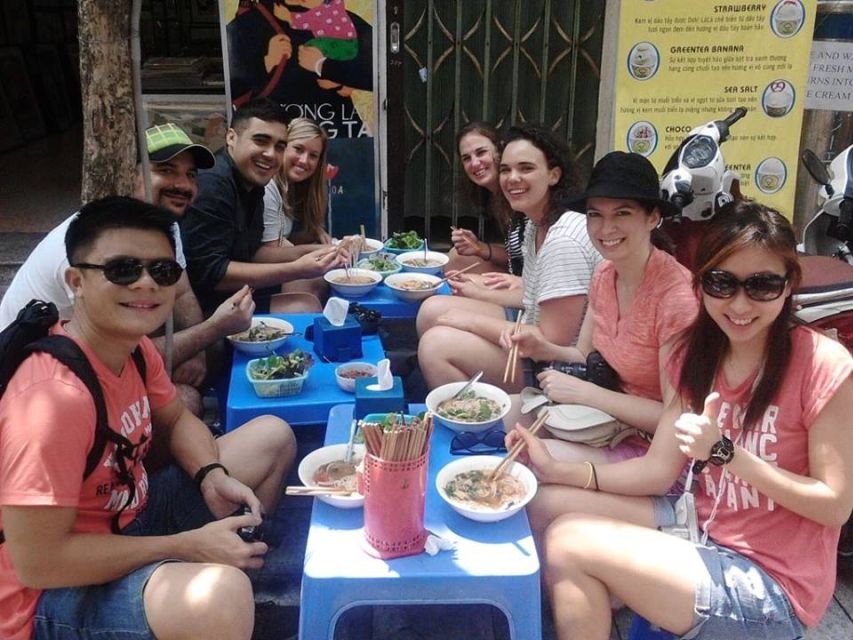
- Five or more food stops: Expect a generous spread that can include banh mi, pho, bun cha, satay, local sweets, drinks, and egg coffee.
- Old Quarter context: The 36 streets were traditionally linked to trades such as silk, paper, silver, blacksmithing, jewelry, and headstone making.
- Train Street visit: See a narrow residential railway corridor built in 1902 during the French period, with cafés beside the active track.
- Strong local guiding: Guides including Ha, Mia, Harry, Benjamin, Ning, and Ryan have been praised for friendly explanations of food, culture, and Hanoi life.
- Good first-night choice: The tour can show you dishes and eateries you may want to revisit later in your trip.
- Come hungry: Past groups have found the portions generous enough to fill most of the day.
Why this Hanoi food walk works so well
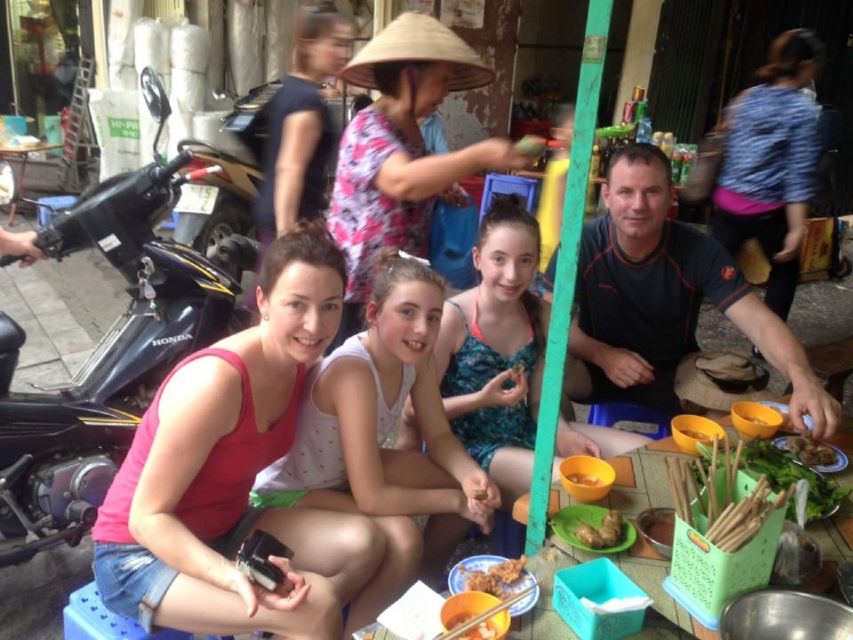
A street food tour is useful in Hanoi because the best eating often happens in places that look too modest to enter. A low storefront, a few plastic stools, and a handwritten menu may offer a memorable meal, but a first-time visitor cannot always tell which place is worth trying.
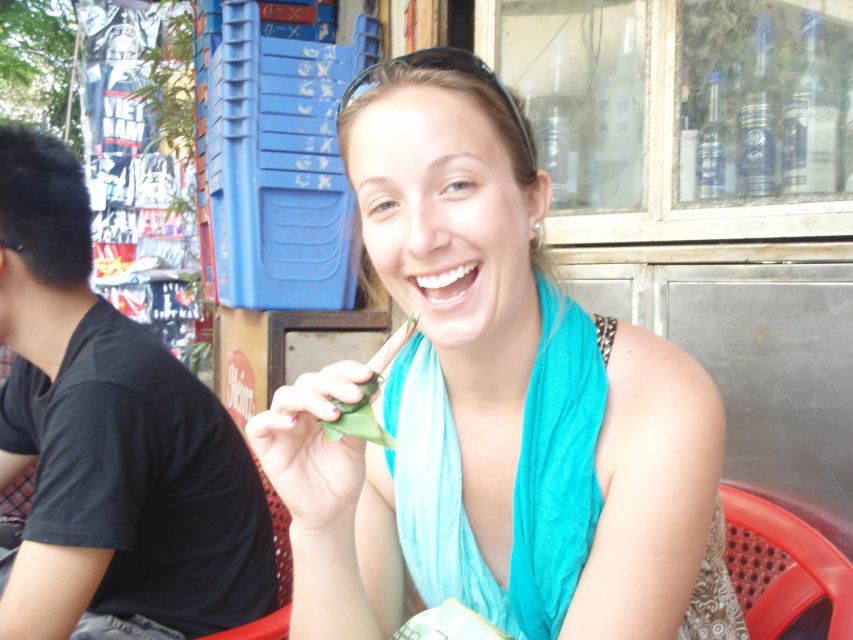
Your guide removes that guesswork. You walk from stop to stop, taste local dishes, and get a plain explanation of what you are eating. The food is not treated as a series of random samples. It becomes a way to understand how Hanoi works, from quick meals on tiny stools to coffee served in a narrow café.
The tour costs $28 per person and lasts about three hours. That is a fair price if you want a meal, several tastings, drinks, dessert, and a local orientation in one outing. You are also paying for the guide’s local knowledge and for the confidence to enter small food shops you might ignore on your own.
Personal shopping and extra drinks cost more. The included package covers an authentic Vietnamese meal, dessert, and drinks, but you should not assume every beverage you order beyond the planned tastings is included.
More Food Tours in Hanoi
- Hanoi Jeep Tour: Food, Culture and Fun by Vietnam Army Jeep
★ 5.0 · 15,222 reviews - Hanoi Motorbike Tour: Food, Culture and Fun by Vintage Motorbike
★ 5.0 · 6,699 reviews - Hanoi: Guided Food Tour with Train Street Visit
★ 4.9 · 6,239 reviews
Starting at 31 Lo Su Street
The stated meeting point is the booking office at 31 Lo Su Street in Hoan Kiem District, close to the Water Puppet Theater and in the center of Hanoi’s Old Quarter. Hotel pickup may be available from hotels in the Old Quarter, depending on the option you choose.
Check your confirmation carefully before setting out. One past booking had trouble with an incorrect starting address, although the group was brought together and the tour continued normally. Allow extra time to find the office, especially if this is your first walk through the Old Quarter.
The exact start time depends on availability. Some departures may suit a morning food walk, while others work better as an evening meal. The activity details include dinner, sunset, coffee, tea, beer, and wine among the possible elements, so check the selected departure rather than assuming every tour has the same timing or drink list.
Walking through Hanoi’s 36 streets
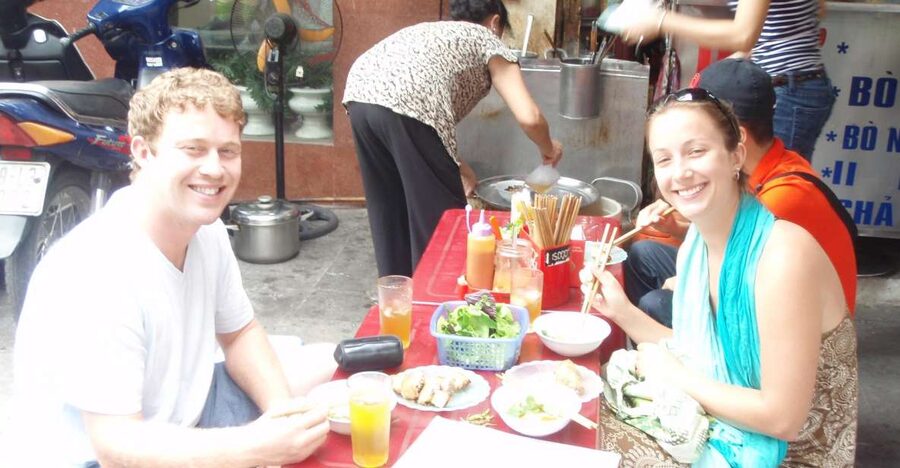
The Old Quarter is more than a shopping district. Its street names and businesses reflect the old craft system, with particular streets once associated with blacksmiths, silver sellers, paper makers, silk traders, jewelers, and makers of stone memorials.
You will not cover every one of the 36 streets in three hours. Instead, the guide leads you through a selection of lanes and backstreets, linking food stops with stories about the district and the city. That approach gives you a usable sense of place without turning the experience into a long lecture.
I like this balance. You get history in short, useful pieces while moving toward the next meal. A guide may point out an old trade, explain how a family business works, or describe everyday life in Hanoi. The strongest guides, including Ha, Mia, and Benjamin, have been praised for connecting food with Vietnamese culture, customs, politics, history, and family life.
Expect traffic, scooters, pedestrians, shop displays, and narrow pavements. Comfortable shoes matter. This is not a polished culinary classroom. It is a close-up look at a working neighborhood, and that means noise, crowds, and uneven walking conditions.
The food stops: a full Vietnamese meal
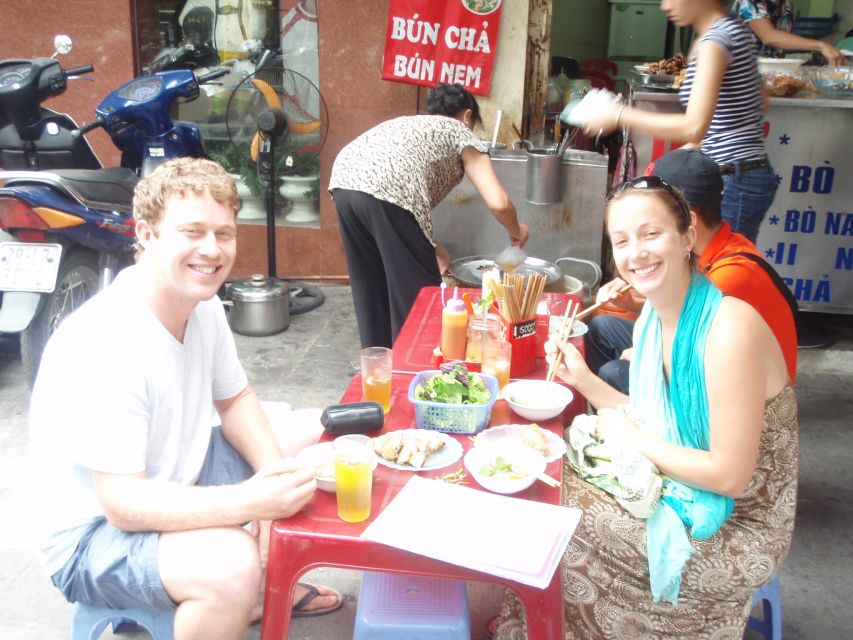
The exact dishes can change, but the food examples connected with this tour include banh mi, pho, bun cha, satay, local snacks, regional specialties, sticky rice dessert, and egg coffee. Past routes have stopped at roughly five places while offering several different foods along the way.
Banh mi is often a useful first taste because it is familiar in form but distinctly Vietnamese in flavor and texture. Pho gives you a chance to experience one of the country’s best-known noodle soups in its local setting. Bun cha offers another side of northern Vietnamese cooking, with grilled meat, noodles, herbs, and dipping sauce.
The point is not simply to eat famous dishes. Your guide can show you how to approach unfamiliar sauces, herbs, sweets, or drinks. That support is particularly handy when a menu has little English or when a dish looks unlike anything you have ordered before.
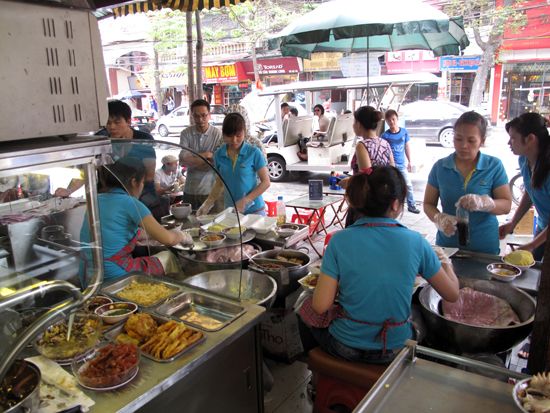
Several food stops may be family-owned businesses rather than large restaurants. That matters because the experience feels connected to ordinary Hanoi eating. You may sit close to local diners, use small stools, and pass through narrow lanes to reach a place that would be easy to miss from the main street.
The amount of food is one of the tour’s clear strengths, but it is also a possible problem. Several people have found the meal so generous that they ate very little afterward. Do not arrive after a large lunch or dinner. If you are taking an evening departure, keep the afternoon meal light.
More street food nights in Hanoi:
- Small Group Hanoi Street Food Tour with a Real Foodie
★ 5.0 · 4,682 reviews - Hanoi: Street Food Tour with Train Street & Hidden Alleyways
★ 5.0 · 2,831 reviews - Hanoi: Guided Street Food Tour with Train Street Experience
★ 4.9 · 2,479 reviews - [HOT] Hanoi Old Quarter Walking Street Food – Small Group Tour
★ 5.0 · 2,163 reviews
Vegetarian needs and food preferences
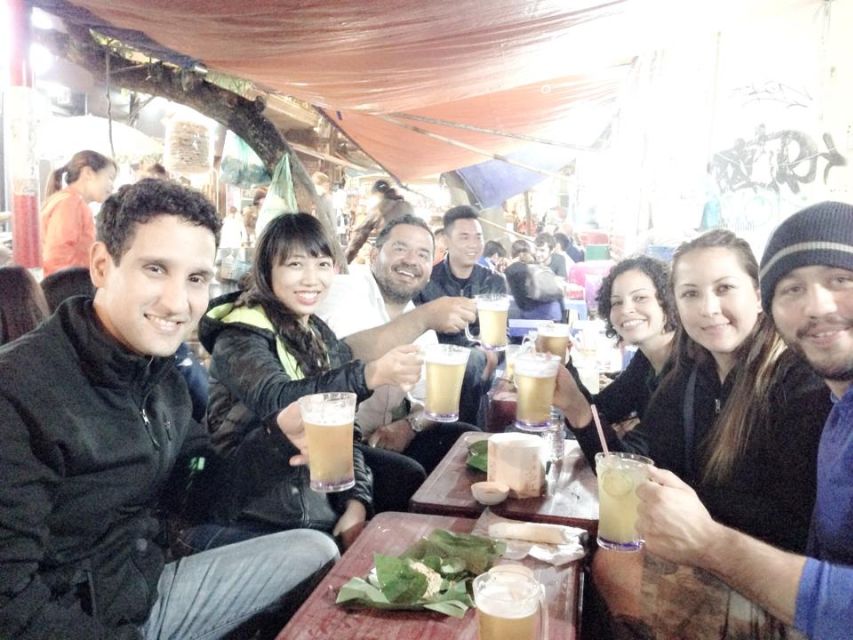
Vegetarians have been accommodated successfully on this tour. Tell the operator or guide your needs at the start, and repeat them at each stop if necessary. The tour has been adapted for vegetarian participants, including people who wanted a broad introduction to meat-free Vietnamese food.
The supplied information does not promise a separate vegan menu, allergy program, or fixed dish list. If you have a serious allergy or strict dietary rule, ask before booking and explain exactly what you cannot eat. The guide can help with choices, but you should not rely on a general vegetarian request to cover every medical concern.
The small group helps here. With a maximum described as eight people in one part of the information and ten participants elsewhere, you should confirm the exact group limit for your chosen departure. Either way, it is intended to be a small-group activity rather than a large bus outing.
Drinks, coffee, and the egg coffee stop
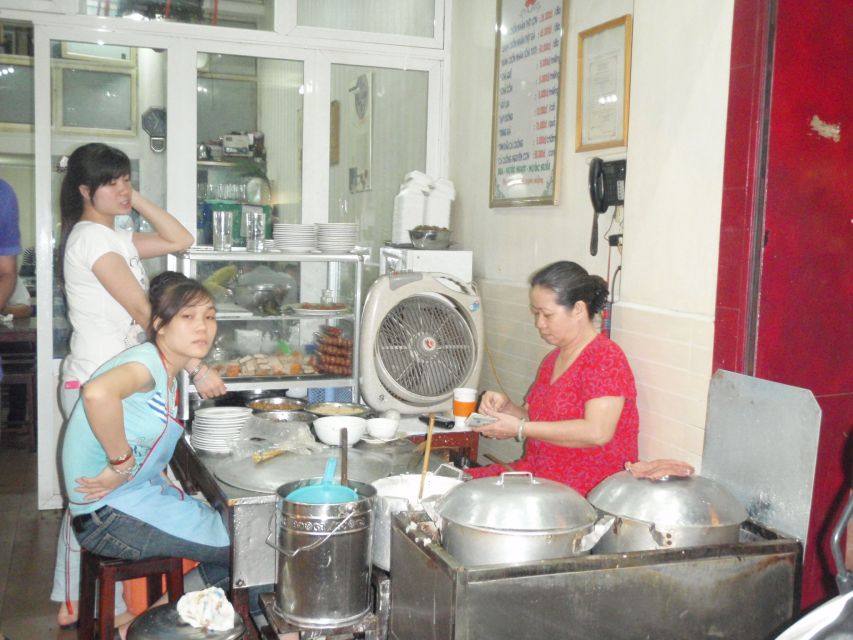
Drinks may include coffee, tea, beer, wine, juice, or other local options, depending on the route and departure. Additional drinks are not included, so carry some Vietnamese dong for anything beyond the planned selections.
Egg coffee is one of the most memorable possibilities. It is traditionally served with a thick whipped egg mixture over coffee, creating a sweet, creamy drink that feels closer to dessert than a regular morning cup. The tour information specifically highlights coffee tasting and the chance to wait for the train with a cup of traditional egg coffee.
You may also pass juice shops, cafés, and bars during the walk. These stops give you a break from the food and let you watch the Old Quarter at street level. If you do not drink alcohol, coffee, tea, juice, and other nonalcoholic choices are part of the stated experience, but confirm what is included on your departure.
Reaching Hanoi Train Street
Train Street is the tour’s most recognizable photo stop. The narrow railway corridor was built in 1902 during the French period and now runs through a residential part of the Old Quarter. Houses sit close to the track, and some residents operate small cafés beside the line.
The attraction is the unusual setting: daily life continues just beside an active railway. You may have time to sit with a drink, take photos, and hear about the area before a train passes. The information says trains pass a handful of times a day, but it does not promise a train during your particular visit. Book this as a visit to the railway alley, not as a guaranteed train sighting.
Your guide can help with photos and give a safety briefing. Follow those instructions closely. The passage is narrow, the area can become crowded, and the railway remains active. Do not treat the track as a stage for photographs. Stay alert, move when asked, and keep clear of the rails.
Train Street is also a residential area, not only a tourist attraction. That is worth remembering as you walk through it. Residents live and work beside the line, so quiet attention and respect matter more than getting the perfect picture.
What the three hours feel like
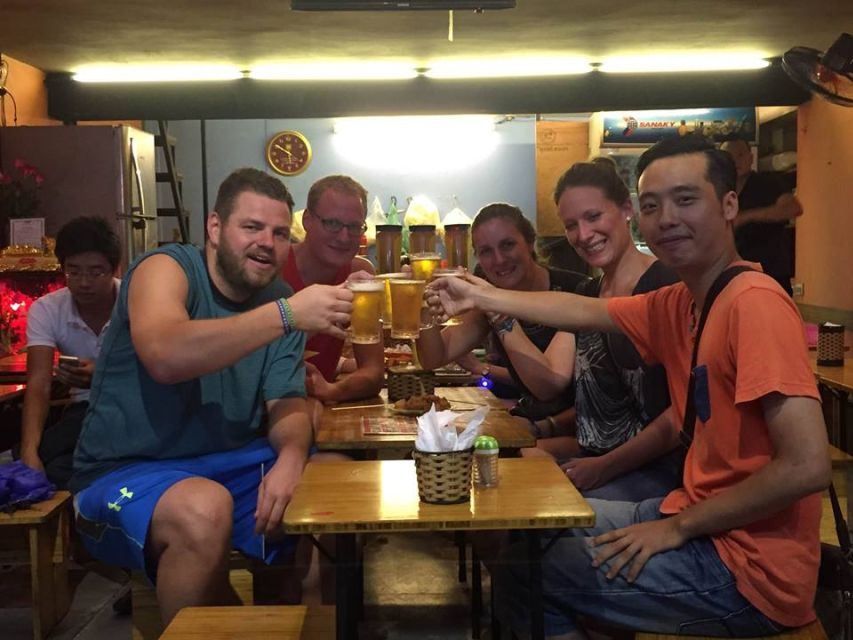
The route is built around walking, tasting, and short stops rather than long periods seated in one place. The schedule includes a walking portion of about 15 minutes, while the overall activity lasts roughly three hours. The food and sightseeing sections take place around Hanoi’s Old Quarter.
A typical outing begins with meeting the guide, then moves into Old Quarter lanes and food stops. Along the way, you may visit a market or arts and crafts market, sample local snacks, and stop for coffee or another drink. The latter part includes sightseeing and the Train Street visit, although the precise order can vary.
That flexible order is helpful because food shops open and close, crowd levels change, and train access can be affected by local conditions. It also means you should not expect a rigid menu printed in advance. The experience is built around what is available that day.
The tour ends with drop-off options in Hanoi, including the Old Quarter. Since most of the route is on foot, plan your evening around the Old Quarter rather than expecting a vehicle to carry you across the city.
The guides make the difference
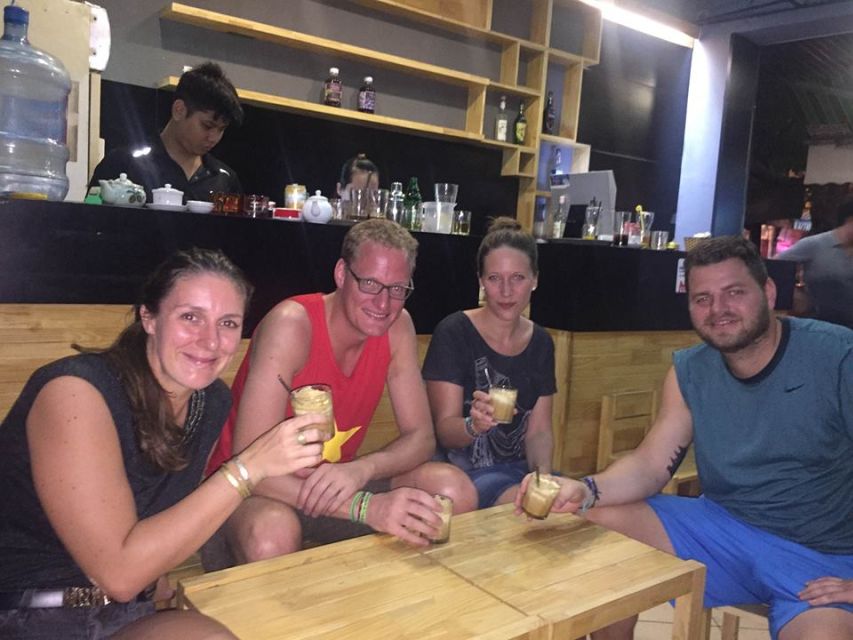
The strongest feature of this experience is the guide. Names associated with the tour include Ha, Mia, Harry, Benjamin, Ning, Ryan, Tee, Jackie, David, and others. You cannot necessarily request a particular person, but the feedback shows a pattern of guides who do more than point out restaurants.
Ha has been praised for combining food explanations with Vietnamese culture and history. Mia appears repeatedly as an energetic guide with excellent English who helped first-time visitors feel comfortable ordering unfamiliar food. Harry has been noted for making the outing fun, while Benjamin has been credited with finding restaurants that visitors would not have found alone.
That range matters because a food walk can easily become a list of dishes without context. A good guide explains why a dish is served in a particular way, how to order it again, and what it says about local life. The best guides also adjust the route when you have already tried certain foods or have dietary needs.
Group size affects this part of the experience. In a small group, you can ask questions about ingredients, request a slower pace, or explain what you do and do not eat. If the group reaches the stated maximum, the guide will have more people to manage in narrow streets, so stay close and listen at crossings.
Who should book this tour
I would recommend this tour to first-time visitors who want an easy entry into Hanoi’s food culture. It gives you a practical list of dishes to look for later, plus the confidence to walk into modest eateries on your own.
It also suits curious eaters who want more than pho and banh mi. The route may include sweets, sticky rice, unusual snacks, regional dishes, and egg coffee, so you can move beyond the most familiar Vietnamese foods.
Families can also make good use of it. One guide was praised for keeping a family with three boys engaged and helping the whole group try new food. Still, parents should consider the walking, crowds, traffic, and narrow Train Street passage.
Vegetarians should ask for accommodation before the tour begins. People using wheelchairs should choose another activity because this experience is not suitable for wheelchair users. Anyone who dislikes crowded streets, small stools, or trying food without a fixed menu may find the format uncomfortable.
Practical value, timing, and cancellation
At $28, the tour offers good value if the included meal, dessert, and drinks replace a normal meal and you want a guide for the Old Quarter. It becomes less useful if you mainly want a photo at Train Street or already know Hanoi’s food scene well.
Book it early in your Hanoi stay if possible. The food introductions can shape the rest of your trip, and you may want to return to a favorite dish or restaurant later. The tour also gives you a quick orientation to the Old Quarter, which can make independent walks easier.
Wear comfortable shoes and bring a small amount of cash for shopping or extra drinks. Smoking and pets are not allowed. You can cancel up to 24 hours ahead for a full refund, and the reserve-now, pay-later option keeps your plans flexible.
Should you book the Hanoi street food and Train Street tour?
Book it if you want a filling meal, local food guidance, Old Quarter stories, and Train Street in one compact outing. The strongest reason to choose it is not the railway photo alone. It is the combination of practical food help and a guide who can connect the dishes to Hanoi’s families, trades, customs, and daily routines.
Skip it if you want a quiet culinary class, a fixed tasting menu, guaranteed train passage, or an accessible route. For most first-time visitors who enjoy eating on foot and trying something unfamiliar, $28 is a sensible way to get oriented fast.
FAQ
How long does the Hanoi street food and Train Street tour last?
The activity lasts three hours. The itinerary includes walking through Hanoi’s Old Quarter, food and drink tastings, a market visit, sightseeing, and a visit to Train Street.
Where is the meeting point?
Meet the guide at the booking office at 31 Lo Su Street, Hoan Kiem District, Hanoi. It is in the Old Quarter, close to the Water Puppet Theater. Optional hotel pickup is available from hotels in the Old Quarter, depending on the selected option.
What food and drinks are included?
The tour includes an authentic Vietnamese meal, dessert, and drinks. Possible tastings include banh mi, pho, bun cha, local snacks, regional dishes, coffee, tea, and egg coffee. Additional drinks and personal shopping are not included.
Is the tour suitable for vegetarians?
Vegetarian participants have been accommodated on the tour. Tell the guide about your dietary needs at the start. The supplied information does not promise a fixed vegan menu or specific allergy arrangements.
Will I definitely see a train at Train Street?
No. Trains pass the area a handful of times during the day, but the tour information does not guarantee a train during your visit. The guide provides a safety briefing and can help with photos.
Is the tour wheelchair accessible?
No. The experience is not suitable for wheelchair users because it involves walking through narrow Old Quarter streets and the Train Street area. Comfortable shoes are recommended.
More Train Experiences in Hanoi
- Hanoi Walking Street Food Tour with Train-Street Visit
★ 5.0 · 857 reviews - Hanoi: 7 Tastings Street Food Tour with Train Street
★ 4.9 · 541 reviews - Hanoi Vegan Street Food & Train Street Tour
★ 4.8 · 143 reviews - Hanoi: Walking Street Food Tour & Train Street w/Local Guide
★ 4.8 · 26 reviews
Just added around Hanoi
- Hanoi: Vietnamese Street Food Tour with Egg Coffee★ 4.9 · 315 reviews
- Hanoi: Walking Street Food Tour & Train Street w/Local Guide★ 4.8 · 26 reviews
- Hanoi Vegan Street Food & Train Street Tour★ 4.8 · 143 reviews
- Hanoi: Vegan Vietnamese Cooking Class in a Local Villa★ 5.0 · 42 reviews
- Hanoi: Private Street Food Walking Tour w/ a Real Foodie★ 4.7 · 68 reviews
- Hanoi: Street Food Experience with 5 Food Stops★ 4.8 · 63 reviews
- Hanoi: Food and Sightseeing Motorbike Tour with 7 Tastings★ 5.0 · 77 reviews
- Hanoi: Old Quarter Street Food Tour with 12+ Tastings★ 4.9 · 133 reviews
Food Tours in Hanoi, compared.
Hanoi Jeep Tour: Food, Culture and Fun by Vietnam Army Jeep
Read our review →
Hanoi Motorbike Tour: Food, Culture and Fun by Vintage Motorbike
Read our review →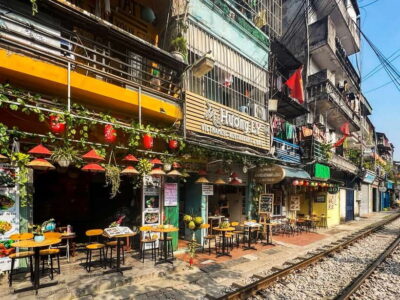
Small Group Hanoi Street Food Tour with a Real Foodie
Read our review →
Street Food Tour with Train Street & Hidden Alleyways
Read our review →
Guided Street Food Tour with Train Street Experience
Read our review →![[HOT] Hanoi Old Quarter Walking Street Food – Small Group Tour](https://images.foodiedays.com/wp-content/uploads/hot-hanoi-old-quarter-walking-street-food-small-group-tour-400x267.jpg)
[HOT] Hanoi Old Quarter Walking Street Food – Small Group Tour
Read our review →
Hanoi Motorbike Tours Led By Women: Hanoi By Night Foodie Motorbike Tours
Read our review →Browse the lists this tour appears in