
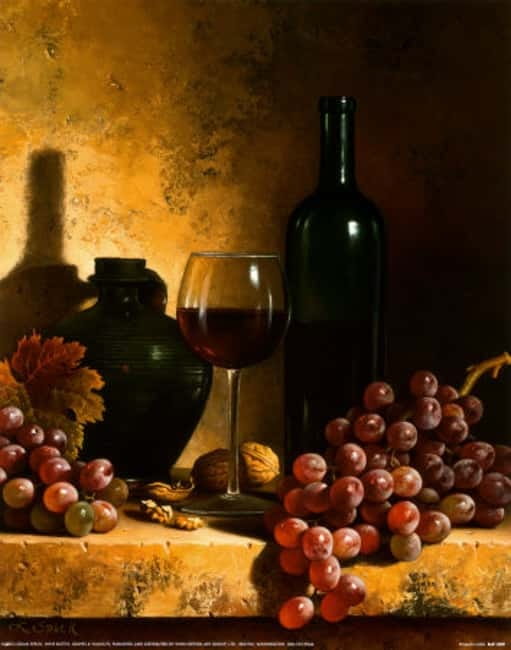
REVIEW · WINE & FOOD TOURS
Sofia Afternoon Walking Tour with Wine and Food Tasting
Sofia’s best introduction may be a walk that ends at a tavern table. This three-hour outing links ancient ruins, churches, Ottoman-era Sofia, grand civic buildings, and pedestrian streets before settling in for Bulgarian wine and local bites. The food stop gives the sightseeing a useful local finish, rather than leaving you with a list of monuments and no sense of the city’s table.
I like the route’s compact sweep through central Sofia, and I like the small-group format. Guides such as Denitsa, Maria, Daniel, and Dani have been singled out for clear storytelling, humor, and personal attention. The main caution is the food portion: expect a tasting and light meal, not a full dinner, and possibly only one glass of wine.
Key points at a glance
- Ancient and modern Sofia in three hours: See Roman Serdika, Orthodox churches, an Ottoman mosque, royal-era streets, and modern civic landmarks on one walk.
- A strong guide makes the difference: Past guides including Denitsa, Maria, Daniel, and Dani have been praised for answering questions and adapting the walk to the group.
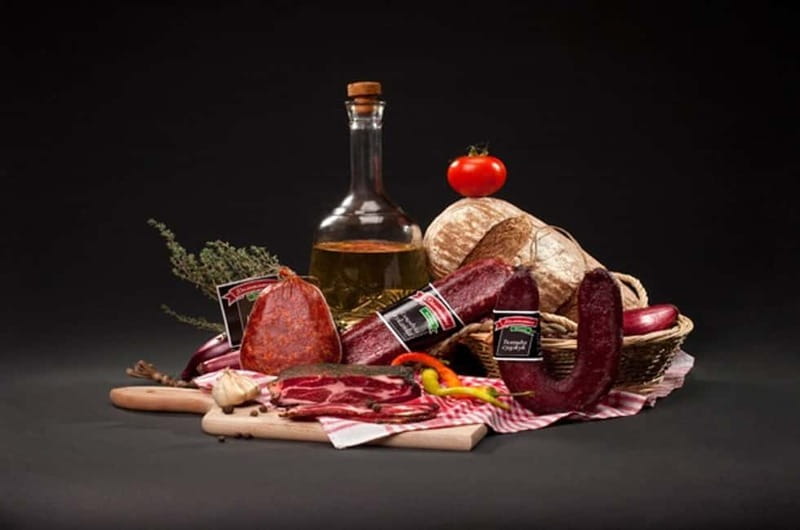
- Bulgarian flavors at the finish: Taste wine with lukanka, katak, kopoolu, fillet Elena, and other local bites.
- Usually a personal-feeling outing: The small-group setup can feel almost private when numbers are low, though group size is not fixed.
- Plan for a tasting, not a feast: Some food is dried meat, salad, and spreads, with one glass of wine reported as typical.
- Good for first-time Sofia visitors: The central route helps you get oriented quickly, with no hotel transfers included.
A smart first look at central Sofia
The meeting point is in front of the Grand Hotel Sofia, a convenient place to begin in the city center. From there, you walk rather than ride, so comfortable shoes matter more than transport planning. The route stays among Sofia’s central sights and finishes on Solunska Street in the Old City Center.
The tour lasts about three hours. That is enough time to see a lot, but not enough for long museum visits or a detailed interior tour at every stop. Think of it as a guided introduction, with short walks and explanations at major landmarks.
A small group is one of the strongest reasons to choose this experience. Several bookings have involved only two people, and one guest had a solo outing. That can make the walk feel relaxed and flexible. Do not treat a tiny group as guaranteed, though. The advertised format is small group, not private tour.
More food and wine tours in the world:
- From Split: Krka Waterfalls, Food & Wine Tasting Tour
★ 5.0 · 9,326 reviews - From Split: Krka Waterfalls, Food & Wine Tasting Tour
★ 4.9 · 6,598 reviews - Winner 2025 Undiscovered Lisbon Food & Wine Tour by Eating Europe
★ 5.0 · 6,390 reviews
Ivan Vazov National Theatre and its garden
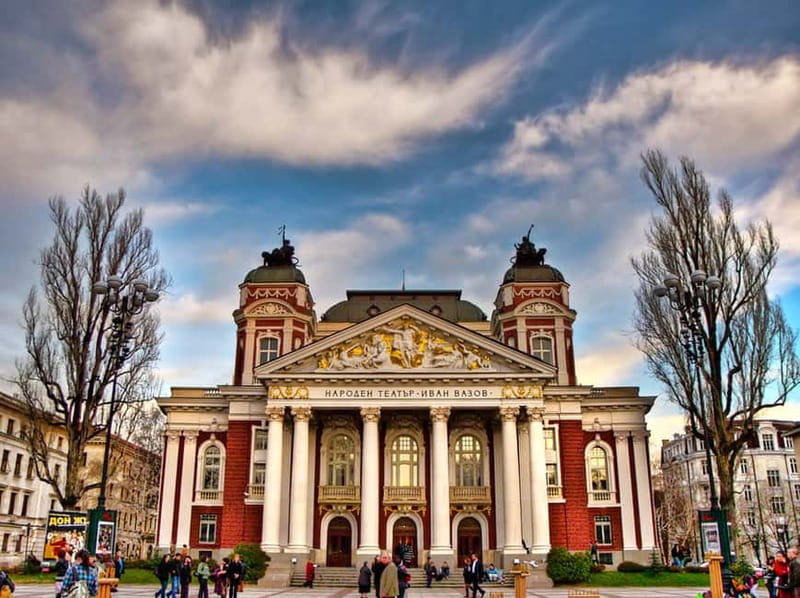
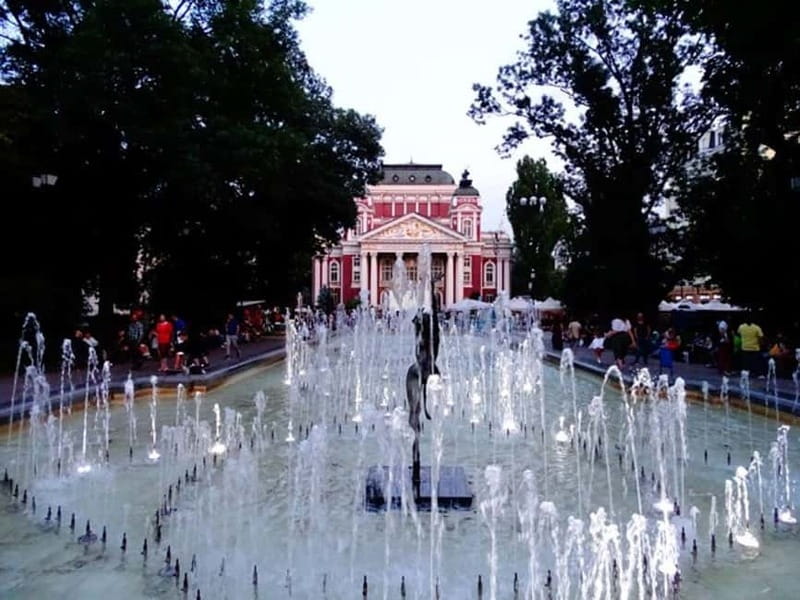
The first major stop is the Ivan Vazov National Theatre, fronted by an elegant garden. This is a pleasant beginning because it gives you an immediate sense of Sofia’s public face: formal, leafy, and tied to the city’s cultural life.
The guide provides context while you walk around the theater and garden. You are not signing up for a theater performance or an extended interior visit, so the value here is the setting and the explanation. It is also a useful chance to settle into the pace before the route becomes denser with ruins, churches, and busy streets.
Roman Sofia at the Serdika complex
The Antique Serdika complex is one of the most important stops on the route. Here, the modern capital gives way to visible remains of the Roman city that once occupied this ground. The tour allows about 20 minutes for a guided look, enough to understand how old Sofia is and how much of the ancient city sits below the present one.
This stop adds real depth to the rest of the walk. After seeing Roman foundations, you begin to read Sofia as a city built in layers rather than as a collection of unrelated monuments. The guide’s explanation matters here, since ruins can look like scattered stone without a story connecting them.
The tradeoff is time. Twenty minutes gives you a clear introduction, not an archaeological study. If ancient sites are your main reason for visiting Sofia, you will want extra time on your own later.
Banya Bashi Mosque and the city’s mixed traditions
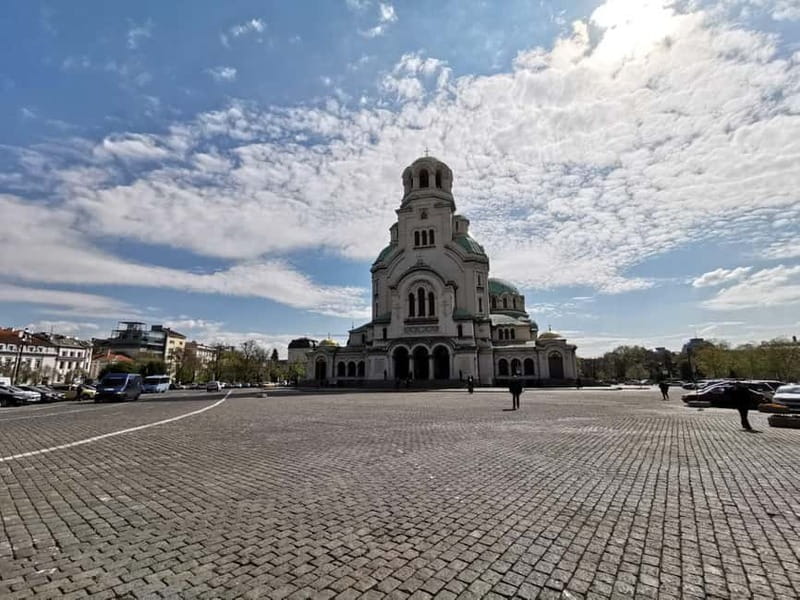
The Sofia Central Mosque, commonly known as Banya Bashi Mosque, brings an Ottoman chapter into the walk. Its presence near the Roman complex and Christian churches makes Sofia’s mixed religious past visible within a very small area.
The tour focuses on the mosque as a city landmark and historical point of reference. The provided plan does not promise an extended interior visit, so you should expect to hear about the site and see it as part of the central route rather than build your day around entering it.
This is one of the best reasons to take a guide. A short walk through central Sofia can otherwise feel like a series of attractive buildings with no connection. The explanations help you see how Roman, Ottoman, Orthodox, and modern Bulgarian periods meet in the same few streets.
A few more food tours around the world worth comparing
- Reykjavik Food Walk – Local Foodie Adventure in Iceland
★ 5.0 · 18,952 reviews - Little Havana Food and Walking Tour in Miami
★ 5.0 · 8,882 reviews - New Orleans Food Walking Tour of the French Quarter with Small-Group Option
★ 5.0 · 6,118 reviews - Naples: Street Food Walking Tour with Local Guide
★ 4.9 · 4,976 reviews
The Palace of Justice and Sofia’s civic center
The route continues to the Sofia City Court, also called the Palace of Justice. Its grand scale shifts the mood from archaeological and religious landmarks to the city’s legal and civic life.
The stop lasts about 20 minutes with the guide. You get an exterior-focused look and the wider setting around the building. This is not the most obvious sightseeing stop for a first visit, but it helps round out the picture of Sofia beyond churches and ruins.
One useful feature of the route is this variety. In one afternoon, you see cultural, ancient, religious, and government landmarks. If you only want postcard sights, the court may seem less essential. If you want to understand how the capital functions, it earns its place.
Saint Sofia Monument and the city’s symbol
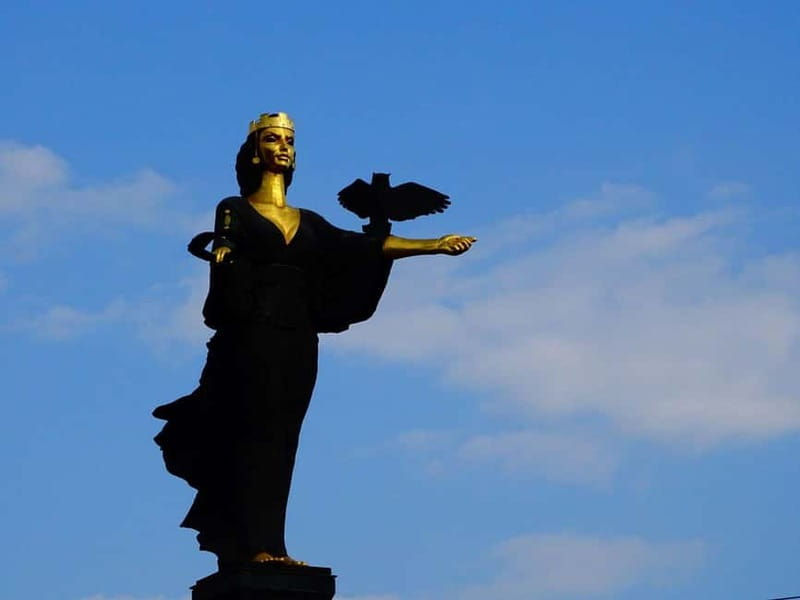
The Saint Sofia Monument is another central landmark, and the route allows about 20 minutes here. The monument gives the city one of its most recognizable modern symbols, while its location connects naturally to Sofia’s older religious and urban core.
Your guide can put the statue and surrounding area into context, which is especially helpful because public monuments often carry political meaning that is not obvious from a quick look. The stop is more about orientation and interpretation than a long visit.
The tour description also lists the Sophia Statue among the main sights, so you should expect this part of the route to be treated as a key Sofia landmark. The exact amount of time at each point can vary with the group and walking pace.
St. George Rotunda, one of Sofia’s oldest corners
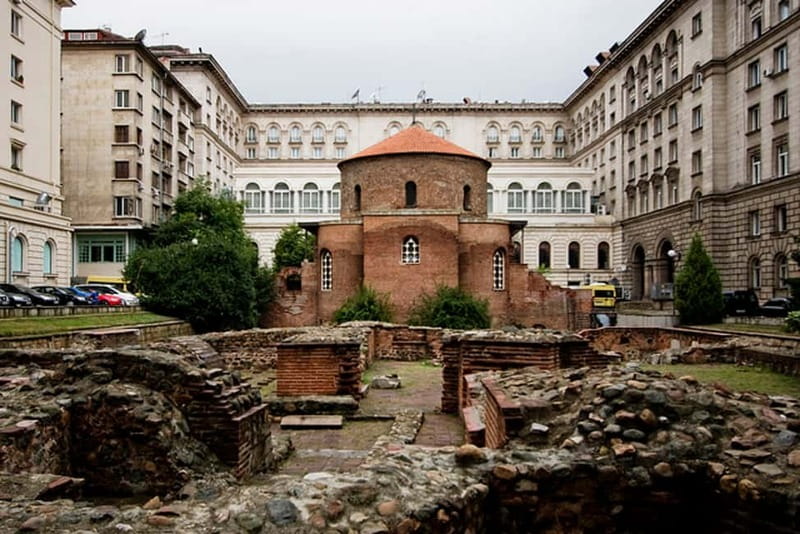
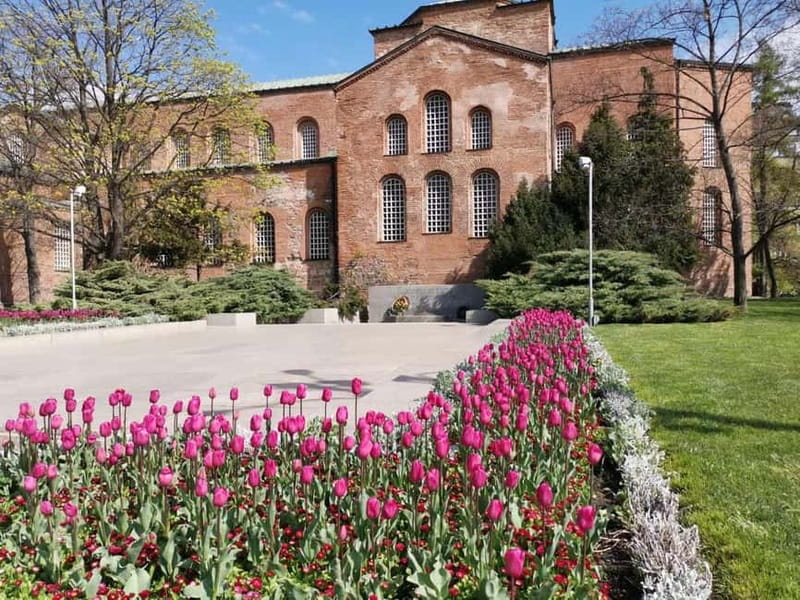
The St. George Rotunda is the route’s most concentrated meeting point of ancient and Christian Sofia. This small round church is surrounded by later buildings, making it a memorable example of the city’s layered past.
The planned stop is about 20 minutes. The guide’s role is important because the setting can be confusing at first. You may see Roman remains, later construction, and modern city life close together, all within a tight space.
Do not expect a long church service or a full museum visit. The value comes from seeing the rotunda in its urban setting and understanding how it survived within a city that changed around it.
Graf Ignatiev Street, Vitosha, and everyday Sofia
The broader route includes Graf Ignatiev Street and Vitosha pedestrian street, two places where the city feels less like a monument list and more like a living center. These streets provide a change of pace after the formal stops.
Vitosha is Sofia’s best-known pedestrian shopping street, while Graf Ignatiev offers another look at central city life. The experience information does not set out a separate timed stop for each, so think of them as parts of the walking connection rather than guaranteed long visits.
I like this part of the design because it gives you practical bearings. You can see where people shop, walk, meet, and eat. That helps you return later without a map, especially if Sofia is your base for only a day or two.
Bulgarian wine and local bites at the finish
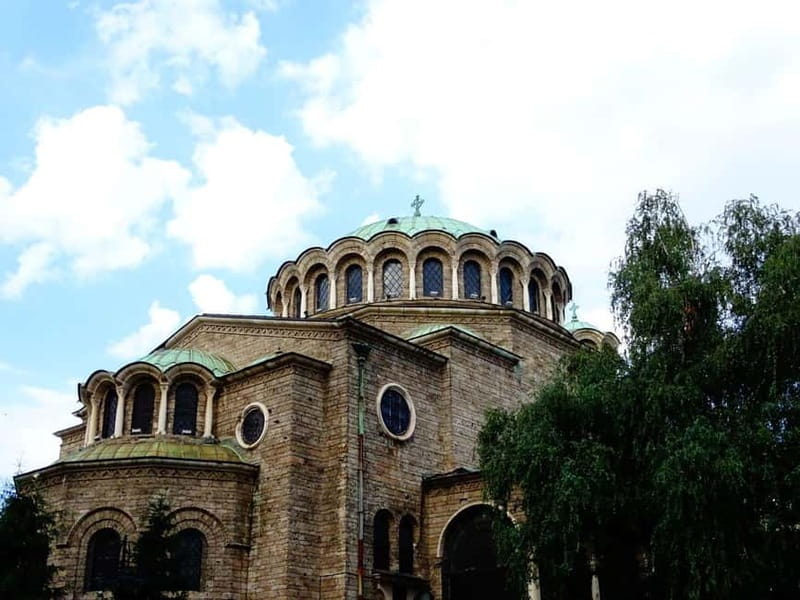
The final stop is a traditional restaurant, where you taste a glass of Bulgarian wine with local meat and savory bites. The listed foods include lukanka, katak, kopoolu, and fillet Elena.
Lukanka is a seasoned Bulgarian sausage, while fillet Elena is a cured pork specialty. Katak and kopoolu are savory spreads or salads, giving the tasting more variety than meat alone. The precise selection can vary, so treat the named foods as examples rather than a guaranteed fixed platter.
This finish is useful because it turns sightseeing into something sensory. You get to taste products connected to Bulgarian food culture and end in a place where you can ask follow-up questions. A traditional restaurant can also be harder to find on your own when you do not know which local dishes to order.
Keep your expectations measured. Some bookings describe the food as a light meal, and one account found the amount quite limited, with a salad and dried meats. Another specifically noted that not all the foods described were served. The safest reading is one glass of wine and a modest tasting plate, not a full wine tour or evening meal.
Vegetarians and vegans are welcome, but you should write your dietary needs in the reservation. The same applies to gluten, nuts, eggs, fish, seafood, or sugar restrictions. Do not wait until you sit down to explain a serious allergy.
What the guide adds to the walk
This tour depends heavily on the guide. The most praised qualities are clear explanations, warmth, humor, and the ability to answer questions. Denitsa has been praised for taking time with a solo participant and making the experience personal. Maria was noted for detailed explanations, while Daniel and Dani were described as entertaining and well informed.
The languages offered are English and Spanish. A good guide turns the walk from a checklist into a connected story, especially at Serdika, the mosque, the rotunda, and the city monuments. The route has enough stops that a dry presentation could feel tiring, so personality is a real part of the value.
Small groups can also let the guide adjust the pace. One couple had the route shaped around the weather and personal interests. That kind of flexibility is possible when numbers are low, though it should not be promised for every departure.
Is $82 a fair price?
At $82 per person, this is not the cheapest way to see Sofia. You could walk past many of these sights without paying for a tour. The price makes more sense if you value a live guide, a carefully linked central route, and a Bulgarian food and wine tasting at the end.
You are paying for interpretation as much as movement. The guide explains why the Roman ruins matter, how the religious landmarks fit together, and what to order or recognize at the restaurant. For a first afternoon in Sofia, that can save you time and give the city a clearer shape.
The food portion affects the value. If you expect dinner, $82 may feel high. If you see the tasting as one part of a three-hour guided city introduction, the price is easier to justify. I would plan to eat another meal later unless you know the tasting is more generous on your departure.
Who should book this Sofia walk?
I would recommend it to first-time visitors who want a quick orientation without spending their arrival day inside museums. It also suits people who enjoy hearing local stories, prefer walking to coach transport, and want a taste of Bulgarian specialties without choosing a restaurant alone.
It is a particularly good match for solo visitors and couples if the group remains small. The guide can give more attention, and the route may feel informal rather than scripted. The experience also works well for visitors with only one afternoon in Sofia.
I would hesitate if you want a large meal, several wine pours, extensive time inside monuments, or a fully accessible route. Wheelchair users should note that the experience is not suitable for them. Hotel pickup and drop-off are not included, so you need to reach the Grand Hotel Sofia yourself and arrange your own return from Solunska Street.
Booking details worth knowing
You can cancel up to 24 hours before the start for a full refund, and the reserve-now, pay-later option keeps your plans flexible. Starting times depend on availability, so check the afternoon departure that fits your schedule.
Wear comfortable shoes and bring water, especially in warm weather. The route is a three-hour city walk with several stops, not a seated sightseeing tour. Tell the operator about dietary restrictions when booking, even though vegetarian and vegan diners are welcome.
Should you book it?
Book this tour if you want Sofia explained rather than simply photographed. Its strongest points are the central route, personal guide style, and the chance to finish with Bulgarian wine and recognizable local foods.
Skip it if your priority is a substantial meal or a slow, in-depth visit to each monument. For most first visits, though, the combination is well judged: ancient ruins, churches, a mosque, civic Sofia, pedestrian streets, and a modest local tasting in one afternoon.
FAQ
Where does the tour begin?
It begins in front of the Grand Hotel Sofia.
Where does the tour finish?
The tour finishes on Solunska Street in Sofia’s Old City Center.
How long does the walking tour last?
The experience lasts approximately three hours.
Which languages are available?
The live guide is available in English or Spanish.
What sights are included?
The route includes the Ivan Vazov National Theatre and garden, Antique Serdika, Banya Bashi Mosque, Sofia City Court, Saint Sofia Monument, St. George Rotunda, and central streets including Graf Ignatiev and Vitosha pedestrian street.
What food and drink are included?
The tasting includes a glass of Bulgarian wine and local bites such as lukanka, katak, kopoolu, fillet Elena, and other snacks.
Can people with dietary restrictions join?
Vegetarians and vegans are welcome. You should provide details about dietary restrictions when making the reservation, including allergies or requirements involving gluten, nuts, eggs, fish, seafood, or sugar.
Just added around the world
- Milan: Street Food Walking Tour★ 4.7 · 180 reviews
- Milan’s Full-Meal Gourmet Food Tour – More Than Tastings★ 4.8 · 81 reviews
- Kolkata Midtown Madness- A Street Food & Nightlife Tour★ 4.9 · 49 reviews
- Milan: Delicious Food Tour and City Center Sightseeing★ 4.8 · 111 reviews
- Mexico City: Authentic Downtown Food Tour★ 4.9 · 260 reviews
- Miami: Intimate Sailing in Biscayne Bay w/ Food and Drinks★ 4.7 · 34 reviews
- Mexico City: Vegan and Vegetarian Street Food Adventure★ 4.8 · 65 reviews
- Mexico City: Mystic Markets La Merced & Sonora Culinary Tour★ 4.9 · 301 reviews
Wine Tours, compared.
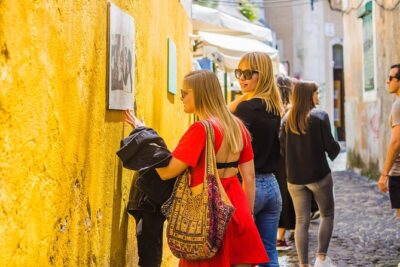
Undiscovered Lisbon Food & Wine Tour by Eating Europe
Read our review →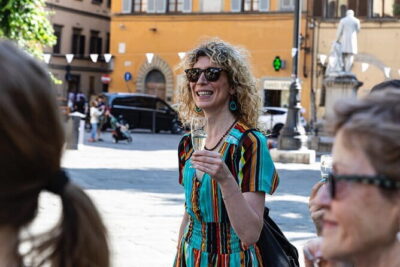
Florence Sunset Food & Wine Tour by Eating Europe
Read our review →
Authentic Parisian Gourmet Food Tour with 10 Local Dishes & Wines
Read our review →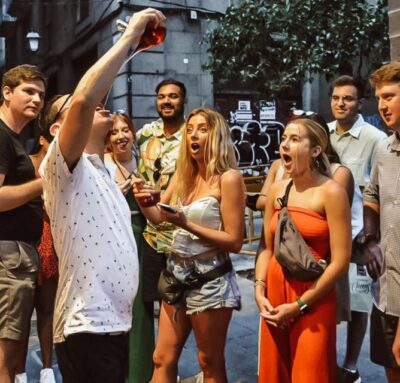
Tapas Walking Tour with Food, Wine, and History
Read our review →
Lisbon Small-Group Portuguese Food and Wine Tour
Read our review →
Sevilla Food Tour: Tapas, Wine, History & Traditions
Read our review →
Rome Food Tour: Unlimited Tastings with Fine Wine & Barolo
Read our review →Browse the lists this tour appears in