
REVIEW · SAN FRANCISCO
San Francisco: Chinatown Food and History Walking Tour
San Francisco’s Chinatown is best understood one bite and one street at a time. This 150-minute walking tour links Dragon’s Gate, Stockton Street, Old Saint Mary’s Cathedral, Portsmouth Square, Eastern Bakery, Delicious Dim Sum, and a fortune cookie factory into one lively introduction to the neighborhood.
I like the small groups of up to 12, which make it easier to hear the guide and ask questions. I also like the food stops: you get more than a quick photo of Chinatown, with dim sum, Chinese cookies or pork buns, tea, and a fortune cookie built into the route.
The main drawback is that this is a walking tour with no hotel pickup, and food choices can depend on availability. At $85 per person, it offers good value if you want context and several tastings, but it is less suitable if you prefer a long sit-down meal or a slow, unstructured wander.
Key points at a glance
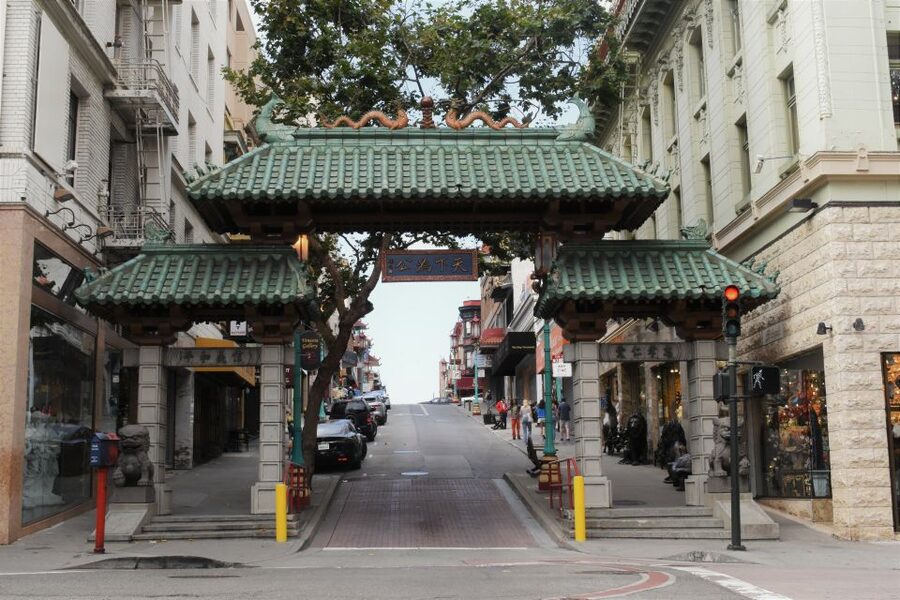
- Dragon’s Gate starting point: Meet in front of the Starbucks opposite the main entrance to Chinatown.
- Stockton Street food scene: See markets selling fresh and unusual foods while hearing about Chinatown today.
- Old Saint Mary’s Cathedral: Add religious and civic history to the food-focused walk.
- Portsmouth Square: Connect Chinatown with the Gold Rush, California’s beginnings, and the neighborhood’s origins.
- Three distinct tasting stops: Try Chinese cookies or pork buns, homemade dim sum, and a fortune cookie.
- Small-group format: The group is limited to 12, with an English-speaking local guide.
Starting at Dragon’s Gate in San Francisco Chinatown
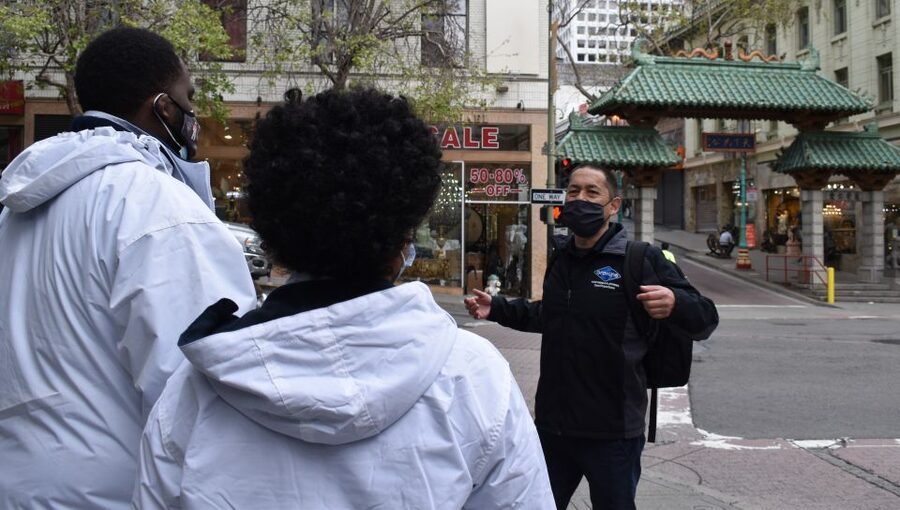
The tour begins at Dragon’s Gate, the grand entrance most people picture when they think of Chinatown. You should arrive 15 minutes early and look for the guide in a Gray Line San Francisco uniform in front of the Starbucks cafe located in front of the gate.
That meeting point is useful because it is easy to identify, but the surrounding streets can be busy. Arriving early gives you time to find the group without rushing. There is no hotel pickup or drop-off, so plan your own way to Dragon’s Gate.
From here, the tour moves straight into Chinatown’s streets rather than keeping you on a distant sightseeing route. That matters. You see the neighborhood at street level, with its shopfronts, decorations, markets, and people going about daily business.
The guide sets the tone by explaining Chinatown’s past, culture, and present-day identity. This is not only a tour of old buildings. You get help reading the neighborhood as a living part of San Francisco.
More Food Tours in San Francisco
- Chinatown & North BeachLittle Italy: 7 Tastings & History
★ 5.0 · 1,070 reviews - North Beach & Little Italy Walking Tour: Food, History & Flavor
★ 5.0 · 1,044 reviews - San Francisco Authentic Food Tour with 5 Locals Favorites Dishes
★ 5.0 · 852 reviews
Stockton Street, pagoda-style buildings, and everyday Chinatown
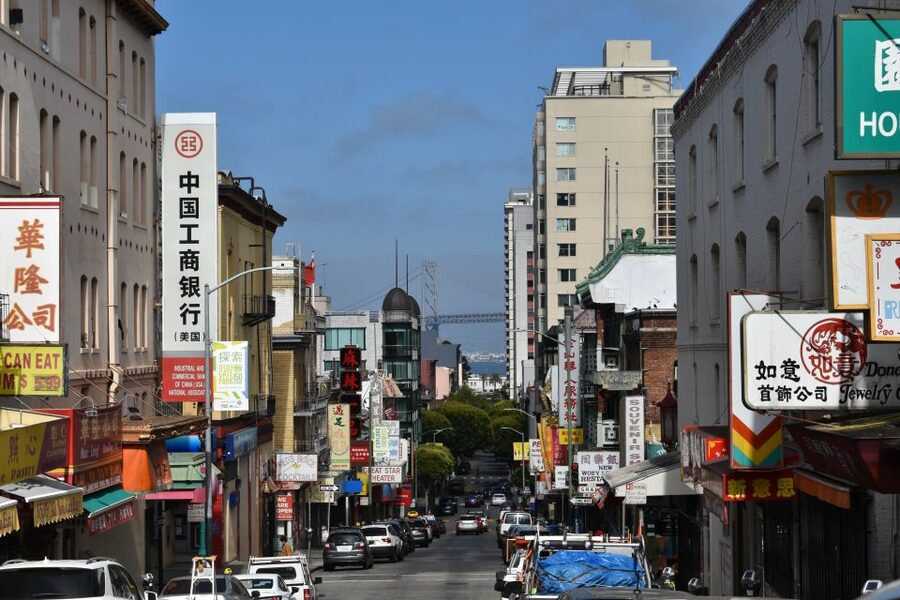
Stockton Street gives you one of the clearest views of Chinatown’s food culture. The route passes markets selling fresh and unusual foods, offering a look at the shopping habits that help define the neighborhood.
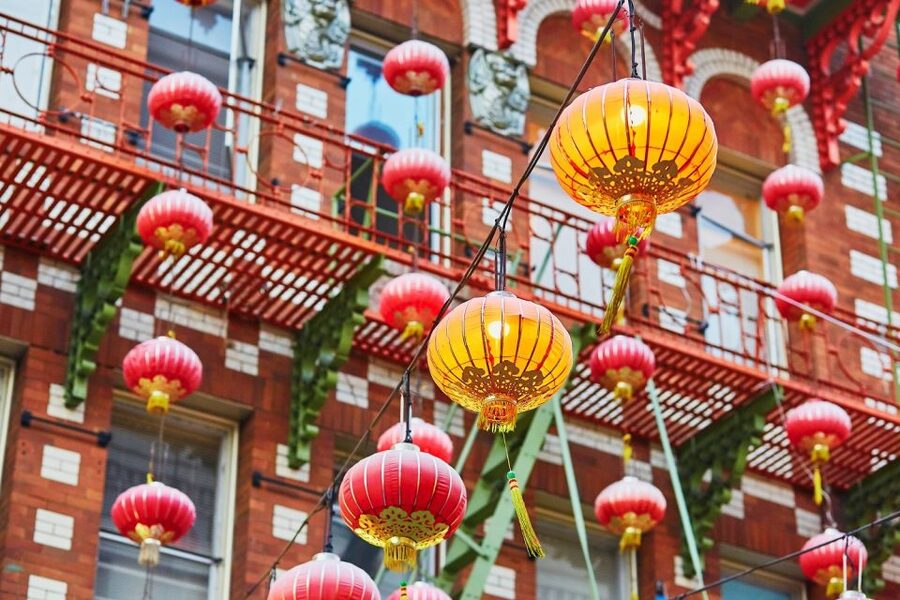
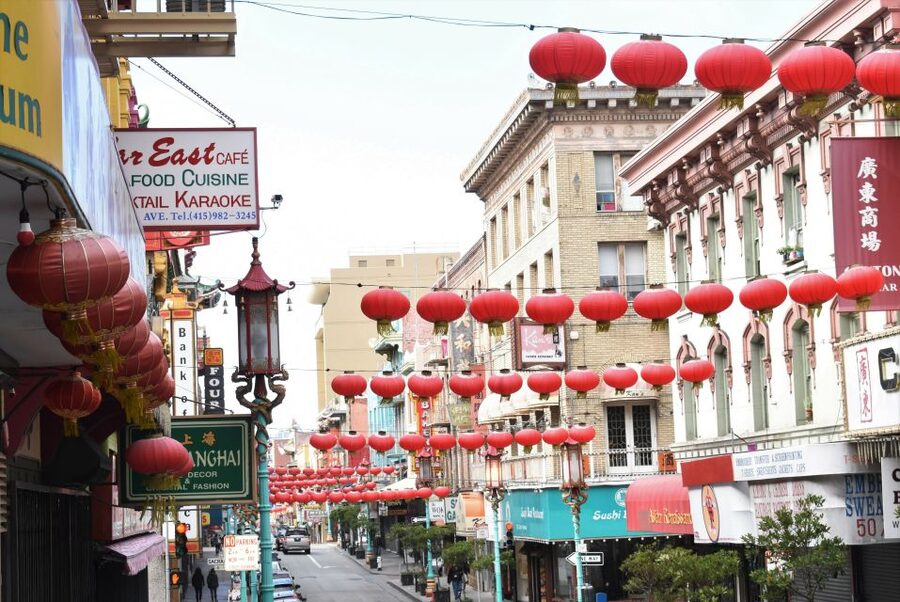
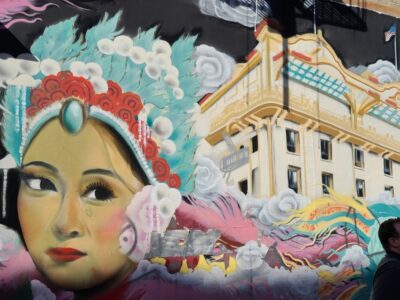
I like this part because it puts the famous signs and decorations into a working setting. The pagoda-style buildings and Chinese street decorations make strong photo stops, but the markets provide the more useful lesson: Chinatown is not just a themed sightseeing district. It is also a place where people shop for food and run local businesses.
Your guide adds details about how the area has changed while keeping its identity. The quality of this section depends heavily on the guide’s ability to connect small details to a larger story. The small group helps here. With no more than 12 people, you should be able to stay close and follow the commentary without the feel of a large coach excursion.
This is also where you should expect a fair amount of walking and standing. The tour lasts two and a half hours, so it moves at a sightseeing pace rather than stopping for long breaks at every location.
Old Saint Mary’s Cathedral and Chinatown’s religious story
Old Saint Mary’s Cathedral brings a different side of San Francisco into the route. After the markets and bright decorations, this stop gives you a chance to consider the religious culture and wider history tied to the neighborhood.
The value here is the contrast. Chinatown is often reduced to food, shopping, and colorful architecture. A stop at an old cathedral broadens the picture and shows how different traditions and communities have shaped this part of the city.
The tour does not present Chinatown as a sealed-off attraction. Instead, it places the district within San Francisco’s larger story. That makes this stop especially useful if you are new to the city and want more than a list of places to photograph.
Because the tour is conducted in English, you will get the most from it if you enjoy listening to historical explanation while walking. The guide’s personal style matters, and Joseph has been singled out for giving clear, well-researched explanations of both old San Francisco and Chinatown. If he is leading your tour, expect a strong emphasis on history and local detail.
Portsmouth Square and the beginnings of San Francisco
Portsmouth Square is one of the most important historical stops on the route. Here, the guide explains the square’s links to the Gold Rush, the beginnings of California, and the origin of Chinatown.
This is where the route shifts from neighborhood observation to city history. The square helps explain why Chinatown developed where it did and how it became tied to the early growth of San Francisco.
I find this kind of stop valuable because it gives the food tastings a setting. A pork bun or fortune cookie is more interesting when you understand the neighborhood in which it was made and sold. The guide’s role is to connect the present-day street scene with the events that shaped it.
The exact amount of time spent at Portsmouth Square is not specified, so do not expect a long formal lecture or museum visit. Think of it as an outdoor history lesson folded into a walking route. You will hear the story while moving through the district.
More food and history walks in the USA:
- Historic Ybor City Food Walking Tour
★ 5.0 · 2,210 reviews - Boston Food & History: Pizza, North End & Freedom Trail
★ 5.0 · 1,772 reviews - Southern Flavors Food, Pub Crawl, and History Walking Tour
★ 4.5 · 1,623 reviews - New Orleans Food and History Walking Tour
★ 5.0 · 1,544 reviews
Eastern Bakery: cookies, tea, and a taste of local craft
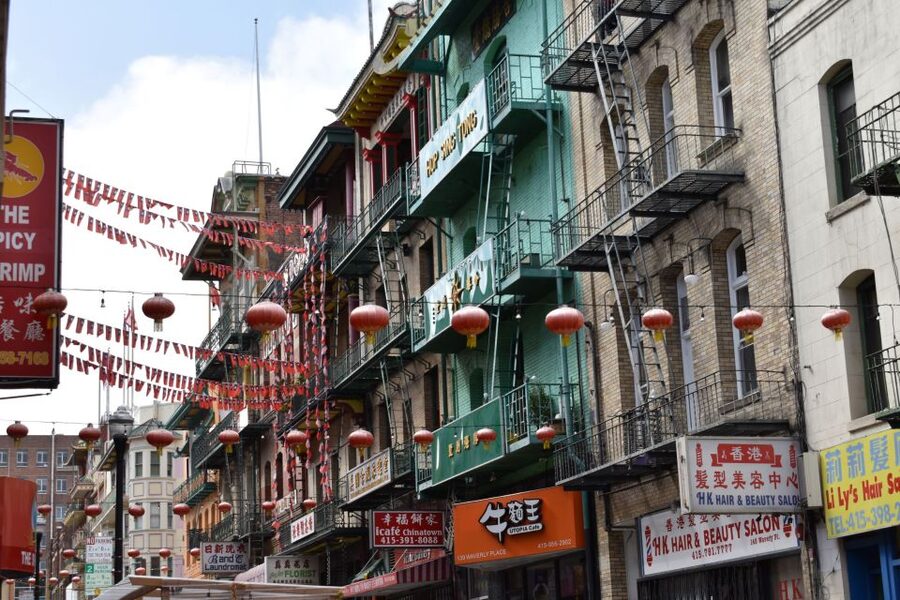
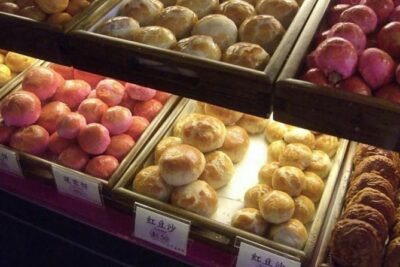
Eastern Bakery is the first major food stop described on the route. You can taste traditional Chinese cookies and choose a tea, or you may receive a traditional pork bun if that option is available.
The possibility of a pork bun is worth noting because the tasting is not completely fixed. Food availability can change, so book this experience for the overall mix rather than for one specific pastry.
The stop also includes cooking tips from the bakery owners. That gives the visit more character than simply being handed a snack. You get a small look at how these foods are made and why they matter to Chinatown’s food culture.
This is a tasting, not a full meal. If you arrive hungry, the later dim sum stop adds more food, but the tour is still built around sampling several items rather than sitting down for a large lunch. I would treat Eastern Bakery as an introduction to the neighborhood’s sweets and tea, with the chance to ask questions as part of the appeal.
Delicious Dim Sum and the best value on the route
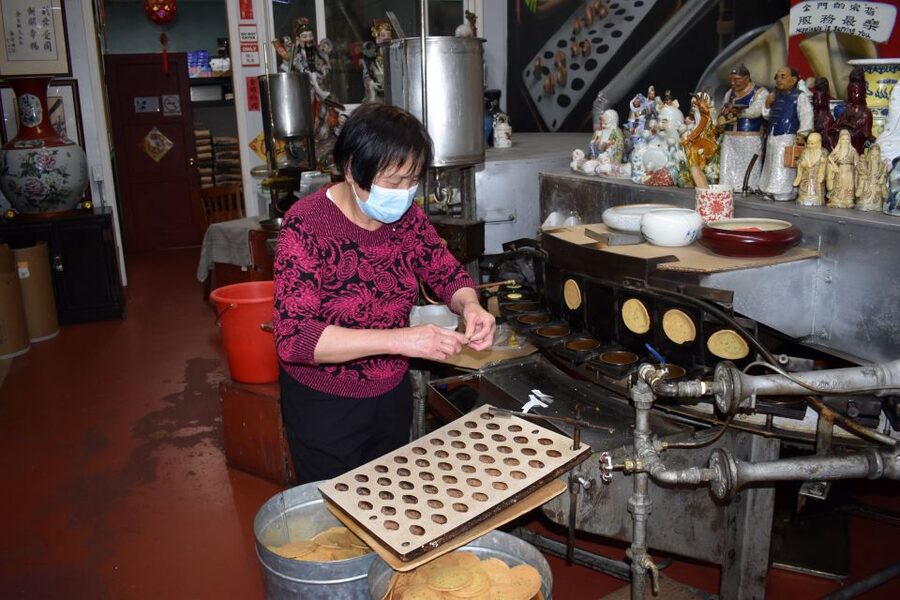
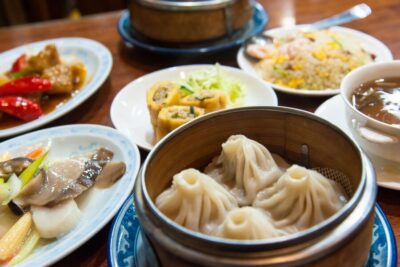
At Delicious Dim Sum, you taste homemade dim sum. This is likely to be the most filling stop and one of the strongest reasons to choose this tour over a history-only walk.
Dim sum works well on a group tour because it lets you try a recognizable part of Chinese cuisine without committing to a full restaurant meal. The experience is also more practical for first-time visitors. You can taste something new with guidance, then return later if you find a dish you want to order again.
One participant even went back to one of the small restaurants after the tour for another selection. That is a useful sign of how the food portion can work: you get a sampling, then a clearer idea of what you might want to explore on your own.
Again, keep your expectations in proportion. The tour includes dim sum, but it does not promise a full spread or a private meal. The portions are part of a series of tastings, and the value comes from combining food with local explanation.
The fortune cookie factory finish
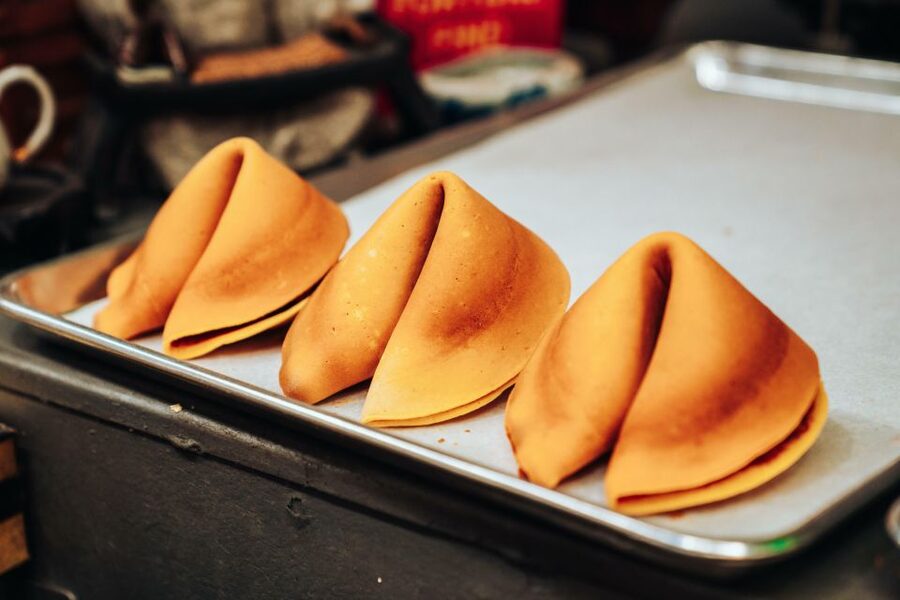
The tour ends at a fortune cookie factory, where you taste a fortune cookie and learn how the cookies are cooked. You also hear about the historical importance of fortune.
This makes a good final stop because it is simple, visual, and memorable. You are not only eating the finished cookie. You get an explanation of the cooking process and the role fortune cookies have played in popular ideas about Chinese food and luck.
The factory visit also gives the tour a clean ending. After the street markets, cathedral, historic square, bakery, and dim sum stop, you finish with one of the most recognizable symbols linked to Chinatown.
Do not assume the factory stop means a large production tour unless the guide explains otherwise. The confirmed elements are a tasting, cooking information, and historical context. That is enough to make it a worthwhile final stop, especially for families and first-time visitors.
What the guide adds to the experience
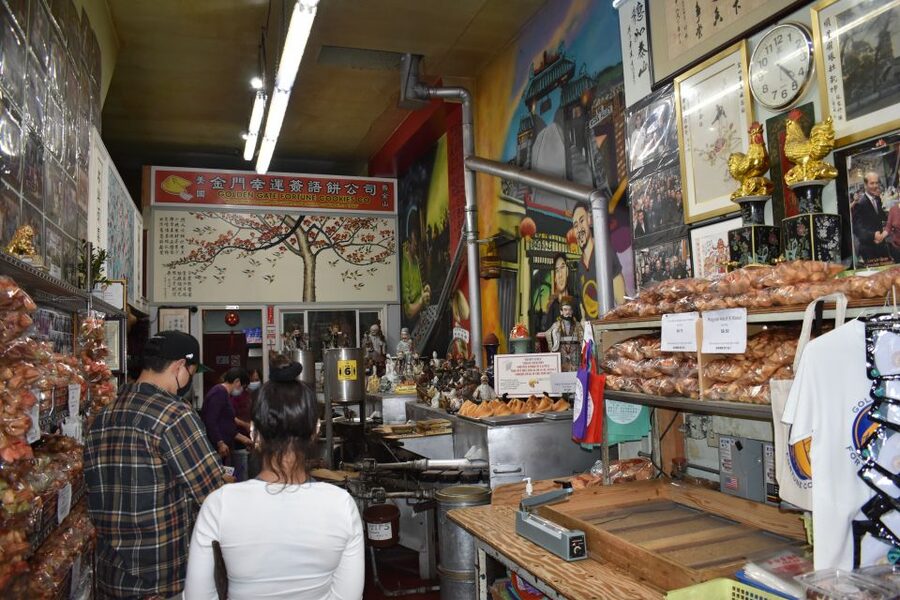
The strongest praise for this tour centers on the guides, especially Joseph. He has been described as friendly, professional, enthusiastic, and able to explain both Chinatown and older San Francisco history in clear detail.
That matters because the route itself is compact. Dragon’s Gate, Stockton Street, Old Saint Mary’s Cathedral, Portsmouth Square, Eastern Bakery, Delicious Dim Sum, and the fortune cookie factory could otherwise feel like a string of disconnected stops.
A good guide turns those stops into a story. You learn why Portsmouth Square matters, how Chinatown fits into San Francisco’s beginnings, what the markets reveal about daily life, and why the food traditions are worth noticing.
The small group helps the guide do more than deliver a speech. You can ask questions, hear the answers, and keep up without being lost in a crowd. The tradeoff is that the experience depends on the person leading it. Joseph has received especially strong praise, but the guide assigned to your departure may differ.
Is $85 a fair price?
At $85 per person, this is not the cheapest way to walk around Chinatown. You can enter the neighborhood on your own for free, visit shops independently, and buy food as you go.
The price makes more sense when you count what is included: a professional local guide, a small group, several photo stops, Chinese cookies or a pork bun when available, tea, dim sum at Delicious Dim Sum, and a fortune cookie at the factory.
You are paying for interpretation as much as for food. If you want to understand the links between Chinatown, the Gold Rush, California’s beginnings, religious culture, and present-day local life, the tour saves you from piecing the story together yourself.
I would call it good value for a first visit, particularly if you are traveling with family or have only a short time in San Francisco. It is less compelling for repeat visitors who already know Chinatown and mainly want to eat at their own pace.
The 4.9 rating from 27 ratings supports the idea that the combination of history and food works well. Still, a rating cannot tell you whether the pace suits you. You should choose this tour for guided context and tastings, not for a leisurely restaurant afternoon.
Who should book this Chinatown walk?
I would recommend it to first-time San Francisco visitors, families, food-focused sightseers, and anyone who wants an easy introduction to Chinatown’s past and present.
It also suits people who like to sample several foods rather than order one large meal. The route gives you cookies or a pork bun, tea, dim sum, and a fortune cookie, with the chance to learn what you are eating.
History fans should enjoy the Old Saint Mary’s Cathedral and Portsmouth Square stops, especially if the guide brings the same level of detail that Joseph is praised for providing.
You may want to skip it if you dislike walking, want hotel transportation, or prefer to spend two and a half hours choosing your own restaurants. The tour is in English only, and food items can vary with availability.
Free cancellation up to 24 hours before the start gives you some flexibility, and you can reserve now and pay later. Those terms are useful if your San Francisco schedule is still changing.
Should you book it?
Book this tour if you want Chinatown explained as a real neighborhood, not just presented as a collection of colorful streets. The combination of Stockton Street markets, Portsmouth Square history, bakery tips, homemade dim sum, and a fortune cookie factory gives you a well-rounded first look.
I would especially choose it early in a San Francisco visit. The food stops can point you toward places to revisit, while the historical background helps you notice more during the rest of your stay.
Skip it only if you want a full meal, private transport, or total freedom to set your own pace. For everyone else, the small group, strong guide focus, and multiple tastings make $85 a sensible price for a guided introduction to Chinatown.
FAQ
Where does the Chinatown food tour meet?
Meet at Dragon’s Gate, the main entrance to San Francisco Chinatown. Look for the Gray Line San Francisco guide in front of the Starbucks cafe located in front of the gate.
How early should I arrive?
You should arrive 15 minutes before the activity starts.
How long does the tour last?
The walking tour lasts 150 minutes, or two and a half hours. Starting times vary, so you should check availability when booking.
What food is included?
The tour includes traditional Chinese cookies or a traditional pork bun, depending on availability, tea at Eastern Bakery, dim sum at Delicious Dim Sum, and a fortune cookie at the fortune cookie factory.
Is hotel pickup included?
No. Hotel pickup and drop-off are not included, so you need to make your own way to Dragon’s Gate.
What language is the tour conducted in?
The live tour guide speaks English, and English is the stated tour language.
More Walking Tours in the USA
- Little Havana Food and Walking Tour in Miami
★ 5.0 · 8,882 reviews - New Orleans Food Walking Tour of the French Quarter with Small-Group Option
★ 5.0 · 6,118 reviews - Savannah First Squares Culinary & Cultural Walking Food Tour
★ 5.0 · 3,229 reviews - Chicago Favorites Ultimate Food and Walking Tour
★ 5.0 · 1,962 reviews
Just added around the USA
- Downtown Galena Food and Drink Tour★ 5.0 · 52 reviews
- Houston Downtown Food Tour with 6 Tastings of Tradition & Fusion★ 4.5 · 88 reviews
- Oahu Island Sightseeing and Food Combo Tour★ 4.5 · 50 reviews
- Astroville Private Food Tour of Downtown Houston★ 5.0 · 151 reviews
- Houston Heights eBike VIP Private Foodie Tour★ 5.0 · 25 reviews
- Beaches, Food & Aloha: Private Oahu Tour★ 5.0 · 103 reviews
- Howdy H-Town EADO Food Tour★ 5.0 · 96 reviews
- Shared Food & Waterfall Tour in Honolulu★ 5.0 · 41 reviews
Food Tours in San Francisco, compared.
Chinatown & North BeachLittle Italy: 7 Tastings & History
Read our review →
North Beach & Little Italy Walking Tour: Food, History & Flavor
Read our review →
San Francisco Authentic Food Tour with 5 Locals Favorites Dishes
Read our review →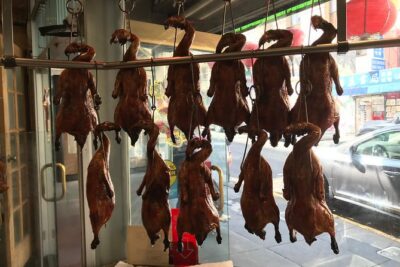
Browse the lists this tour appears in