
REVIEW · DINING EXPERIENCES
Organic Coffee Tour and Local Food Experience in Arusha
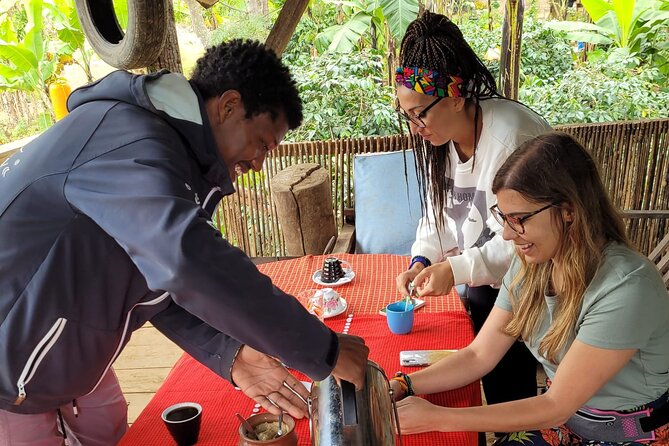
Coffee here begins with a berry on a small farm, not a café counter. In Ambureni village near Mt. Meru, you’ll pick beans, follow them through the coffee-making process, and drink the finished cup in a tree house with views of the surrounding nature. Making your own coffee is the main event, not a token demonstration.
I like the hands-on work and the family setting. You are not simply shown a plantation from a path. You help pick coffee with the farmers, then see how the beans are processed. I also like the food stop, where local mamas prepare traditional dishes over firewood and charcoal in clay pots. The homemade meal gives this outing more substance than a standard coffee tasting.
The main consideration is transport. Pickup may be arranged, but it costs extra, and the published information gives both $40 and $50 as possible private-transfer prices. Confirm the current fee before booking, especially if your accommodation is far from the meeting point.
Key points to know before you book

- Coffee from berry to cup: Pick beans, learn the production process, and prepare a cup yourself.
- A family farm in Ambureni: The experience takes place near Mt. Meru, among coffee plants, bananas, jungle, and open views.
- Tanzanian food by the fire: Local mamas prepare dishes in clay pots, along with biscuits, peanut brittle, popcorn, and other snacks.
- A tree-house coffee break: You finish the coffee process by sipping your own brew in an elevated spot surrounded by nature.
- Private and small-scale: Only your group participates, giving the outing a personal family-farm feel.
- Afternoon timing: Tours are available daily from 13:00 and last about three hours.
From Arusha to Ambureni village near Mt. Meru
This is a short cultural outing built around a local farm rather than a large commercial plantation. The meeting point is listed at JQM2+5J5 in Nkoanrua, Tanzania, and the activity returns there at the end.
The farm setting matters. You get coffee plants, banana trees, natural views, and the chance to see blue monkeys and different bird species in their usual surroundings. The setting is not presented as a formal visitor center, so you should expect a simple family property with a small garden of coffee trees rather than a polished agricultural museum.
That simplicity is part of the appeal. You are close to the people who grow and prepare the food, and the outing connects farming, coffee, cooking, and family life in one visit. If you want a carefully staged plantation tour with large displays and modern facilities, this may feel modest. If you want a direct look at village-based production, the scale works in its favor.
The tour begins at 13:00 on any day of the week. The timing makes sense for a half-day plan, particularly if you have a morning activity in Arusha or want something relaxed after a busier safari schedule. Allow time for the transfer if you arrange pickup, since the three-hour duration refers to the farm experience itself.
More coffee tours in the world:
- Hanoi: Vietnamese Street Food Tour with Egg Coffee
★ 4.9 · 315 reviews - Coffee and Gastronomic Bike Tour in Antigua
★ 5.0 · 284 reviews - Hungry in Vienna? A Food Lover’s Coffee & Market Walk
★ 4.9 · 276 reviews
Picking coffee with the farmers
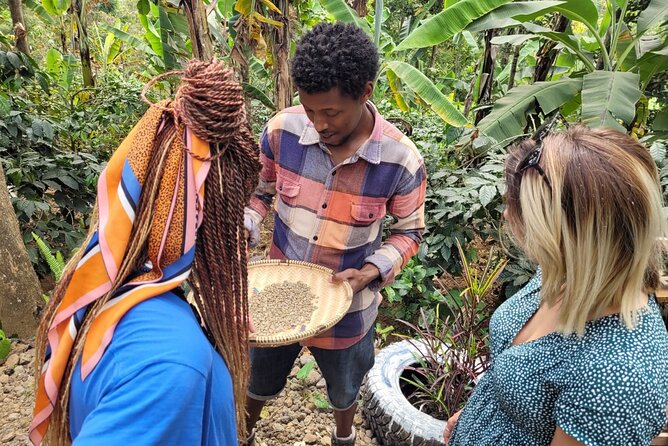
The coffee portion starts in the plants. You will handpick coffee berries and learn about the role of coffee plantations in Tanzania. This is a useful way to understand coffee because it begins with the crop itself, not with a bag of roasted beans.
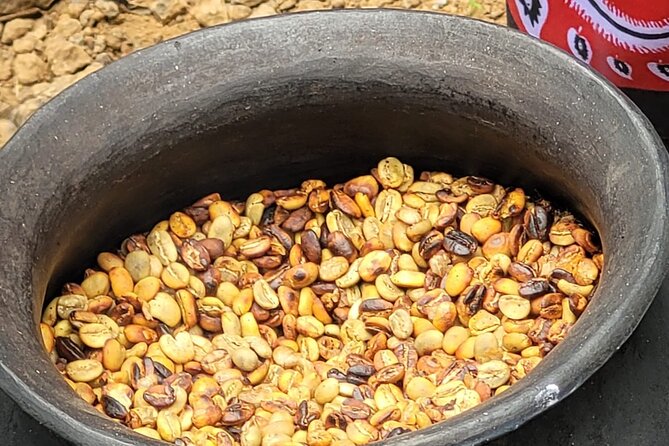
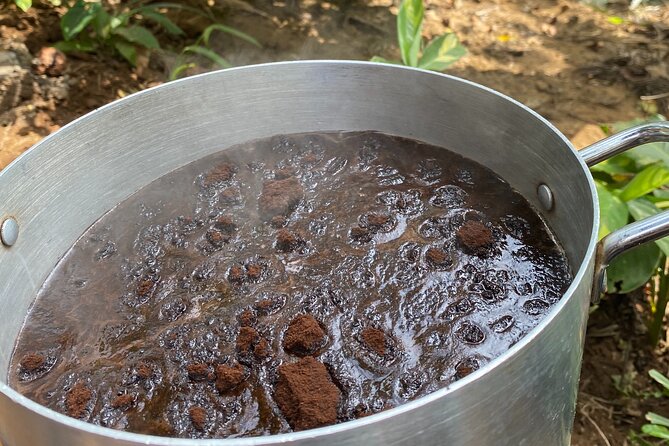
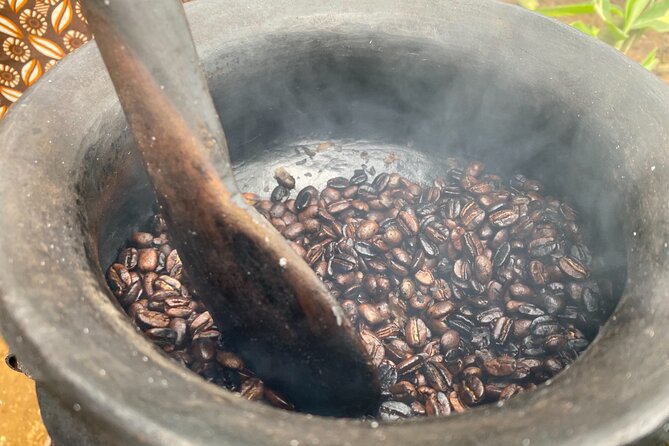
The farm team then guides you through the stages of coffee preparation. The stated process runs from dried coffee beans through roasting and preparation, ending with a cup that you make and taste yourself. The exact length of each step can vary, but the point is clear: you take part rather than watch from the side.
I like this format for families, couples, and curious first-time coffee drinkers because it turns an ordinary morning drink into a chain of physical tasks. You see where the bean starts, handle part of the process, and then taste the result. The coffee is also served with a strong sense of place, since you drink it at the farm after seeing the plants.
The tree-house stop is one of the most memorable details. After doing the work, you take your finished coffee to the tree house and enjoy the view. It gives the final cup a proper ending and creates a quiet pause in the middle of the visit.
Do not expect a professional coffee laboratory or a technical course in roasting. The focus is on participation, local farming, and hospitality. If you are a serious coffee expert hoping for precise information about varieties, altitude, brewing ratios, or export markets, you may want to ask questions during the visit and keep expectations reasonable. The tour is a cultural farm experience first.
Homemade snacks before the main meal
The farm provides several simple snacks, including handmade biscuits, peanut brittle, popcorn, and other homemade items. These are included with the experience and help fill the gap between the coffee work and the main food tasting.
The snacks also fit the character of the visit. You are trying foods made in a family setting, not packaged products selected for a standard tour menu. Peanut brittle and biscuits are familiar enough for most visitors, while the homemade preparation gives you a small taste of everyday cooking.
Food details may vary, so you should not book this expecting a fixed restaurant menu. The provided information promises a wide selection of traditional Tanzanian dishes on the full Organic Coffee Tour and Local Food Experience. It does not name every dish or specify how many courses you will receive.
That flexibility can be a benefit. The meal reflects what the local cooks prepare rather than forcing the farm into a set international menu. If you have allergies or dietary restrictions, raise them when booking, since the available information does not give a detailed ingredient list.
Clay pots, charcoal, and local Tanzanian dishes
The meal is prepared by local mamas over a bonfire, using firewood and charcoal. Some dishes are cooked in clay pots made through pottery. This is the part of the tour that gives the coffee visit its wider cultural meaning.
Cooking in clay pots is not just a visual extra. It shows you a method tied to local materials and household traditions. The fire, the pots, and the shared meal connect the farm’s food to the same practical world as its coffee plants. You are not only tasting Tanzanian dishes, you are seeing how part of the meal comes together.
The food is described as a large selection of traditional dishes, but the exact menu is not specified. That means you should come ready to try unfamiliar flavors and textures. You will also have coffee and tea available, along with the handmade snacks.
I especially like that the meal is part of the full booking rather than an afterthought. Some farm visits offer a short drink and a quick look around. Here, the food gives you time to sit, eat, and talk, making the experience feel more social and less like a demonstration.
The tradeoff is that the experience may feel informal. Cooking over a fire takes time, and the meal will not have the speed or uniformity of a restaurant. For me, that is a reasonable exchange for a closer look at local cooking. You should choose this tour for the setting and connection, not for fast service or a highly controlled menu.
A few more food tours around the world worth comparing
- Sorrento Farm and Food Experience including Olive Oil, Limoncello, Wine tasting
★ 5.0 · 2,524 reviews - Rome: Gourmet Food Tour with Dinner & Barolo Wine
★ 4.9 · 2,347 reviews - Porto Food & Wine Tasting Tour with Lunch or Dinner Option
★ 5.0 · 2,303 reviews - Lisbon: Baixa District Food Tour with Dinner and Drinks
★ 4.9 · 1,997 reviews
A private outing with a personal guide
This is a private activity, so only your group participates. That arrangement can make a big difference on a hands-on tour. You can ask questions about coffee, farming, food, or local customs without trying to hear over a large crowd.
One guide named in the tour information is Cosmas. He received especially strong praise for his work, with specific appreciation for the way he handled the coffee activity and meal. Another account describes an extremely friendly and well-informed host who explained the farm, coffee, and local culture clearly.
Because the tour is operated by a small local family, the visit has a personal feel. You may spend time at the family property and see a small coffee and banana garden, rather than walking through a large plantation. That is a strength if you want a direct connection to one household and its farming traditions.
It can also explain why expectations should be set carefully. A small family operation may not have the signage, facilities, or polished presentation of a major tourist attraction. In return, you get a closer view of how coffee and food are handled in an ordinary local setting.
Transport, meeting point, and the extra cost
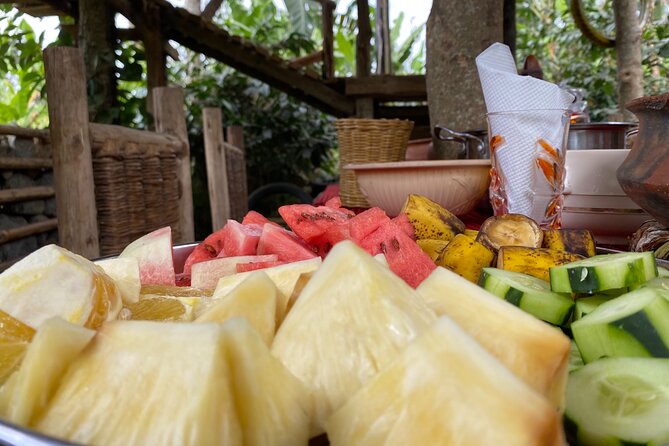
Pickup is offered, but private transportation is not included in the $45 per-person price. The tour information gives an additional $40 private-transfer figure in one place and $50 in another. Since the stated amount is inconsistent, ask Furahia Cultural Tourism to confirm the current pickup and drop-off price before you pay.
The transfer cost depends on where you are staying. The operator notes that the fee can be less, the same, or more than the suggested amount based on your location. You can also make your own way to the meeting point at JQM2+5J5, Nkoanrua, Tanzania, if that is practical for you.
This matters when you calculate the real cost. At $45 per person, the tour is good value if you care about a private farm visit, coffee preparation, snacks, a substantial local meal, and direct contact with the hosts. For one person traveling alone, adding a $40 or $50 transfer can make the total feel much less attractive. For a couple or small group splitting the transfer, the value improves.
Tips are not included. Mobile tickets are accepted, and confirmation is provided when you book. Service animals are allowed, and most people can participate, though the available information does not describe the exact walking surfaces or facilities at the farm.
What the strong praise gets right
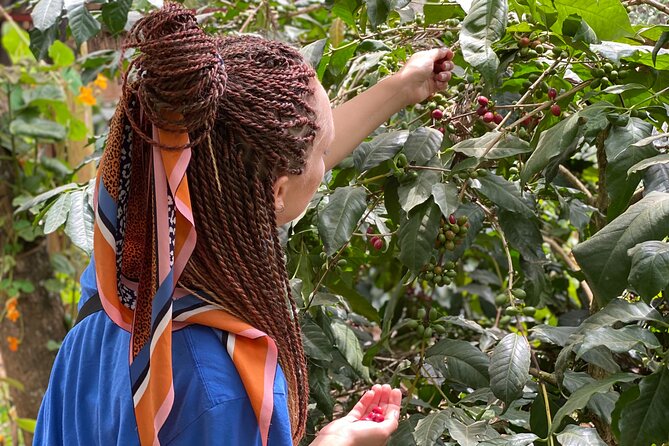
The most praised part of this experience is the coffee-making process. The chance to follow coffee from picking through roasting and preparation gives the visit a clear purpose. You are doing something with your hands, then enjoying the result in the tree house.
The meal receives similar attention. The combination of traditional dishes, firewood, charcoal, and clay pots makes lunch feel tied to the farm rather than added for convenience. The local cooks are central to the experience, not background staff serving a generic buffet.
The setting also earns its place. The view from the tree house, the nearby mountain, jungle vegetation, birds, and possible blue monkeys give you a pleasant break from Arusha’s streets. Wildlife sightings are not guaranteed, but the natural setting is part of the visit.
The overall rating is 4.9 from 29 reviews, with 97 percent recommending the activity. That is a strong record, but one important complaint concerned the transfer fee. The lesson is simple: read the transport terms closely and confirm the price. The coffee, food, and family setting are the main strengths, but the extra transfer should not come as a surprise.
Who will enjoy this Arusha coffee tour
I would choose this tour for you if you want a relaxed half-day introduction to Tanzanian food and farming. It suits people who enjoy meeting local hosts, trying homemade dishes, and taking part in a process instead of watching a staged show.
It is also a good fit for coffee drinkers who want to understand the crop at its source. You do not need special coffee knowledge. Picking the berries and preparing your own cup gives the activity enough structure for beginners, while the farm setting adds interest for anyone already familiar with coffee.
Families may like the mix of outdoor scenery, food, and practical activity. Couples and small private groups benefit from the quieter pace and the ability to ask questions. The outing can also work well for anyone with a free afternoon in Arusha who wants something more grounded in local life than a standard city stop.
I would think twice if you dislike informal farm settings, need a precise menu, or want a large-scale plantation with extensive exhibits. You should also check the transport cost carefully if your accommodation is not near Nkoanrua.
At $45 per person, the core experience offers a fair package: coffee, tea, snacks, lunch, a private group, and a three-hour visit. The value depends most on the transfer. If you can reach the meeting point easily or share the extra cost with your group, this is a sensible way to spend an afternoon near Mt. Meru.
Should you book it?
Book this tour if you want the most personal version of an Arusha coffee visit: a family farm, your own cup made from picked beans, local food cooked over a fire, and time to enjoy the view from a tree house.
Before booking, confirm the private-transfer charge, ask about any food allergies, and keep your expectations focused on local hospitality rather than polished tourism infrastructure. For a hands-on cultural experience with a strong coffee and food component, I think it is a worthwhile choice.
FAQ
How long does the Organic Coffee Tour and Local Food Experience last?
The experience lasts approximately three hours.
What time does the tour begin?
The tour is available every day of the week from 13:00.
Is transportation included in the price?
No. Private transportation is not included. The tour information lists an additional private-transfer fee of $40 in one section and $50 in another, so confirm the current price with the operator.
Where does the tour start and finish?
It starts at JQM2+5J5, Nkoanrua, Tanzania, and ends back at the meeting point.
What food and drinks are included?
You receive coffee and tea, handmade snacks such as peanut brittle, biscuits, and popcorn, plus lunch when booking the full coffee and local food experience. Lunch includes traditional food cooked over firewood and charcoal in clay pots.
Can I cancel for a full refund?
Yes. You can cancel at least 24 hours before the local start time for a full refund. Cancellations or changes made within 24 hours are not refunded or accepted, and poor weather may lead to a different date or a full refund.
Just added around the world
- PRIVATE ISTANBUL FOOD TOUR & Hidden Pearls of the old city★ 5.0 · 43 reviews
- Taste of Istanbul – Food & Culture★ 5.0 · 54 reviews
- The Award-Winning PRIVATE Food Tour of Istanbul: The 10 Tastings★ 5.0 · 462 reviews
- Istanbul Food Tour – History and Culture of Turkish Culinary★ 5.0 · 265 reviews
- Private and guided Food and Culinary Tour of Istanbul★ 5.0 · 27 reviews
- Half-Day Istanbul Private Food Tour & Culinary Experience★ 5.0 · 28 reviews
- Taste Of Old City Street Food Tour with Local Guide★ 5.0 · 64 reviews
- Eating Like a Local: Learn About Diverse Culinary Culture of Turkey★ 5.0 · 86 reviews
Dining Experiences, compared.
Sorrento Farm and Food Experience including Olive Oil, Limoncello, Wine tasting
Read our review →
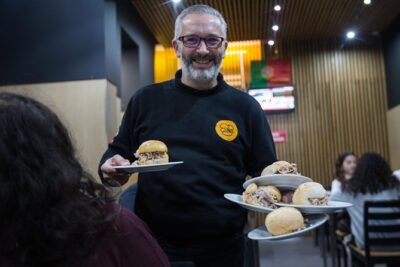
Porto Food & Wine Tasting Tour with Lunch or Dinner Option
Read our review →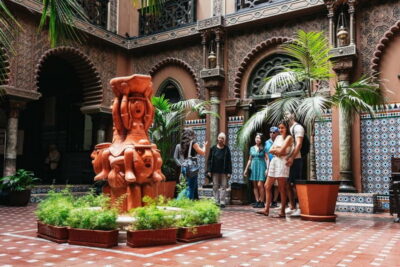
Baixa District Food Tour with Dinner and Drinks
Read our review →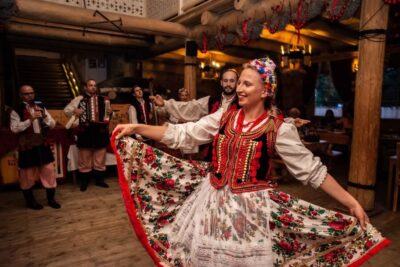
From Krakow: Polish Folk Show with All-You-Can-Eat Dinner
Read our review →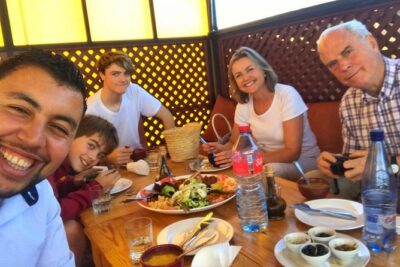
Authentic Moroccan Food Tour in Marrakech with Dinner
Read our review →
Luxury Dinner Buffet at Gastronomy Atlantis The Royal
Read our review →
St. Augustine’s Wine, Cocktail and Food Experience
Read our review →Browse the lists this tour appears in