
REVIEW · MEXICO
Mérida: Food tour of typical Yucatecan cuisine.
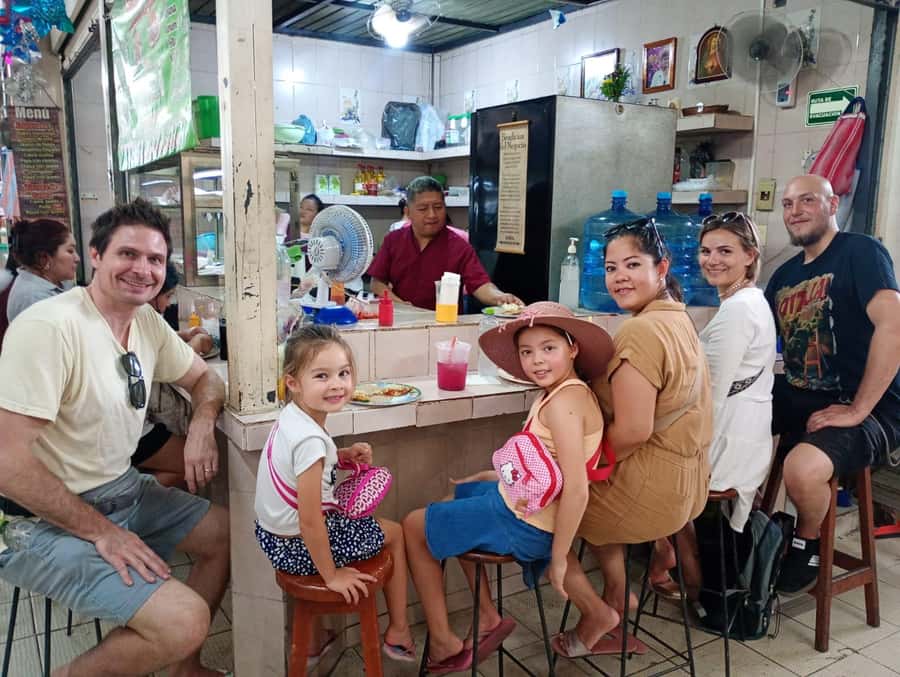
Mérida’s best food stories are told at market counters, not behind polished restaurant doors. This small-group tour takes you to two traditional markets, where you can eat a full spread of Yucatecan food, sip a fresh fruit drink, and finish with local sweets while a chef-guide explains what is on your plate.
I like the generous format: food, drink, and dessert are included, and past groups have eaten tacos from three stalls plus a large drink and a selection of candies. I also like the personal touch from guides Carlos and Raquel, who explain both the cooking and the Mayan influence behind it.
The main thing to consider is the pace. At only 1.5 hours, this is a concentrated tasting rather than a long market stroll. Come hungry, wear comfortable shoes, and expect a warm, active morning around working food stalls.
Key points to know before you book
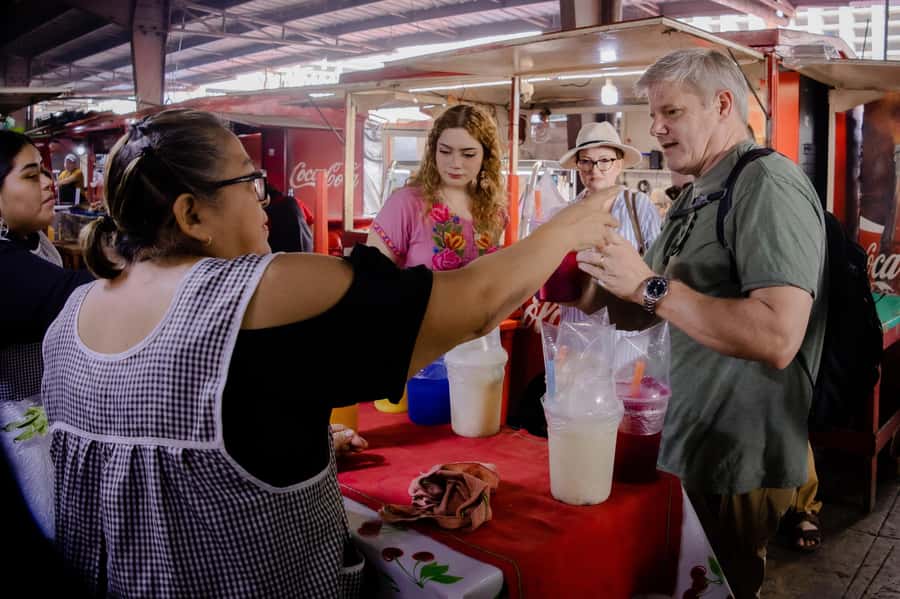
- Two traditional Mérida markets: You visit two of Yucatán’s best-known markets rather than eating at one fixed restaurant.
- A full breakfast-sized tasting: Plan for several dishes, tacos, a large fruit drink, and traditional sweets.
- Mayan food traditions explained: Your guide connects ingredients and cooking methods to the Mayan influence on modern Yucatecan cuisine.
- A genuinely small group: The tour accepts only 3 to 6 people, with especially close attention possible when fewer people book.
- Good value at $35: Food, drink, dessert, and guiding are included, with your spending going directly to market stalls.
- Easy morning logistics: The tour lasts 1.5 hours, is usually offered in the morning, and is available in English or Spanish.
Why a Mérida market is the right place to learn Yucatecan food
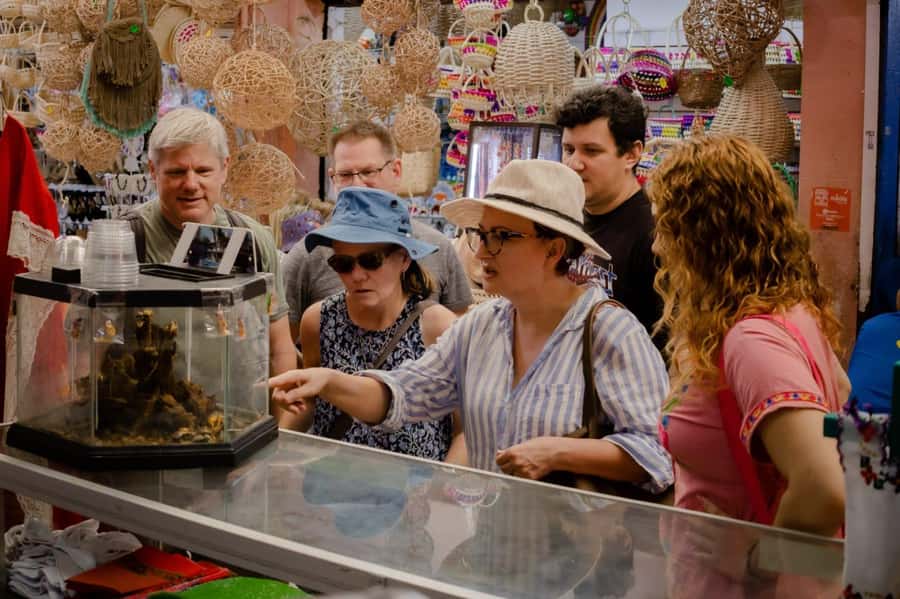
Yucatecan cuisine makes more sense when you see the ingredients in their everyday setting. A market lets you look beyond a finished plate and notice the produce, sweets, drinks, and cooking habits that shape meals across the peninsula.
This tour focuses on that connection. Your guide talks through the ingredients in each dish, how the food is prepared, and the lasting role of Mayan culture in local cooking. You are not simply handed a taco and told its name. You get the story of how a dish fits into the region’s daily food life.
That matters because Yucatecan cooking has a clear regional identity. The tour does not try to cover every restaurant style in Mérida. Instead, it keeps its attention on typical food sold in the markets, where the experience feels more direct and local.
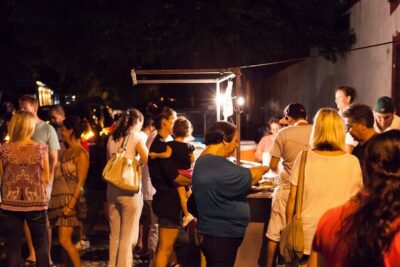
The setting also gives you a useful sense of place. You are eating at selected market stalls while the markets carry on around you. That means the visit has more movement and less polish than a restaurant meal. For many people, that is exactly the point. For others, the heat, noise, and close quarters may take some getting used to.
A few more food tours around Mexico worth comparing
- Winner 2025 Downtown Vallarta Food Tour with Vallarta Food Tours
★ 5.0 · 3,738 reviews - Chichen Itza Gastronomic, Valladolid and Cenote Extremo
★ 5.0 · 2,558 reviews - Food & Mixology Tour:Tequila,Tacos, Mezcal and Agave Cocktails
★ 5.0 · 1,884 reviews
Meeting near 56th Street and starting in the city center
You meet outside the museum on 56th Street, at the crosswalk. After booking, the guide sends a photo of the exact meeting point, which is useful because a city-center meeting place can be easy to miss if you are watching street signs instead of landmarks.
The tour begins once the small group has assembled. The listed group size is limited to six people, and the experience requires at least three participants. That small scale is important in a market. A large group would be harder to keep together, and it would be less practical to stand at stalls while the guide explains each dish.
The tour is usually scheduled in the morning. That timing fits the food well, since the meal is presented as breakfast and includes several substantial tastings. Do not plan a large breakfast before you arrive. Several people who took the tour found there was a lot to eat, including a large drink, multiple tacos, and sweets at the end.
Wear comfortable clothes and walking shoes. Bring sunscreen, biodegradable sunscreen if possible, insect repellent, and some cash. These are simple preparations, but they make a difference when you are outside and moving between market stops.
The first market: food, people, and a working setting
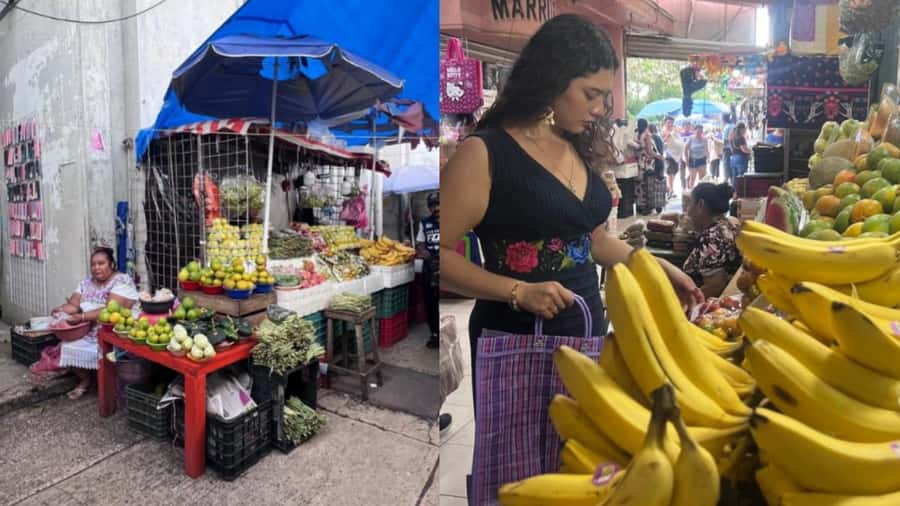
The first market visit gives you the basic rhythm of the experience. You move through the stalls with the guide, stop at selected places, and sample regional food as the guide explains what you are eating.
The appeal here is not just the number of bites. It is the chance to see how food is sold and prepared in a local market rather than served in a formal dining room. You may notice the practical side of the meal: food being assembled, ingredients being handled, and dishes served in a setting designed for everyday eating.
The exact sequence of dishes can vary, so you should not book this expecting a fixed tasting menu. The available information points to multiple regional dishes, tacos from several stalls, a fruit drink, and sweets. That gives you variety without pretending that every morning will be identical.
The guide’s role is central. Carlos and Raquel have led groups through the markets and explained both food and market history. If you enjoy asking questions, a group of three to six people gives you a much better chance to do so than a large bus-style food tour.
You should also expect a social meal. Market food is served in a practical setting, and the tour is designed around tasting rather than lingering over a long restaurant course. If you prefer a quiet, slow breakfast, this may feel brisk. If you want a quick introduction to local cooking, the pace works in your favor.
The second market and the main tasting
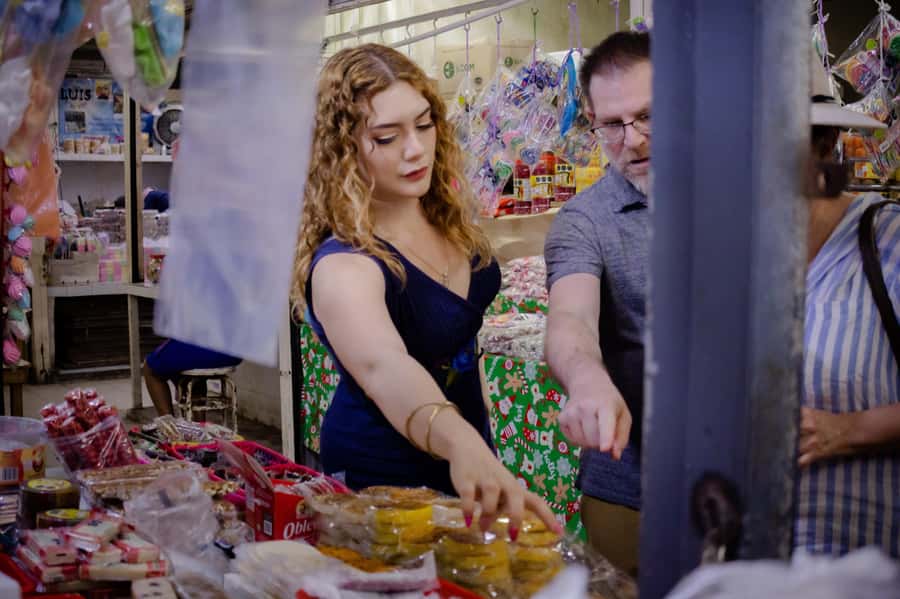
The visit to the second market broadens the food experience. Instead of placing all the attention on one location, the tour shows you another market setting and adds more stalls to the tasting.
The most useful detail from the food description is its scale. One tasting included an extra-large drink, two tacos at each of three stalls, and a final selection of candies. That is not a tiny sample designed to whet your appetite. It is enough food to function as a substantial breakfast, and perhaps more than enough for some people.
This is where the $35 price begins to make sense. You are paying for a guide, but you are also covering the food, drink, and dessert. If you visited several stalls on your own, you might spend less or more depending on what you ordered, but you would not automatically get the same explanations or a planned range of tastings.
The tour also supports the market sellers directly. The food consumed during the experience is purchased from the stalls, so your money goes into the local market community rather than only to a central tour operation. That is a meaningful benefit if you want your food spending to stay close to the people preparing and selling it.
Still, the value depends on how much you eat. Someone with a small appetite may find the quantity excessive, while a food-loving visitor will likely see the generous portions as one of the strongest parts of the tour. The sensible plan is to arrive hungry and avoid scheduling an early dinner afterward.
Same city, a completely different plate:
- Tour to Chichen Itza-Tickets, food and cenote
★ 5.0 · 1,479 reviews - Cabo San Lucas Downtown Food and Tacos Tasting Experience
★ 5.0 · 1,388 reviews - Playa del Carmen Walking Food Tour
★ 5.0 · 1,274 reviews - Historic Center Food Tour in Mexico City
★ 5.0 · 1,263 reviews
Learning the Mayan influence one bite at a time
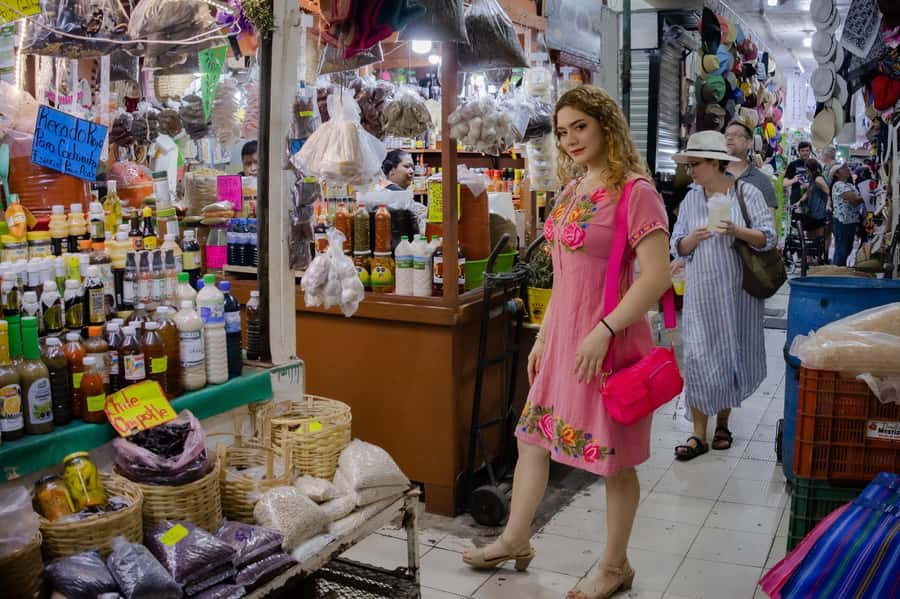
The cultural lesson is woven into the food stops. Your guide explains the ingredients and preparation methods, then connects them to the Mayan influence that remains part of Yucatecan cooking.
This is more useful than a broad lecture given away from the food. You learn while looking at and tasting the dishes, so the information has a clear reference point. When the guide discusses an ingredient or method, you can relate it to what is in front of you.
The tour is especially helpful for first-time visitors to Yucatán who want context but do not want a long museum-style presentation. The market provides the setting, the food gives you something concrete to remember, and the guide fills in the regional background.
The information stays focused on cuisine and market life. If you want an extensive study of Mayan archaeology, this is not the right outing. The tour gives you a food-based introduction to cultural heritage, not a full history lesson.
Guides Carlos and Raquel have been praised for being friendly, attentive, funny, and clear when discussing regional food. Those qualities matter in a small group. A guide who can explain a dish in plain language makes it easier to ask about ingredients, allergies, cooking methods, or unfamiliar flavors.
Fruit drinks and Yucatecan sweets
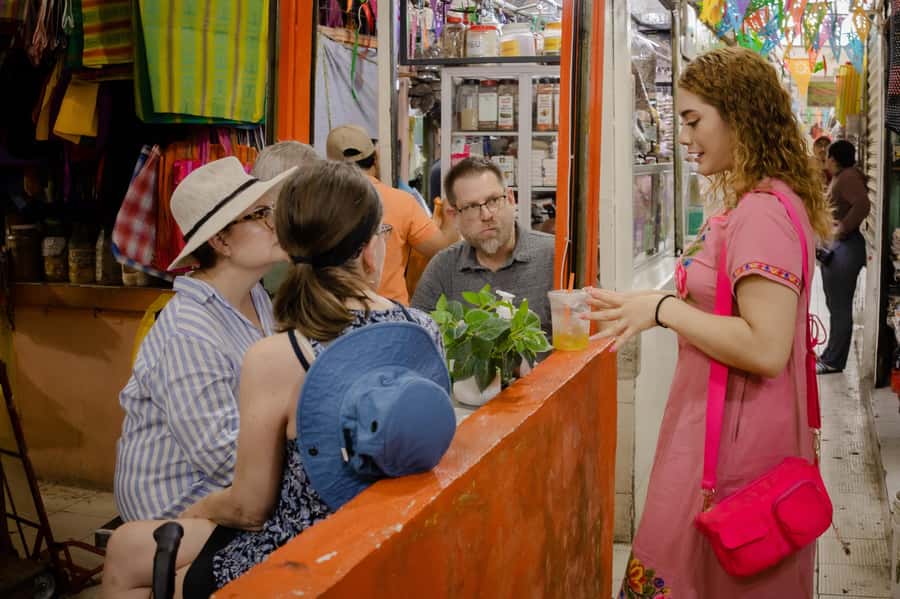
The drink and dessert are not filler. The fruit drink offers a cool break during the morning, while the sweets give the tour a clear finish after the savory food.
The drink is described as a typical regional fruit beverage, and the portions can be large. That is practical in Mérida’s warm climate, though it is another reason not to eat or drink too much before the tour begins.
The final sweet tasting gives you a different view of Yucatecan food. Savory market dishes often get all the attention, but traditional candies and sweets show another part of local cooking. The selection may vary, so you should think of this as a chance to sample several regional treats rather than a promise of one particular dessert.
If you have dietary restrictions or allergies, mention them when booking and again at the start. The tour is described as suitable for vegetarians and people with dietary needs, but market food can contain varied ingredients and preparation methods. Clear communication gives the guide the best chance to direct you toward suitable choices.
What the $35 price really covers
At $35 per person, this is a strong value if you want a guided tasting rather than a self-led market visit. The price includes the market walk, food from several stalls, a drink, dessert, and the guide’s explanations.
The amount of food is a major part of the value. This is not a tour where you pay $35 and then need to buy lunch afterward. The tasting is substantial enough that you should plan your next meal around it.
The small group improves the value too. A guide working with up to six people can give more direct help, explain dishes at a comfortable pace, and adjust for food restrictions more easily than someone handling a large crowd.
You are also paying for local access and interpretation. You could walk through a market alone, but you might not know which stalls to choose, how to order, or what the dishes mean in the wider food culture. The guide removes much of that guesswork.
The price will feel less appealing if you only want a quick snack or prefer to choose every dish yourself. In that case, a self-guided market visit may give you more freedom. But for an organized introduction with a full breakfast-sized tasting, $35 is reasonable.
Who will enjoy this tour most
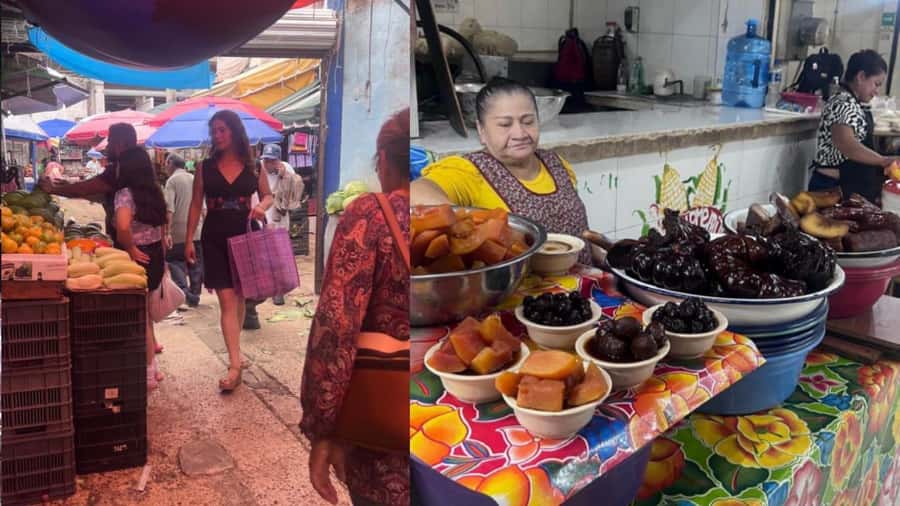
I would recommend this experience to you if you want your first morning in Mérida to include food, local context, and a little walking. It is also a good choice if you are unsure what to order in a Yucatecan market and want someone to lead you to selected stalls.
It suits people who enjoy trying several small portions, asking questions, and eating in an everyday setting. English and Spanish are both available, and the small group makes the guide’s explanations easier to follow.
Vegetarians and people with dietary restrictions can also consider it, since the experience is described as suitable for them. You should still share your needs clearly before tasting anything.
The tour may be less suitable for you if you dislike market conditions, need a long sit-down meal, or want a precise menu confirmed in advance. The food is regional and varied, and the market setting means the experience has a practical, changing quality.
Wheelchair access is listed as available. Even so, you may want to confirm the exact route and stall access before booking, since market layouts can be tight and active.
Practical details that make the morning easier
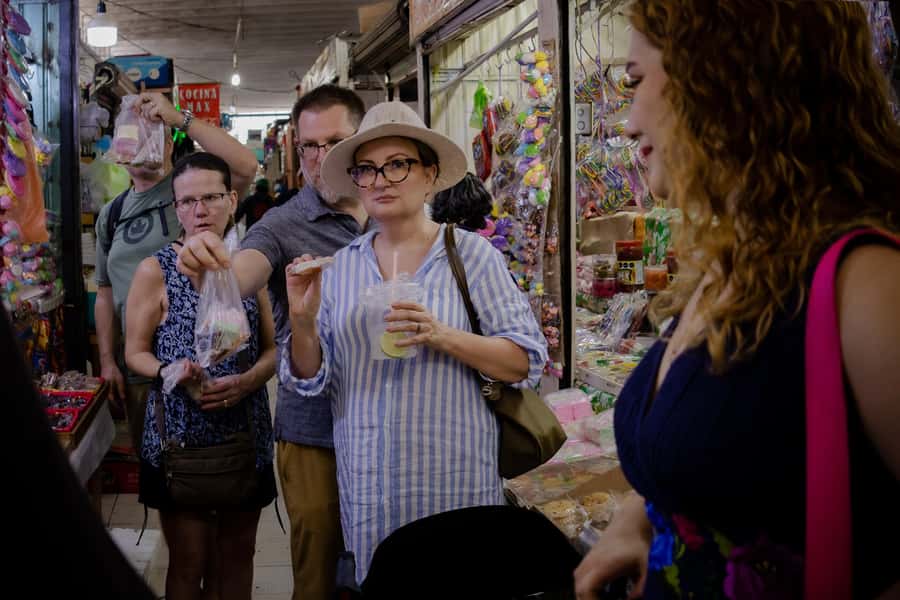
Book only if you can arrive ready to eat. The food comes in several rounds, and the combination of tacos, a large drink, and sweets can add up quickly.
Bring cash even though food is included. It is useful for personal purchases at the markets, and the tour’s practical information specifically recommends carrying it.
Use sunscreen and insect repellent, and choose light, comfortable clothing. The outing is short, but it takes place around open market areas and city streets.
Cancellation is flexible up to 24 hours before the start for a full refund. You can also reserve now and pay later, which helps if you are still arranging your Mérida schedule.
There is a separate entrance for the activity, so you should not expect to wait in a standard attraction line. The key logistical point is the meeting location: outside the museum on 56th Street, at the crosswalk. Watch for the photo sent after booking.
Should you book Yucatequita Tours?
Book this tour if you want a compact, filling introduction to Mérida’s food culture, especially if you value local guidance over a formal restaurant meal. The strongest reasons are the small group, the generous amount of included food, and the chance to connect everyday dishes with Mayan traditions.
I would skip it only if you prefer complete control over your menu, have a very small appetite, or want a slower three-hour food walk. For most people who arrive hungry and prepared for a working market setting, this is a practical way to get oriented to Yucatecan cuisine without spending much.
FAQ
How long does the Mérida food tour last?
The tour lasts 1.5 hours and is usually available in the morning.
How much does the food tour cost?
The price is $35 per person. Food, a drink, dessert, and the guided market visit are included.
What food is included?
You can expect several regional dishes, a fruit drink, and traditional Yucatecan sweets. One reported tasting included tacos from three stalls, with two tacos at each stop, plus a large drink and candies.
Where is the meeting point?
You meet outside the museum on 56th Street, at the crosswalk. A photo of the exact meeting point is sent after booking.
Is the tour available in English?
Yes. The tour is offered in English and Spanish.
Can vegetarians or people with allergies join?
Yes. The tour is described as suitable for vegetarians and people with dietary restrictions or allergies. Tell the guide about your needs before tasting the food.
Just added around Mexico
- Mexico City: Vegan and Vegetarian Street Food Adventure★ 4.8 · 65 reviews
- Mexico City: Authentic Downtown Food Tour★ 4.9 · 260 reviews
- Mexico City: Mystic Markets La Merced & Sonora Culinary Tour★ 4.9 · 301 reviews
- Mexico City: Old Town Food Tour of 7 Tastings & Secret Dish★ 4.9 · 99 reviews
- Mexico City: Coyoacan Tacos Food Tour & Optional Frida Kahlo★ 4.8 · 30 reviews
- Mexico City: Tacos & Mezcal Night Food Tour★ 5.0 · 100 reviews
- México City: Street Food to Home Cooking Food Tour★ 5.0 · 84 reviews
- Mexico City: 3–Hour Polanco Food Tour★ 4.9 · 101 reviews
Food Tours in Mexico, compared.
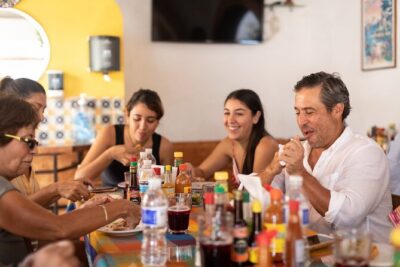
Downtown Vallarta Food Tour with Vallarta Food Tours
Read our review →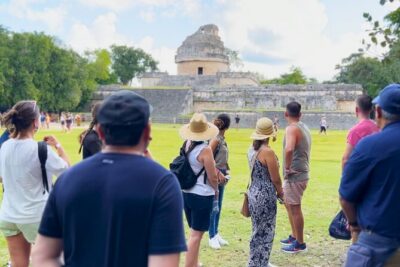
Chichen Itza Gastronomic, Valladolid and Cenote Extremo
Read our review →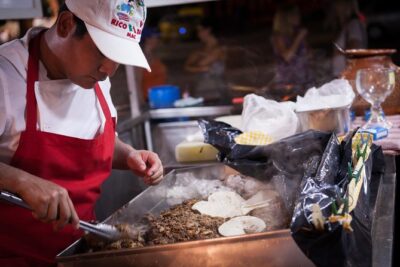
Food & Mixology Tour:Tequila,Tacos, Mezcal and Agave Cocktails
Read our review →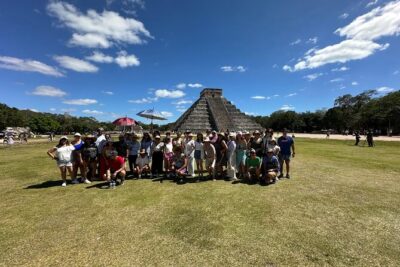
Tour to Chichen Itza-Tickets, food and cenote
Read our review →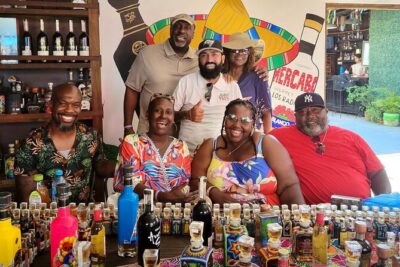
Cabo San Lucas Downtown Food and Tacos Tasting Experience
Read our review →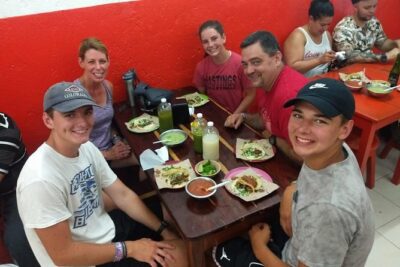
Taco Adventure Evening Food Tour with Vallarta Food Tours
Read our review →Browse the lists this tour appears in