
REVIEW · NAPLES
Master Authentic Neapolitan Pizza & Tiramisu at Home
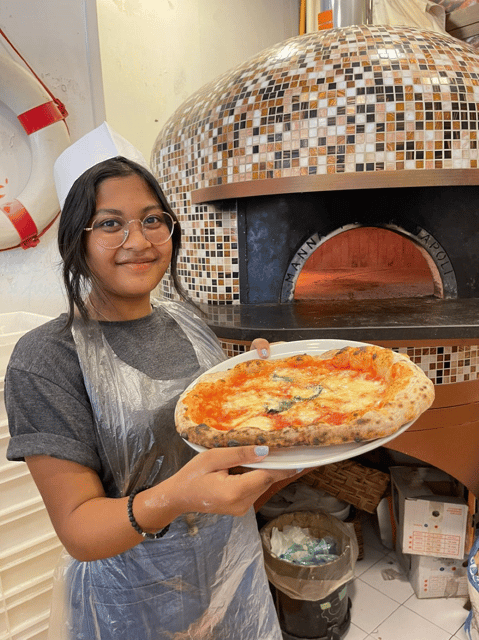
Naples gives you one of Italy’s best food lessons: great pizza does not require a fancy wood-fired oven. In this small-group, hands-on class, you make your own dough, learn how to shape it, and bake it in a home-style electric oven with a traditional ruoto napoletano. You also prepare tiramisu from scratch.
I like two things right away. First, the method is practical, since you can repeat it in your own kitchen. Second, the class includes tiramisu, fresh ingredients, drinks, and a digital recipe booklet for just $14 per person. The main consideration is that the cooking room can feel warm, and the class is not suitable for wheelchair users.
Key points to know before booking
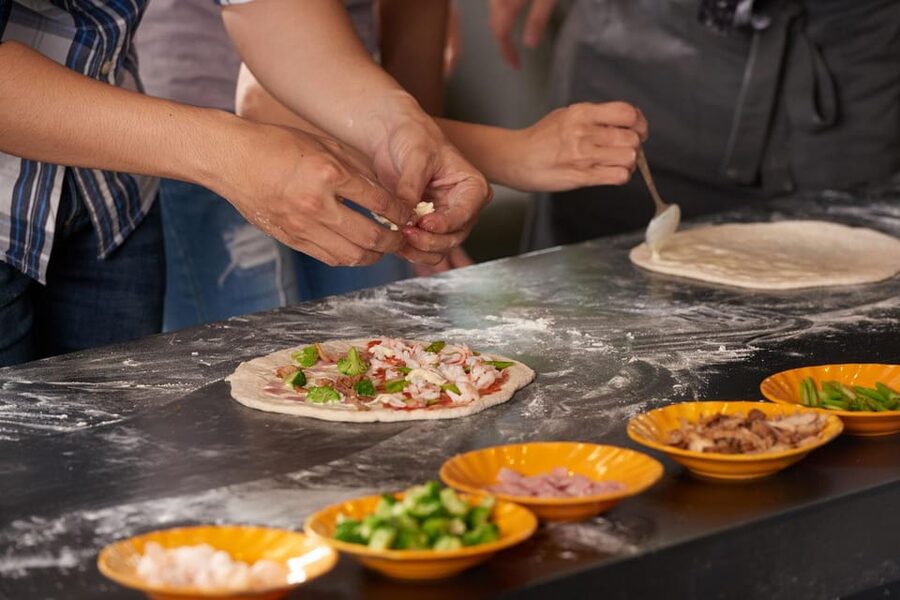
- You make your own dough: This is a hands-on class, not a demonstration where you simply watch a chef work.
- A home oven is part of the lesson: You learn how to get a crunchy, airy crust without a wood-fired oven.
- Gino, Claudio, Anthony, and Mario have led sessions: The teaching style is patient, friendly, and suited to questions.
- Pizza and tiramisu are both included: You prepare a savory main dish and a classic Italian dessert in about 2.5 hours.
- The digital recipe booklet matters: You can practice the recipes at home instead of relying on memory.
- Check the start time carefully: One session had a mismatch between the booking time and the actual class time.
Why this Naples cooking class is more useful than a simple pizza meal
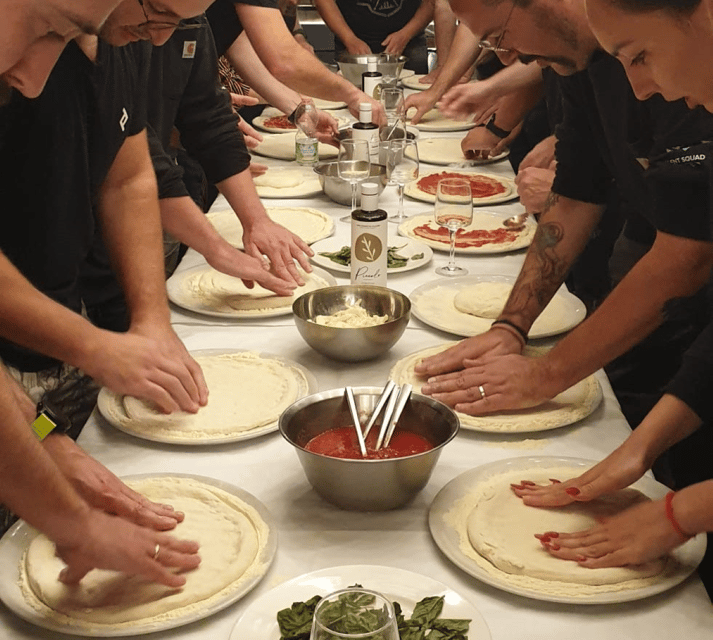
A pizza meal in Naples gives you flavor. This class gives you a way to repeat it. That difference matters if you are bringing children, cooking partners, or a serious interest in Italian food into the experience.
The class focuses on adapting Neapolitan methods to ordinary kitchens. You work with a standard electric oven and a traditional ruoto napoletano, a round baking pan associated with Neapolitan home cooking. The aim is not to pretend that a home oven behaves like a restaurant oven. Instead, the chefs show you how to work with the equipment you already have.
I like that approach. Many cooking classes teach impressive techniques that are hard to repeat once you return home. Here, the central promise is more useful: make pizza from scratch, bake it at home, and understand what you are doing.
The class lasts around 2.5 hours, with the listed duration ranging from two to three hours. That is enough time for a real lesson without taking over your day in Naples. You will still need to plan around the start time, since arriving 15 minutes early is required.
More Food Tours in Naples
- Naples: Street Food Walking Tour with Local Guide
★ 4.9 · 4,976 reviews - Authentic Naples Street Food Tour With Local Expert Guide
★ 5.0 · 2,402 reviews - Naples: Guided Street Food Tour with Spritz
★ 4.9 · 1,212 reviews
Starting with dough, not shortcuts
The class begins with pizza dough, and each participant makes their own dough. That detail is important. You are not simply watching one large batch being mixed while a chef explains the process. You get direct practice with the basic material that controls the final crust.
The chefs guide you through preparing the dough from scratch, then help you work toward the texture needed for a light, airy edge and a crisp base. The exact timing and handling matter, so this is where the small-group setup earns its keep. You can ask for help with sticky dough, shaping, or any step that feels unfamiliar.
Chef Anthony has been praised for answering questions and helping each person through the process. Gino and Claudio have also led classes, with Gino receiving particular praise for his warm, patient teaching. Mario has been described as patient and clear when explaining the process.
That does not mean every class will feel identical. The experience can be bilingual, and instruction may be offered in English, French, Italian, or Spanish. If you need one language used throughout, check the arrangement before booking.
Learning to bake pizza in a home-style electric oven
The most useful part of the lesson comes when your pizza meets the oven. This is not a wood-fired pizza workshop. The kitchen uses a home-style electric oven, so the class deals with the same limitation you may face at home.
You learn how to work toward an authentic-style crust with ordinary equipment. The goal is a pizza that is crunchy underneath but airy around the edge. That is a realistic target for a home cook, although you should not expect the exact speed or heat of a professional pizzeria.
The ruoto napoletano is central to the home method. It gives you a practical way to handle and bake the pizza in an electric oven. The chefs cook the pizzas, while you take part in preparation and topping. One detailed account of the class describes a flow from dough making to a short snack break, then topping, oven time, and finally eating the finished pizza downstairs with a drink.
You should understand the format clearly: you make your own dough, but the chef handles the oven stage. That is sensible for safety and timing, especially when several pizzas need to be cooked. It also means you may not personally operate the oven.
Topping, baking, and eating your own pizza
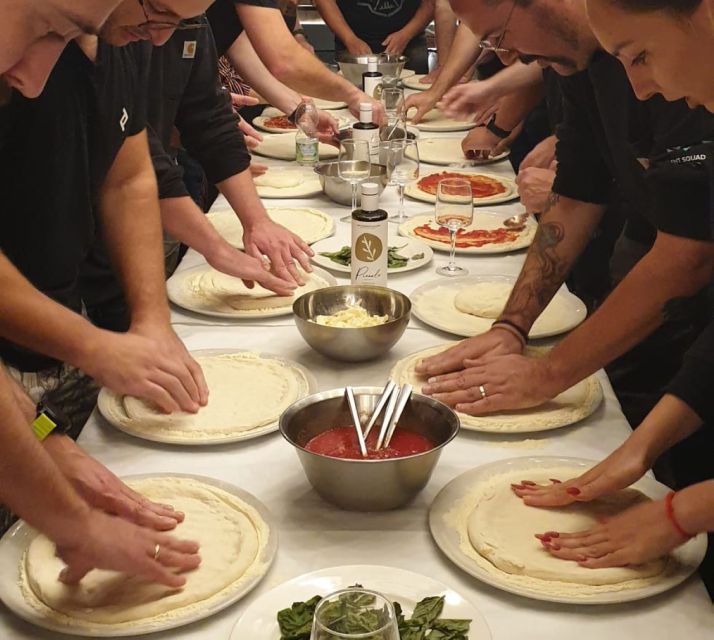
After the dough work, you move on to toppings and shaping. This is where the lesson becomes more social and relaxed. You are working with fresh ingredients, and the chefs help you avoid the common home-pizza problems of overloading the base or losing the shape.
A short break may include bruschetta, cold water, and pizza dough balls. These extras are not the main reason to book, but they make the two-and-a-half-hour session easier, especially if you are attending with children.
When the pizza is ready, the chef cooks it. You then eat your own freshly made pizza with a complimentary local drink, either water or a soft drink. The food is part of the teaching here. You can see how the crust turned out, notice its texture, and compare the result with the method you were shown.
I find this more valuable than simply being served a pizza at a restaurant. You get an immediate lesson in cause and effect. If the crust is airy, you can connect that result to the dough handling. If it is more or less crisp than expected, you have a chance to ask why.
One practical drawback is heat. A class held in a working kitchen can become warm, particularly in summer. One session was described as needing stronger air conditioning. Wear comfortable clothing and expect an active kitchen rather than a cool dining room.
More pizza tours in Naples:
- Authentic Naples Food Tour with 8+ Tastings of Pizza, Wine & More
★ 5.0 · 824 reviews - Naples: Pizza and Beyond Food Tour
★ 4.8 · 75 reviews - Boston Food & History: Pizza, North End & Freedom Trail
★ 5.0 · 1,772 reviews - Boston Pizza Lovers Food and History Walking Food Tour
★ 4.5 · 1,082 reviews
Making tiramisu from mascarpone and coffee
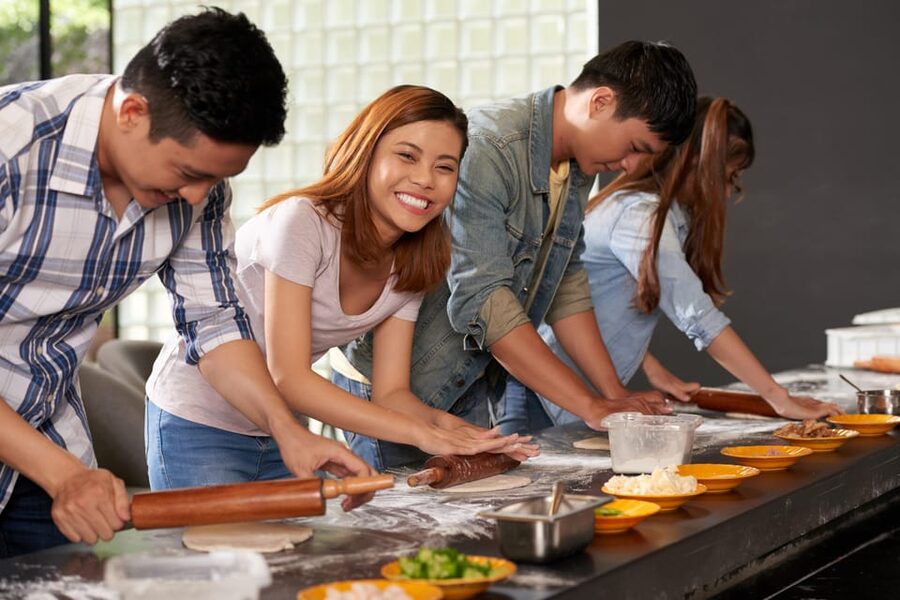
The dessert lesson adds real value. You do not just eat tiramisu after the pizza. You prepare it from the beginning, learning how to make the mascarpone cream, soak the savoiardi biscuits in coffee, and build the layers step by step.
That gives the class a good balance. Pizza teaches dough, shaping, toppings, and baking. Tiramisu teaches texture, soaking, cream, and assembly. You leave with two recipes that use very different skills.
The tiramisu section is also a good reason to choose this activity if someone in your group is less interested in pizza technique. One person may enjoy dough work, while another prefers assembling dessert. Everyone still has a finished dish to enjoy.
You should advise the provider about food allergies or intolerances before attending. The class includes ingredients and hands-on cooking, so this is not a minor detail. No specific substitutions are promised in the information provided.
The small-group format and teaching style
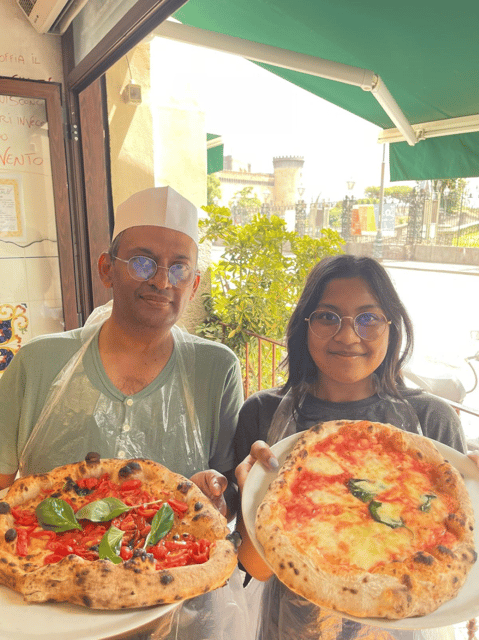
Small groups make a difference in a cooking lesson. You need access to work surfaces, ingredients, and the instructor. With too many people, a pizza class can turn into a wait-and-watch exercise.
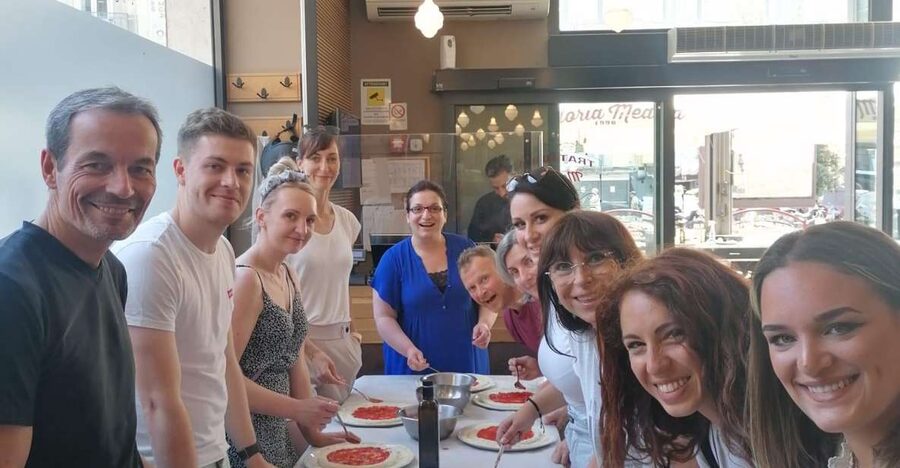
The available details point to a group size that can still feel personal. One session had 10 people ranging in age from five to 46, and the group was able to take part successfully. Another account describes a relatively small group where help was available throughout the class.
The chefs’ teaching style seems to be a strong part of the experience. Gino and Claudio are named as instructors, while Anthony and Mario have also led sessions. The common thread is patience, clear guidance, and a willingness to answer questions.
That matters if you are not confident in the kitchen. You do not need professional cooking experience. The class is designed to teach the basic process in a fully equipped kitchen, with the instructor present to correct mistakes before they affect the final pizza.
Families should find the format appealing, although younger children will need normal supervision around kitchen equipment. The age range in one class suggests that the activity can work for mixed-age groups, but no specific minimum age is given.
What the $14 price really includes
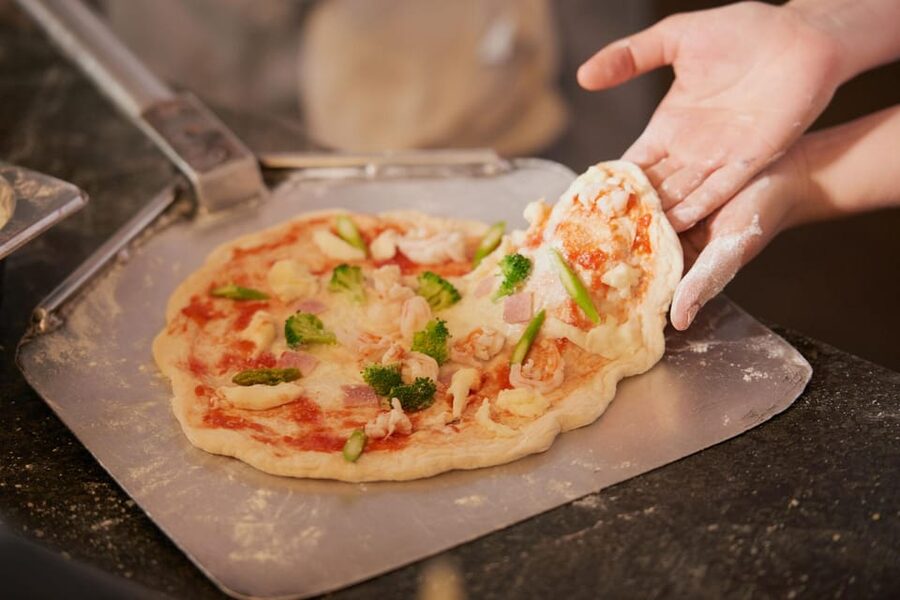
At $14 per person, this is unusually low for a 2.5-hour cooking activity in Italy. The value comes from the combination of instruction, ingredients, equipment, a pizza meal, a drink, tiramisu, and the digital recipe booklet.
The booklet is especially important. A cooking class can be enjoyable but easy to forget once you return home. Written recipes give you a reference for repeating the dough and dessert instead of trying to recall every measurement and step.
The price does not include hotel pickup. You need to make your own way to the activity, though the meeting address is not provided in the information available here. You should also confirm the starting time before committing, especially if you are arriving by cruise ship or working around a tight Naples schedule.
The reserve-now, pay-later option adds flexibility, and cancellation is free up to 24 hours before the activity for a full refund. Those terms are helpful if your plans are still changing, but you should still arrive 15 minutes early once you have booked.
Timing advice for cruise passengers and busy itineraries
The time issue deserves attention. One group found that the booking page showed 11:30 a.m., while the cooking class actually began at 11 a.m. The provider accommodated the group at a later 1:30 p.m. session, but you should not rely on that happening every time.
If you are visiting Naples from a cruise ship, allow extra time between the port and the kitchen. The class lasts about 2.5 hours, and you must arrive early. A session that looks possible on paper may not work if your ship arrives at the stated start time.
For a relaxed visit, choose a class that leaves room before and after the lesson. You will enjoy the food more if you are not watching the clock. You can also use the class as a midday activity, since the pizza becomes part of your meal.
The experience is available in English, French, Italian, and Spanish. It can also be bilingual, so ask about the language setup if every member of your group needs the same level of instruction.
Who will enjoy this experience most
I would choose this class for you if you want an activity with a practical result. It works well for couples, families, first-time cooks, and anyone who wants more than a standard restaurant meal.
It is particularly suited to:
- Home cooks who want to improve pizza dough
- Families looking for a shared food activity
- Visitors who want to learn a Naples specialty in Naples
- People who enjoy dessert as much as the main course
- Anyone with a normal electric oven at home
- Groups looking for a low-cost activity lasting around half a day
You may want to skip it if you are looking specifically for a wood-fired pizza demonstration. That is not what this class offers. You should also reconsider if you need wheelchair access, since the activity is not suitable for wheelchair users.
This is a hands-on kitchen lesson, so it may not suit someone who wants a quiet tasting session. You will work with dough, toppings, coffee, mascarpone, and equipment. The active format is the point, but it will not appeal to everyone.
What to bring and what to expect on the day
Bring a camera if you want pictures of your dough, finished pizza, or tiramisu. Wear clothing that is comfortable for kitchen work, especially during warmer months.
Pets are not allowed, and alcohol and drugs are prohibited. Complimentary drinks are limited to water or soft drinks, so do not expect wine service with the meal.
Tell the provider about allergies or intolerances in advance. The experience includes all ingredients and equipment, but the available details do not promise special menus or substitutions.
Most importantly, arrive 15 minutes early. The start-time confusion reported for one booking makes this even more useful advice. Confirm your session time, allow for transport, and avoid scheduling a tight connection afterward.
Should you book the Naples pizza and tiramisu class?
At $14, this is an easy recommendation if you want a low-cost, useful food experience in Campania. You get a real hands-on lesson, your own pizza, a tiramisu masterclass, drinks, ingredients, equipment, and recipes to use at home.
Book it if you value practical instruction and like the idea of learning with Gino, Claudio, Anthony, Mario, or another local chef. The strongest parts are the patient help, fresh ingredients, small-group attention, and home-oven method.
Think twice if your priority is a wood-fired oven, guaranteed single-language instruction, wheelchair access, or a cool, quiet room. For everyone else, this offers a friendly taste of Naples that keeps working after your holiday ends.
FAQ
How long does the pizza and tiramisu class last?
The activity lasts approximately 2.5 hours, with the stated duration ranging from two to three hours.
What languages are available?
Instruction is available in English, French, Italian, and Spanish. The class can also be bilingual.
Do I make my own pizza dough?
Yes. Each participant makes their own dough as part of the hands-on lesson.
Is a wood-fired oven used?
No. The activity takes place in a fully equipped kitchen with a home-style electric oven. A wood-fired oven is not included.
What food and drinks are included?
You receive the ingredients and equipment, your own freshly made pizza, and a complimentary drink such as water or a soft drink. Tiramisu preparation is also included.
Do I need to tell the provider about allergies?
Yes. You should advise the provider about food allergies or intolerances before attending.
Can I cancel the booking?
You can cancel up to 24 hours in advance for a full refund. You can also reserve now and pay later.
Just added around Naples
- Napolitan Secrets: Pasta & Tiramisù Class for Food Lovers★ 4.9 · 189 reviews
- Naples Street Food Scene Tour: Small-Group Tasting Adventure★ 4.7 · 112 reviews
- Naples: Street Food Experience With 6 Stops★ 4.7 · 392 reviews
- Naples: Private Food Tour – 10 Tastings with Locals★ 4.7 · 135 reviews
- Naples: Street Food and Guided Sightseeing Walking Tour★ 4.9 · 23 reviews
- Naples: Food Tour with Davide★ 4.9 · 108 reviews
- Naples: Street Art, Wine and Food Tasting Walking Tour★ 5.0 · 163 reviews
- Rione Sanità tour among baroque, revival, street art & food★ 4.8 · 59 reviews
Food Tours in Naples, compared.
Authentic Naples Street Food Tour With Local Expert Guide
Read our review →
Authentic Naples Food Tour with 8+ Tastings of Pizza, Wine & More
Read our review →
Exclusive Naples Private Food Tour: 6 or 10 Tastings
Read our review →
Napolitan Secrets: Pasta & Tiramisù Class for Food Lovers
Read our review →
Browse the lists this tour appears in