
REVIEW · NEW YORK CITY
Lower East Side Food Tour: Taste NYC’s American Dream
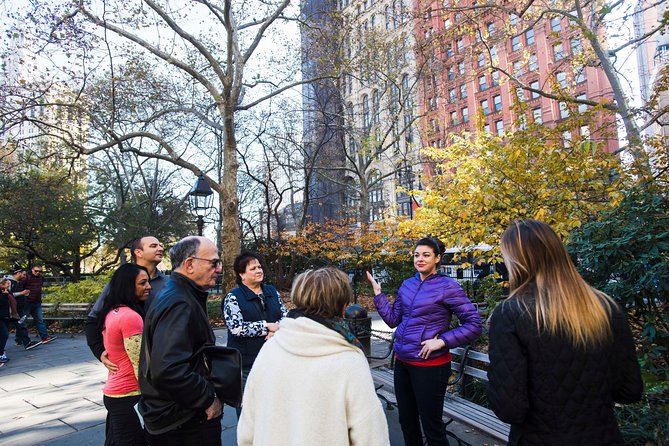
The best part of this tour is the way food and New York history stay tied together. You might be looking at the old Supreme Court building one minute, then eating a dumpling, knish, pizza, or empanada linked to the communities that shaped Lower Manhattan. I like the small group of no more than 14 and the relaxed pace, which make it easy to ask questions. I also like the range of neighborhoods, from Chinatown to Little Italy and Nolita.
This is not a sit-down food crawl. You spend most of the three hours outside, walking and listening, with four food stops along the way. That is the main thing to know before booking: if you want constant eating, this may feel light, but if you want immigration history with well-chosen bites, it is a strong value at $54.14.
Key points to know before you book
- Four classic tastings: Expect samples such as dumplings, pizza, knish, and empanada, with drinks and extra food not included.
- A history-first route: The tour connects African American, Irish, Chinese, Italian, Jewish, German, and Latin American stories.
- About one mile on foot: The pace is easy, with regular stops, but you are outdoors for roughly three hours.
- A changing Lower East Side: You see tenements, community gardens, street art, old food shops, and signs of gentrification.
- Good for families: Children under four join free, and reduced pricing applies from ages four to 11.
- Guide quality matters: Guides such as Astrid, Erik, Jesse, Tavia, Ace, Alex, and Cullen have been praised for clear storytelling and a friendly manner.
Why this Lower East Side tour works
New York food tours can blur together when they simply move from one famous counter to another. This one has a clearer idea behind it: eat your way through the arrival stories of several communities, then look at how the neighborhood has changed.
You begin near 290 Broadway, at the African Burial Ground National Monument. From there, the route moves through Chinatown, Little Italy, Nolita, Sara D. Roosevelt Park, and the Lower East Side before finishing near the Lower East Side Tenement Museum. The route covers a lot of ground, but the walking distance is only about 1.6 kilometers, or one mile, and the stops break up the time on your feet.
I would think of the experience as a walking history tour with food built into it, not as a restaurant tour with a little background attached. That distinction matters. You get four food tastings, but several stops involve standing outdoors while the guide explains buildings, streets, immigration, religion, and neighborhood change.
The small group helps. A guide can keep the pace comfortable, answer questions, and make sure people at the back can hear. Several guides, including Astrid, Erik, Jesse, Tavia, Ace, Alex, and Cullen, have been singled out for warmth, humor, and clear explanations. The exact guide depends on the date, but the format gives you a better chance at personal attention than a large bus or crowded group walk.
More Food Tours in New York City
- NYC Bus Tour of Brooklyn, Bronx, Queens: Art, Food & Sports
★ 5.0 · 3,805 reviews - NYC: Chinatown & Little Italy Food Tour with 7 Flavorful Tastings
★ 5.0 · 2,733 reviews - Original NYC Guided Food Tour of Chinatown and Little Italy
★ 5.0 · 2,194 reviews
African Burial Ground and the early African story
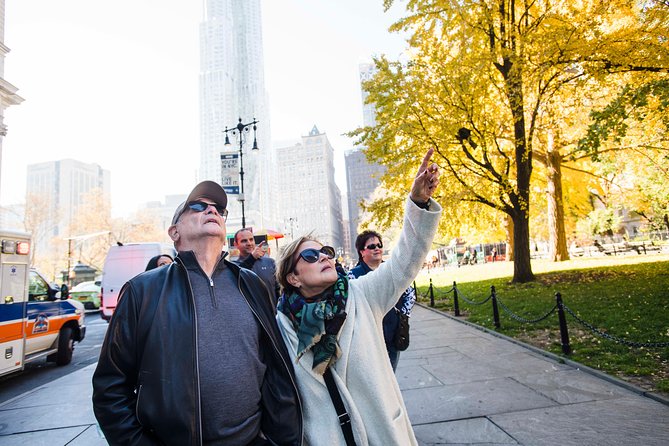
The first stop gives the tour needed weight. The African Burial Ground National Monument marks the site where Africans, both enslaved and free, were buried through much of the 18th century.
The guide explains how the burial ground was discovered and how the memorial and monument were designed. The stop lasts only about five minutes, so you will not get a full museum visit here. Still, it establishes an important point: New York’s story begins long before the better-known waves of European and Asian immigration.
This is a useful correction to the usual Lower Manhattan narrative. The city’s early growth depended on African labor, and the burial ground helps put that history in view before the tour turns to later arrivals. Admission is free, and the visit is brief enough that it does not slow the route.
The Supreme Court, Five Points, and a city built over old ground
At the New York City Supreme Court, you pause near a building familiar from Law & Order. The more interesting story is beneath the modern image. The surrounding area was once a poor Irish neighborhood, and before that it included a polluted pond.
The guide then takes you toward Columbus Park, on the edge of Chinatown. This was once part of Five Points, one of New York’s most notorious neighborhoods. Old photographs help you picture the streets before redevelopment changed the area.
These are quick stops, roughly five minutes each, so listen closely. They work less as full visits than as pieces of a larger explanation about poverty, Irish immigration, overcrowding, and the way city blocks are rebuilt over time. If you enjoy architecture or urban history, this part may be more interesting than the food itself.
Chinatown brings the first major food stop
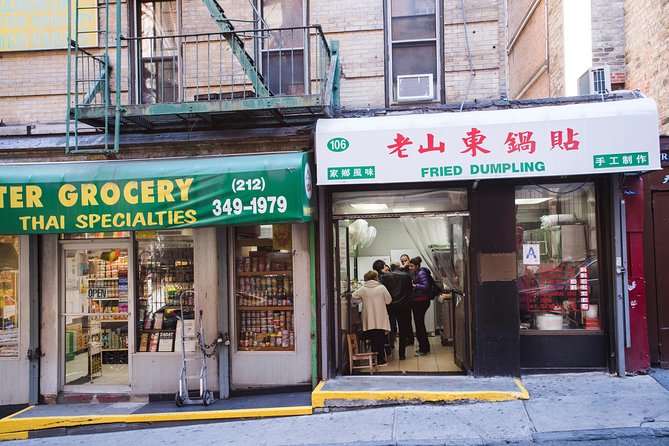
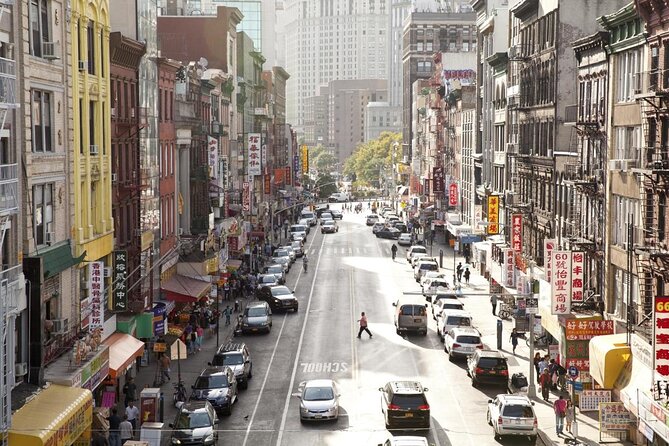
Chinatown is where the route becomes more sensory. You walk through part of the neighborhood, hear about Chinese immigration, and stop at a dumpling shop described as a local favorite.
The dumpling tasting is one of the food highlights. It is also a good example of how the tour handles food: you try a recognizable dish while learning why that cuisine belongs in this part of New York. You also receive suggestions for other places to explore in Chinatown after the tour ends.
Do not expect a long meal at a table. The stop lasts about 20 minutes, and the schedule keeps the group moving. Some people may wish for more time between bites, especially if they want to study the neighborhood or finish every mouthful slowly. I would plan a separate Chinatown meal if you want a full restaurant experience.
Still, the dumplings make a strong first substantial tasting. Families often find the food approachable, and children have enjoyed the potsticker-style sample. If you arrive hungry, remember that only samples are included, not additional portions.
A few more food tours around New York City worth comparing
- NYC: Greenwich Village Food Tour with 6 Locals Favorites Dishes
★ 5.0 · 1,812 reviews - Greenwich Village Walking and Food Tasting Tour
★ 5.0 · 1,572 reviews - New York City Mafia and Local Food Tour led by NYPD Guides
★ 5.0 · 1,197 reviews - True Crime NYC: Mafia Walk w/Ret. NYPD Detective and Local Food
★ 5.0 · 848 reviews
Little Italy, Mulberry Street, and an old food shop
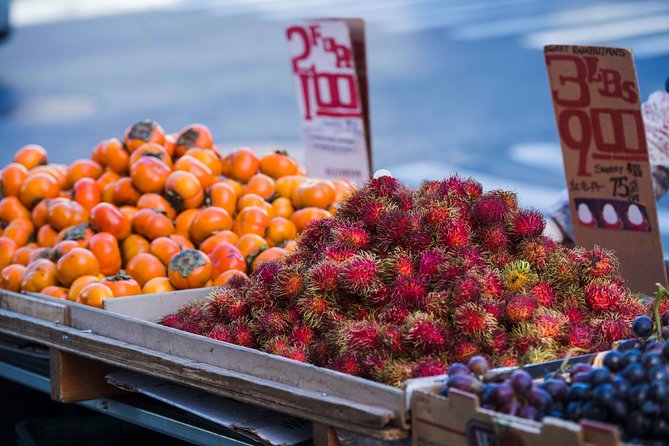
The route heads up and around Mulberry Street into Little Italy. Here, the guide discusses Italian immigration, points out street art, and shares stories about organized crime before stopping at an historic Italian food shop.
The tasting is connected to the neighborhood rather than chosen at random. That gives the food more meaning, especially when you are walking past churches, old storefronts, and streets that once served a larger Italian community.
Little Italy is smaller and more commercial than its historic reputation may suggest. The tour helps you separate the remaining traces of the old neighborhood from the newer restaurant scene. You get around 20 minutes here, enough for the food stop and a concise look at the area.
The organized crime stories add drama, but the stronger part is the immigration context. The guide explains the hardships and opportunities that shaped Italian New York without turning the stop into a movie set. Street art provides a useful contrast: the same blocks now attract artists, diners, and nightlife.
Nolita shows how neighborhoods change
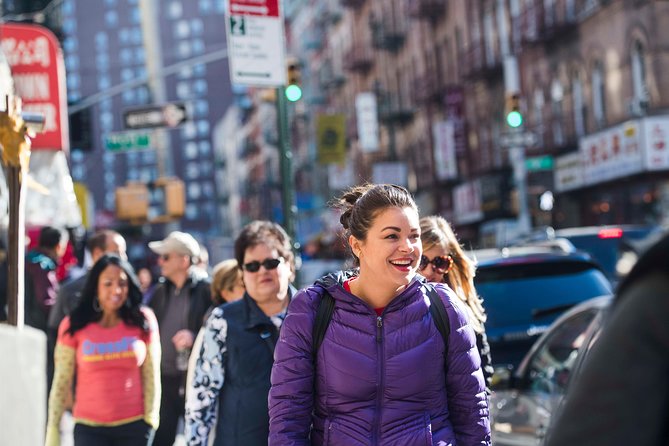
Nolita offers a sharp change in mood. The former Little Italy area now has hip bars, restaurants, and some of the city’s best street art. The guide uses the neighborhood to explain change rather than treating it as a fixed historic district.
You pass through the area for about 15 minutes, then see the Basilica of St. Patrick’s Old Cathedral. The church connects to the difficult early years of Catholic immigration. It is a short stop, about five minutes, but it adds a religious and social layer to the story.
This section is especially useful if you want to understand gentrification in plain terms. The tour does not show only preserved landmarks. It also shows places where old communities have thinned, new businesses have arrived, and the meaning of a neighborhood has shifted.
Sara D. Roosevelt Park and the Latin American chapter
The route continues through the northern end of Sara D. Roosevelt Park, named for Franklin Delano Roosevelt’s mother. The walk takes about 10 minutes and includes M’Finda Kalunga Garden.
Here the focus turns to Latin American immigration and the changing Lower East Side. The garden gives the guide a place to discuss community life and the people who have shaped the neighborhood in more recent decades.
This is one of the quieter parts of the route. You are not simply moving between famous landmarks, which gives you a better sense of how residents use the neighborhood. The park also provides a short break from dense streets and restaurant fronts.
The Lower East Side ties the food and history together
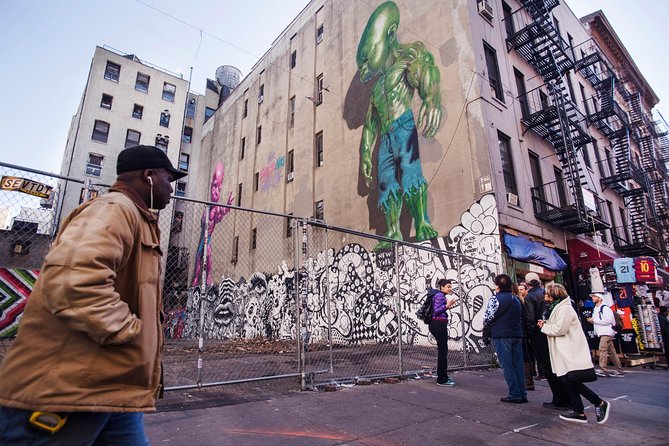
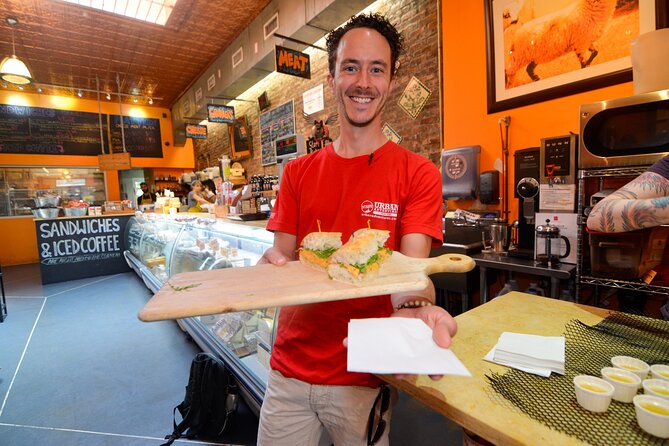
The final main section returns to the Lower East Side. You see old tenement blocks, community gardens, street art, and signs of ongoing gentrification. The guide discusses Jewish, German, and Latin American immigration, then includes a traditional food tasting.
This is where the tour’s central idea comes together. The Lower East Side was once packed with tenements and poverty, yet it also supported bakeries, food shops, religious institutions, gardens, and close neighborhood networks. Food gives you a direct way to understand that daily life.
A knish or empanada can carry more meaning here than it would on a generic tasting menu. You are learning how different communities adapted to New York and left food traditions behind. The samples are not huge, but the portions have generally been enough to make the experience feel substantial when combined.
The tour ends close to the Lower East Side Tenement Museum. The guide shares background on the museum and can explain how to get tickets and browse its gift shop. The museum is not included, so think of the tour as a useful introduction rather than a substitute for visiting it.
What the four food tastings are really worth
The $54.14 price is fair if you value the guiding and neighborhood interpretation as much as the food. Four samples alone would not justify the cost for me. The value comes from pairing those bites with three hours of local context, a small group, and a route through several distinct parts of Lower Manhattan.
The food usually includes dumplings, pizza, knish, and empanada, though exact dishes can vary. Drinks and extra food cost more. You should eat a light breakfast rather than arriving after a large meal, but do not expect a full lunch replacement for every appetite.
One point deserves emphasis: the experience is not built around sitting down. Only one stop may involve sitting briefly, while most of the route is outdoors. A past participant found the gaps between tastings too short, while another felt the food was not plentiful enough. Those reactions make sense because the schedule has to cover many historic sites in three hours.
If you want a food-centered afternoon with long restaurant stops, choose something else. If you like small portions, steady walking, and the story behind each dish, the balance works much better.
Pace, weather, and family suitability
The walking pace is relaxed, with regular stops. Several families have found it manageable for children, including children around seven, nine, and 14. The food is also fairly approachable for young eaters, with dumplings, pizza, and empanada among the samples.
You should wear comfortable shoes and dress for the season. The tour runs in rain, snow, or sunshine unless conditions become unsafe, so a weather forecast is worth checking before you leave. There is no long indoor shelter built into the experience.
The route is described as suitable for all ages and fitness levels, but you are still outside for about three hours. Anyone who needs frequent seating should contact the provider before booking. The guide can keep the pace easy, yet this is not a fully seated activity.
Dietary limits need careful attention. Vegan diets and gluten allergies or intolerances cannot be accommodated because the tour visits small establishments that may not be able to adjust their food. Other dietary requests should be provided at least 24 hours ahead, but you should not assume every request can be met.
Practical details that affect your day
The tour is offered in English and accepts mobile tickets. It begins at 290 Broadway and finishes in the Lower East Side, close to the Tenement Museum. That end point is useful because you can continue exploring, visit the museum separately, or stay for another meal.
The tour is near public transportation, though no specific subway directions are provided in the information available. Give yourself enough time to reach the start point, especially if you are crossing from Midtown or another borough.
Group size is capped at 14, and private options or group discounts may be available. The small maximum is one of the better features here. You are not trying to hear a guide across a packed sidewalk, and a thoughtful guide such as Astrid or Cullen can adjust explanations to the group.
Free cancellation is available up to 24 hours before the start time. Inside that window, the payment is not refunded, and changes are not accepted. The cut-off uses New York local time.
Who should book this tour?
I would recommend it to first-time visitors who want a useful introduction to Lower Manhattan without spending a full day inside museums. It also suits families, curious eaters, and anyone interested in how immigration shaped New York’s streets and food.
It is a good choice if you want to see Chinatown and Little Italy in one outing, especially with a guide who can connect their past to the present. It also works well early in your stay because the guide can point you toward more food, museums, and neighborhoods to explore afterward.
I would hesitate if you have strict vegan or gluten-free needs, dislike outdoor walking, or want large food portions. I would also avoid booking it directly after a major meal, since the samples are best enjoyed with some appetite.
Should you book the Lower East Side Food Tour?
Book it if your ideal New York experience mixes four well-placed food tastings with immigration history, street art, and neighborhood change. At $54.14, you are paying for a small-group guide and a compact tour of several districts, not simply for four snacks.
Skip it if you want a restaurant-focused crawl or a long, seated lunch. For most visitors who want context with their food, this is a thoughtful, family-friendly way to understand Lower Manhattan, and the three-hour route gives you plenty of ideas for the rest of your day.
FAQ
Where does the Lower East Side food tour start?
It starts at 290 Broadway, New York, NY 10007.
Where does the tour finish?
The tour ends in the heart of the Lower East Side, near the Lower East Side Tenement Museum.
How long does the experience last?
It lasts approximately three hours.
How much walking is involved?
The route includes about 1.6 kilometers, or one mile, of walking at a relaxed pace with regular stops.
What food is included?
Four historic food samples are included at four stops. Examples include dumplings, pizza, knish, and empanada. Drinks and additional food are not included.
Can the tour accommodate vegan or gluten-free diets?
No. Vegan diets and gluten allergies or intolerances cannot be accommodated. Other dietary requests should be shared at least 24 hours before the tour.
Is the tour suitable for children?
Yes. Children under four can join free, and reduced pricing applies to children ages four through 11.
What happens if the weather is bad?
The tour runs in rain, snow, or sunshine. If weather creates a safety risk, the experience may be postponed or canceled.
Just added around New York City
- Food Tour of Greenwich Village★ 4.8 · 53 reviews
- New York City: Flatiron Food, History, and Architecture Tour★ 4.8 · 43 reviews
- NYC: Chelsea Market & High Line Food & Culture Walking Tour★ 4.9 · 52 reviews
- Brooklyn Food Tour: Heights, DUMBO & Bridge Views★ 4.8 · 106 reviews
- Greenwich Village Food Tour | Tasty Tours NYC★ 5.0 · 549 reviews
- NYC Greenwich Village Italian Food Guided Walking Tour★ 5.0 · 627 reviews
- NYC Lower East Side Walking and Food Tour★ 5.0 · 646 reviews
- NYC: Chinatown and Little Italy Food Tour★ 4.7 · 703 reviews
Food Tours in New York City, compared.
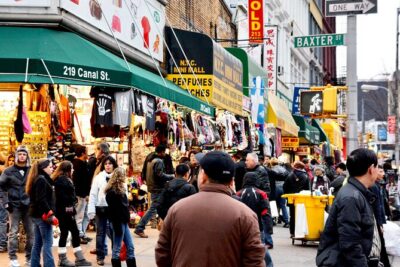
NYC: Chinatown & Little Italy Food Tour with 7 Flavorful Tastings
Read our review →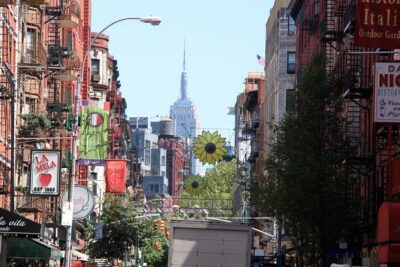
Original NYC Guided Food Tour of Chinatown and Little Italy
Read our review →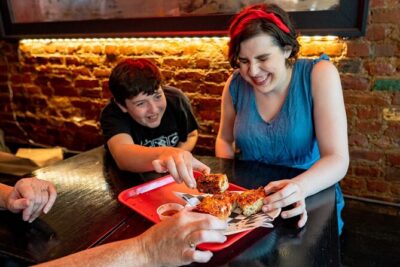
NYC: Greenwich Village Food Tour with 6 Locals Favorites Dishes
Read our review →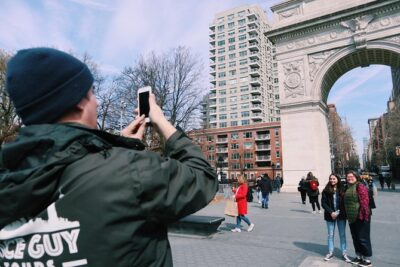
Greenwich Village Walking and Food Tasting Tour
Read our review →
New York City Mafia and Local Food Tour led by NYPD Guides
Read our review →
True Crime NYC: Mafia Walk w/Ret. NYPD Detective and Local Food
Read our review →

Top Rated Brooklyn Half-Day Food, History & Culture Tour via bus
Read our review →Browse the lists this tour appears in