
REVIEW · PERU
Lima: Ultimate Peruvian Food Tour
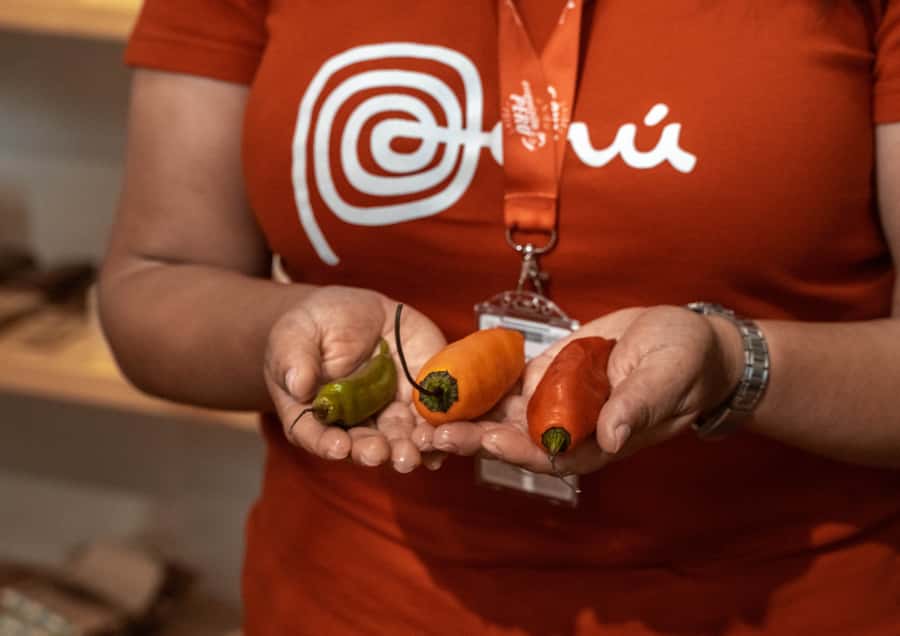
Lima’s best introduction may come one bite at a time. This four-hour walk through Barranco links small restaurants, a bakery, a bar, and a café with stories about Peru’s food, history, and people. I like the behind-the-scenes cooking demonstrations, especially for ceviche, lomo saltado, and pisco sour. I also like the mix of food and place: you get chocolate, fruit, coffee, and ice cream alongside a stroll past the Bridge of Sighs and Barranco’s colorful streets.
The main caution is food volume. You should arrive hungry, but not overloaded from breakfast or lunch. Vegetarian and vegan choices are limited, severe nut allergies cannot be safely accommodated, and the walking route is not suitable for wheelchair users or people with mobility impairments.
Key Points
- Barranco in one food-filled walk: See the artsy district, the Bridge of Sighs, Mirador Saénz Peña, and Parque Municipal while moving between tasting stops.
- Three Peruvian classics explained: Watch the preparation of ceviche, lomo saltado, and pisco sour rather than simply receiving finished dishes.
- A serious amount of food: Tastings add up to lunch, dinner, fruit, sweets, drinks, and dessert, so plan your other meals carefully.
- Small group setting: The group is limited to 10 people, giving you a better chance to ask questions and see the demonstrations.
- Strong guide-led storytelling: Marcos, Valeria, David, Aura, Adriana, and Annie are among the guides praised for clear explanations and an easygoing manner.
- Dietary limits matter: Tell the operator about restrictions when booking, but do not expect a balanced vegetarian or vegan menu, and avoid the tour with a severe nut allergy.
Why This Barranco Food Tour Works
Peruvian food is easier to understand when you connect it to the people and places behind it. This tour does that well. Instead of sitting down for one long meal, you walk through Barranco and sample food in several settings.
That format gives you variety without asking you to commit to one restaurant for four hours. You might begin with fruit or a local specialty, move through a bakery, watch a chef work, try a full savory dish, learn to prepare a pisco sour, and finish with coffee, chocolate, or ice cream. The exact food order can vary, but the basic idea remains: small stops, different flavors, and plenty of explanation.
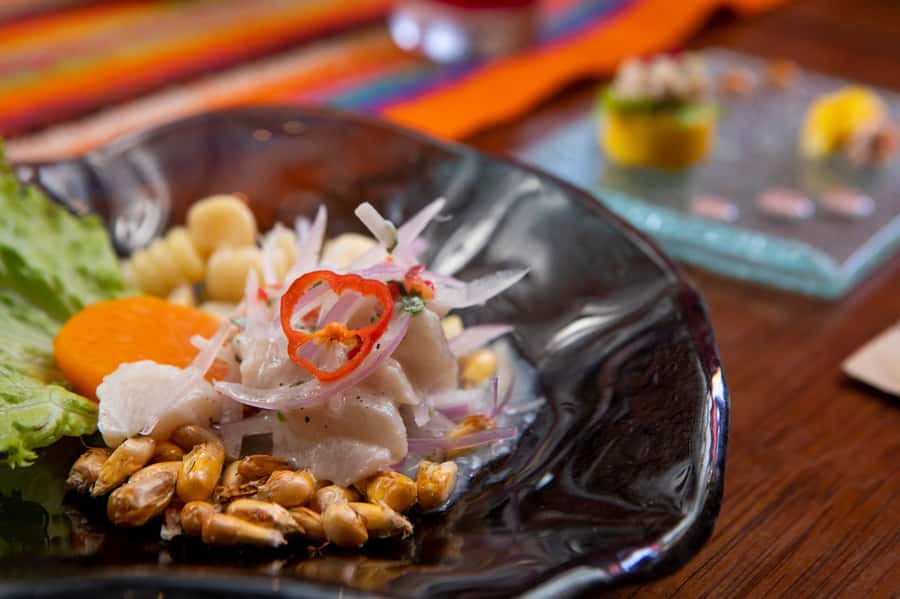
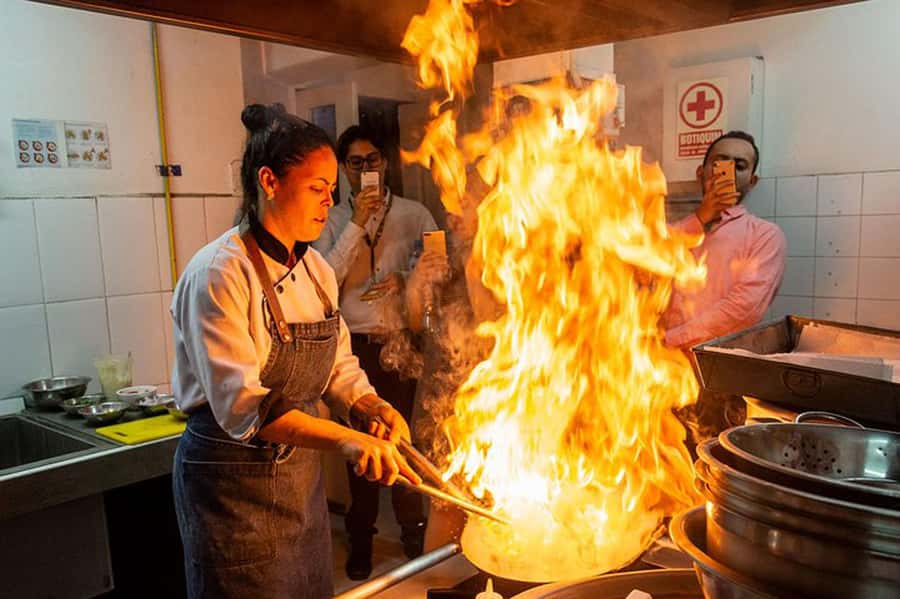
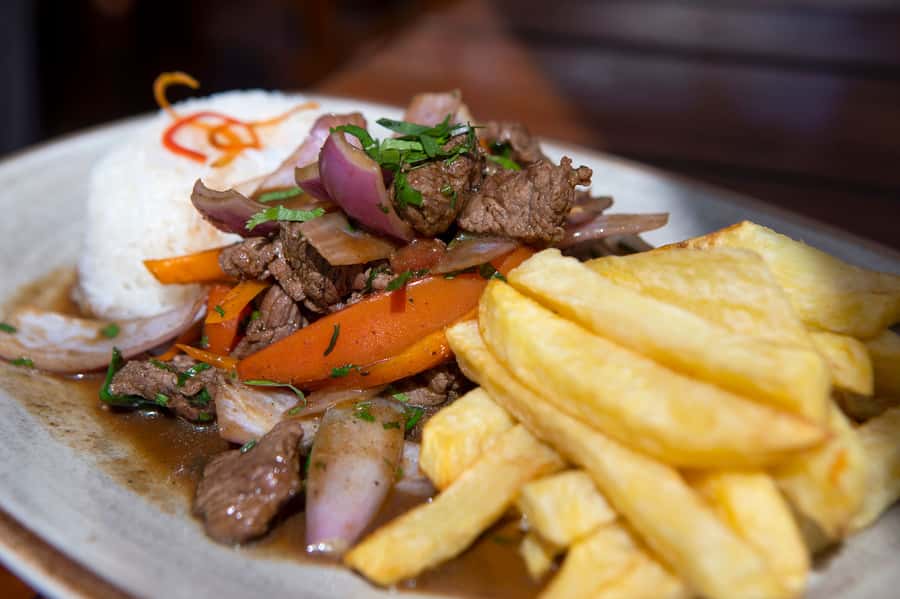
I especially like the cooking demonstrations. Seeing how ceviche is assembled helps you notice the balance of fish, citrus, chili, and seasoning. Watching lomo saltado being prepared shows how a Peruvian-Chinese dish brings together stir-frying, meat, potatoes, and sauce. The pisco sour demonstration adds a drinkable lesson in one of Peru’s best-known cocktails.
The guides give the food a wider setting. Marcos is frequently praised for his food knowledge, humor, and storytelling. Valeria is noted for explaining the links among food, coffee, chocolate, history, and culture. David is described as patient, friendly, and clear, while Aura and Adriana bring an engaging, relaxed tone. Guides may change, but the experience depends heavily on their ability to keep the group moving while answering questions.
A few more food tours around the world worth comparing
- Reykjavik Food Walk – Local Foodie Adventure in Iceland
★ 5.0 · 18,952 reviews - Hanoi Jeep Tour: Food, Culture and Fun by Vietnam Army Jeep
★ 5.0 · 15,222 reviews - From Marrakech: Merzouga 3-Day Desert Safari with Food
★ 4.7 · 12,232 reviews
Starting at Mirador Saénz Peña
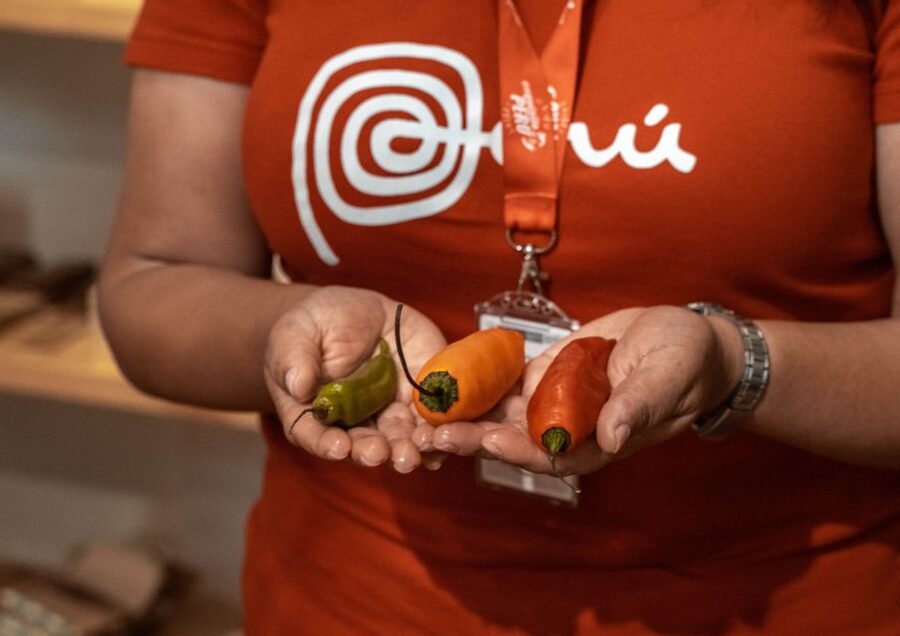
You meet at Mirador Saénz Peña, not far from Casa República hotel. Look for the guide wearing a red lanyard. This is a useful start because you are placed directly in Barranco rather than spending time on a long transfer from another part of Lima.
The meeting point also gives the tour a sense of place from the first minute. Barranco is known for its art, cafés, old streets, and relaxed local character. The route is not a formal architectural tour, but your guide uses the walk to explain the district and set up the food you are about to taste.
The group size is limited to 10 people. That matters at a kitchen counter or restaurant table, where a large crowd would make it harder to hear or see the preparation. It also makes conversation easier, particularly if you want to ask how a dish is normally eaten or where an ingredient comes from.
The First Tastes in Barranco
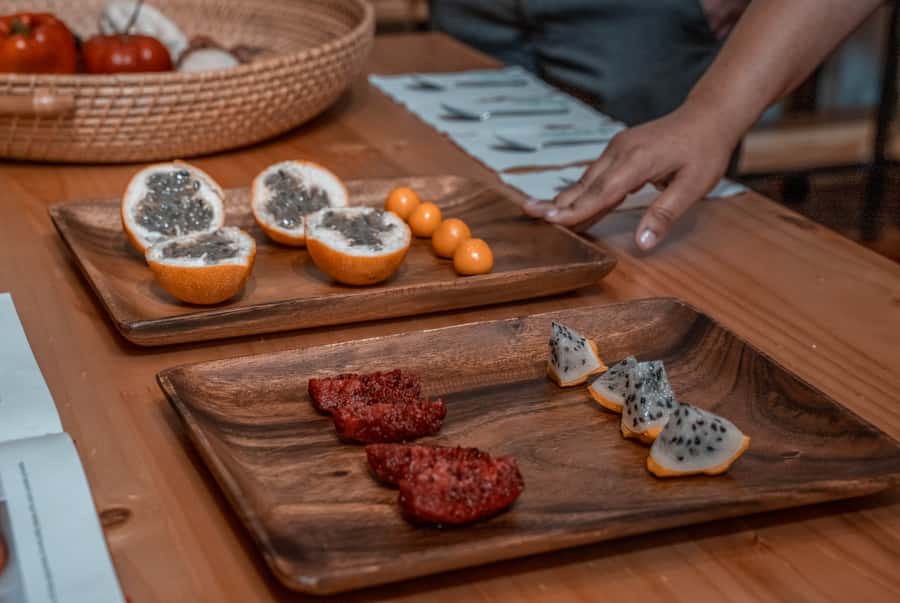
The first food stop takes place after a short walk of about 10 minutes. The early tasting helps you get oriented to the flavors of Peru before the larger restaurant portions arrive.
This is one of the tour’s strengths: you are not rushed from sight to sight with no time to eat. The listed tasting time is about 35 minutes, enough for the guide to explain what is in front of you and for the group to ask questions.
Peruvian cuisine can feel broad and unfamiliar at first because it combines Indigenous ingredients with influences from Spain, Africa, China, Japan, and other parts of the world. The guide’s explanations help you see those connections rather than treating each dish as an isolated curiosity.
You should expect local delicacies, drinks, and possibly fruit at the early stops. Since the precise menu can change, do not book this expecting a fixed restaurant tasting menu. Book it for the chance to sample a wide range of Peruvian flavors in several local settings.
The Bakery Stop and Peru’s Everyday Food
After another short walk, the group reaches a local bakery for about 30 minutes. This is a useful contrast to the restaurant courses. A bakery stop shows a more casual side of eating in Lima and gives the tour a break from seafood and heavier savory dishes.
The value here is variety. Several people found the full sequence to include foods that felt like breakfast, lunch, dinner, dessert, and snacks all in one outing. That makes the tour generous, but it also explains why you should skip a large meal beforehand.
This stop may be especially appealing if you like to understand how local food fits ordinary daily life. Grand restaurant dishes tell only part of a country’s food story. Bakeries, cafés, fruit sellers, chocolate makers, and neighborhood bars fill in the rest.
Same city, a completely different plate:
- Dubai: Old Town, Creek, Museums, Souks, & Street Food Tour
★ 4.8 · 10,816 reviews - Madrid: Live Flamenco Show with Food and Drinks Options
★ 4.5 · 9,901 reviews - Ho Chi Minh City Street Food Tour & Sightseeing By Motorbike
★ 5.0 · 9,413 reviews - From Split: Krka Waterfalls, Food & Wine Tasting Tour
★ 5.0 · 9,326 reviews
Ceviche, Lomo Saltado, and the Main Restaurant Tasting
The route then moves to a local restaurant for roughly 45 minutes. This is one of the most substantial parts of the tour, and it is where the cooking demonstrations become especially useful.
Ceviche is not just a plate of seafood with lime. The preparation shows how the cook handles the main ingredient, seasons it, and balances acid with heat and freshness. You get to watch the process and hear why the dish matters in Peru.
Lomo saltado offers a different lesson. It reflects the Chinese-Peruvian influence known as chifa, using a quick cooking method and ingredients associated with both traditions. The combination of meat, sauce, potatoes, and other accompaniments makes it one of the easiest Peruvian dishes for first-time visitors to recognize and enjoy.
The restaurant portions are not merely token samples. Several people found the food plentiful, and one useful tip is to arrive with an empty stomach. The portions are generally manageable across many stops, but the total amount becomes a full meal, with additional drinks and sweets still to come.
A kitchen visit or close look at the chef’s work can be the highlight for food-focused travelers. You are not only tasting a finished plate. You are seeing the order of preparation and hearing the reasoning behind ingredients and technique.
Barranco’s Streets and the Bridge of Sighs
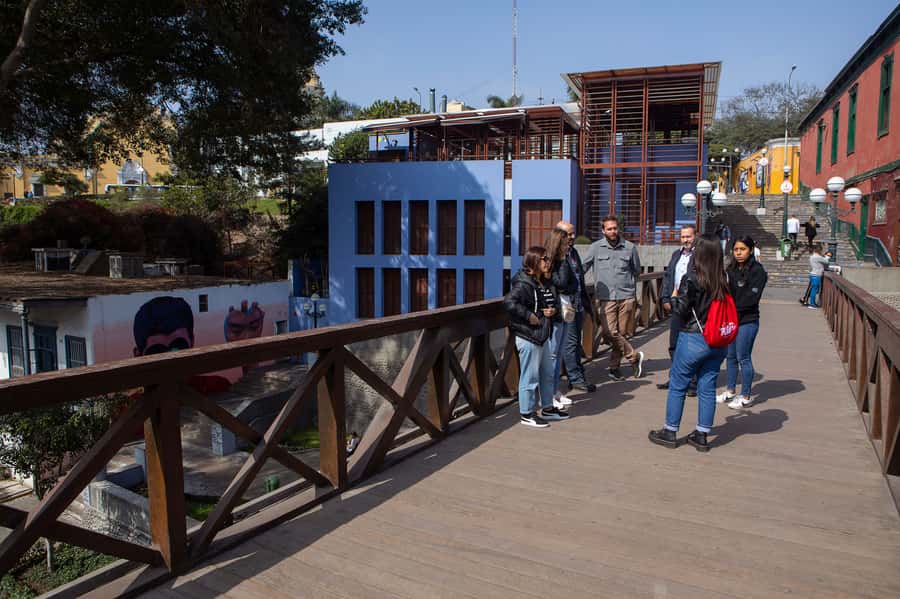
Between food stops, the tour includes short walks of about five minutes. These breaks are welcome. They give you time to talk, take photographs, and make room for the next tasting.
A 10-minute sightseeing and photo stop in Barranco comes before another restaurant. Later, the route reaches the Bridge of Sighs for another 10-minute photo stop. These pauses keep the outing from feeling like four hours at a table.
The Bridge of Sighs is one of Barranco’s best-known landmarks, and it gives the tour a clear visual memory beyond the food. The neighborhood itself is part of the appeal. You are seeing an artsy part of Lima while learning how local businesses, cooks, bakers, chocolate makers, and bartenders fit into the district.
I would not choose this tour as a replacement for a full Barranco walking tour. The sightseeing is brief and serves the food route. But if you want a practical introduction to the area, the combination works well, especially early in your stay.
The Second Restaurant and More Peruvian Flavor
The next local restaurant receives about 35 minutes. By this point, you will have already tasted several items, so the attraction is less about one famous dish and more about the range of the menu.
This is where the tour’s carefully planned rhythm pays off. You move from one kind of food business to another, learning how preparation changes from a bakery to a restaurant, then from a restaurant to a bar or café.
The guide keeps adding context at each stop. You can ask about ingredients, regional traditions, or how Peruvian cooking has been shaped by different communities. Several guide-led experiences on this route have been praised for making the subject easy to follow without turning the tour into a lecture.
If you are mainly interested in large portions of one signature dish, this may feel less direct. If you want a broad sample of Peruvian food culture, the second restaurant adds useful depth.
Pisco Sour at the Local Bar
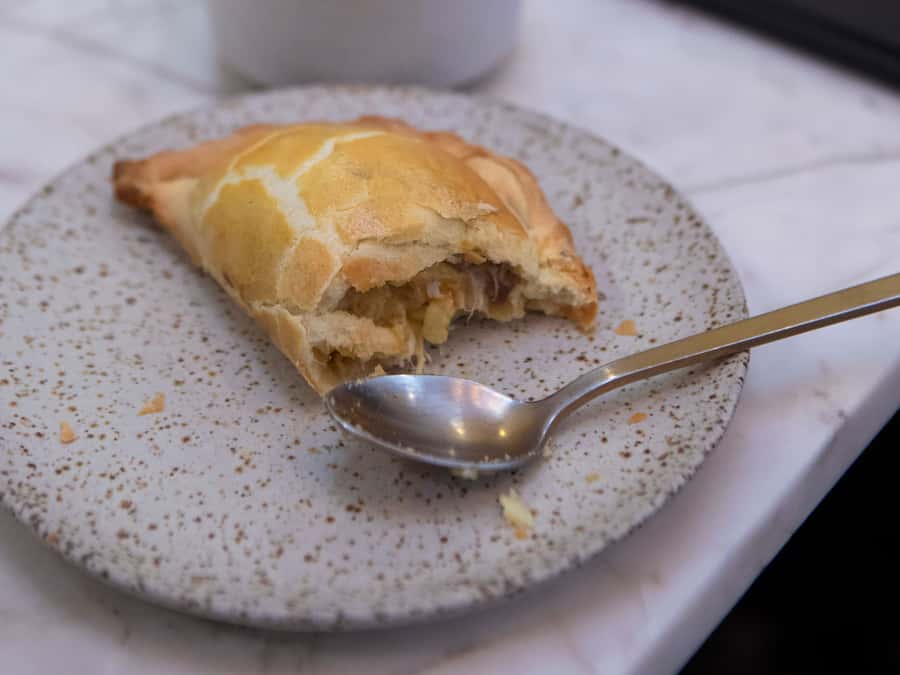
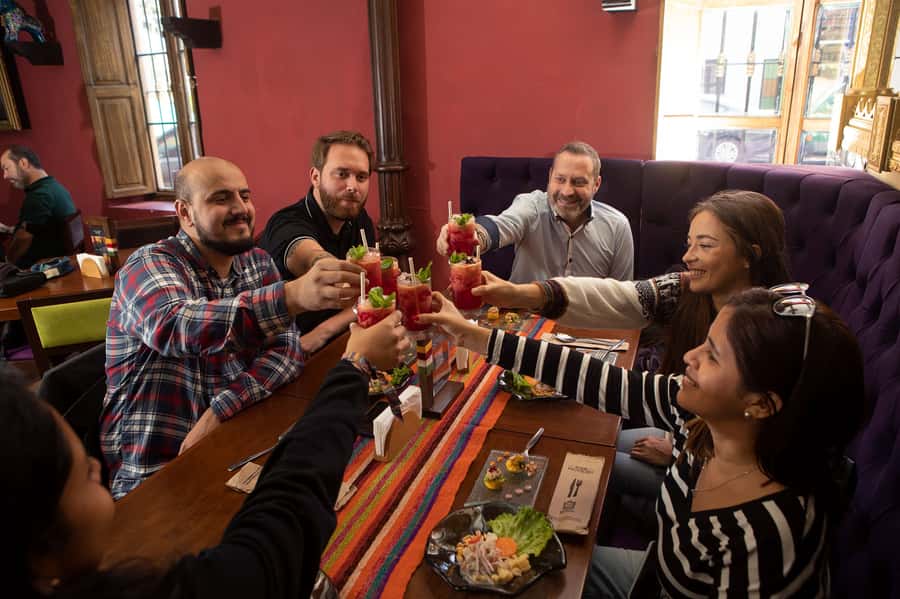
The local bar stop lasts about 35 minutes and includes Peru’s famous pisco sour. The drink demonstration is more than a cocktail break. It gives you a hands-on look at how pisco, citrus, sweetness, and foam come together.
The exact level of participation can vary, but the important feature is that you see the drink being made and learn its place in Peruvian culture. The guides and bartenders explain the process rather than simply setting down a glass.
Be sensible here. The tour includes pisco, and the drinks can add up alongside a full meal. If you do not drink alcohol, confirm the available alternatives when booking. Coffee and soft drinks are included, but the supplied details do not promise a specific nonalcoholic substitute at every stop.
The bar is also a social point in the route. With no more than 10 people, it is easier to chat with the guide and the rest of the group. Solo visitors may appreciate this relaxed part of the outing.
Chocolate, Coffee, Fruit, and the Final Café Stop
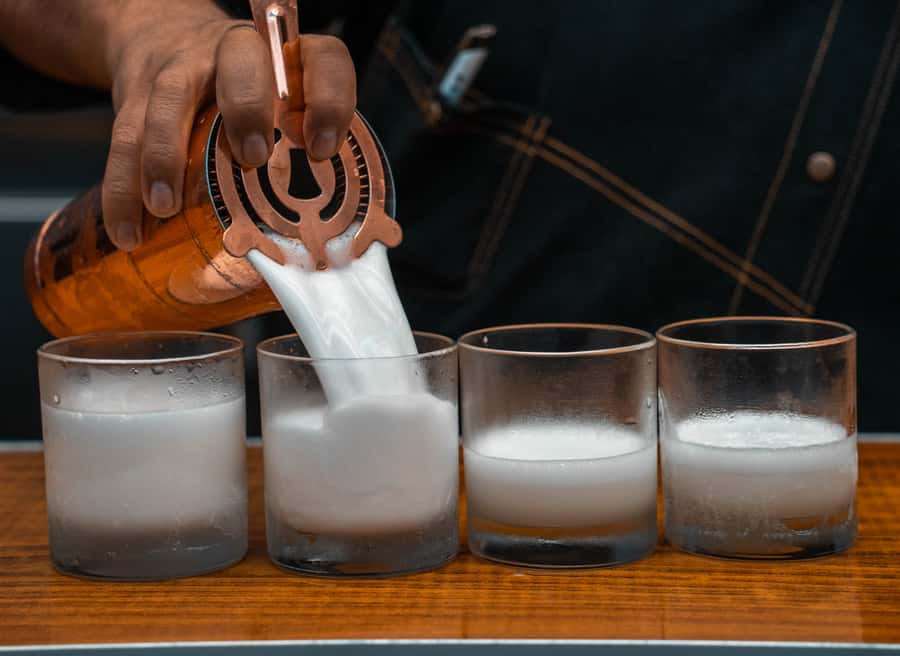
The last part of the tour shifts toward sweets and drinks. A local café stop takes about 15 minutes, and the experience also includes a workshop involving fair trade and locally produced chocolate.
This is a worthwhile addition because chocolate connects food with farming and trade. You learn not only what Peru produces, but also how local makers present those ingredients to visitors. Some stops may include coffee, chocolate, fruit, or ice cream, giving you a cool and sweet finish after the savory courses.
You may also encounter a local shop connected with Peruvian chocolate and other products. If you hope to buy something, ask the guide when shopping time is available. The route is tightly timed, and there may not be much room to browse after the formal tour ends.
Parque Municipal is the finishing point. That gives you a clear place to continue your evening, return to a favorite restaurant, or head back to your accommodation. One advantage of taking the tour early in your Lima stay is that you can revisit the places or foods you liked best.
What the $105 Price Buys You
At $105 per person, this is not a bargain snack crawl. The price becomes easier to justify when you count what is included: four hours with a local English-speaking guide, lunch-sized food across multiple stops, coffee, soft drinks, pisco, demonstrations, a chocolate workshop, and a guided walk through Barranco.
The tour also removes much of the guesswork from eating in a new city. You do not need to choose several restaurants, work through unfamiliar menus, or wonder which local specialty is worth ordering. You receive a broad introduction in a compact period.
Still, value depends on your appetite and interests. If you eat lightly, avoid alcohol, or already know Lima’s food scene well, $105 may feel high. One person specifically found the tour expensive despite enjoying it. If you see it as both a meal and a neighborhood introduction, the cost is more reasonable.
I would compare it with the cost of several separate restaurant meals and a private food guide, not with the price of a single lunch. The small group and chef demonstrations add value that a normal meal does not provide.
Dietary Needs, Walking, and Practical Limits
Tell the operator about dietary restrictions when booking. Vegetarian and vegan options are limited, and the tour does not promise a balanced protein-rich menu for those diets. Tofu and lentils are not part of the expected solution, and eggs are not widely used in the preparations.
A severe nut allergy is a serious concern because cross-contamination can occur. If that applies to you, do not book this tour. For less severe allergies or other restrictions, contact the operator before paying, but understand that an adaptation cannot be guaranteed if you wait until the day of the tour.
The route involves repeated walks through Barranco. The walking sections are short, but there are many of them, and the tour is not suitable for wheelchair users or people with mobility impairments.
The tour is offered in English only. Cancellation is free up to 24 hours before the start, and you can reserve while paying later, which helps if your Lima schedule is still shifting. These are useful booking terms, but the bigger planning point is timing: take the tour early if you want food ideas for the rest of your visit.
Who Should Book This Lima Food Tour?
I would choose this for a first visit to Lima, especially if you want a strong introduction to Peruvian dishes without spending days researching restaurants. It suits curious eaters who enjoy hearing why food matters and who like a little walking between tastings.
It is also a good fit for solo visitors and couples who want a small group rather than a large bus-style excursion. The guide names change, but the strongest recurring quality is clear explanation delivered with humor and warmth. Marcos, Valeria, David, Aura, Adriana, and Annie have each been singled out for making the food and culture easy to understand.
I would skip it if you need a fully adapted vegetarian or vegan menu, have a severe nut allergy, cannot walk comfortably, or prefer a quiet sit-down meal. I would also avoid scheduling a large breakfast before an 11 a.m. start.
Should You Book It?
Book this tour if you want a full meal, a Barranco walk, and a guided food lesson in one package. The standout features are the chef demonstrations, the pisco sour preparation, the chocolate workshop, and the range of stops.
At $105, it asks more than a casual meal, but it delivers more too. You get a useful first look at ceviche, lomo saltado, pisco, chocolate, fruit, coffee, and the people who prepare them. Arrive hungry, tell the operator about dietary needs early, and save room for the final café stop.
FAQ
How long does the Lima Ultimate Peruvian Food Tour last?
The tour lasts four hours, including walking, food tastings, sightseeing stops, cooking demonstrations, and drinks.
Where does the tour begin?
It begins at Mirador Saénz Peña in Barranco, not far from Casa República hotel. The guide wears a red lanyard.
Where does the tour finish?
The tour finishes at Parque Municipal in Barranco.
Is the tour conducted in English?
Yes. The live guide speaks English, and English is the only listed tour language.
What food and drinks are included?
The tour includes lunch, coffee, soft drinks, and pisco. Tastings feature Peruvian dishes, fruits, chocolate, and other local foods, with demonstrations of ceviche, lomo saltado, and pisco sour.
Can vegetarians and vegans join?
Vegetarian and vegan options are limited. You must state your dietary needs when booking, but a balanced protein-rich menu cannot be assured.
Can someone with a severe nut allergy take the tour?
No. Cross-contamination can happen with some foods included in the tour, so people with severe nut allergies should not book.
Is the tour suitable for wheelchair users?
No. The tour is not suitable for wheelchair users or people with mobility impairments because it involves repeated walking through Barranco.
Just added around the world
- Marrakech: Jemma El Fnaa Food Tour with Dinner★ 4.7 · 394 reviews
- Marseille: Walking Food Tour with Full Meal★ 4.7 · 137 reviews
- Marrakech Night Street Food Tour / Taste The Real Marrakech★ 4.9 · 200 reviews
- Marrakech: Authentic Moroccan Food Walking Tour & Dinner★ 4.8 · 261 reviews
- Marrakesh: Guided Street Food Tasting by Locals★ 4.6 · 47 reviews
- Market tour and all gastronomy included⭐️⭐️⭐️⭐️⭐️★ 4.6 · 35 reviews
- Explore Marbella Old Town: Authentic Tapas Food Tour★ 4.8 · 62 reviews
- Marrakech: Medina Stories Food Tour with 15+ Tastings★ 5.0 · 141 reviews
Food Tours in Peru, compared.
Historic Center Street Food, Market, and Eateries Tour
Read our review →
Food and Culture Full day Tour in the Sacred Valley
Read our review →
Experience Lima: Taste 12 Snacks and Visit Top Monuments
Read our review →
Lima Street Food: A gastronomic adventure through the city.
Read our review →
Flavors and Tradition Walking Tour with Food Tasting
Read our review →Browse the lists this tour appears in