
REVIEW · DUBAI
Dubai: Old Town Walking Tour with Abra Cruise & Street Food
Old Dubai is best understood at walking pace, with a local guide pointing out the details you could easily miss alone. This tour takes you from Al Seef and the Al Fahidi District through old lanes, souks, and Dubai Creek, then across the water by traditional abra.
I like the mix of history and everyday markets, and I like that Arabic coffee, street food, water, and camel milk chocolate are included rather than left as extra costs. Guides such as Muhammad Bilal and Abdulla are praised for clear explanations, shopping advice, and a warm manner.
The main drawback is the walking. Uneven paths, heat, and time on your feet make this a poor fit for wheelchair users, people with mobility impairments, or anyone bringing a stroller or large bag.
Key points to know before booking
- Al Fahidi gives you Dubai’s older face: See Arabian-style buildings, wind towers, the Old Mosque, and the remains of a wall built around 1800.
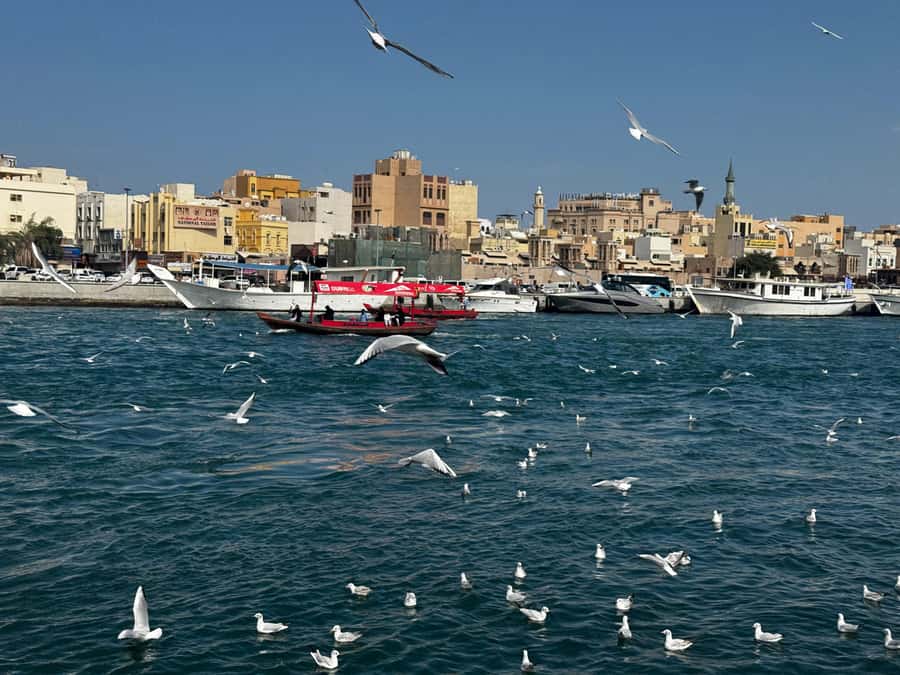
- The abra ride is part of the transport, not just a photo stop: You cross Dubai Creek in a traditional water taxi to reach Deira’s markets.
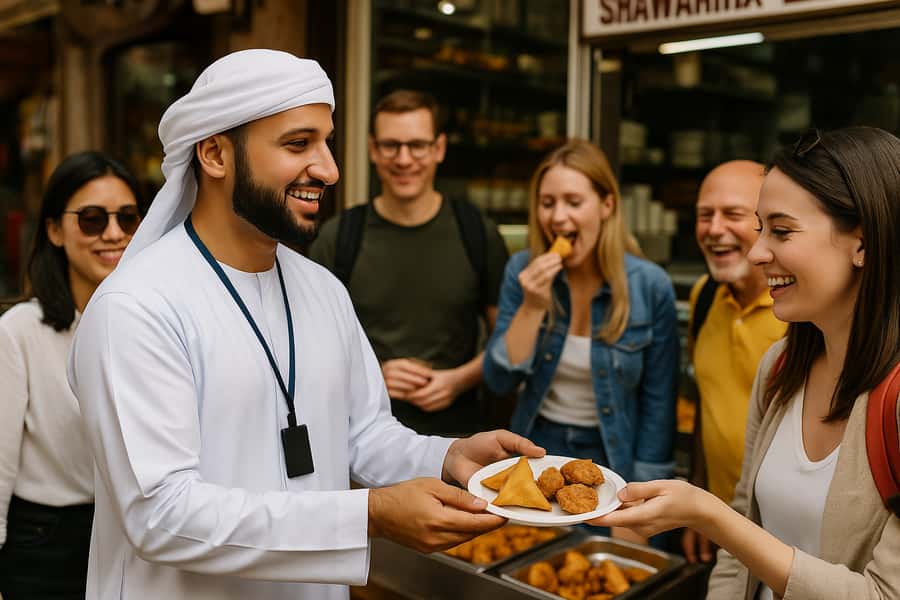
- Food and drinks are included: Expect Arabic coffee, street food, water, and camel milk chocolate.
- The souks are active shopping areas: Your guide can explain the markets and help you feel more at ease with bargaining.
- The tour stays small and personal: You can choose a private outing or join a small group, with English and Spanish available.
- The meeting point is easy to reach: Begin outside Wokyo Noodle Bar in Al Seef, near Sharaf DG Metro Station on the Green Line.
Why Old Dubai works better on foot
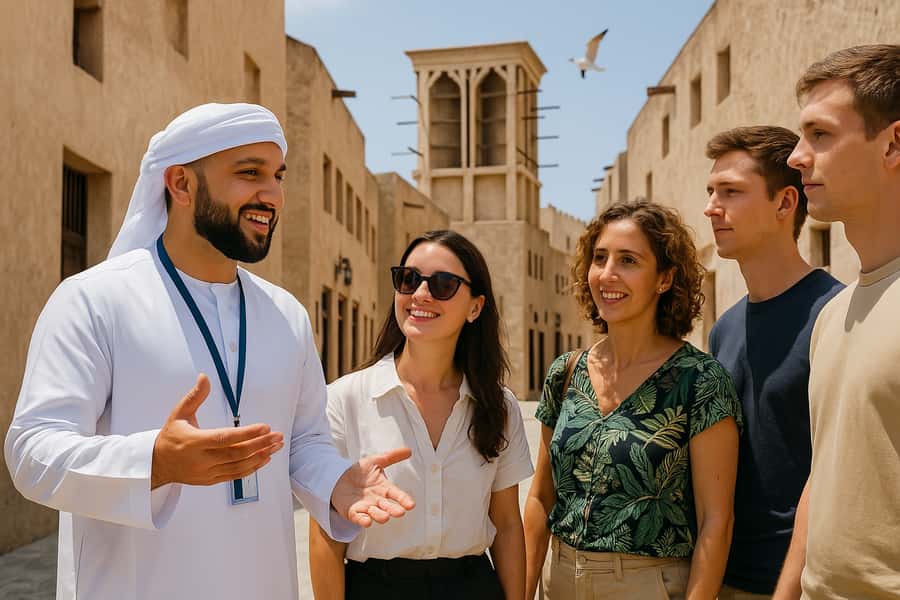
Dubai is famous for glass towers, grand malls, and wide roads. This tour takes you somewhere more intimate. In the Al Fahidi District, low buildings, narrow lanes, shaded courtyards, and wind towers show how the city looked before its modern boom.
I like starting here because the area gives you a useful frame for the rest of the tour. Instead of treating Dubai’s past as a museum display, you see old buildings being used as museums, galleries, and cultural spaces. One building houses a coffee museum, a small but memorable detail for anyone interested in how trade and hospitality shaped local life.
A guide matters in this district. The architecture can look simple at first glance, but the wind towers and building layouts have a purpose. Your guide can help you notice how traditional homes were designed and explain what the buildings tell you about Emirati life.
The walk also provides a helpful contrast. Dubai’s modern skyline may be only a short distance away, yet the old quarter feels calmer and more human in scale. I would not book this tour expecting a grand parade of monuments. Its appeal is in the small details, local stories, and changing view of the city.
More Food Tours in Dubai
- Dubai: Old Town, Creek, Museums, Souks, & Street Food Tour
★ 4.8 · 10,816 reviews - Dubai: Old Town, Souks, Street Food, Guided Tour & Abra Ride
★ 4.9 · 7,170 reviews - Dubai: Old Town, Souks, Street Food, Guided Tour & Abra Ride
★ 5.0 · 1,664 reviews
Al Fahidi, the Old Mosque, and the 1800 wall
The opening section takes you through Al Fahidi, where the tour focuses on Arabian architecture and the district’s cultural character. You pass old structures now used for public and cultural purposes, including museums and art galleries.
The Old Mosque is another important stop. The value here is not only the building itself. Your guide can explain how its design fits into the area’s religious and social life, giving the walk more meaning than a quick photograph from outside.
You also see remnants of the Old Wall, built around 1800 AD. That date helps place Dubai’s past in context. The city was not always the giant commercial center you see today. The wall points to an earlier settlement with defined boundaries and a more compact way of life.
A practical note: wear shoes that can handle steady walking. Comfortable clothing, sunglasses, and a sun hat are sensible choices, especially during the warmer part of the day. Even an evening tour can involve heat from paved paths and time spent outdoors.
The Dubai Museum and the story behind the objects
The itinerary includes the Dubai Museum, where you can see relics and artifacts connected with Emirati civilization. The museum adds an indoor, object-based part to the walking tour.
I like this stop because it gives you something concrete after the architectural introduction. The old buildings show how people lived and built, while the museum objects help explain work, trade, customs, and daily life.
Your guide is especially useful here. The strongest feedback about the experience centers on guides who explain clearly and answer questions rather than simply lead you from one stop to the next. Muhammad Bilal is praised for making the tour educational and entertaining, while Abdulla is noted for his strong personal manner and insight into local culture.
Do not expect a long museum visit with time to study every display. The tour has several stops and continues through the markets. Think of the museum as one part of a wider introduction to Old Dubai.
Textile Souk: color, fabric, and the first taste of shopping
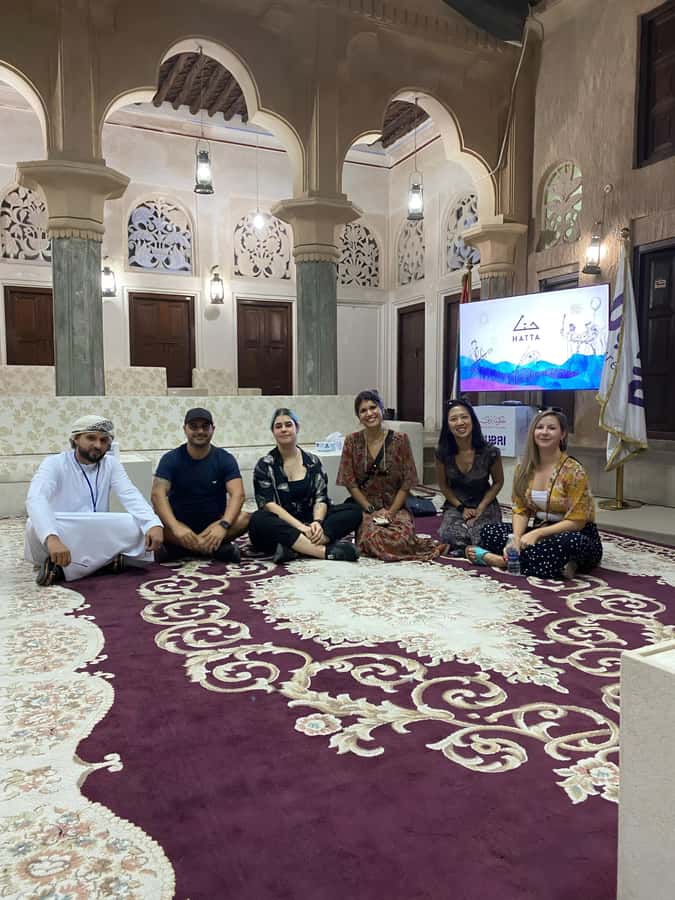
From the historic district, the route continues to the Textile Souk. This market is a good change of pace after the quieter lanes of Al Fahidi. You see traditional fabrics in many colors and get a feel for the commercial side of the old quarter.
The Textile Souk is also where shopping advice becomes useful. If you are not used to souk customs, it can be hard to know when to ask a price, how to bargain, or how seriously to take a sales pitch. Your guide can help explain the process and point you toward local vendors.
I would treat this section as an introduction rather than a dedicated shopping trip. You may find something you want to buy, but the tour is designed to show you how the markets work, not give you unlimited time in each shop.
That balance suits me. A guided walk can keep shopping from taking over the entire afternoon, while still giving you a chance to browse. If you do plan to buy fabric, gold, spices, or souvenirs, bring a small amount of patience and keep your expectations sensible.
More street food nights in Dubai:
- Dubai: Old Town, Street Food, Creek, Souks, & Emirati House
★ 4.9 · 1,496 reviews - Dubai Top Highlights: Frame Entry, Souks, Abra & Street Food
★ 4.8 · 344 reviews - Dubai: Premium Old Town, Street Food, Souks & Boat Ride Tour
★ 4.9 · 262 reviews - Dubai: City Highlights Tour with Blue Mosque & Street Food
★ 4.6 · 247 reviews
Crossing Dubai Creek by abra
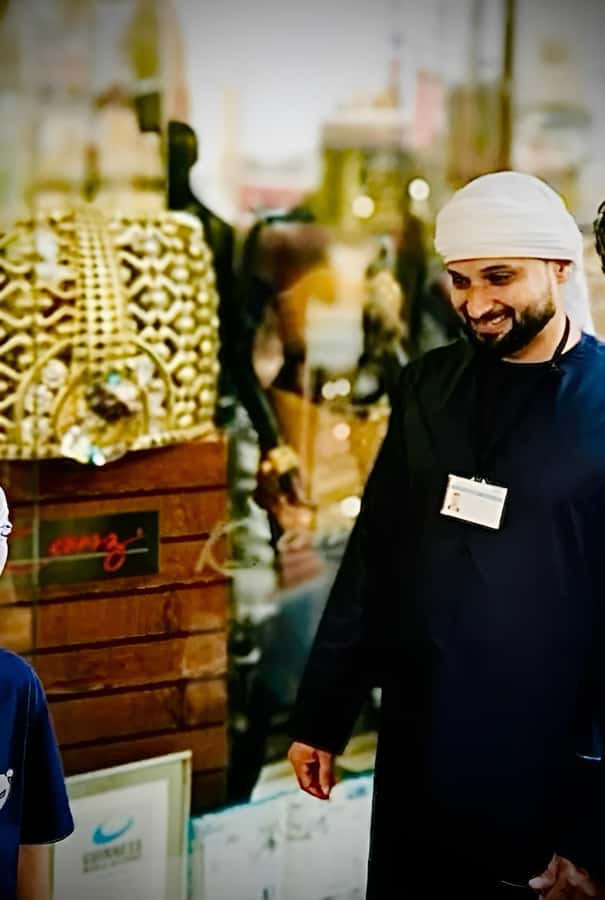
The abra ride is one of the clearest reasons to choose this experience instead of a standard Old Dubai walking route. You board a traditional water taxi and cross Dubai Creek to reach the Deira side.
The ride is short, but it changes your view of the city. From the water, you can look back toward the older buildings and see the creek as a working route rather than a decorative waterfront. The crossing also connects the two halves of the tour in a natural way.
Several details make this more than a simple transfer. You are using a traditional form of transport, the crossing is included in the price, and the ride breaks up the walking. It gives your feet a rest while keeping the focus on local life.
Do not expect a private boat cruise or a long sightseeing voyage. The abra is practical public transport with a strong sense of place. That is precisely its appeal. It is a brief, useful ride that feels tied to the neighborhood.
Gold Souk: displays, shopping, and bargaining
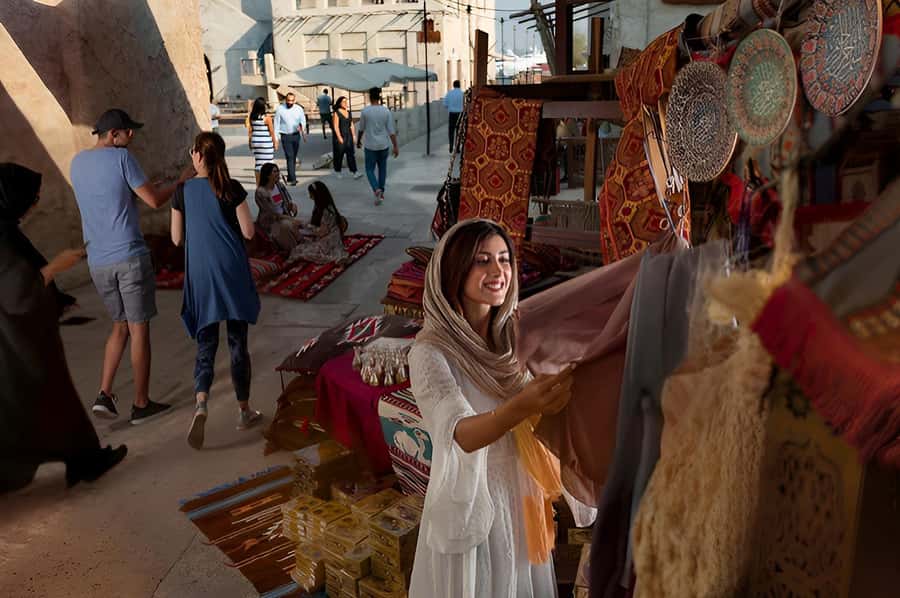
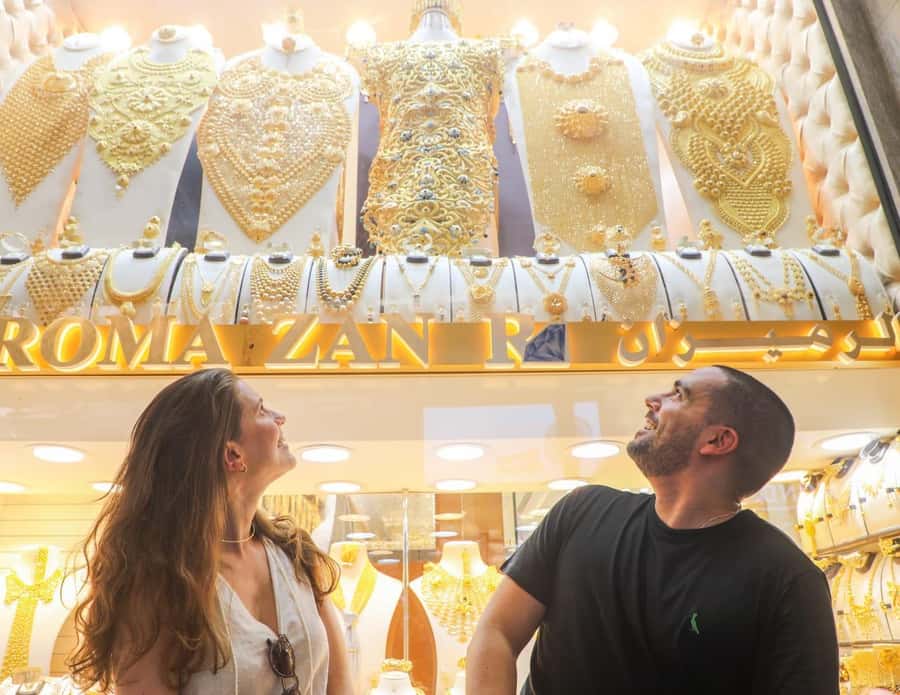
On the other side of the creek, the route reaches the Gold Souk, one of the world’s largest gold retail markets. The displays are the attraction even if you have no intention of buying anything.
Gold shops can be intimidating if you do not know the local shopping rhythm. A guide helps by taking you through the market, explaining what you are seeing, and offering advice about prices and bargaining. Several comments about the tour highlight this practical help, with the guide making people feel safer and less pressured while shopping.
That does not mean you should assume every purchase is a bargain. Take your time, compare prices, and buy only if you genuinely want the item. The tour’s value is that you can see the market with context and support, not that you are promised a special deal.
I especially like this stop for first-time visitors who want to see a major Dubai market without handling the experience alone. You can concentrate on the workmanship and scale of the displays while your guide explains the local customs.
The spice market and the included food
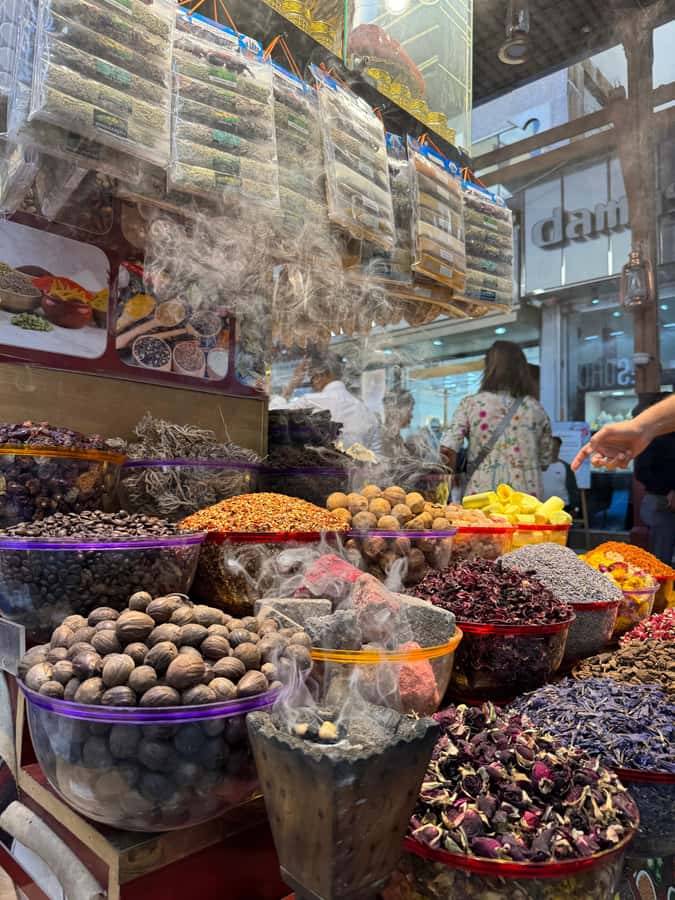
The final market section takes you through the traditional spice market. This is where the tour becomes most sensory, with the smell of spices and the chance to learn about Middle Eastern flavors.
You also receive street food during the experience, along with Arabic coffee and camel milk chocolate. These inclusions add real value to a $26 tour because they turn the walk into more than a sequence of sights. You get to try a few local tastes without having to plan separate stops.
The food should be seen as sampling, not a full meal. If you are hungry, you may want to eat before or after the tour. The exact street food selection is not specified, so do not book expecting a fixed tasting menu.
I like the way the food fits the route. Coffee connects with the cultural story of Al Fahidi, spices connect with the market, and camel milk chocolate gives you a distinctly local sweet to try. It is a modest food element, but it helps the tour feel more complete.
What the guides add
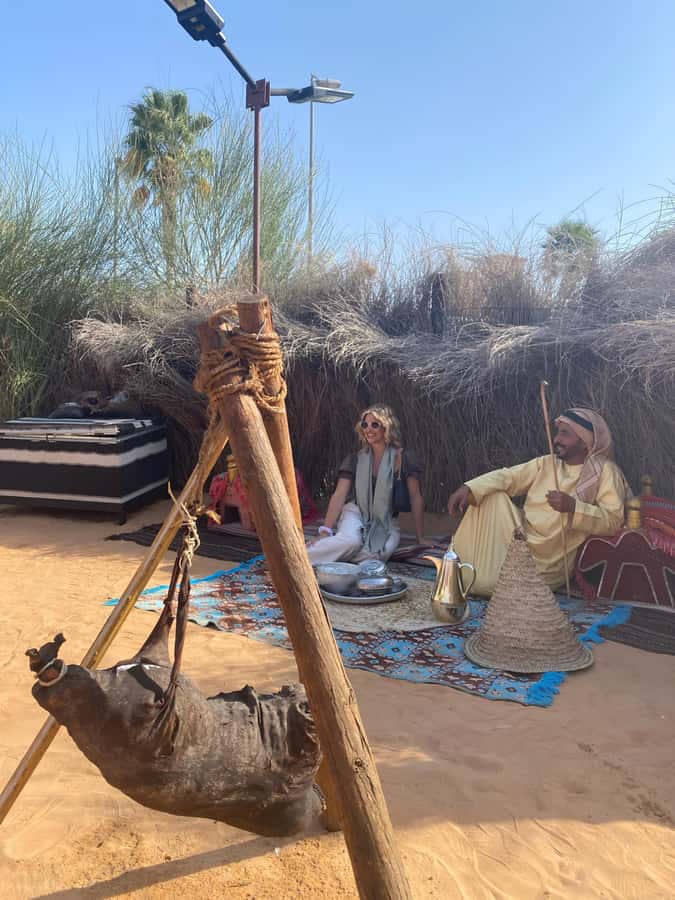
The guides are the strongest part of this experience. Muhammad Bilal is repeatedly praised for being friendly, informative, and attentive, while Abdulla is described as an excellent guide with strong insight into history and culture. Other comments praise Muhammad for making the tour clear, relaxed, and enjoyable.
That matters because Old Dubai rewards explanation. Without context, you may see an old wall, a wind tower, a market stall, and a boat ride as disconnected pieces. A good guide links them together and answers the questions that arise as you walk.
The personal tone also seems useful in the souks. You are not simply pointed toward a market and left to manage it alone. The guide can help you understand the shopping culture and may take you to vendors they know. Keep your judgment switched on, but this local connection can make the experience more comfortable.
English and Spanish are offered. You can select a private experience or join a small group. A private tour should suit you if you want a slower pace or have particular questions, while the small-group option is likely the better value for most people.
Price, timing, and practical details
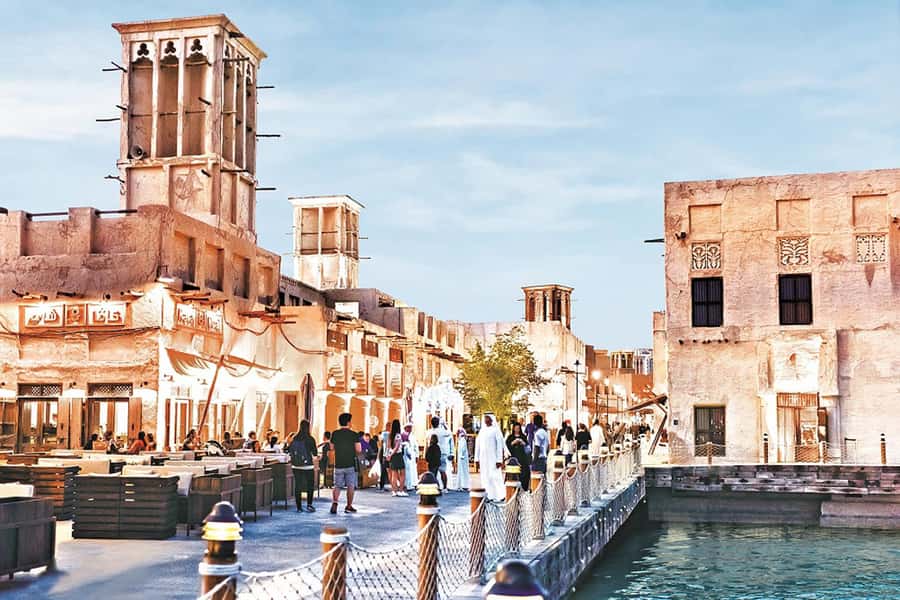
At $26 per person, the tour offers a solid bundle: a guide, walking route, abra crossing, Arabic coffee, street food, water, and camel milk chocolate. You also get access to local explanation in places where going alone can feel confusing, especially the souks.
The price does not include hotel pickup or drop-off unless you choose the private option. Meet outside Wokyo Noodle Bar in Al Seef, and arrive at least 10 minutes early. Sharaf DG Metro Station on the Green Line is the nearest metro stop, and you can also enter Wokyo Noodle Bar, Al Seef, into a taxi or ride-hailing app.
The activity ends back at the meeting point. A reported evening schedule runs from 5pm to 8pm, which is appealing if you want to avoid the strongest daytime heat and see the markets after dark. Confirm your selected start time when booking.
Leave luggage and large bags behind, since they are not allowed. Strollers are also not allowed. The tour is not suitable for children under two, wheelchair users, or people with mobility impairments.
You can cancel up to 24 hours ahead for a full refund, and the reserve-now, pay-later option keeps your plans flexible.
Who should book this Old Dubai walk
I would recommend this tour to first-time Dubai visitors who want more than skyscrapers and shopping malls. It is also a good choice if you have only one evening for the old quarter and want the route, food, transport, and cultural explanation handled together.
It suits curious shoppers, couples, solo visitors, and small groups who enjoy asking questions. The guide support is particularly useful if you are nervous about souk bargaining or unsure how to read the market atmosphere.
You should skip it if you dislike walking, want a luxury boat ride, or need a fully accessible route. You may also prefer a food-focused tour if eating is your main goal, since the included samples are part of a broader history and market walk.
Should you book it?
Book this tour if you want a friendly, practical introduction to Old Dubai for a modest price. The best parts are the contrast between Al Fahidi and the souks, the traditional abra crossing, and the guides’ clear explanations, with Muhammad Bilal and Abdulla receiving especially strong praise.
Choose the evening option if available, arrive ready to walk, and wear light, comfortable clothes. With reasonable expectations about the food portions and the short abra crossing, this is a worthwhile way to see the city’s older side without having to piece the route together yourself.
FAQ
Where does the Old Dubai walking tour start?
The meeting point is in front of Wokyo Noodle Bar in Al Seef. You should arrive at least 10 minutes before the scheduled start.
How can I reach the meeting point by metro?
The closest station is Sharaf DG Metro Station on the Green Line. From there, Al Seef is a short walk away.
What does the tour include?
The price includes a guide, Arabic coffee, street food, water, camel milk chocolate, and the abra water taxi trip.
Is hotel pickup included?
Hotel pickup and drop-off are not included unless you select the private option.
Which languages are available?
The tour is available in English and Spanish.
Is the tour suitable for children?
It is not suitable for children under two years old. Baby strollers are also not allowed.
Is the route suitable for wheelchair users?
No. The experience is not suitable for wheelchair users or people with mobility impairments.
Can I cancel for a refund?
Yes. You can cancel up to 24 hours in advance for a full refund.
More Walking Tours in Dubai
- Reykjavik Food Walk – Local Foodie Adventure in Iceland
★ 5.0 · 18,952 reviews - Little Havana Food and Walking Tour in Miami
★ 5.0 · 8,882 reviews - New Orleans Food Walking Tour of the French Quarter with Small-Group Option
★ 5.0 · 6,118 reviews - Naples: Street Food Walking Tour with Local Guide
★ 4.9 · 4,976 reviews
Just added around Dubai
- Dubai Top Highlights: Frame Entry, Souks, Abra & Street Food★ 4.8 · 344 reviews
- Dubai.Discover Old town,Markets,street food,Abra &Museums★ 4.9 · 181 reviews
- Dubai: Discover Dubai Old Town, Souks, Museum & Street Food★ 4.9 · 25 reviews
- Dubai: Private Food Tour – 10 Tastings with Locals★ 4.8 · 61 reviews
- Dubai Private Top Attractions, Premium Vehicle & Street Food★ 5.0 · 24 reviews
- Dubai: Premium Old Town, Street Food, Souks & Boat Ride Tour★ 4.9 · 262 reviews
- Dubai: City Highlights Tour with Blue Mosque & Street Food★ 4.6 · 247 reviews
- Dubai: Luxury Sightseeing Cruise with Food and Drinks★ 4.8 · 117 reviews
Food Tours in Dubai, compared.
Old Town, Creek, Museums, Souks, & Street Food Tour
Read our review →
Old Town, Souks, Street Food, Guided Tour & Abra Ride
Read our review →Old Town, Souks, Street Food, Guided Tour & Abra Ride
Read our review →
Old Town, Street Food, Creek, Souks, & Emirati House
Read our review →
Luxury Dinner Buffet at Gastronomy Atlantis The Royal
Read our review →
Dubai Top Highlights: Frame Entry, Souks, Abra & Street Food
Read our review →
Premium Old Town, Street Food, Souks & Boat Ride Tour
Read our review →
City Highlights Tour with Blue Mosque & Street Food
Read our review →Browse the lists this tour appears in