
REVIEW · SPAIN
Granada: Walking Food Tour
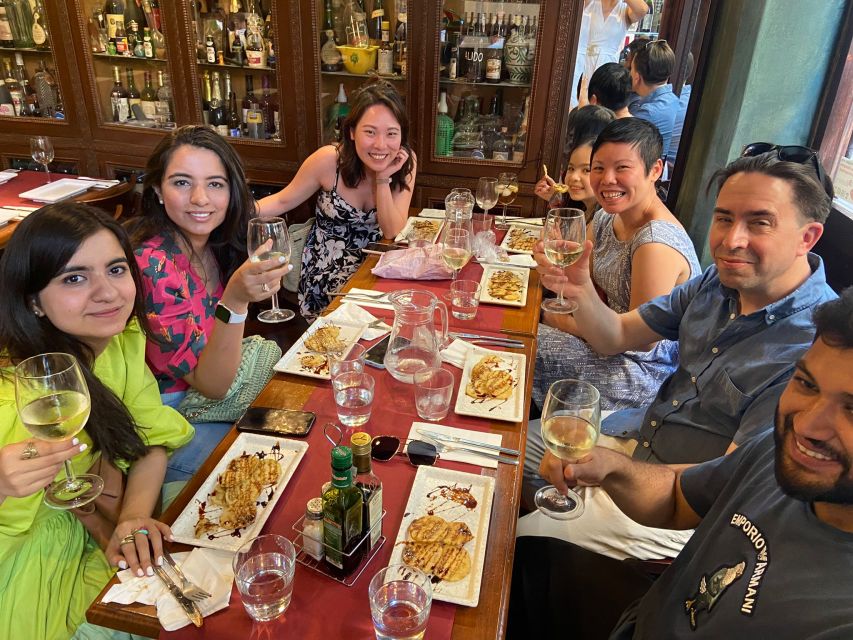
Granada’s food story is a lesson in crossings: Roman, Sephardic, Berber, and Nasrid influences still show up in the cooking, drinks, and pantry staples. This 3.5-hour walk takes you through family-run businesses, taverns, tapas bars, and restaurants, with enough food and drink to replace a full lunch or dinner.
I like two things right away. The ham and olive oil tastings have real local context, from curing in the Alpujarra mountain villages to production across Granada province. I also like the mix of food and city history, especially at Chikito, the early-20th-century restaurant once associated with local artists, writers, and poets.
The main drawback is that this is a food-focused walking tour, not a long sightseeing walk. You move between stops, but most of your time is spent tasting and talking. It is also not suitable for wheelchair users, and Saturday evening departures do not include the Iberian ham tasting.
Key points at a glance
- Taste several styles of ham: Compare Serrano ham from Granada with prestigious Iberian ham from Andalusia, and learn how mountain air helps cure Alpujarra ham.
- Eat enough for a full meal: The included food and drinks are intended to cover lunch or dinner, with generous portions reported at several stops.
- Visit Chikito: Try local recipes in a historic restaurant tied to Granada’s literary and artistic life.
- Learn beyond tapas: Olive oil, regional wine, Tinto de Verano, vermouth, cheeses, sweets, spices, and traditional dishes all enter the conversation.
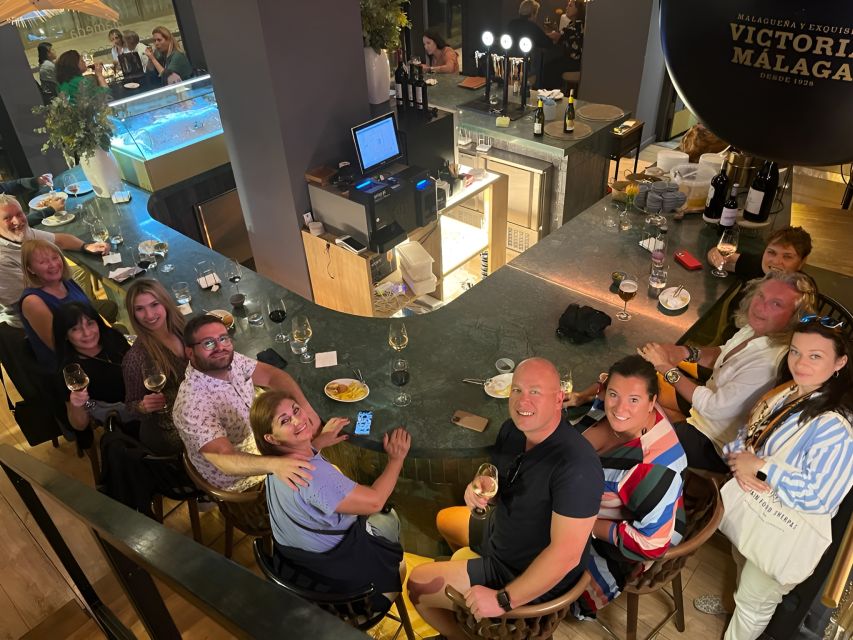
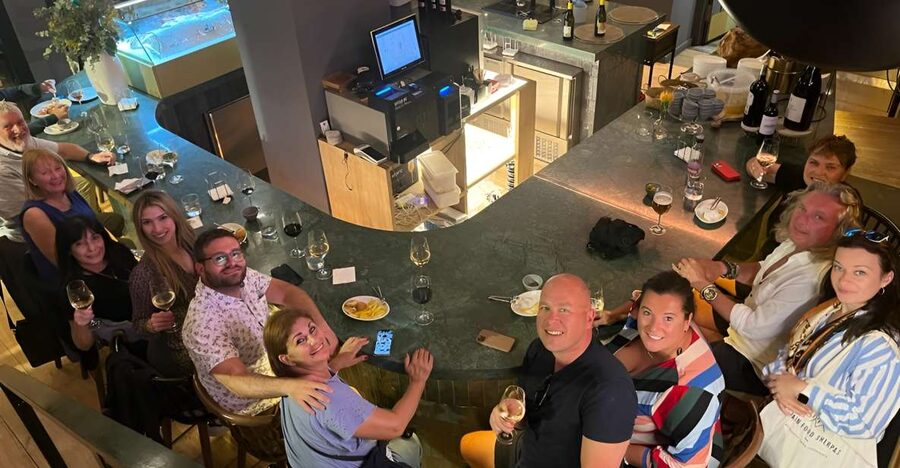
- Keep the group small: The maximum is 10 people, giving you a better chance to ask questions and speak with your guide.
- Start near Puerta Real: Meet at the kiosk beside Teatro Isabel La Catholica, on the Casino sidewalk, and arrive five minutes early.
What the Granada food walk is really about
This is not simply a crawl from bar to bar. The point is to understand why food tastes the way it does in Granada and how the province’s geography, cultures, and trade shaped the table.
Your guide explains the food traditions of Granada through its local products. Ham is a good example. You learn how it is cured in mountain villages in the Alpujarra, where fresh air from the Sierra Nevada helps with the drying process. The tasting then gives you a practical comparison between Granada Serrano and Andalusian Iberian ham.
That kind of explanation makes a difference. Instead of ordering jamón because it appears on every menu, you leave knowing that there are different styles, qualities, and regional identities behind the word. If you plan to buy food gifts later, this is useful preparation.
The cultural thread is just as important. Granada’s cuisine reflects Roman, Sephardic, Berber, and Nasrid influences. The tour connects those layers to dishes, ingredients, spices, and drinks without turning the meal into a classroom lecture. Guides such as Katia, Laura, Bruce, Marcel, Molly, Emma, and others have been praised for making the history easy to follow and conversational.
More food walks around Spain:
- Barcelona: Food Walking Tour with Tapas and Wine
★ 4.9 · 2,180 reviews - Barcelona: Guided Food Walking Tour with Tapas and Wine
★ 5.0 · 848 reviews - Barcelona: El Born Food Walking Tour with Tapas and Drinks
★ 4.9 · 662 reviews
Ham, olive oil, and the food of Granada province
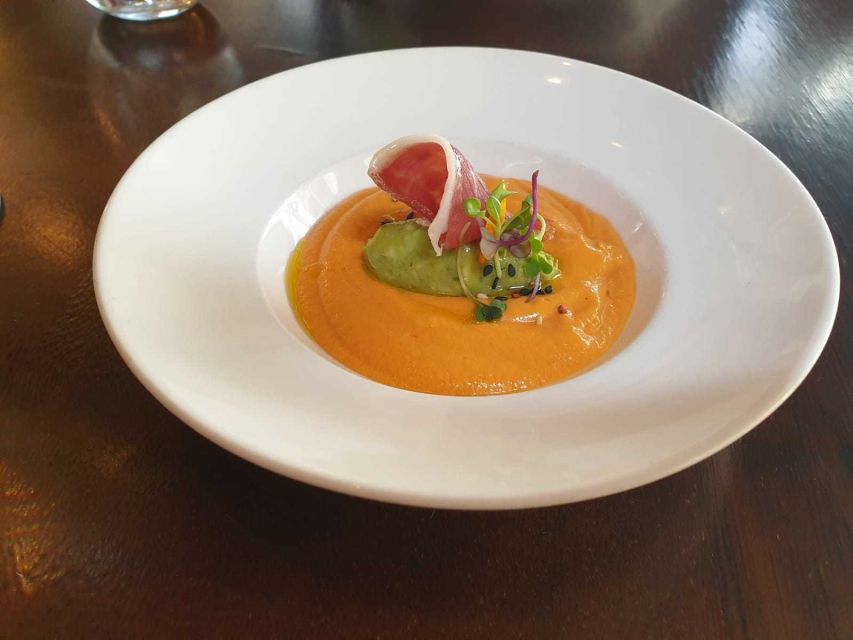
Ham is one of the clearest stars of the experience. You may taste more than one type, including Serrano from Granada and Iberian ham from Andalusia. The contrast is more meaningful when your guide explains production and curing instead of simply placing slices on a plate.
The olive oil portion is especially useful for anyone who cooks or shops for Spanish products. One version of the route includes an olive oil tasting at a local shop, where you learn how the oil is made and compare different types. That stop can also be practical: you have the chance to return and buy bottles after the tour.
The food education may extend to spices, sweets, turrón, and other staples. One guide added stops at herb and turrón shops, while another route included a souk area. These short shopping stops help you see Granada as a food city beyond its famous tapas tradition.
Do not expect every departure to follow precisely the same path. Restaurants and bars can change, and the guide may adapt the stops to the group, the day, or opening hours. The core idea remains the same: local products, regional drinks, and food with a story behind it.
Tapas bars, taverns, and a proper meal
Granada is well known for its tapas culture, and the tour gives you a structured way to sample it. You visit several bars and restaurants instead of guessing where to go, and the included portions are intended to make up a full meal.
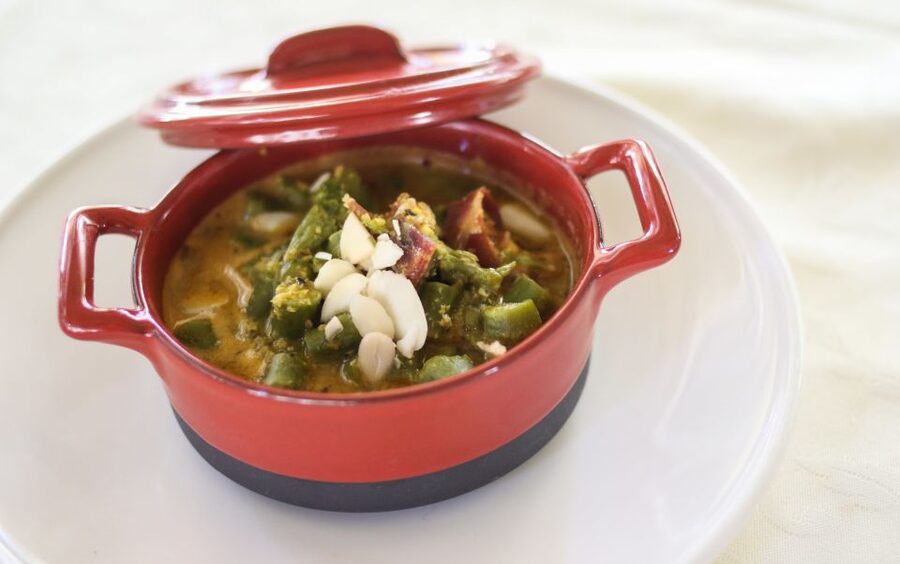
The food can be varied. Dishes mentioned on the route include oxtail croquettes, pork with saffron, Iberian presa, cheese dishes, and local tapas. At La Cueva 1900, one stop included queso de cerdo. At Chikito, the group sampled regional recipes and dishes such as presa ibérica on some departures.
Those details matter because the tour is not limited to predictable bar snacks. You may encounter familiar Spanish ingredients in forms that are more particular to Granada or Andalusia. The meal can move from cured meat and cheese to hot dishes, croquettes, pork, and dessert.
The stops also give you a feel for different kinds of places. A family-run shop shows the retail side of local food. A historic tavern gives you atmosphere and old-school character. A restaurant such as Chikito lets you sit down for more composed dishes.
One consideration: the exact menu is not fixed in the information provided, so do not book this expecting a guaranteed list of every dish. If you have allergies, vegetarian needs, or other dietary requirements, state them when booking. The operator specifically asks for this in advance.
Chikito and Granada’s literary past
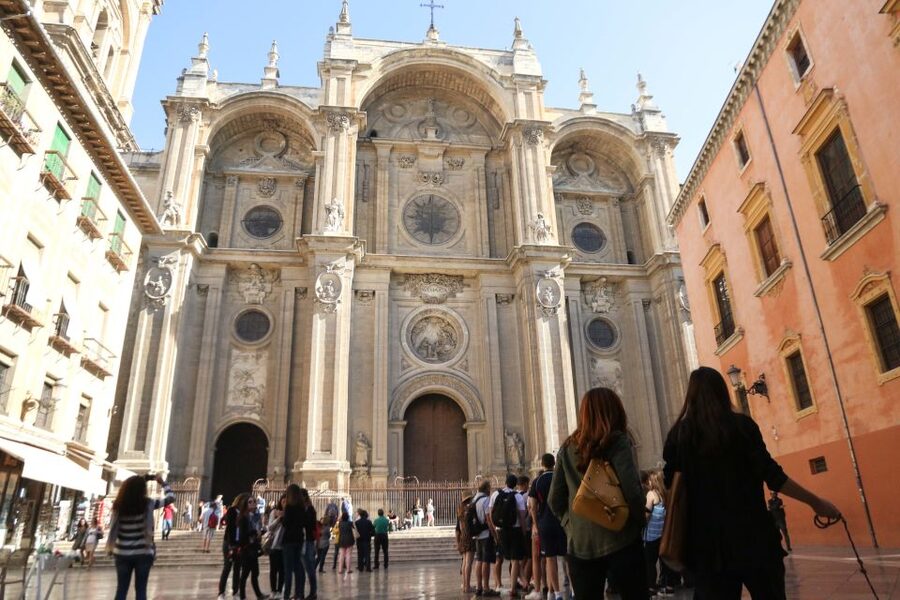
Chikito is the most distinctive named stop. This historic restaurant was a meeting place for local artists, writers, and poets in the early 1900s. It gives the food a setting that is tied to Granada’s cultural life, not just its dining trade.
The appeal here is partly historical and partly culinary. You taste local recipes while hearing about the people and conversations associated with the restaurant. The setting turns a meal into a small piece of Granada’s social history.
The experience can include dishes such as pork with saffron or Iberian presa, depending on the departure. These are substantial plates, so pace yourself earlier in the tour. The included food is generous enough that several people finished the experience without needing another meal that day.
Chikito also helps balance the more casual parts of the walk. Tapas bars are central to Granada, but a sit-down restaurant gives you time to absorb what you have learned. I like that rhythm: taste, walk, talk, then sit down for another course.
A few more food tours around Spain worth comparing
- Barcelona: Tapas Walking Tour with Food, Wine, and History
★ 4.8 · 4,261 reviews - Barcelona Tapas Walking Tour: Food, Wine & History
★ 4.5 · 1,928 reviews - Picasso Museum and Walking Tour Plus Optional Wine & Food Tasting
★ 5.0 · 596 reviews - Palma de Mallorca: Foodie Walking Tour of the Old Town
★ 4.6 · 372 reviews
Wine, Tinto de Verano, and vermouth
The drink side is broader than a standard wine tasting. You may try wines from the Granada region, along with Tinto de Verano, the easy-drinking mixture of red wine and a fizzy mixer. Vermouth can also appear as an aperitif.
Your guide explains the drinks alongside the food, so you can see why a particular wine works with ham, cheese, or a cooked dish. This is more helpful than receiving several glasses with no context.
Regional wine is a strong reason to take the tour. Granada is not always the first Spanish wine area that comes to mind, and the tasting introduces local production in a direct way. You also learn how drinks fit into daily food customs, rather than treating wine as a separate subject.
Additional drinks are not included. The package provides food and drinks sufficient for a full meal, but anything beyond that is at your own expense. If you do not drink wine, the experience can still work. The food, olive oil, history, and restaurant visits are important parts of the route, and one family with children who did not drink wine still found plenty to take from the tour.
The guides shape the evening
The guide is a major part of this experience. Different departures may be led by Katia, Laura, Bruce, Marcel, Molly, Emma, Kate, or another English-speaking guide.
Katia brings restaurant experience from years of running a restaurant in Granada, along with strong food and wine knowledge. Laura is from Granada and has been praised for combining local knowledge with a relaxed, friendly approach. Bruce is noted for clear explanations, city history, and a calm style that suits people who do not enjoy guides who rush.
Marcel’s style is more theatrical and humorous, with food, Spanish history, and social background mixed into the walk. Molly has included shopping stops for herbs and turrón. These differences are worth knowing because the tone can vary from guide to guide, even though the food focus remains consistent.
I would book this early in your Granada stay if possible. The route helps you get your bearings around the Centro area, and the guide can point you toward restaurants and bars to revisit. Several people used the recommendations later in their trip, which is a good sign that the tour gives you practical follow-up ideas rather than only a one-night meal.
Walking, timing, and group size
The tour lasts 3.5 hours. That is long enough for several food stops and a full meal, but short enough to fit around major Granada sightseeing.
The meeting point is the kiosk at Teatro Isabel La Catholica, on the Casino sidewalk near Puerta Real. Arrive five minutes early. The operator cannot wait more than 15 minutes after the scheduled start, so this is not a good activity to join casually after a late arrival.
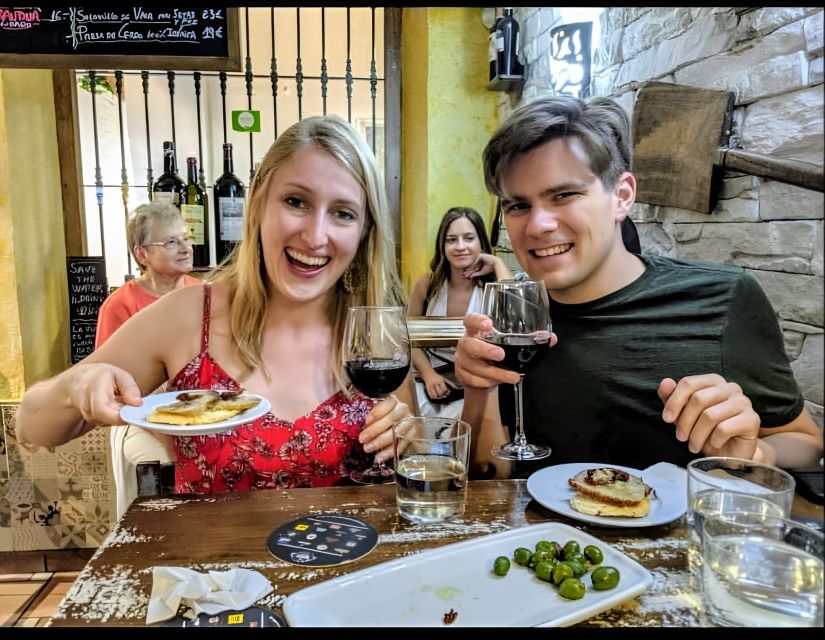
The maximum group size is 10 people. That is small enough for direct conversation, especially when you are standing at a counter or moving through a busy central street. A smaller group also makes it easier to explain dietary needs and ask about unfamiliar ingredients.
You should be comfortable walking between food stops and standing for parts of the experience. The tour is not suitable for wheelchair users. No hotel pickup or drop-off is provided, so plan your route to and from the central meeting point.
Weather can affect the mood. Much of the experience moves through the city streets, although restaurant stops provide indoor seating. Bring a light rain layer in wet weather and wear shoes you can walk in comfortably.
Is $82 a fair price?
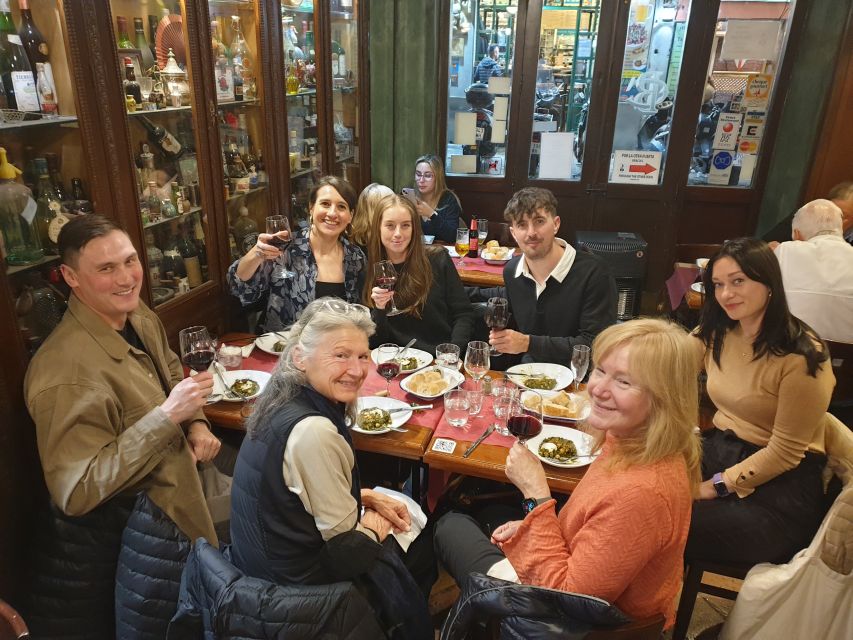
At $82 per person, this is not the cheapest way to eat tapas in Granada. You could certainly order small plates and drinks for less if you already know where to go.
The value comes from what is bundled into the price. You receive enough food and drink for a full lunch or dinner, several stops, an English-speaking guide, local product tastings, and explanations of Granada’s culinary background. You also avoid the gamble of choosing unfamiliar bars without knowing what to order.
The ham tasting alone has more value when you understand the difference between Granada Serrano and Iberian ham. The same is true of olive oil and regional wine. You are paying for access, interpretation, and a meal, not just a series of samples.
The price works best for people who would otherwise spend an evening eating out and who want guidance. It is less attractive if you are on a tight food budget, do not drink at all, or prefer to choose every dish yourself.
The high overall rating, 4.8 from 460 reviews, fits the strongest features of the experience: generous food, strong guides, authentic local stops, and useful history. Still, treat the rating as a general guide rather than a promise of one exact menu or one particular guide.
Who should book this Granada food tour?
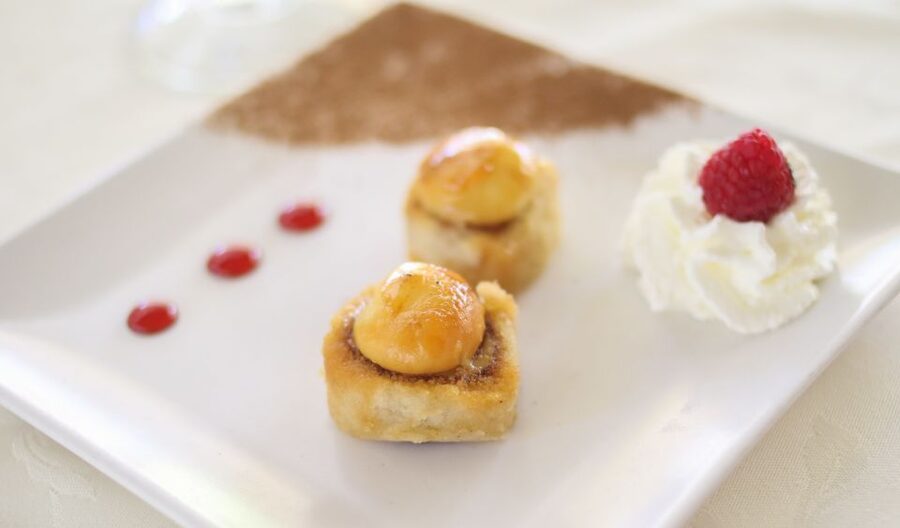
I would recommend it to first-time visitors who want to get their bearings fast while eating. It also suits food lovers who care about ham, wine, olive oil, regional cooking, and the background of a dish.
Families can enjoy it, though parents should consider the 3.5-hour duration and the adult focus on wine and restaurant dining. People who do not drink can still take part, but you should tell the operator in advance if you have dietary needs.
This is a good choice for curious eaters who want places they may not find alone. It is less suitable for someone seeking a purely historical walking tour, a long-distance city walk, or a fixed menu with every dish guaranteed.
Book near the start of your stay if you can. You will learn what to order, which areas feel worth returning to, and how Granada’s food fits into the wider story of Andalusia.
Practical details before you reserve
The tour costs $82 per person and lasts 3.5 hours. Food and drinks sufficient for a full lunch or dinner are included, while additional drinks are not.
You can cancel up to 24 hours before the activity for a full refund. Reserve now and pay later if you want to keep your plans flexible.
The tour is conducted in English, with a live guide, and the group can include up to 10 people. Saturday evening departures exclude the Iberian ham tasting, so check the departure details if that tasting is a priority.
Should you book it?
Book this tour if you want a substantial meal, local drinks, and a clear introduction to Granada’s food culture in one evening. The strongest reasons are the ham comparison, olive oil education, regional wine, the Chikito stop, and guides who can connect each taste to Granada’s past.
Skip it if you want a cheap, self-directed tapas night or if walking between stops is difficult. For most visitors who enjoy food and want useful restaurant advice for the rest of their stay, the $82 price is reasonable, especially when you count the meal and the amount of explanation included.
FAQ
How long does the Granada Walking Food Tour last?
The tour lasts 3.5 hours.
How much does the tour cost?
The listed price is $82 per person.
Where does the tour meet?
Meet at the kiosk at Teatro Isabel La Catholica, on the Casino sidewalk near Puerta Real.
How early should I arrive?
Arrive five minutes before the scheduled start. The operator cannot wait longer than 15 minutes after the starting time.
What food and drinks are included?
The tour includes food and drinks sufficient for a full lunch or dinner. Tastings can include local ham, tapas, traditional dishes, regional wines, Tinto de Verano, vermouth, and olive oil.
Is Iberian ham included on every departure?
No. Iberian ham tasting is not included on Saturday evening departures.
Is the tour conducted in English?
Yes. The activity includes a live English-speaking food guide.
Can I share dietary requirements?
Yes. You should provide any specific dietary requirements when booking.
Is the tour suitable for wheelchair users?
No. The activity is listed as not suitable for wheelchair users.
What happens if I need to cancel?
You can cancel up to 24 hours in advance for a full refund. You can also reserve now and pay later, subject to the booking terms.
Just added around Spain
- Explore Marbella Old Town: Authentic Tapas Food Tour★ 4.8 · 62 reviews
- Malaga: Taste-of-Spain Walking Food Tour★ 4.8 · 72 reviews
- Palma: Culinary Tapas Tour of the Old Town★ 4.8 · 114 reviews
- Malaga: Food Tour with Local Guide, Tapas, and Drinks★ 4.9 · 75 reviews
- Málaga: Tapas, Wine & Rooftops Private Tour★ 4.6 · 80 reviews
- Madrid: Ultimate Food Tour of Local Markets & Tapas★ 4.8 · 151 reviews
- Madrid: Iberico Ham and Spanish Wine Small-Group Food Tour★ 4.9 · 49 reviews
- Madrid: Paella & Sangria Classes – Seafood, Chicken or Vegan★ 4.9 · 201 reviews
Food Tours in Spain, compared.
Tapas Walking Tour with Food, Wine, and History
Read our review →
Sevilla Food Tour: Tapas, Wine, History & Traditions
Read our review →
Ibiza: Beach Hopping Cruise w/ Paddleboard, Food, & Drinks
Read our review →
Madrid Tapas & Taverns Small Group Food & History Tour
Read our review →
Barcelona Tapas Walking Tour: Food, Wine & History
Read our review →
Ibiza: Formentera Sunset Boat Part with Drinks and Food
Read our review →
Costa Adeje: Whale and Dolphin Cruise with Food and Pickup
Read our review →Browse the lists this tour appears in