
REVIEW · CANADA
A Wok Around Chinatown: Culinary and Cultural Walking Tour Led by a Chef
Vancouver’s Chinatown is best understood through its food, family stories, and working shops, and this four-hour walk brings those strands together. A chef guide such as Bob Sung or Thomas leads you from the Dr. Sun Yat-Sen Classical Chinese Garden through local eateries, cookware shops, herbal medicine stores, and cultural sites.
I like the way the tour connects Chinese Canadian history with the food on your plate, rather than treating lunch as a separate event. I also like the small group size, capped at 14, which leaves room for questions and gives the guide a chance to explain unfamiliar dishes.
The main caution is pacing. The walk can include waiting while food is prepared, and one past experience found the dim sum meal rushed and parts of the tour longer than necessary. Chinatown itself also has empty storefronts and visible street disorder, so this is a candid look at the neighborhood, not a polished sightseeing circuit.
Key things to know before booking
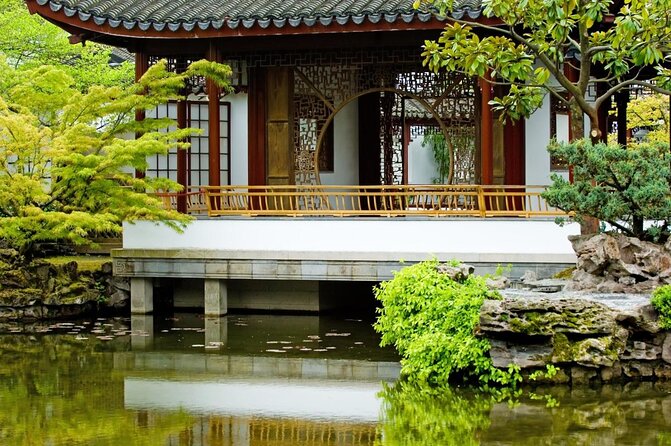
- Start at the Dr. Sun Yat-Sen Classical Chinese Garden: The garden sets the tone for the tour and provides a calm first stop before the food walk begins.
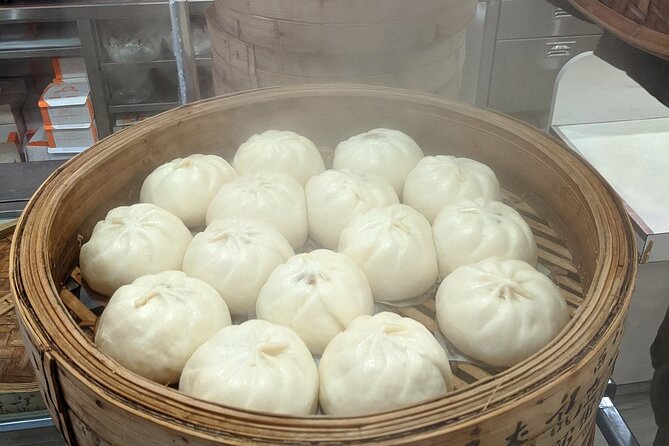
- Food is served throughout the morning: Expect sweet and savory samples, tea, Chinese barbecue, buns, and a sit-down dim sum lunch.
- The guide is part of the experience: Bob Sung is frequently named as the host, while Thomas, a retired chef, has also led tours.
- The history is central, not decorative: You’ll hear about Chinese immigration, railroad work, discrimination, cultural traditions, and the development of Vancouver’s Chinatown.
- The group is small: The maximum is 14 people, though some tours have been much smaller.
- Plan for a full four hours: The tour starts at 11 a.m. and ends back at the garden meeting point, with several stops along the way.
Starting with the Dr. Sun Yat-Sen Classical Chinese Garden
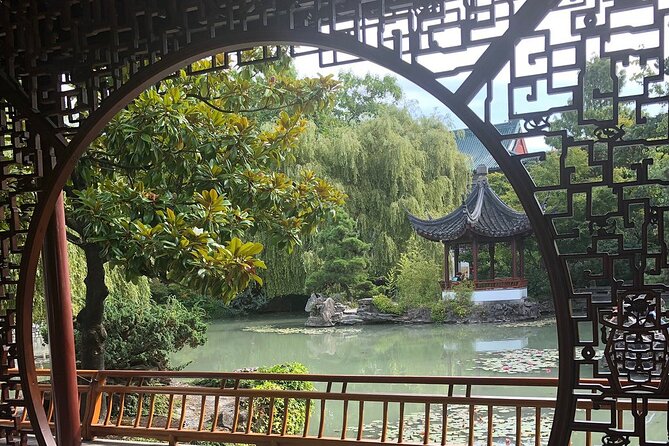
The tour begins at 11 a.m. outside the Dr. Sun Yat-Sen Classical Chinese Garden at 578 Carrall Street. Admission is included, so you do not simply pass the garden on the way to lunch. You spend time inside it.
This is a smart starting point. The garden offers a quiet pause from downtown Vancouver and gives the guide a physical setting for explaining traditional Chinese ideas. Bob has used the garden’s rock formations, water features, and pavilions to discuss themes such as harmony between heaven and earth and the values that shape Chinese culture.
I would arrive a little early. The meeting point is easy to reach by public transportation, and beginning the day without a rush helps you settle into the slower rhythm of the garden. The tour then shifts from the garden’s stillness to the streets, shops, and food counters of Chinatown.
The garden can be especially appealing if you want more than a restaurant crawl. You are not only tasting dishes. You are getting a framework for understanding why food, tea, family gatherings, symbolism, and hospitality carry such weight in Chinese culture.
The garden also changes with the season. In warmer months, trees and plantings give the setting a fuller appearance. In late autumn and winter, the garden is quieter and more spare. One practical note from a November visit is that you may prefer a warmer season if leafy gardens matter to you, though the garden remains part of the experience year-round.
A few more food tours around Canada worth comparing
- Gastown Historic Walking Food Tour
★ 5.0 · 1,863 reviews - Vancouver: Gastown Historical Walking Food Tour
★ 4.8 · 539 reviews - Kelowna: Walking Food Tour with 7 Tastings and 4 Drinks
★ 5.0 · 100 reviews
Walking through Chinatown’s working streets
After the garden, the tour becomes a walking route through Vancouver Chinatown. The exact order of stops may vary, but the pattern is clear: walk, pause, taste, and listen.
You might enter a cookware shop and see the tools used in Chinese kitchens, then stop at an herbal medicine store for an introduction to traditional ingredients and practices. These are useful stops because they take you beyond the restaurant table. A wok, cleaver, tea vessel, dried ingredient, or medicine cabinet can tell you as much about daily life as a museum display.
The guide also brings attention to landmarks and cultural sites connected to Chinese Canadian life. You may visit a museum or a place documenting Chinese life in British Columbia. The historical discussion includes Chinese immigration, the building of the railroads, institutional racism, and the ways Chinese communities maintained their culture while becoming part of Canadian society.
That context gives the food more meaning. A barbecue dish is not just a salty-sweet bite. A tea service is not merely a hot drink. A dim sum meal is tied to family, conversation, etiquette, and shared celebration.
The neighborhood itself requires a realistic outlook. Vancouver Chinatown has seen economic decline, empty buildings, and visible homelessness. You will encounter those realities during the walk. If you expect a spotless, tightly packed tourist quarter, you may be disappointed. If you want to understand a historic district as it exists today, including its struggles, the setting makes the tour more honest.
Sweet and savory tastings along the route
The food is served in small portions at several stops, though the cumulative amount can be substantial. Past menus and descriptions include Chinese barbecue, pork buns, sweet and savory items, tea, and other samples. One adventurous group was offered jellyfish, showing that the tasting can go beyond familiar dumplings and buns.
You may not love every bite, and that is part of the point. The tour gives you a safe way to try foods you might overlook on your own. The guide explains what you are eating and places it within a cultural setting, which helps if you are unfamiliar with the texture or preparation.
Portions appear generous for a food walk. Several people finished the tour feeling very full, and one person compared the size of the dim sum dumplings favorably with versions found in the United States. Do not plan a large dinner immediately afterward.
The format is not always a polished tasting menu. At some stops, food may be brought outside, placed on a platter, and shared with toothpicks. You might wait while an order is prepared. One critical experience found this inefficient and felt that the food could have been ready before the group arrived.
That is worth considering if you value a fast, tightly timed food tour. The pauses may feel slow, particularly when you are standing outside a shop. On the other hand, the less formal setup can feel closer to the way a local actually moves through Chinatown, especially when the guide has personal relationships with shop owners.
Learning from Bob Sung and the chef guides
The guide is the heart of this experience. Bob Sung is the name most closely associated with the tour, and his approach is personal, conversational, and strongly tied to Vancouver’s Chinese Canadian community. He shares local history, explains food traditions, and connects older events with present-day Chinatown.
The tone is not a scripted lecture. You can expect a guide who talks with you, asks questions, and encourages group interaction. Many groups have found that the walk feels more like being shown around by an informed local than following a guide from one landmark to another.
Thomas has also led tours. He is described as a retired chef and has particular strength when explaining food preparation, dim sum customs, and the meaning of different dishes. Kenson is another name connected with the guiding team.
Because different guides may lead the tour, the emphasis can shift. Bob may lean heavily into Chinese Canadian heritage and neighborhood stories, while Thomas may focus more on cooking and food etiquette. Either way, the guide’s personality matters here. You should be comfortable with conversation, humor, and a fair amount of spoken explanation.
One past experience found some personal stories and extended commentary awkward, including humor that did not suit everyone. That is a useful reminder that a small-group tour led by a passionate host feels personal in both good and less comfortable ways. You are not booking a quiet, anonymous tasting.
Same city, a completely different plate:
- Montreal Mile End Authentic Food Tour with 7 Delicacies Tastings
★ 5.0 · 2,598 reviews - Victoria Guided Food and History Tour
★ 5.0 · 2,015 reviews - Old Quebec City Food Tour with 10+ Autentic Local Tastings
★ 5.0 · 1,288 reviews - Toronto’s International Food Tour – Kensington Market
★ 5.0 · 786 reviews
Dim sum lunch and Chinese tea
The included dim sum lunch is the main meal of the tour. It is served at a local restaurant and follows the smaller tastings along the route. By this stage, you will already have tried several foods, so the lunch functions as both a meal and a lesson in how dim sum is eaten.
The guide may explain the symbolism of dishes, ordering customs, and basic etiquette. Dim sum works well for a group because plates can be shared and compared. It also lets you try several textures and fillings without ordering a full portion of every dish yourself.
The lunch received strong praise for quality and quantity, but timing is the main point to watch. One person felt the meal was rushed, while others found the food plentiful and satisfying. The difference may come from group size, restaurant timing, or the pace of the guide on a particular day.
The tour ends with tea, sometimes presented as a more formal tea service. Tea is not treated as an afterthought. You’ll learn why it matters in Chinese culture and how it fits into hospitality and conversation.
Alcohol is not included, although it can be purchased separately. The listed price includes the food samples, tea, and dim sum lunch, so you should not need to pay extra for the core tasting experience.
What the $122.28 price includes
At $122.28 per person, this is not the cheapest way to find dim sum in Vancouver. You could visit the garden separately, choose a restaurant, and browse Chinatown on your own for less money.
The value lies in the combination. You are paying for roughly four hours of guiding, garden admission, food samples, tea, lunch, and access to a local interpretation of Chinese Canadian culture. You also avoid the guesswork of choosing dishes when you do not know the neighborhood or the menu.
I see the price as reasonable for someone who wants a full introduction rather than a single meal. It is less compelling for a confident Vancouver diner who already knows Chinatown and mainly wants a quick tasting.
The small group helps justify the cost. The maximum is 14 people, and some groups have been as small as five or six. A smaller group makes it easier to hear the guide, ask about food allergies, and keep the walk conversational.
The tour requires at least two people per booking. If the minimum is not met, the activity can be canceled. Confirmation is sent within 48 hours, subject to availability, so do not assume the reservation is final until you receive it.
Who will enjoy this Chinatown walk
I would recommend this tour to you if you want food and context in equal measure. It suits first-time visitors to Vancouver, families with older children, couples, and anyone who wants a guided introduction to Chinese Canadian history.
It is also a good choice if you are nervous about ordering unfamiliar food. The guide can introduce dishes gradually, and you can indicate allergies or dietary considerations when booking. The tour has accommodated groups with several dietary restrictions, but you should provide that information in advance rather than waiting until the first tasting.
You should also be ready for a substantial amount of walking and standing. Most people can participate, and the tour is near public transportation, but the experience is not a seated food class. You move between the garden, shops, cultural stops, food counters, and restaurant.
This may not suit you if you want a short, highly efficient tasting with food waiting at every stop. It may also disappoint if you want only the picturesque side of Chinatown. The tour shows both the cultural importance of the district and its current problems.
Practical details for a smoother morning
Wear comfortable shoes and leave room for food. Four hours is a long time to spend walking and eating, even at a relaxed pace.
Bring a light rain layer. One group enjoyed the experience despite rain, but Vancouver weather can affect the comfort of a walking tour. The activity is offered in English and uses a mobile ticket.
If you have allergies or dietary restrictions, state them when booking. The tour provider specifically asks for this information, and the food is a central part of the experience.
Book ahead if your dates are fixed. The tour is booked an average of 39 days in advance, which suggests that last-minute places may not always be available. Free cancellation is available until 24 hours before the start time. Changes or cancellations inside that window are not accepted for a refund.
Should you book A Wok Around Chinatown?
Book it if you want Vancouver Chinatown explained through food, family stories, cultural customs, and local history. The garden, shared tastings, dim sum, and tea give the morning a clear shape, while Bob Sung and the other chef guides add a personal voice that you will not get from walking the streets alone.
Think twice if you want a quick restaurant tour or dislike waiting between food stops. The pace can be leisurely, and the guide’s conversational style may feel too personal for some people.
For most first-time visitors, the strongest reason to book is the connection between the meal and the place. You will leave with more than a full stomach. You will have a better sense of why Vancouver Chinatown matters, how Chinese Canadians shaped the city, and how food keeps that story alive.
FAQ
Where does the tour start?
It starts at the Dr. Sun Yat-Sen Classical Chinese Garden, 578 Carrall Street, Vancouver, British Columbia.
What time does the tour begin?
The tour starts at 11 a.m.
How long does the tour last?
It lasts approximately four hours.
Where does the tour end?
The activity ends back at the meeting point.
Is admission to the Chinese garden included?
Yes. Admission to the Dr. Sun Yat-Sen Classical Chinese Garden is included.
Is lunch included?
Yes. Food samples, tea, and a dim sum lunch are included in the tour price.
Are alcoholic drinks included?
No. Alcoholic drinks are not included, though they are available to purchase.
How large is the group?
The tour has a maximum of 14 participants.
Can I share food allergies or dietary requirements?
Yes. You should indicate any food allergies or dietary considerations when booking.
Just added around Canada
- Kelowna: Walking Food Tour with 7 Tastings and 4 Drinks★ 5.0 · 100 reviews
- Jasper: Downtown Foodie Tour★ 4.9 · 79 reviews
- Toronto: Kensington Market International Food Tour★ 4.9 · 67 reviews
- Experience Gastown Vancouver’s Elite Walking Food Tour★ 5.0 · 32 reviews
- Banff: Castle Food Experience at Banff Springs Hotel★ 4.9 · 77 reviews
- Vancouver Food Tour with 6 Tastings of Sushi, Chocolate, and more★ 5.0 · 419 reviews
- Toronto’s First Food Tour: Taste the World in Kensington Market★ 5.0 · 526 reviews
- Granville Island Market Food Tour by Vancouver Foodie Tours★ 5.0 · 552 reviews
Food Tours in Canada, compared.
Montreal Mile End Authentic Food Tour with 7 Delicacies Tastings
Read our review →
Old Quebec City Food Tour with 10+ Autentic Local Tastings
Read our review →
Toronto’s International Food Tour – Kensington Market
Read our review →
The Only Locally Owned Non-Touristy Food Tour by Spade & Palacio
Read our review →
St Lawrence Market Food Tour with 6 Food Tastings
Read our review →
Granville Island Market Food Tour by Vancouver Foodie Tours
Read our review →Browse the lists this tour appears in