
REVIEW · SOUTH AFRICA
Cape Town: Culinary Walking Tour with Food Tastings
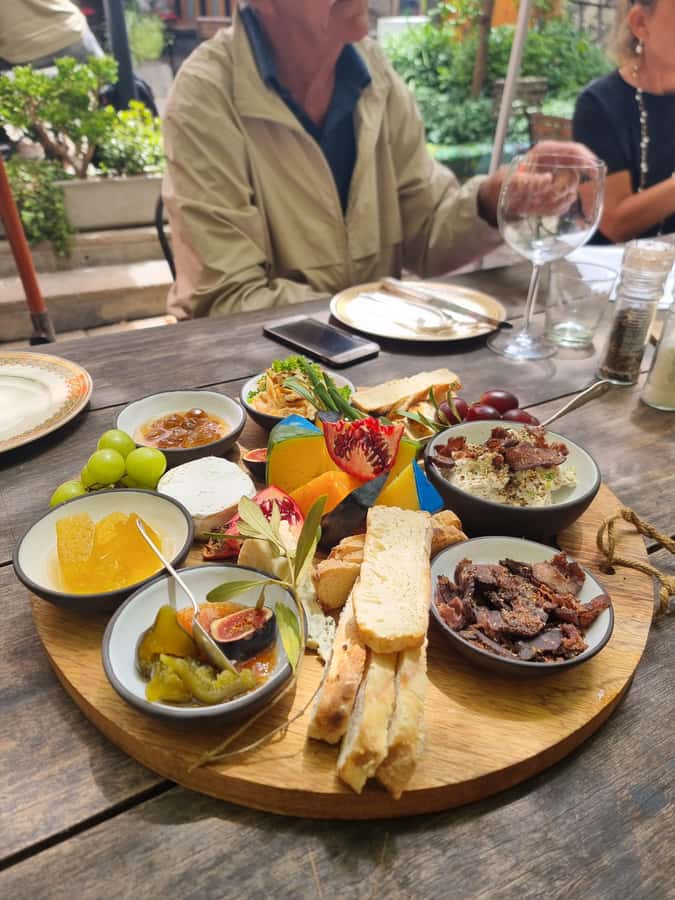
Cape Town’s food tells its story one mouthful at a time. This four-hour walk moves from the colorful Bo-Kaap into the City Bowl, mixing Cape Malay cooking with African and Afrikaans specialties, local sweets, rooibos, and even the chance to try mopane worms. The food is the route map, and every stop adds another piece of the city.
I like two things here. First, guides such as Brad Croukamp and Lindy do more than point out dishes. They explain how Cape Town’s past shaped what is served today. Second, the small group, capped at eight, gives the walk a personal feel and lets the guide adjust the food and conversation to the people in front of them.
The main consideration is the price: $155 per person is a serious spend for four hours, and drinks are extra. You are paying for a substantial set of tastings, a guide, and local context, not simply a series of cheap snacks. Arrive hungry, wear good shoes, and expect to walk between stops.
Key points to know before you book
- Bo-Kaap begins the story: Spend about 45 minutes among the area’s colorful homes while learning how Cape Malay traditions shaped local food.
- The City Bowl carries most of the tour: Around three hours are devoted to food stops, city streets, cultural explanations, and conversation.
- Expect a broad tasting list: Possible foods include samosas, curry, braai, spiced potatoes, chocolate, milk cake, rooibos tea, rusks, and mopane worms.
- Brad and Lindy set the tone: Both guides are praised for clear explanations, warmth, flexibility, and strong knowledge of Cape Town’s past and food.
- Eight people is the limit: This is a small-group experience, useful if you prefer questions and conversation over a large crowd.
- The finish may be botanical: Floral teas, rusks, indigenous plants, and a garden walk can provide a quieter end to the eating.
Why this food walk works as a first look at Cape Town

I like food walks because they give you a practical way to understand a city. Instead of treating Cape Town’s past and cooking as separate subjects, this tour links them. A spice blend, a pastry, or a tea becomes a reason to talk about migration, community, local plants, and the way different cultures meet in the city.
The route also gives you more than one version of Cape Town. Bo-Kaap introduces Cape Malay cooking and a neighborhood with a strong visual identity. The City Bowl then broadens the picture with African and Afrikaans dishes, local cafés, sweet treats, and food that may be unfamiliar to many international visitors.
That range is the strongest reason to book. You are not signing up for a single cuisine or one restaurant meal. You are sampling several styles in one afternoon, while a guide explains what you are eating and why it matters.
The experience has earned a 5 out of 5 rating from 32 reviews, and the praise is notably consistent around three areas: the guides, the variety of food, and the cultural explanations. I would treat that as a useful sign of reliability, though the exact food selection can change with the group and the places open on the day.
More food walks around the world:
- Reykjavik Food Walk – Local Foodie Adventure in Iceland
★ 5.0 · 18,952 reviews - New Orleans Food Walking Tour of the French Quarter with Small-Group Option
★ 5.0 · 6,118 reviews - Naples: Street Food Walking Tour with Local Guide
★ 4.9 · 4,976 reviews
Starting at Atlas Trading Company
The meeting point is at the entrance to the Heritage Square parking lot, with Atlas Trading Company listed as the starting and finishing point. You should plan to arrive with your phone ready and add the operator to WhatsApp, since that is specifically requested for communication.
The setting is central, and the tour begins in or near a coffee shop or parking area before moving onto Cape Town’s streets. This is a walking experience from the start, not a food tour conducted mainly from a vehicle.
The guide is part host, part interpreter. Brad has been praised for his engaging manner and clear explanations, while Lindy is described as warm, adaptable, and especially good at shaping the presentation around the group. Guide availability may vary, so you may meet one rather than the other.
Bo-Kaap: color, community, and Cape Malay cooking
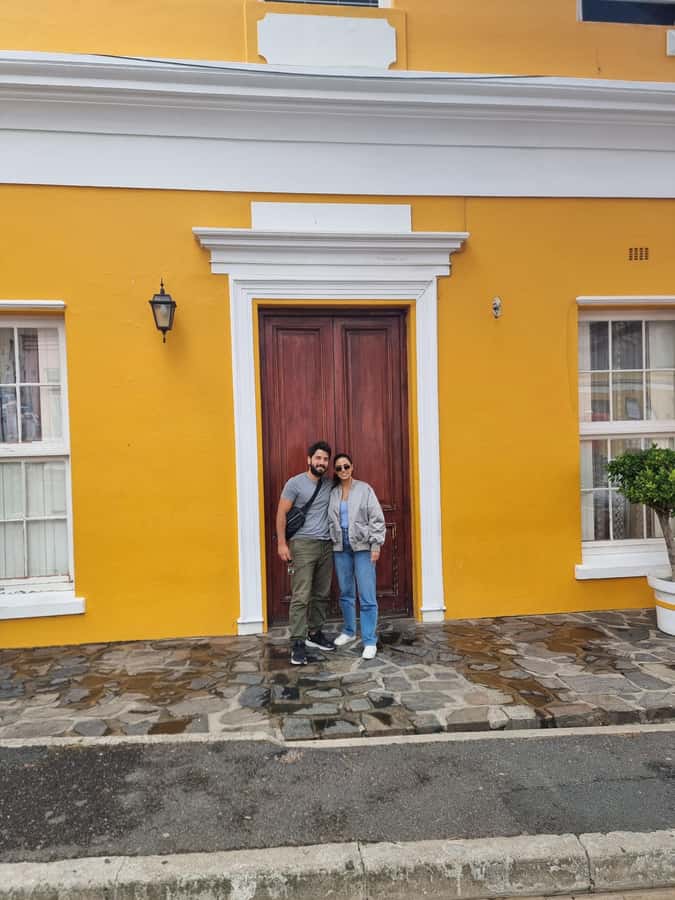
The Bo-Kaap portion lasts about 45 minutes. The brightly painted homes make an immediate impression, but the useful part of the stop is the explanation of the community and its food traditions.
Cape Malay cooking is one of the defining threads of the tour. You might encounter samosas, curry, spiced potatoes, or other dishes where seasoning does much of the talking. The guide connects these foods to Cape Town’s social and cultural past, so you get context instead of a quick label attached to a plate.
This is also a good place to ask questions. If you want to know why a dish tastes sweet, hot, fragrant, or earthy, a small group makes that conversation easy. The tour is designed around walking, talking, and eating, rather than rushing everyone through a fixed script.
Bo-Kaap is photogenic, but do not treat it as just a backdrop for food pictures. The value is in seeing how a neighborhood, its people, and its cooking are connected. The 45-minute visit gives you enough time to get an introduction without using up most of the afternoon before the tastings begin.
Three hours in the City Bowl
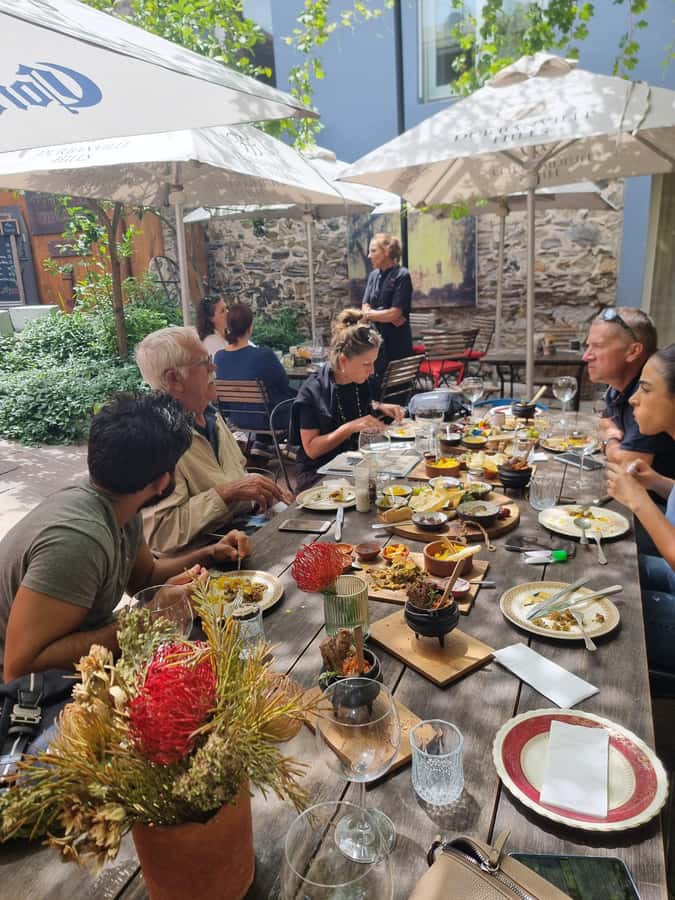
The City Bowl portion takes roughly three hours, so this is where most of the food and conversation happen. You walk through city streets and stop at local eateries and cafés that you might not locate on your own.
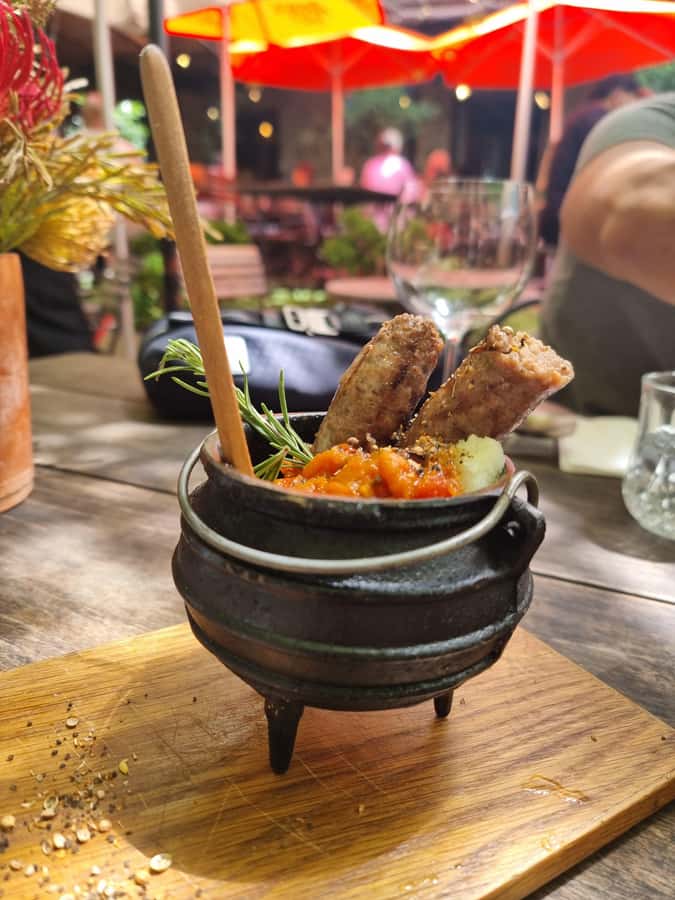
The exact sequence is not spelled out, which is sensible for a food walk. Menus, opening hours, seasonal ingredients, and group preferences can all affect the day. What is clear is the range: Cape Malay flavors appear alongside African and Afrikaans dishes, desserts, drinks, and familiar South African staples.
The food can include:
- Samosas and curry
- Braai
- Spiced potatoes
- Chocolate
- Milk cake
- Rooibos tea
- Rusks
- Mopane worms
That list gives you a better idea of the tour’s character than a promise of one signature dish. Some tastings are easy introductions, while others ask you to try something you may never have ordered alone. Mopane worms are the clearest example. They are unusual for many visitors, but the guide provides a chance to approach them as part of the food culture rather than as a stunt.
You should not assume every item appears on every departure. The operator describes the experience by its culinary range, while individual accounts note that guides may adapt choices to suit the group. If you have strong dietary restrictions, ask before booking because the available information does not specify dietary substitutions.
A few more food tours around the world worth comparing
- Little Havana Food and Walking Tour in Miami
★ 5.0 · 8,882 reviews - Greek Food Walking Tour in Athens
★ 5.0 · 4,740 reviews - Barcelona: Tapas Walking Tour with Food, Wine, and History
★ 4.8 · 4,261 reviews - Lisbon: Food and Wine Small Group Walking Tour
★ 4.9 · 4,082 reviews
The value of meeting local food makers
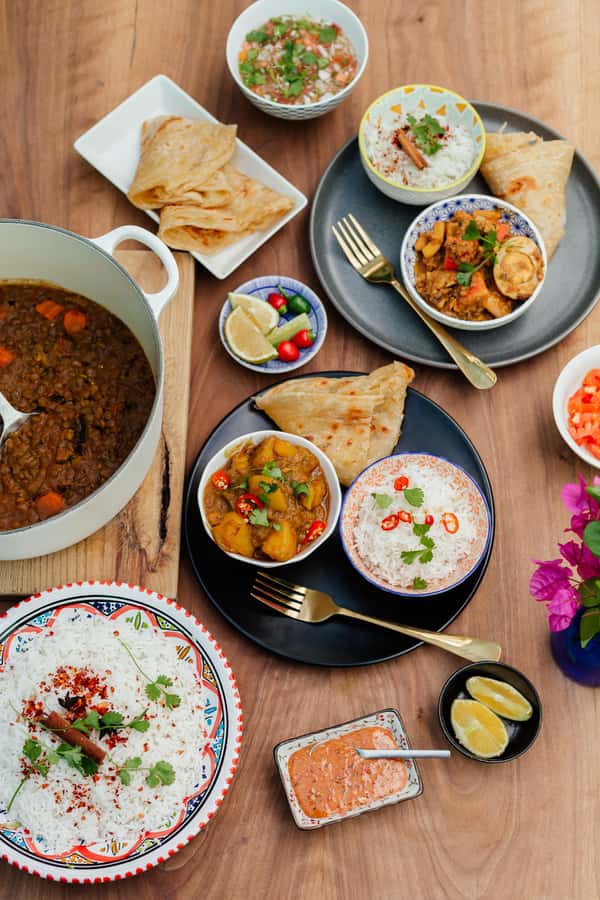
A key strength is the use of multiple eateries rather than one formal restaurant. Each stop can show a different side of Cape Town’s cooking, and the setting keeps the food connected to the streets around you.
The guide also helps you notice things that are easy to miss. A dish may look simple, but its ingredients, preparation, or place in family cooking can point to a much larger story. That explanation is what turns a snack into a useful travel memory.
I especially like the way the tour lets the guide adjust the presentation. Lindy has been praised for learning about the people in the group and changing her explanations accordingly. Brad has received similar praise for being communicative, gracious, and willing to spend time on questions.
That flexibility matters. A first-time visitor may need help with basic food terms, while someone who has already spent time in South Africa may want more detail about regional differences. In a group of eight, those two kinds of questions can coexist without the experience becoming unwieldy.
Rooibos, fynbos, and the quieter finish
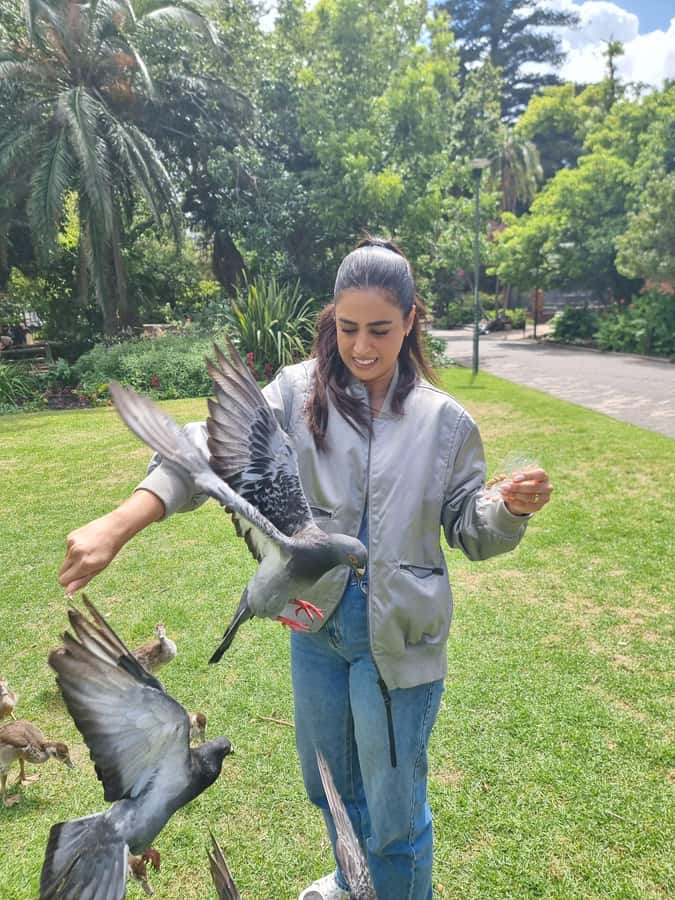
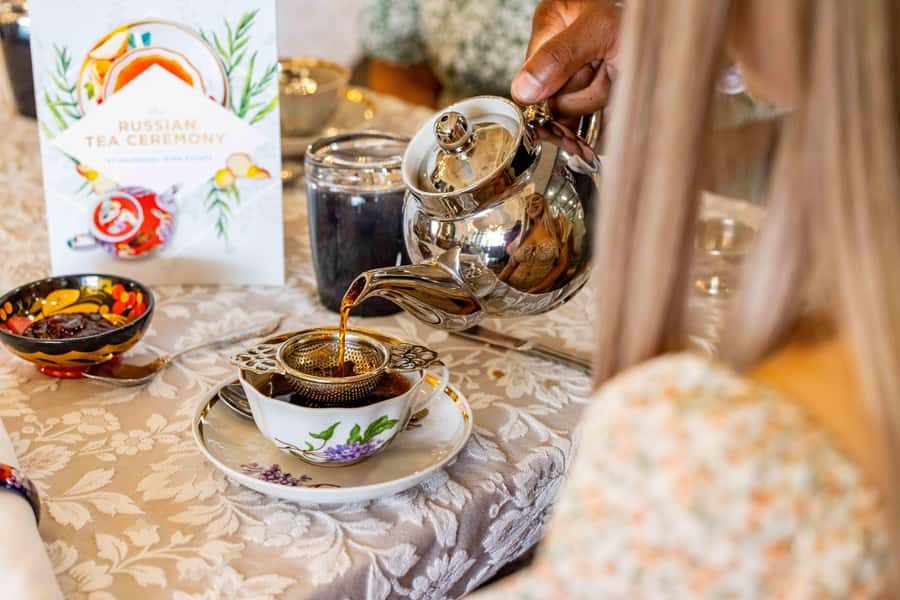
The tour is not limited to rich food and strong spice. Part of the experience introduces the natural plants of the Cape through floral teas, rooibos, and rusks. The emphasis is on indigenous plants and their distinctive tastes, including their traditional or healing associations.
This gives the afternoon a useful change of pace. After several savory stops, a tea and rusk can feel less like another course and more like a chance to pause. A garden walk has also been described as a pleasant way to finish the route.
Rooibos is familiar in many parts of the world, but tasting it in a Cape Town food setting gives it a stronger sense of place. The same goes for fynbos-related flavors. You are not simply being handed a local product; you are being shown how the region’s plant life enters everyday food and drink.
The garden section will appeal most if you enjoy food with a connection to nature. If you want four hours of restaurant hopping with no pauses, this slower ending may feel less exciting. I see it as a useful balance to the heavier tastings.
How much food should you expect?
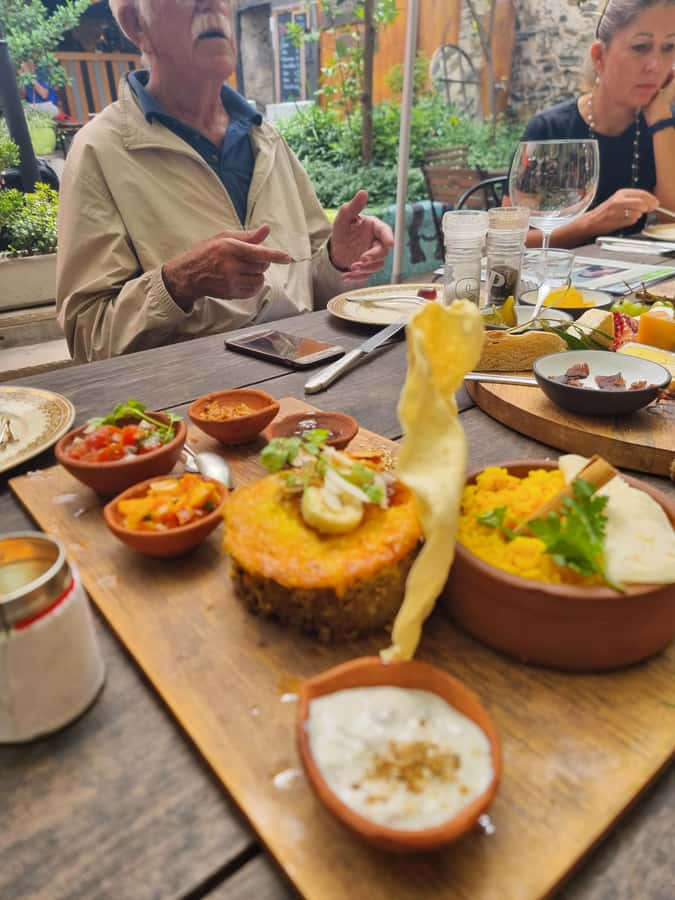
You should arrive hungry. The experience includes all food tastings, and the available descriptions suggest that the portions are varied and plentiful enough to function as a substantial meal for many people.
This is important when judging the $155 price. You are not paying only for a snack-sized sample and a short neighborhood stroll. You receive several tastings, water, and four hours of guiding. The price still sits at the premium end for a walking food tour, but the value improves if you count it as lunch, cultural orientation, and an introduction to places you might otherwise miss.
Drinks are not included, so budget extra if you want beverages beyond the included water and tastings. The tour may include rooibos or another sampled drink, but the inclusions do not cover general drinks purchased along the way.
The best comparison is not with a cheap self-guided lunch. Compare it with the cost of finding several local eateries, ordering enough dishes to sample this range, and paying for a guide who can explain the food and the city. If you already have a detailed food plan and prefer independent eating, $155 may feel high. If you want a structured introduction, the package is easier to justify.
Walking, weather, and comfort
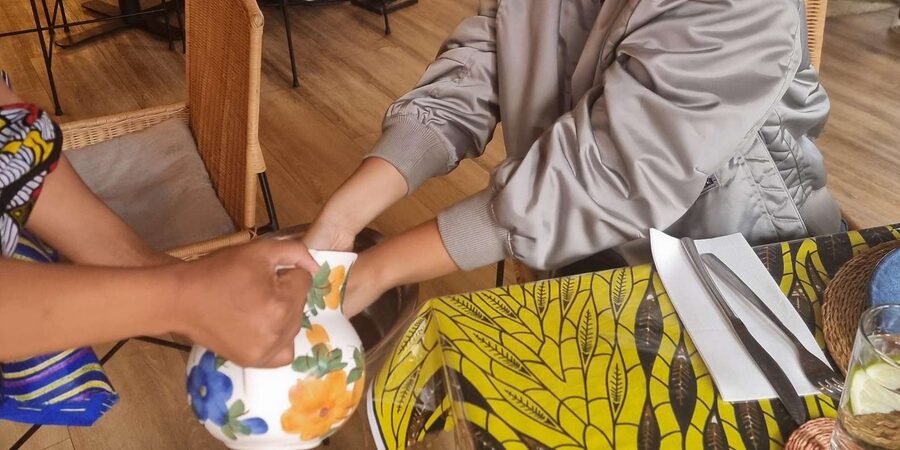
Wear comfortable shoes. The route covers city streets and lasts four hours, so even a relaxed pace requires steady walking between stops.
A hat and sunscreen are also recommended. Cape Town weather can shift, and one account describes the guide finding dry places and keeping the group entertained when rain arrived. Still, you should dress for time outdoors rather than assuming every tasting happens inside.
The tour is listed as wheelchair accessible, which is useful information when planning. Because the route uses public streets and multiple food stops, you should still contact the operator in advance with specific mobility needs and use WhatsApp to confirm the day’s arrangements.
The pace appears designed to be manageable rather than hurried. That suits a food tour. You need time to eat, listen, ask questions, and move safely through the city. Families with older children and teenagers may also find the format workable. A 17-year-old and a 19-year-old were reported to have enjoyed the variety, which suggests the food and stories can hold the attention of more than just dedicated food fans.
Who will get the most from this tour?
This is a strong choice if you want your first Cape Town food experience to include history and local culture. It suits curious eaters who are happy to try familiar dishes alongside less familiar ones.
I would also recommend it to:
- First-time visitors who want a useful city orientation
- Couples or families who prefer a small group
- People who enjoy asking guides questions
- Food lovers interested in Cape Malay, African, and Afrikaans cooking
- Visitors who want local cafés and eateries rather than a single polished restaurant
- Anyone who likes learning about plants, tea, and regional ingredients
It may be less suitable if you want a tightly specified menu. The tour’s appeal comes from variety and adaptation, so you should not book expecting a fixed tasting list with exact portion sizes.
It is also not the right fit for someone who dislikes walking or wants a seated meal from start to finish. Four hours on city streets is part of the experience, not a minor detail.
Booking, cancellation, and group size
The group is limited to eight participants, a helpful cap for a guide-led food walk. Small groups make it easier to hear explanations, share a table, and ask about unfamiliar dishes.
The activity is conducted in English. You can cancel up to 24 hours in advance for a full refund, and the reserve-now, pay-later option lets you hold a place without paying on the day of booking.
Starting times vary, so check availability when choosing your date. The tour returns to Atlas Trading Company, which makes the route easier to manage than an experience that finishes across town.
Should you book the Cape Town culinary walking tour?
Book it if you want food plus explanation, not just a meal. The strongest part is the combination of Bo-Kaap, City Bowl eateries, varied tastings, and guides such as Brad or Lindy who can connect each dish to Cape Town’s people and past.
The $155 cost is worth considering carefully. It makes the most sense if you value a full four-hour experience, expect enough food for a substantial lunch, and want a guide to lead you to places you might not find alone. Drinks cost extra, and the exact menu may shift.
I would choose this tour early in a Cape Town stay. It gives you food ideas for later meals, helps you understand the city’s different communities, and gives you a more informed way to read local menus. Come hungry, wear sensible shoes, and keep an open mind about the mopane worms.
FAQ
Where does the Cape Town culinary walking tour start?
The meeting point is at the entrance to the Heritage Square parking lot, with Atlas Trading Company listed as the starting point.
How long does the tour last?
The experience lasts four hours. The Bo-Kaap visit takes about 45 minutes, while the City Bowl portion takes about three hours.
Where does the tour finish?
The tour returns to Atlas Trading Company.
What food is included?
All food tastings are included. Possible tastings include samosas, braai, curry, spiced potatoes, chocolate, milk cake, rooibos tea, rusks, and mopane worms.
Are drinks included?
Water is included, but general drinks are not. Some tastings may include tea or other beverages, depending on the food stops.
What language is the tour conducted in?
The live guide conducts the tour in English.
How many people are in the group?
The tour is limited to eight participants.
Is the tour wheelchair accessible?
Yes, the activity is listed as wheelchair accessible. You should still contact the operator in advance about specific access needs because the tour uses city streets and several food stops.
Just added around the world
- Milan: Street Food Walking Tour★ 4.7 · 180 reviews
- Milan’s Full-Meal Gourmet Food Tour – More Than Tastings★ 4.8 · 81 reviews
- Kolkata Midtown Madness- A Street Food & Nightlife Tour★ 4.9 · 49 reviews
- Milan: Delicious Food Tour and City Center Sightseeing★ 4.8 · 111 reviews
- Mexico City: Authentic Downtown Food Tour★ 4.9 · 260 reviews
- Miami: Intimate Sailing in Biscayne Bay w/ Food and Drinks★ 4.7 · 34 reviews
- Mexico City: Vegan and Vegetarian Street Food Adventure★ 4.8 · 65 reviews
- Mexico City: Mystic Markets La Merced & Sonora Culinary Tour★ 4.9 · 301 reviews
Food Tours in South Africa, compared.

Cape Town: Full-Day Winelands Tour with Wine Tastings & Food
Read our review →
Hartbeespoort: 2-Hour Dam Cruise with South African Food
Read our review →

Johannesburg: Local Food Tasting Guided Walking Tour
Read our review →
Hartbeespoort Dam: The Luxury Alba Boat Cruise with Food
Read our review →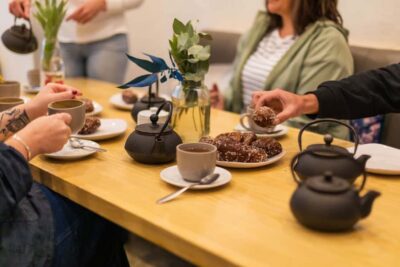
Browse the lists this tour appears in