
REVIEW · SAN FRANCISCO
San Francisco: Chinatown Culinary Walking Tour
San Francisco’s Chinatown is best understood one bite and one side street at a time. This three-hour walking tour takes you beyond the main signs on Grant Avenue, into food markets, tea shops, alleys, bakeries, and tucked-away cultural sites. You may watch fortune cookies being shaped by hand, taste dim sum at the city’s oldest Chinese bakery of its kind, and step inside a fourth-floor Buddhist temple.
I especially like the large amount of food and the way the tour links each taste to Chinatown’s shops, customs, and people. I also like the guides’ local feel. Andre, Brian, Scott, Isabella, and Cynthia are among the guides praised for their warmth, stories, and care with dietary needs. The main drawback is the brisk pace. You cover a lot of ground, sometimes quickly, and you may want to return later to shops that catch your eye.
Key points at a glance
- A full three hours of tasting: Expect dim sum, pastries, fortune cookies, tea, and other Chinese specialties. Several people found the portions large enough to replace a meal.
- More than a food tour: The walk includes Chinatown history, Chinese herbs, tea culture, crafts, pottery, ritual objects, and a Buddhist temple.
- Side streets matter: The route moves beyond Grant Avenue and Stockton Street into alleys and less obvious corners.
- Guides shape the experience: Andre, Brian, Scott, Isabella, and Cynthia are noted for lively storytelling and attention to food preferences.
- Come very hungry: The tasting portions are ample, so eat lightly beforehand and wear comfortable shoes.
- Good value at $84: Food and drinks are included, along with three hours of guiding and several sit-down tastings.
Starting at the Chinatown Gate on Bush Street
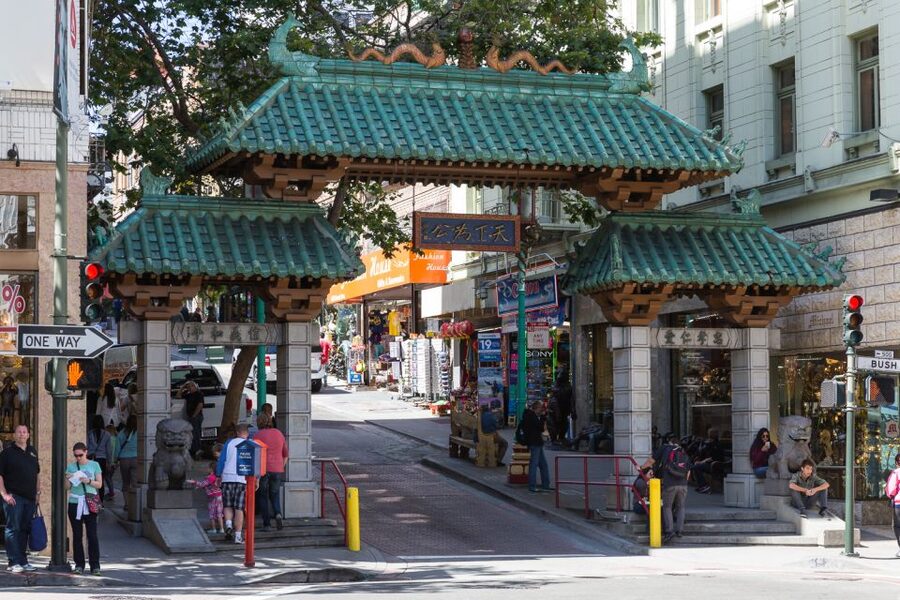
Meet your guide in front of the Chinatown Gate at the corner of Bush and Grant streets. This is an easy central starting point, but the real value begins when the group turns away from the familiar gateway and starts reading the neighborhood through its food and shopfronts.
I like this kind of beginning because you do not waste the first part of the tour on a long transfer. You are on foot from the start, moving through the district at street level and seeing how Chinatown works as a living neighborhood rather than as a string of photo stops.
The tour is conducted in English with a live guide. Guides vary by departure, but names that come up often include Andre, Brian, Scott, Isabella, and Cynthia. Their styles differ. Some are quick and energetic, while others spend more time unpacking the history of a shop, ingredient, or custom. The common thread is a personal approach and strong familiarity with the area.
Expect a small-group feel, though the exact group size can vary. One especially intimate outing had only three people, allowing the guide to adjust the explanations and food choices closely. The group walks at a steady pace, so stay near the guide and be ready to pause, listen, then move on.
More Food Tours in San Francisco
- Chinatown & North BeachLittle Italy: 7 Tastings & History
★ 5.0 · 1,070 reviews - North Beach & Little Italy Walking Tour: Food, History & Flavor
★ 5.0 · 1,044 reviews - San Francisco Authentic Food Tour with 5 Locals Favorites Dishes
★ 5.0 · 852 reviews
Markets, produce, herbs, and the everyday Chinatown
A major strength of this experience is the attention to ordinary food shopping. You pass markets filled with unfamiliar produce and goods, then learn how local vendors use Chinese herbs and teas. This gives you a better handle on Chinatown than a quick restaurant meal would.
The produce may look exotic if you do not cook Chinese food at home. Instead of simply pointing at it, the guide explains what you are seeing and helps place it in a wider food tradition. The same goes for herbs. A shop visit can turn a wall of dried roots, leaves, and other ingredients into something less mysterious.
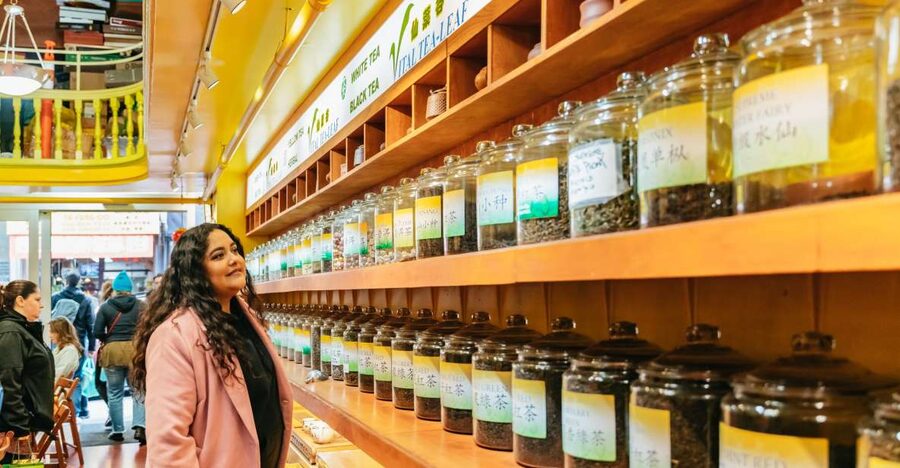
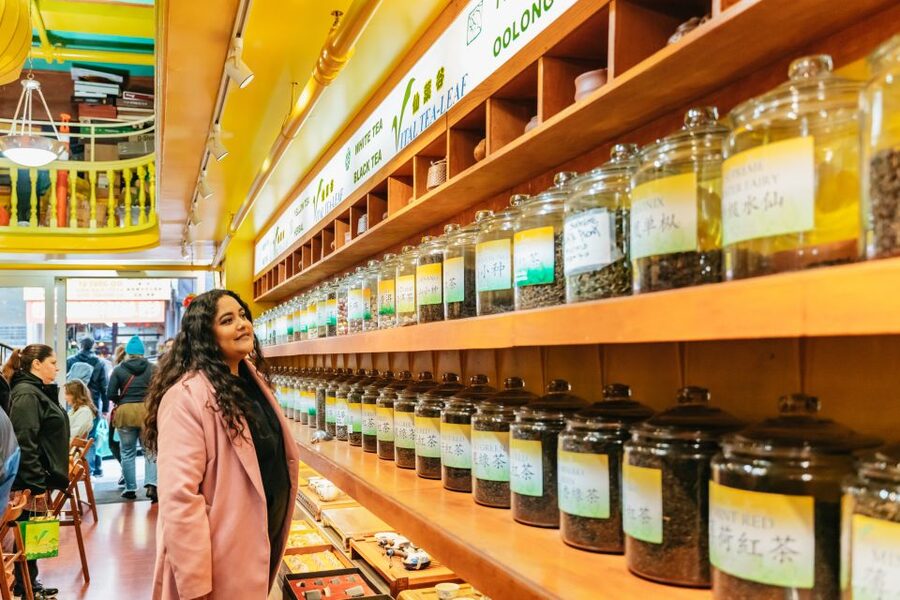
The tea portion is one of the most useful stops. You taste aromatic teas and learn about the wide range available from local sellers. This is not just a drink break. It gives you a chance to ask questions, compare flavors, and understand why a specialty tea shop feels different from a standard café.
Several guides have made this stop a highlight, including Isabella, whose tea presentation was singled out as a favorite, and Scott, whose route included a particularly enjoyable tea tasting. You might leave with ideas for a later purchase, though shopping is not required.
The markets can feel crowded, and the sidewalks are not always ideal for lingering. That is part of the setting, but it also explains why the pace can feel quick. If you want time to study every ingredient or browse every shelf, treat the tour as an introduction and return on your own.
Fortune cookies made by hand
The fortune-cookie stop adds a bit of theater to the walk. You can watch the cookies being made by hand, then taste them fresh. Seeing the process matters because fortune cookies are so familiar to many diners that it is easy to forget they are crafted products, not just something that appears beside a restaurant check.
This is also a good example of the tour’s balance. The food is fun, but the guide uses it to discuss how Chinese American food traditions developed and how certain items became linked with San Francisco. You get a snack, a short demonstration, and a cultural detail you might otherwise miss.
The tour also includes authentic fortune-cookie tastings. They are small, but by this point you may already have sampled several other items. Save room. The repeated advice to arrive hungry is not polite wording. The total amount adds up fast.
Pastries, dim sum, and the oldest Chinese bakery of its kind
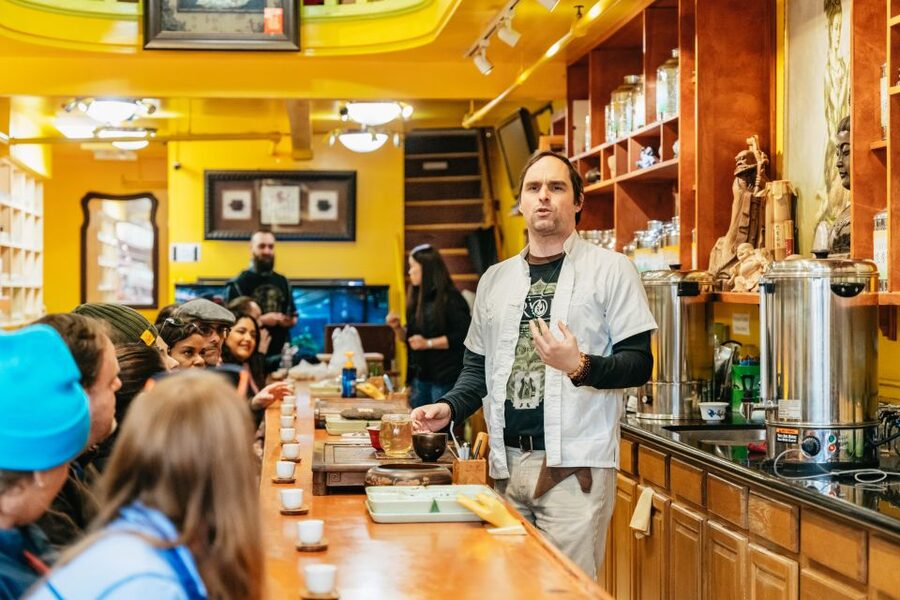
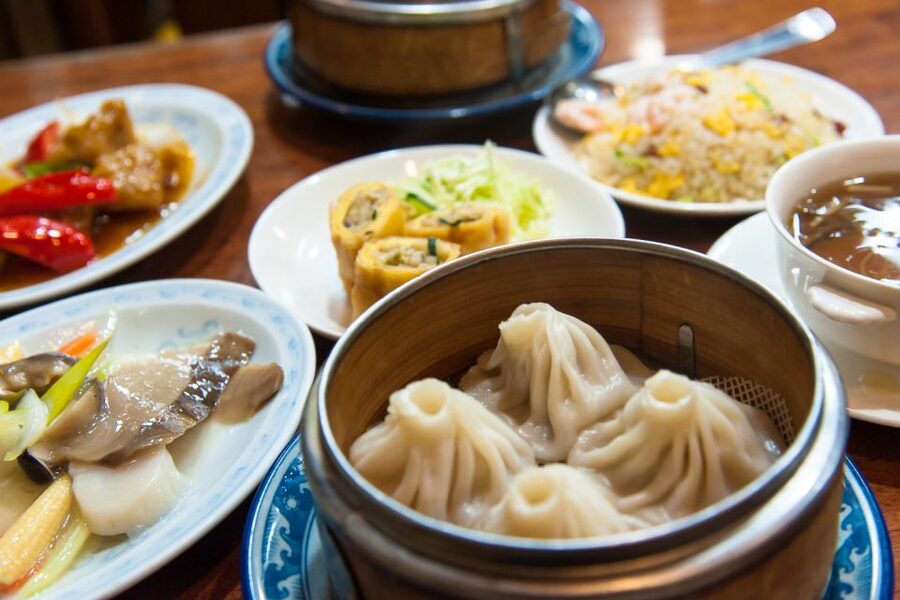
Food is the center of the experience, and the tastings are more substantial than the usual sample-sized bites. Depending on the route and the day, you may try onion buns, pork rolls, moon cake, pastries, dim sum, and other Chinese specialties. The exact selection can vary, but the pattern is clear: this is a food-heavy walk, not a history lecture with one token snack.
The bakery visit is especially appealing. You taste dim sum at the oldest Chinese bakery of its kind in San Francisco, then continue with other sweet and savory items. The setting gives the food context, while the guide helps you notice what you are eating rather than rushing through it.
Two sit-down meals are also part of the reported tasting pattern on one route, along with pastries and tea. That makes the $84 price easier to assess. You are not paying only for three hours of walking. You are also covering all food and drink tastings, several restaurant or bakery visits, and access to a guide who handles the sequence for you.
The tradeoff is appetite and personal preference. If you eat a large breakfast or lunch first, you may struggle by the final stops. Some people could not finish everything. Plan this as a main meal for the day, not as a light snack tour.
Dietary needs deserve a quick note. Guides have made efforts to accommodate vegetarian choices, no-pork preferences, gluten-free needs, allergies, and fussy eaters. Still, the available alternatives may depend on the food stops and the day, so tell the operator or guide about your needs before eating. Do not assume every tasting can be altered.
More food walks around the USA:
- New Orleans Food Walking Tour of the French Quarter with Small-Group Option
★ 5.0 · 6,118 reviews - Savannah First Squares Culinary & Cultural Walking Food Tour
★ 5.0 · 3,229 reviews - Historic Ybor City Food Walking Tour
★ 5.0 · 2,210 reviews - Southern & Secret Walking Food Tour
★ 4.5 · 1,413 reviews
Alleys, cookware, crafts, and old objects
Chinatown’s most interesting details often sit just off the main route. The guide leads you through alleys and side streets where traditional techniques are still practiced. You may see authentic cookware, pottery, crafts, statuettes, ritual objects, and antiquities.
I like this part because it turns the walk into a visual lesson. A shop selling kitchen tools tells you something different from a tea merchant or food market. Ritual objects and old statuary add another layer, especially when the guide explains what they are used for or why they matter.
Do not expect a long shopping session. The tour is moving, and shop time is tied to the route. If a particular piece of cookware or craft catches your attention, note the location and return later. You will have more freedom to browse once the guided portion is finished.
The route can also cross into nearby parts of the city, including Little Italy. One guide used the surrounding area to explain more about San Francisco and the relationship between nearby neighborhoods. The tour is centered on Chinatown, but it is not limited to a single postcard view of it.
A cathedral and a fourth-floor Buddhist temple
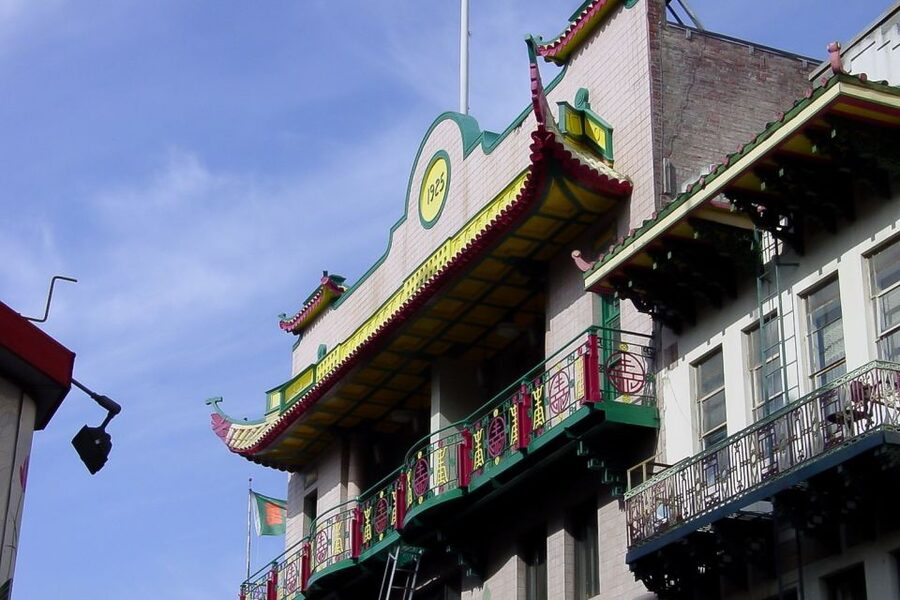
The cultural stops help keep the tour from becoming a series of restaurant visits. You may enter one of the city’s older cathedrals and look inside a Buddhist temple tucked away on a fourth floor. That temple is the sort of place many people would not find without someone who knows the neighborhood well.
The Buddhist temple is particularly useful for understanding Chinatown’s vertical character. From the street, you see signs, groceries, restaurants, and storefronts. Upstairs, the mood changes. The visit gives the walk a quieter pause and reminds you that religious and community spaces can be easy to miss in a dense district.
Be respectful inside both religious sites. Listen to the guide’s instructions, keep your voice low, and do not treat the temple as a simple photo opportunity. The tour presents these places as part of the neighborhood, not as decorative backdrops.
The route’s cultural range is one reason I would suggest this to first-time visitors. You get food, shopping streets, religion, local history, and city context in one half-day outing. If your main goal is a slow spiritual visit or a long museum stop, this is not that kind of tour. The stops are meaningful, but they fit into a moving itinerary.
What the pace is really like
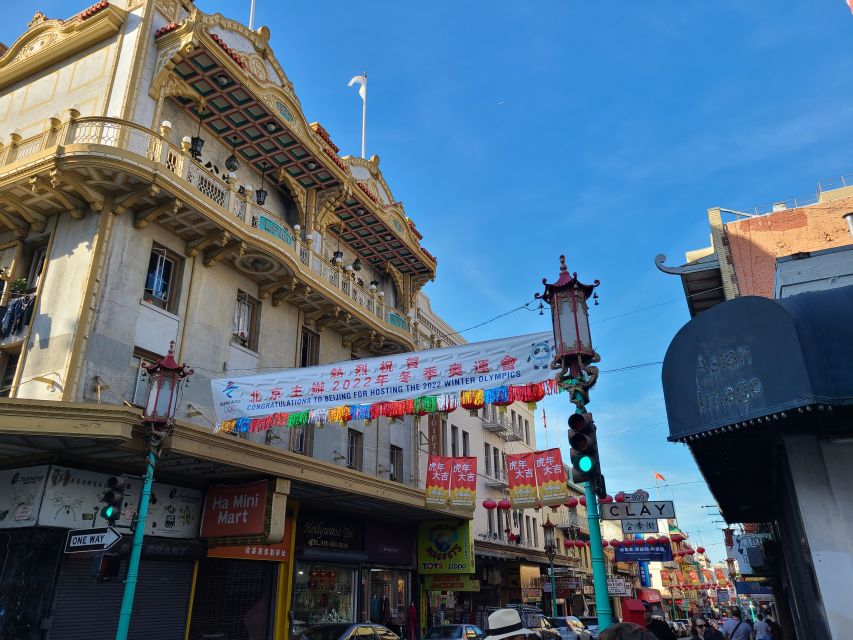
Three hours sounds relaxed, but the tour covers a lot. One person found the guide fast in both walking and speaking, while still appreciating how much territory the group covered. That is a fair warning.
You should be comfortable walking continuously, standing at food counters, entering shops, and keeping up between stops. Comfortable shoes are essential. The route includes ordinary city streets, and the food may make you want a break, but the tour is designed to keep moving.
I would not schedule a demanding attraction immediately afterward. Leave yourself breathing room, especially if you want to return to a tea shop or bakery. The quick pace is useful for seeing many sides of Chinatown, but it limits the time available at each one.
The format works best for curious eaters who enjoy learning while walking. It is also a smart first activity in San Francisco because the guide can help you get your bearings before you return to Chinatown independently.
Is $84 a fair price?
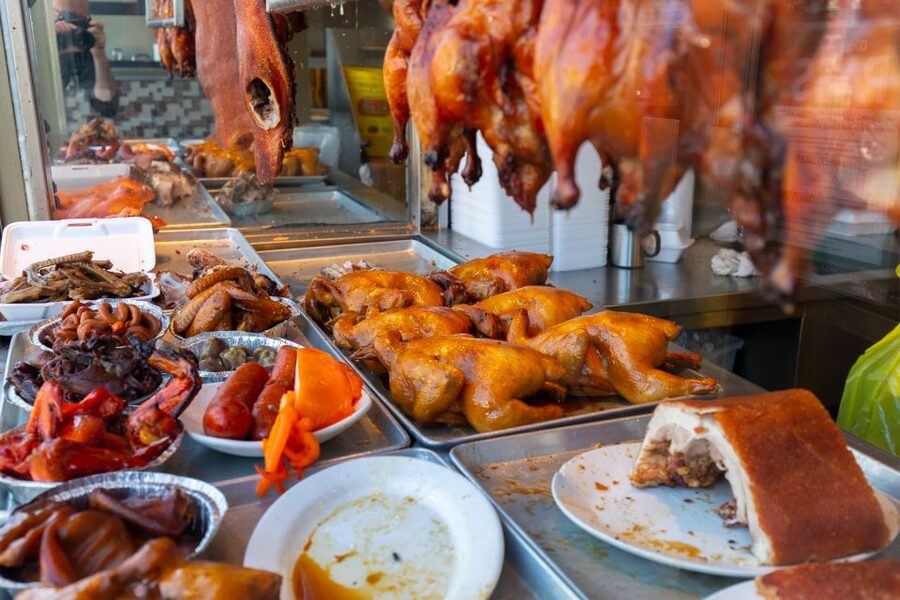
At $84 per person, this is not the cheapest way to grab lunch in Chinatown. It can be good value if you take advantage of the full package: three hours, a live guide, multiple tastings, tea, dim sum, bakery items, cultural stops, and access to places you might skip alone.
The food quantity is a major factor. The tasting list can include onion buns, pork rolls, moon cake, pastries, fortune cookies, tea, dim sum, and two sit-down meals. Exact items may vary, but you should expect enough food to feel full.
You also save the time and guesswork of choosing where to eat. A first-time visitor could easily spend $84 across several small meals, especially after ordering unfamiliar dishes one at a time. The tour lets you sample broadly without committing to a full dish at every stop.
The value is weaker for someone who already knows Chinatown well and mainly wants a quiet meal. It is also less suited to anyone who dislikes walking, eats very little, or wants complete control over restaurant choices. For most first-time visitors who enjoy food and local stories, the combination is strong.
The tour offers free cancellation up to 24 hours before departure, and you can reserve now and pay later. Starting times vary, so check availability when booking. These terms make it easier to fit the walk into a changing San Francisco schedule.
Who should book this Chinatown food walk?
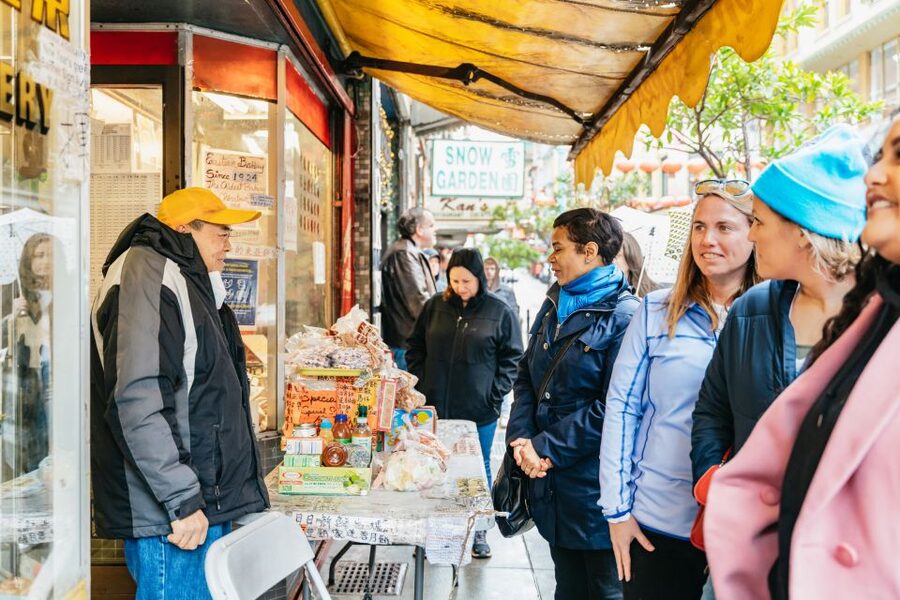
I would recommend it to first-time visitors, food-focused couples, small groups, and anyone who wants more than a list of restaurant names. It is also a good choice for locals who have visited Chinatown but never explored its alleys, tea shops, markets, or religious spaces.
Families with older children may enjoy the hands-on food and fortune-cookie stop, though everyone should be ready for three hours on foot. People with dietary restrictions should raise them early, since guides have shown care with alternatives but cannot promise every item will suit every diet.
You should skip it if you prefer a slow, self-guided afternoon with long shopping stops. The pace is purposeful, and the tasting schedule leaves little room for wandering off.
FAQ
Where does the San Francisco Chinatown Culinary Walking Tour meet?
Meet in front of the Chinatown Gate at the corner of Bush and Grant streets.
How long does the tour last?
The tour lasts three hours. Starting times vary, so check availability for your chosen date.
What food and drinks are included?
All food and drink tastings are included. Tastings can include dim sum, pastries, fortune cookies, Chinese tea, and other specialties. The exact selection may vary.
Should I eat before the tour?
Eat lightly beforehand. The tasting portions are ample, and the tour can include enough food to replace a meal.
Is the tour offered in English?
Yes. The tour has a live English-speaking guide.
What should I bring?
Bring comfortable shoes for walking. You should also share dietary needs or food restrictions with the guide before the tasting begins.
Should you book it?
Book this tour if you want Chinatown explained through its food, shops, alleys, and community spaces rather than viewed from Grant Avenue alone. The generous tastings, tea stop, hand-made fortune cookies, Buddhist temple, and engaging guides such as Andre, Brian, Scott, Isabella, and Cynthia give you a useful first look at the district.
The main caution is the pace. Come hungry, wear good shoes, and expect a full three hours of walking and eating. If that sounds like a good afternoon in San Francisco, the $84 price is justified.
More Walking Tours in the USA
- Little Havana Food and Walking Tour in Miami
★ 5.0 · 8,882 reviews - Chicago Favorites Ultimate Food and Walking Tour
★ 5.0 · 1,962 reviews - Southernmost Food & Cultural Walking Tour by Key West Food Tours
★ 5.0 · 1,730 reviews - Southern Flavors Food, Pub Crawl, and History Walking Tour
★ 4.5 · 1,623 reviews
Just added around the USA
- Miami: Intimate Sailing in Biscayne Bay w/ Food and Drinks★ 4.7 · 34 reviews
- Miami: Little Havana Cuban Food and Culture Walking Tour★ 4.8 · 223 reviews
- Los Angeles: Downtown Food Tour★ 4.6 · 43 reviews
- Las Vegas: Foodie Walking Tour on The Strip with Tastings★ 5.0 · 24 reviews
- Key West: Schooner Sunset Sail with Food & Drinks★ 4.9 · 318 reviews
- Key West: Cuban and Caribbean Food and Cultural Walking Tour★ 4.9 · 128 reviews
- Key West Signature Sunset Cruise with Open Bar, Food & Music★ 4.5 · 418 reviews
- Kauai: Local Tastes Small Group Food Tour★ 4.4 · 125 reviews
Food Tours in San Francisco, compared.
Chinatown & North BeachLittle Italy: 7 Tastings & History
Read our review →
North Beach & Little Italy Walking Tour: Food, History & Flavor
Read our review →
San Francisco Authentic Food Tour with 5 Locals Favorites Dishes
Read our review →
Browse the lists this tour appears in