
REVIEW · LISBON
Lisbon Awakens: A Culinary Crossroads, Reborn.
Lisbon Awakens is less a quick tasting walk than a half-day lesson in how Portugal’s past reached the plate. You move through Estrela and Campo de Ourique, stopping for pastries, coffee, wine, spirits, market bites, and traditional food while your guide explains the role of exploration, trade, churches, convents, and former colonies in shaping Portuguese cooking.
I like two things especially: the small maximum of seven people, which keeps the walk personal, and the way food is tied to place rather than served as a string of disconnected samples. Guides including Kika, Inês, Gisela, Laura, Celia, and Martim have been praised for making history clear and entertaining.
The main drawback is simple: this is a long food walk with enough tasting to replace a meal, and sometimes more than one. Come hungry, wear comfortable shoes, and tell the company about allergies or dietary restrictions before you arrive. The tour costs $150, so it makes the most sense if you value both the food and the local background.
Key things to know before you book
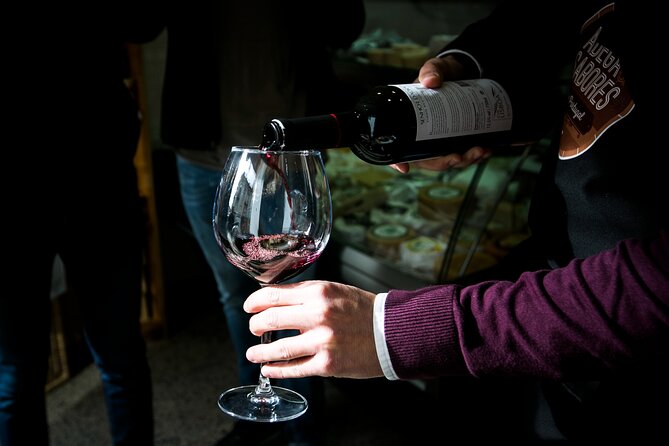
- Eight or more tasting moments may fill the afternoon: Coffee, sweets, wine, spirits, savory food, and market samples can add up to a generous meal.
- The group stays very small: The maximum is seven people, useful if you want to ask questions or need help with food preferences.
- The setting is local Estrela and Campo de Ourique: You’ll spend time away from Lisbon’s most obvious sightseeing circuit.
- The guide makes or breaks the experience: Kika, Inês, Gisela, Laura, Celia, and other local guides have led this walk.
- Book it early in your stay if possible: The food and neighborhood advice can help shape the rest of your time in Lisbon.
- Plan for about five and a half hours: The meeting point and return point are Jardim da Estrela, near public transportation.
Why this Lisbon food walk feels different
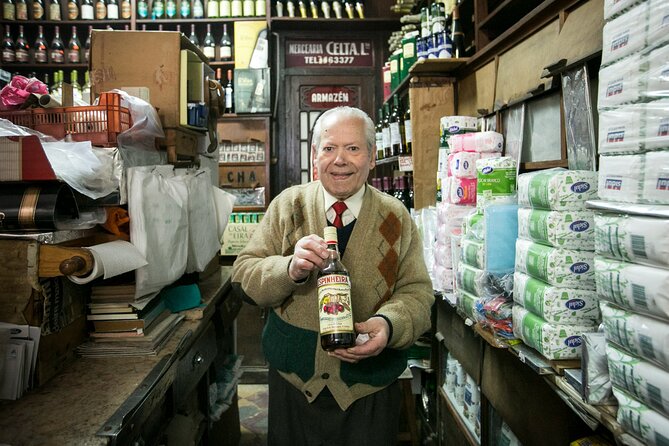
Many food tours rush between famous sights and squeeze in a few bites. This one takes a slower neighborhood route through Estrela and Campo de Ourique, where food shops, a small market, churches, gardens, and local restaurants become part of one connected story.
The central idea is that Portuguese cuisine did not develop in isolation. Spices, coffee, sugar, fish, wine, and cooking traditions reflect Portugal’s long connections with other parts of the world. A good guide helps you see those links without turning the walk into a classroom lecture.
That balance is the tour’s strongest feature. You are eating often, but you are also learning why a food matters, where it fits in Portuguese life, and how Lisbon’s neighborhoods have changed. Several guides have a teaching background or a strong local connection, and that comes through in the way the stories are presented.
I especially like the small-group format. With no more than seven people, the guide can answer questions, watch for dietary needs, and adjust the conversation to the group. You are not standing at the back of a large crowd while a guide points toward a plate.
More Food Tours in Lisbon
- Winner 2025 Undiscovered Lisbon Food & Wine Tour by Eating Europe
★ 5.0 · 6,390 reviews - Lisbon: Food and Wine Small Group Walking Tour
★ 4.9 · 4,082 reviews - Lisbon Small-Group Portuguese Food and Wine Tour
★ 5.0 · 3,972 reviews
Starting at Jardim da Estrela and the Basilica
The walk begins at Jardim da Estrela, a pleasant and practical meeting point at Praça da Estrela. The tour returns here at the end, so you do not need to work out a second pickup location across town.
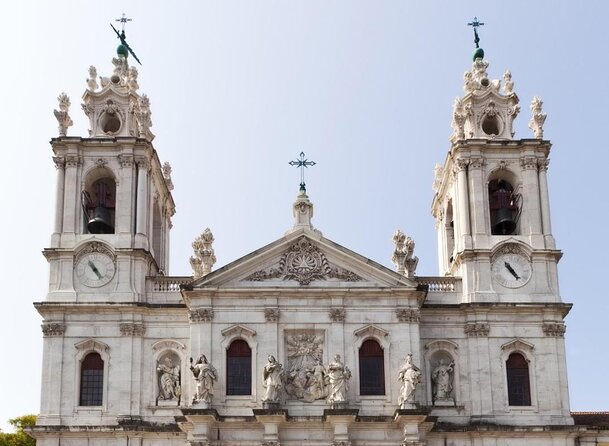
The first part focuses on the Basilica da Estrela and the food stories connected to churches, convents, pastries, and spices. This is a smart opening because Portuguese sweets are often tied to religious institutions and older culinary customs. Instead of treating a pastry as just a snack, your guide places it within the country’s wider story.
The basilica also gives the walk an architectural and historical anchor. You are not simply moving from café to café. The buildings and public spaces help explain the setting in which Lisbon’s food culture developed.
Depending on the guide and the day’s arrangements, the early food may include coffee and a sweet breakfast item. One guide-led group began with espresso and banana bread before moving on to more substantial food. That gives you an idea of the tour’s rhythm: small tastes appear early, then the meal builds as the walk continues.
Arrive ready to eat. The strongest advice from the experience is to skip a large breakfast. You do not need to arrive starving, but a full meal beforehand will make the later tastings harder to enjoy.
Campo de Ourique Market and the local food network
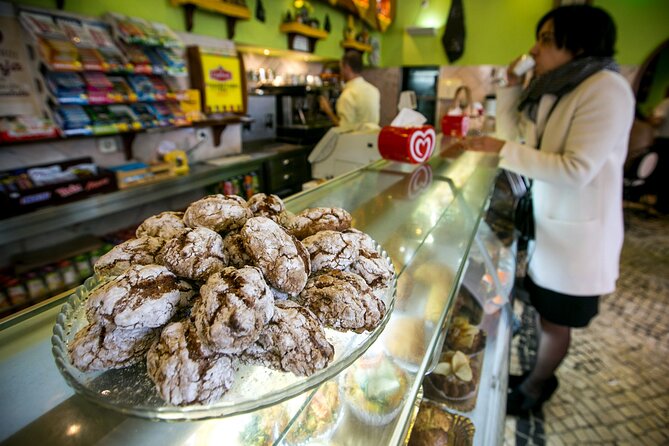
The Mercado de Campo de Ourique receives about 45 minutes, but the stop can feel larger than the clock suggests. Campo de Ourique is known for traditional food shops, and its market brings several types of local eating into one compact place.
Here, you might move between stalls and sample products while your guide explains how the market fits into neighborhood life. One part of the experience includes meeting someone at the market who shares samples, with time to browse and buy small snacks to take home.
This stop is valuable because it gives you a look at food as an everyday activity, not just a restaurant performance. Markets show what people buy, how local shops serve their neighborhoods, and how older food traditions sit beside newer ways of eating.
The market is also a useful point in the tour for comparing styles. A plate in a family restaurant tells one story. A stall, bakery, or specialty food shop tells another. Together they give you a better sense of how Portuguese food works at home, on the street, and at the table.
You should not expect a long free-shopping period. The group has a schedule and several other tastings ahead. Still, the market stop can be one of the most practical parts of the walk if you want ideas for edible souvenirs or places to return later.
Jardim da Parada, custard tarts, and a slower pause

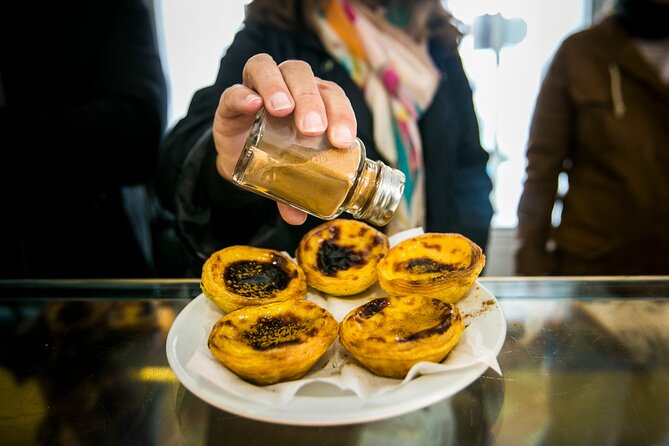
The stop at Jardim da Parada lasts about 45 minutes and adds a welcome change of pace. Here, you taste custard tarts while sitting or pausing among 19th-century tiles and mature trees.
Pastéis de nata are one of Lisbon’s best-known foods, but the setting gives this tasting more meaning than a quick pastry stop at a crowded tourist counter. Your guide can place the tart within the wider story of convent sweets, sugar, eggs, and Portuguese baking traditions.
The garden also helps break up the eating. Five and a half hours is a long time to walk and taste, so a pause in a green public space matters. You have room to ask questions, compare impressions, and let the meal catch up with you.
This is a good reminder that the tour is not built around speed. The walk includes food, history, conversation, and pauses. If you prefer to race through a list of famous eateries, the pace may feel deliberate. I think that slower rhythm is a benefit for most people, especially on a first day in Lisbon.
A few more food tours around Lisbon worth comparing
- Lisbon: Baixa District Food Tour with Dinner and Drinks
★ 4.9 · 1,997 reviews - Lisbon Small-Group Food Tour with 18 Tastings in Alfama District
★ 5.0 · 1,967 reviews - Devour Lisbon: The Ultimate Portuguese Food Tour
★ 5.0 · 1,782 reviews - Lisbon Food Tour with 10+ Tastings of Local Delicacies & Wines
★ 5.0 · 1,339 reviews
Igreja do Santo Condestável and a different side of the neighborhood
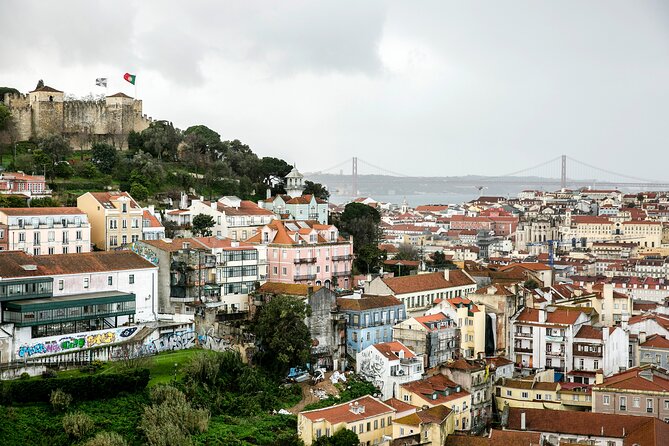
The Igreja do Santo Condestável is scheduled for about 25 minutes. It is a newer Gothic church in a neighborhood associated with artists and writers, giving the tour another architectural and cultural layer.
This stop is not mainly about eating. That is part of its value. A food walk can become repetitive if every pause involves another plate. The church gives your guide a chance to talk about the neighborhood, its people, and the way local identity extends beyond the dining table.
The stop also keeps the tour from becoming a generic list of Portuguese dishes. You are seeing how food connects with buildings, public gardens, local commerce, religion, and creative life. The result is a more rounded look at Lisbon.
The church visit may appeal most to people who enjoy context. If you want nonstop tastings with little explanation, you may find this section less exciting. For me, it helps the food stops land with greater force because the city around them remains part of the experience.
What you may eat and drink along the way
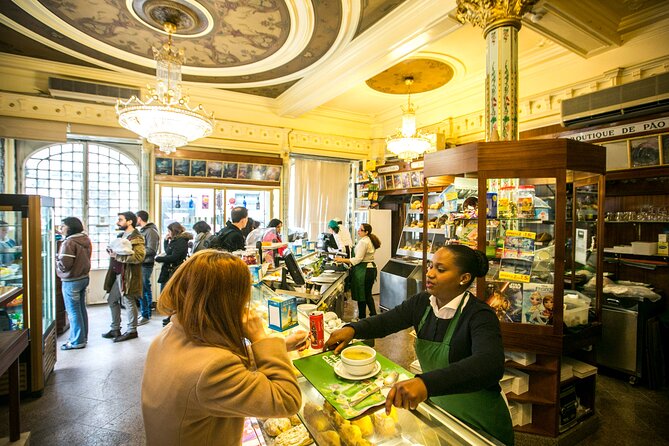
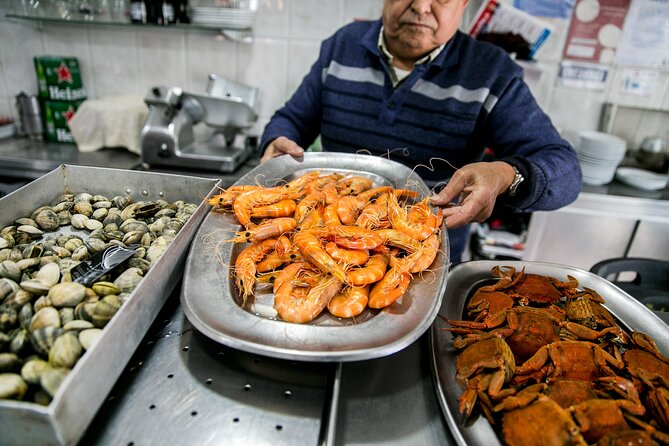
The exact menu can vary, so do not book this expecting a fixed restaurant tasting list. The experience includes enough food to function as a generous meal, with examples from the day including sweet and savory dishes, fish, meat, coffee, wine, spirits, pastries, and market samples.
The range is one of the tour’s best qualities. You are not tasting one narrow category of food. You get a sense of how Portuguese eating moves from breakfast sweets to coffee, drinks, traditional dishes, and small bites.
The food also reflects outside influences. Portugal’s past connections with other regions helped shape the use of spices, ingredients, and cooking methods. A good guide links those influences to the plate in front of you, making the history easier to remember.
Some people in the group may not enjoy fish or may have other restrictions. The company asks you to send allergies and dietary requirements ahead of time. One group received an additional plate when fish was not preferred, but you should still provide clear information before the tour rather than rely on a last-minute adjustment.
Wine and spirits are included in the overall tasting experience, so this may not be the right choice if you want to avoid alcohol. The supplied details do not specify the quantity or exact drinks, so treat the alcohol as part of the food walk rather than a dedicated wine tour.
The guides are the heart of the day
The guide has a major effect on this experience. Kika, also known as Francesca, is a former teacher whose style combines structure with warmth. Inês is a Lisbon native with a strong connection to the area covered by the walk. Gisela is known for explaining food history with humor and energy.
Laura has led groups through small restaurants, markets, and local food stops, while Celia has been praised for connecting Portugal’s past with present-day food and culture. Martim has also guided the walk, and the available accounts point to a rotating team rather than one permanent host.
That variation is worth noting. You cannot choose the exact guide from the information provided, and the personality of the person leading your group will shape the tone. Still, the repeated pattern is clear: the guides are selected for local knowledge, storytelling, and an ability to make a small group feel included.
I would ask questions as you go. The setting is intimate enough for conversation, and the best value comes from understanding the link between the dish, the neighborhood, and the country’s past. If you only focus on finishing each sample, you will miss half the point.
Is $150 a fair price?
At $150 per person, this is not a budget snack crawl. It lasts about five hours and thirty minutes, includes many food and drink samples, and limits the group to seven people. The price is easier to justify if you would otherwise pay for lunch, several tastings, and a private-feeling local introduction separately.
The value also depends on how much you care about explanation. If you want a few cheap bites and a fast route through Lisbon, there are less expensive options. If you want a meal-sized tasting combined with neighborhood context and a guide who can answer questions, the cost is more reasonable.
I would place this tour near the start of a Lisbon stay. It can help you recognize Portuguese dishes later, choose restaurants with more confidence, and understand why certain ingredients and sweets keep appearing. You can also take notes on the shops and market stops you want to revisit.
The tour is booked an average of 36 days ahead, which suggests that waiting until the last minute may be risky during busy periods. Confirmation is provided at booking, and the activity is offered in English with a mobile ticket.
Walking, timing, and practical concerns
The walk is described as easy, and one participant with bad knees found it manageable. Still, you are on your feet for much of five and a half hours, with regular stops for eating, sitting, and conversation. Comfortable shoes are a sensible choice.
The start and finish are both at Jardim da Estrela, at Praça da Estrela, 1200-667 Lisboa. The meeting point is near public transportation, which makes it simpler to reach without arranging a taxi.
The tour needs good weather and a minimum number of people. If poor weather cancels it, you are offered another date or a full refund. The same applies if the minimum group size is not reached.
For a full refund after you book, cancel at least 24 hours before the start time. Changes or cancellations inside that window are not accepted for a refund, so medical or other emergencies may not receive the flexibility you hope for. Read the terms before paying, especially if your Lisbon plans are uncertain.
Who should book Lisbon Awakens?
I would recommend this tour to first-time visitors who want food and cultural background in the same morning or afternoon. It also suits people who prefer neighborhood streets, markets, and small food stops over a busier sightseeing route.
It is a good fit for curious eaters who enjoy trying several categories of food, including sweets, seafood, meat, wine, spirits, and coffee. It also works well for people who like asking questions and learning from a local guide rather than simply following a printed food list.
You may want to skip it if you have strict dietary limits that cannot be accommodated, dislike walking for several hours, or want a predictable menu with exact dish names guaranteed in advance. The company does ask for dietary information, but the precise menu is not fixed in the details provided.
Should you book this Lisbon food tour?
Book it if you want Lisbon to make more sense through its food. The strongest parts are the tiny group, the generous amount of tasting, the Estrela and Campo de Ourique setting, and the guides’ ability to connect pastries, markets, churches, drinks, and Portuguese history.
I would schedule it early in your stay and eat lightly beforehand. At $150, it is a considered purchase, but the combination of meal-sized tastings, local orientation, and five and a half hours of conversation gives it solid value for the right person.
If you want a fast, inexpensive bite tour, choose something else. If you want to feel your way into Lisbon through food, neighborhoods, and stories, this is a strong choice.
FAQ
How long does Lisbon Awakens last?
The experience lasts approximately five hours and thirty minutes.
Where does the tour start?
It starts at Jardim da Estrela, Praça da Estrela, 1200-667 Lisboa, Portugal.
Where does the tour end?
The activity ends back at the meeting point at Jardim da Estrela.
How many people can join the tour?
The maximum group size is seven people.
What language is the tour offered in?
The tour is offered in English.
Should I eat before the tour?
It is best not to eat a large breakfast because the tastings add up to a generous meal.
Can I share allergies or dietary restrictions?
Yes. You should send the company your allergies or dietary restrictions before the tour.
What is the cancellation policy?
You can cancel up to 24 hours before the experience for a full refund. Cancellations or changes made less than 24 hours before the start are not accepted for a refund.
Just added around Lisbon
- Lisbon Small-Group Food & Wine Tour Eat & Drink like a Local★ 4.9 · 77 reviews
- Lisbon: Portuguese street food cooking class with Drinks★ 4.9 · 37 reviews
- Lisbon: Private Food Tour – 10 Tastings with Locals★ 4.8 · 73 reviews
- Lisbon Traditional Portuguese Food and Sightseeing Tour★ 4.4 · 25 reviews
- Food Tour: Portuguese wine & Tapas with Ginjinha Tasting★ 3.8 · 67 reviews
- Lisbon Through the Eyes of a Local – Food and Walking Tour★ 4.9 · 141 reviews
- Lisbon: Evening Local Food Crawl with Drink Pairings★ 4.6 · 80 reviews
- Lisbon: Original Morning Food Tour★ 4.6 · 26 reviews
Food Tours in Lisbon, compared.
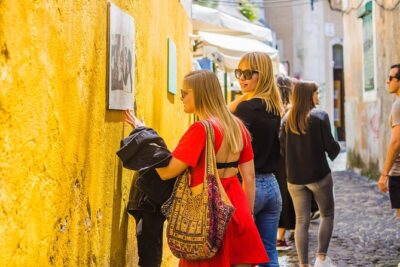
Undiscovered Lisbon Food & Wine Tour by Eating Europe
Read our review →
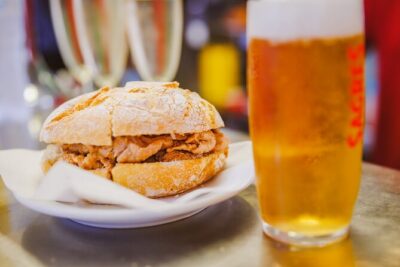
Lisbon Small-Group Portuguese Food and Wine Tour
Read our review →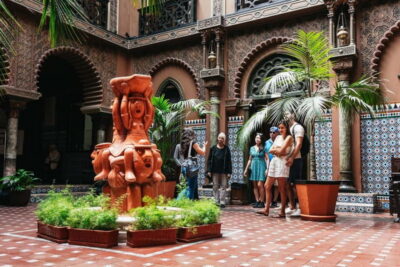
Baixa District Food Tour with Dinner and Drinks
Read our review →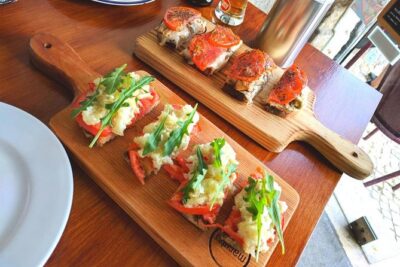
Lisbon Small-Group Food Tour with 18 Tastings in Alfama District
Read our review →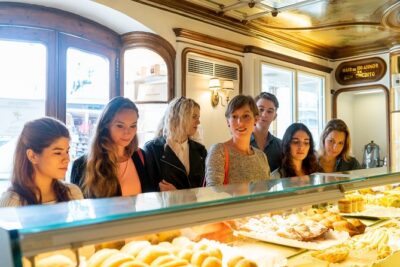
Devour Lisbon: The Ultimate Portuguese Food Tour
Read our review →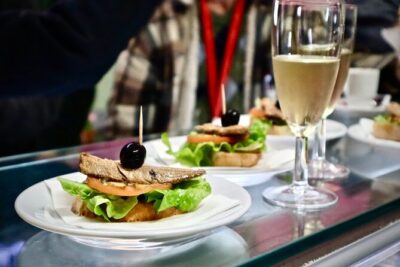
Lisbon Food Tour with 10+ Tastings of Local Delicacies & Wines
Read our review →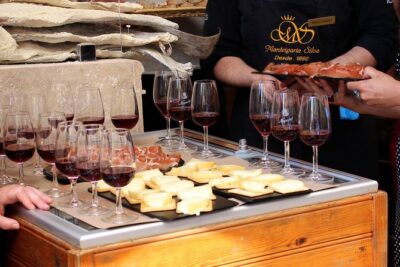
Award-Winning Original Lisbon Food Wine Tour: 19 Curated Tastings
Read our review →Browse the lists this tour appears in