
REVIEW · BOLOGNA
Best of Bologna in one day : Food, architecture, art and history
Bologna reveals its best side when art, food, and history are treated as one story. This private seven-hour tour moves from Piazza Maggiore and medieval churches to the University of Bologna, then finishes with Parma ham, mortadella, aged Parmigiano, balsamic vinegar, and a short pasta lesson. Riccardo Bacchi leads the day with the eye of an art historian and the teaching style of a professor.
I like the rare access to places many visitors could miss, especially the anatomical theater, frescoed rooms, musical chapels, and tucked-away views. I also like the way the food stop fits the history of Emilia-Romagna instead of appearing as a separate snack break. The main drawback is pace: you cover a lot in seven hours, and Riccardo’s detailed explanations demand attention.
Key points to know before booking
- A private tour with Riccardo Bacchi: Your group travels alone, so the guide can respond to your interests in art, medicine, religion, architecture, or food.
- Bologna’s major art in one long day: The route includes San Petronio, the Archiginnasio, the Pinacoteca, San Domenico, Santo Stefano, and major Renaissance works.
- A real food finish: Expect tastings of mortadella, culatello, salami, Parma ham, tagliatelle with ragù, lasagna, Parmigiano Reggiano, and aged balsamic vinegar.
- Fresh-pasta instruction: The final 30 minutes explain pasta with egg and the shapes used for tagliatelle, tortellini, lasagna, balanzoni, tortelloni, and passatelli.
- Fast walking and heavy content: Comfortable trainers are essential, and you should be ready to listen closely rather than drift casually from stop to stop.
- Strong value for a small private group: At $174.69 per person, the price makes most sense when shared among a group that wants a focused guide for a full day.
Why this Bologna tour feels different
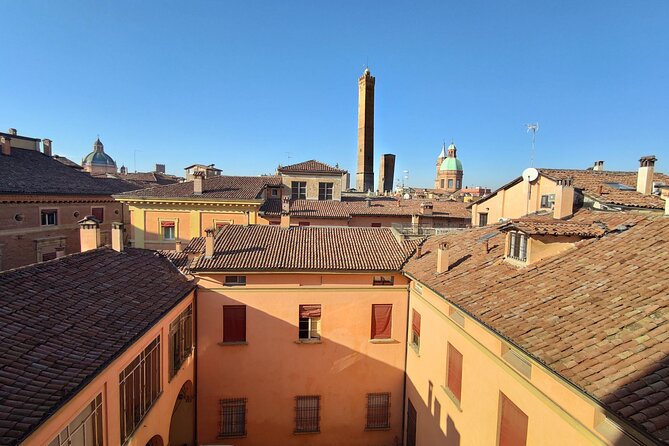
Many city tours give you a string of sights and a few dates. This one tries to show how Bologna’s churches, university, art, markets, and cooking grew together. That approach matters here because the city can look modest at first glance. Its arcades, brick facades, narrow lanes, and quiet courtyards reward explanation.
Riccardo Bacchi is the key to the experience. He brings a strong command of medieval history, architecture, religion, medical history, and painting. His style is serious and enthusiastic. You get details about small artistic choices and larger political forces, not just a list of names.
That level of detail will suit you if you enjoy learning on foot. It may feel like too much if you prefer a relaxed stroll with occasional commentary. One useful way to think about the day is as a compact university course with food at the end.
The tour is private, and only your group participates. That is a real benefit because you can ask questions and shift attention toward your interests. Past descriptions of the experience point to Riccardo adapting his explanations to subjects such as science and medical history, as well as offering advice for the rest of a Bologna visit.
More Food Tours in Bologna
- Bologna: Walking Food Tour with a Local Guide
★ 4.8 · 1,418 reviews - Bologna Food & Market Tour with 6 Tastings, Pasta, Wines & More
★ 5.0 · 1,328 reviews - Bologna Food Experience: Factory tours & Family-Style Lunch
★ 5.0 · 1,201 reviews
Piazza Maggiore starts the story
The day begins at Bar Vittorio Emanuele on Piazza Maggiore, a practical central meeting point. The opening 40 minutes focus on the square’s major works and the buildings that frame it.
You see the Fountain of Neptune, Palazzo Comunale, and the Basilica of San Petronio. You also look at terracotta sculpture by Nicolò dell’Arca, whose work gives Bologna a more intimate artistic face than the grand marble monuments found in other Italian cities.
The Palazzo Comunale visit adds depth. The tour includes splendid frescoed rooms, Bramante’s grand staircase of horses, and smaller decorative details inside the building. This is where a guide makes a big difference. Without context, the rooms can blur into ornate ceilings and painted walls. With explanation, they become evidence of civic power, religion, scholarship, and changing artistic taste.
The timing is 40 minutes, so expect a focused visit rather than a leisurely study of every room. Keep your phone ready for photos, but listen first. The early material sets up many of the themes that return throughout the day.
Santo Stefano and Bologna’s layered churches
Piazza Santo Stefano receives two separate portions of the tour. The first is a 20-minute look at the unusual early medieval complex, with its medieval and Romanesque interiors, Gothic palaces, frescoes, porticoes, spiral staircases, and elevated views toward Bologna’s towers.
Later, the Basilica Santuario di Santo Stefano receives another 40-minute visit. The complex was built in the image of the Holy Sepulcher of Jerusalem, giving the buildings a powerful religious purpose as well as an unusual layout.
The two entries suggest different levels of attention. The shorter stop helps you grasp the square and its surrounding architecture. The longer basilica visit gives time for the religious and architectural details to settle in. Since the schedule is packed, do not expect a slow, unstructured wander.
This is one of the places where Bologna’s age becomes easy to feel. You move through early medieval and later medieval spaces, then notice how the city kept adding layers without wiping away everything that came before.
Nicolò dell’Arca and the force of Santa Maria della Vita
The 20-minute visit to Santa Maria della Vita centers on the Baroque church and Nicolò dell’Arca’s Lamentation. The work is a major Renaissance terracotta group, and it gives you a direct look at the emotional power of sculpture in Bologna.
This stop is short but important. The tour already introduces Nicolò dell’Arca in Piazza Maggiore, then lets you see another major work by the same artist in a more focused setting. I like that connection because it turns two separate stops into one developing art lesson.
You will need to stay with the guide here. A 20-minute church visit does not leave much time for wandering, and the value comes from understanding what you are looking at.
More food and history walks in Bologna:
- Bologna: Street Food Tour in the Historic Center
★ 4.8 · 125 reviews - Amsterdam Food and Cultural Tour with Tastings
★ 5.0 · 4,315 reviews - Barcelona: Tapas Walking Tour with Food, Wine, and History
★ 4.8 · 4,261 reviews - Sevilla Food Tour: Tapas, Wine, History & Traditions
★ 5.0 · 3,468 reviews
The Archiginnasio and the old university
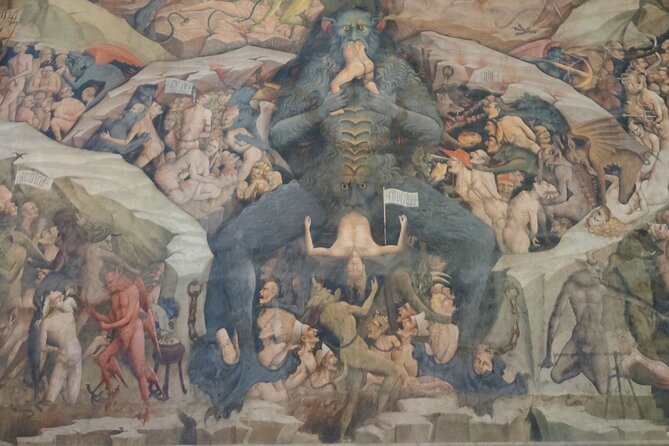
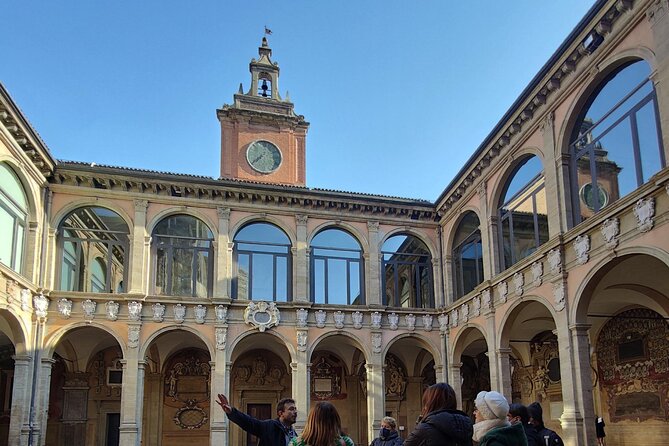
The Archiginnasio di Bologna is one of the most rewarding stops for anyone interested in learning, medicine, books, or Renaissance interiors. This former university palace combines Renaissance and Baroque architecture with frescoed walls, a historic library, and the wooden anatomical theater.
The anatomy room is especially memorable because it links Bologna’s artistic skill with its scientific past. The carved wooden theater was designed for anatomical teaching, so the room itself tells you how knowledge was displayed and controlled. It is not just a pretty interior.
The stop lasts about 20 minutes. That is enough for a strong introduction, though not enough for a slow inspection of every crest, inscription, and carved figure. If science or medical history interests you, tell Riccardo early in the day. The private format makes it easier for him to give that thread more attention.
Paintings from Giotto to the Bolognese masters
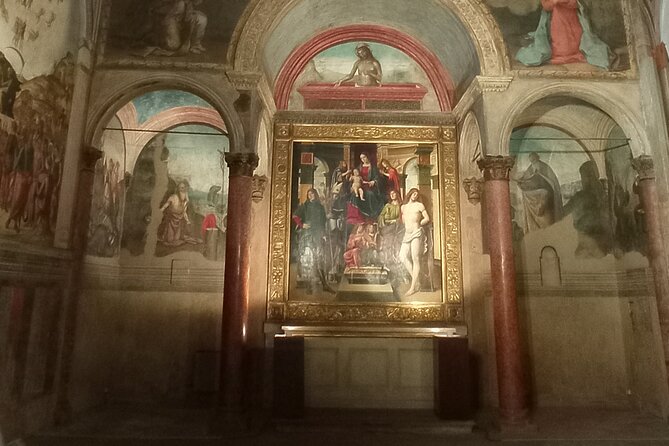
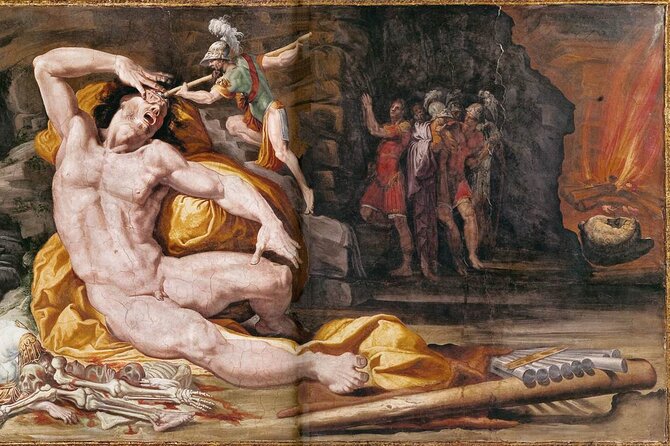
At the Pinacoteca Nazionale di Bologna, the tour spends about 40 minutes with one of Italy’s major collections of older painting. The works named for the visit range from Giotto and Raphael to Titian, Guido Reni, Ercole de Roberti, the Carracci, Guercino, Vitale da Bologna, and Parmigianino.
That is a large artistic span for a short museum visit. You should think of this as a guided selection, not a complete museum survey. Riccardo’s role is to help you see how painting changes across periods and artists, and how Bologna developed its own artistic voice.
I value this stop because it prevents the day from becoming only an architecture walk. After churches, palaces, and sculpture, you get time with painted works in a proper gallery setting. If museums usually overwhelm you, the guide’s selection can make the collection easier to approach.
The Quadrilatero turns history into lunch
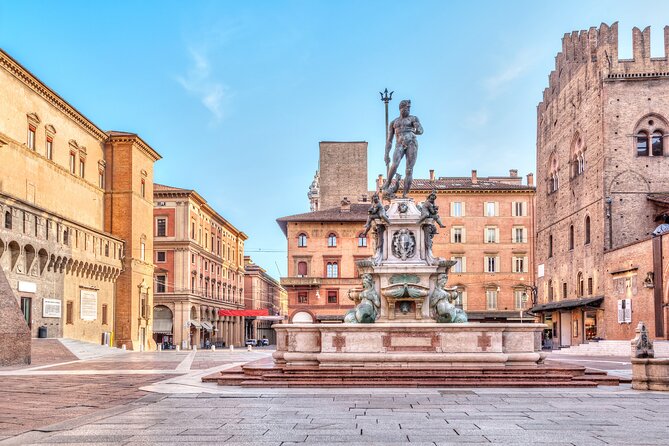
The Quadrilatero is Bologna’s old market district, filled with traditional shops, historic stalls, taverns, and food businesses. The 40-minute visit connects the city’s past with the cooking that made Emilia-Romagna famous.
This is not presented as a generic market photo stop. The point is to see where local food culture lives and to understand why Bologna’s identity is tied so closely to pasta, cured meat, cheese, and preserved ingredients.
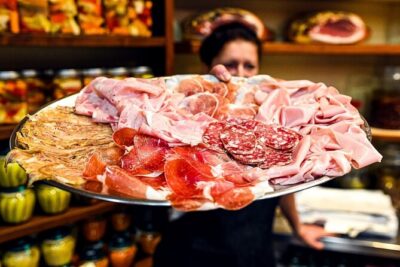
The schedule then moves to Bruno e Franco, La Salumeria, for a one-hour tasting. The spread is substantial. You may taste figs with Parma ham, culatello, salami, mortadella, pasta, Bologna-style meatballs with peas, tagliatelle with ragù, Parmigiano Reggiano aged three or four years, traditional green lasagne bolognesi, and Modena balsamic vinegar aged as long as 24 years.
That range makes the food portion more useful than a single tasting plate. You can compare fresh pasta, cured meat, aged cheese, and vinegar, while Riccardo explains the local context. It is also a full hour, so this is more than a quick nibble. Plan your appetite accordingly.
The food stop is included in the tour price, which improves the value, especially for a private booking. Still, the exact amount of each sample is not specified, so do not treat the tour as a formal multi-course lunch with a published menu.
San Giacomo Maggiore and Santa Cecilia
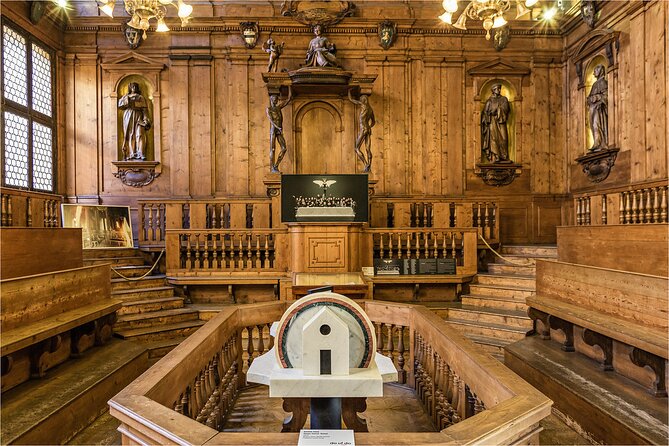
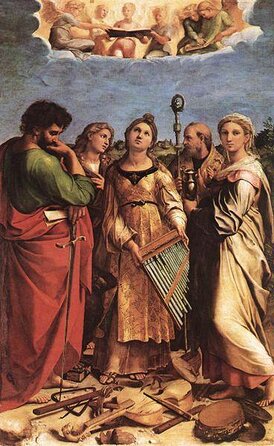
The 40-minute visit to San Giacomo Maggiore adds another major art setting. The church contains the Bentivoglio Chapel, described as a masterpiece of the Emilian Renaissance, as well as the Oratory of Santa Cecilia.
The oratory is noted for its frescoes and musical associations. That gives the stop a different mood from the civic rooms and painting gallery earlier in the day. You are looking at religious art, family power, and music in the same area.
This is a good example of the tour’s range. In one day you are not restricted to the headline square or one famous museum. You see how art appears in working churches, chapels, university rooms, and public buildings.
A five-minute look at the Canale delle Moline
The Canale delle Moline receives only five minutes, so it is best understood as a quick orientation stop rather than a full canal walk. The route points toward towers, arcades, medieval houses, palaces, hidden canals, noble staircases, frescoed rooms, oratories, and sites connected to Europe’s oldest university.
Five minutes can sound insignificant, but a brief pause here helps you notice the city’s less obvious structure. Bologna is not only its grand piazzas. Water, workshops, arcades, towers, and old academic buildings shaped the city too.
Do not expect a long exploration of every feature named in the schedule. The stop works as a compact reminder to keep looking upward and through side streets as you walk.
San Domenico brings together sculpture, music, and devotion
The Basilica of San Domenico receives 40 minutes and offers one of the day’s richest art combinations. Its treasures include the Ark of Saint Dominic, with work by Nicola Pisano, Nicolò, and Michelangelo, along with an alchemical wooden choir, Mozart’s favorite organ, and a Renaissance cloister.
The Ark alone makes the visit worthwhile for anyone interested in sculpture. Seeing work linked to several major artists in one monument gives you a useful lesson in how important commissions were built and revised over time.
The musical and scientific references broaden the stop. The wooden choir and organ connect the basilica to sound, while the mention of alchemy adds another strand of historical curiosity. Riccardo’s explanations are particularly useful here because the church contains more than one story.
The final pasta lesson at Bruno e Franco
After the tasting, the tour includes a 30-minute cooking class focused on pasta alla Bolognese. The lesson covers pasta made with egg and the forms used for tagliatelle, tortellini, lasagna, balanzoni, tortelloni, and passatelli.
Do not book this expecting a full professional cooking course. Thirty minutes is enough for a compact introduction to shapes and local pasta traditions, not a long workshop with time to master every technique. Its value is that it gives the meal a practical ending. You do not just taste Bologna’s food, you learn how several classic forms relate to it.
For many people, this will be the most memorable part of the day. Food turns abstract history into something you can recognize at dinner later in your trip.
Pace, price, and who gets the most value
The tour costs $174.69 per person and lasts about seven hours. That is a high price for a walking tour, but the comparison is not really with a basic two-hour city stroll. You are paying for a private guide, a long route, admission to several listed sites, a museum visit, food tastings, and a pasta lesson.
The price works best for a small group that wants one guide for the day. Group discounts are available, so the per-person cost may become more attractive as your party grows. Since only your group participates, you are also buying flexibility and a more personal pace, even though the overall schedule remains full.
The experience suits you if you:
- Have one or two days in Bologna and want a strong first orientation
- Care about art, architecture, religion, university history, or food
- Prefer a private guide to a large group
- Enjoy detailed explanations and asking questions
- Want local tasting built into a cultural tour
It may not suit you if you want a slow day, long café breaks, or only the most famous sights. The walking is fairly brisk, and several stops are short. Wear comfortable trainers, as the route covers much of central Bologna on foot.
The tour is offered in English. Confirmation arrives when you book, service animals are allowed, and most people can take part. Free cancellation is available up to 24 hours before the start time. Changes or cancellations within 24 hours are not accepted for a refund.
Should you book this Bologna day?
Book it if you want Bologna explained rather than simply photographed. Riccardo Bacchi brings together art, architecture, medieval history, medical history, and food in a way that makes the city easier to read.
I would especially choose it for a first visit with limited time, or for anyone who wants more than a standard list of monuments. Go in ready to concentrate, walk steadily, and eat well. If your ideal day has a leisurely pace and plenty of unscheduled time, choose a shorter tour instead.
For an art-minded visitor who wants the major sights plus lesser-seen interiors and a serious taste of local cooking, this is a strong use of one day.
FAQ
Where does the tour start?
It starts at Bar Vittorio Emanuele, Piazza Maggiore 1, 40124 Bologna, Italy.
Where does the tour finish?
The activity ends back at the meeting point.
How long does the experience last?
The tour lasts approximately seven hours.
Is this a private tour?
Yes. Only your group participates in the activity.
What language is the tour offered in?
The tour is offered in English.
What is included at the food stop?
The tasting includes items such as Parma ham with figs, culatello, salami, mortadella, pasta, Bologna-style meatballs with peas, tagliatelle with ragù, Parmigiano Reggiano, green Bolognese lasagna, and traditional Modena balsamic vinegar.
Is a cooking class included?
Yes. A 30-minute pasta class is included. It covers egg pasta and forms including tagliatelle, tortellini, lasagna, balanzoni, tortelloni, and passatelli.
Are admission tickets included?
Admission tickets are listed as included for Piazza Maggiore, Piazza Santo Stefano, Santa Maria della Vita, the Archiginnasio, and the Pinacoteca Nazionale di Bologna.
Are group discounts available?
Yes. Group discounts are available.
Can I cancel for a full refund?
Yes, if you cancel at least 24 hours before the experience start time. Cancellations made less than 24 hours before the start time are not refunded.
More 1-Day Tours in Bologna
- Florence: Cinque Terre Park Day Trip with Optional Street Food
★ 4.5 · 3,593 reviews - Florence: Day Trip to Cinque Terre with Optional Street Food
★ 4.5 · 2,854 reviews - Florence: Cinque Terre Day Trip with Optional Street Food
★ 4.5 · 1,315 reviews - Gran Canaria: Catamaran Day Trip with Food and Drinks
★ 4.8 · 845 reviews
Just added around Bologna
- Bologna Food & Wine tour with a local Chef★ 3.0 · 30 reviews
- San Luca Experience Tour skip the line and Food Tasting★ 3.5 · 70 reviews
- Devour Bologna Tastes & Traditions Food Tour with Market Visit★ 5.0 · 69 reviews
- Bologna Food Tour small group★ 4.5 · 50 reviews
- Parmesan and Balsamic Food Tour with Ferrari Museum★ 5.0 · 28 reviews
- Cars&Food: Lambo, Ferrari, Parmigiano, Balsamic, PrivateTransport★ 4.5 · 85 reviews
- Bologna City Red Bus and Food tasting★ 3.5 · 46 reviews
- Private Bologna Food & Market Tour with 6 Tastings & Wine★ 5.0 · 102 reviews
Food Tours in Bologna, compared.
Bologna Food & Market Tour with 6 Tastings, Pasta, Wines & More
Read our review →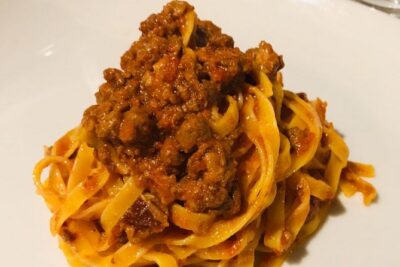
Bologna Food Experience: Factory tours & Family-Style Lunch
Read our review →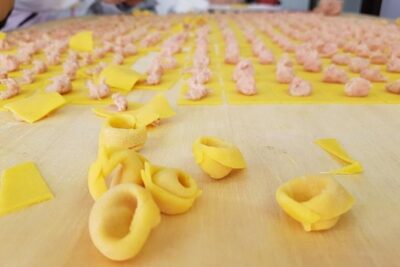
Full meal Food Tour with Local Delights by Do Eat Better
Read our review →Browse the lists this tour appears in