
REVIEW · ATHENS
Explore the hidden food gems of Athens
Athens reveals itself especially well through its food stalls, spice shops, old cafés, and family-run tavernas. This three-and-a-half-hour walking food tour takes you through Central Market, Psiri, and Monastiraki, with stops for Greek coffee, pastries, olives, honey, cheese, meat, and a full meal served with drinks. The food is not limited to the familiar tourist menu, so you get a better sense of what local shopping and eating can look like.
I like two things right away: the small group, capped at 10 people, and the guides’ personal approach. Julia, George, Douk, Dimitri, and Ste are all named as guides connected with the experience, and the tour can include stories about family recipes, Greek food traditions, and practical places to eat later. The main consideration is that you need to arrive hungry. This is not a light tasting walk. With breakfast, snacks, alcohol, and lunch included, the food adds up quickly.
Key points before you book
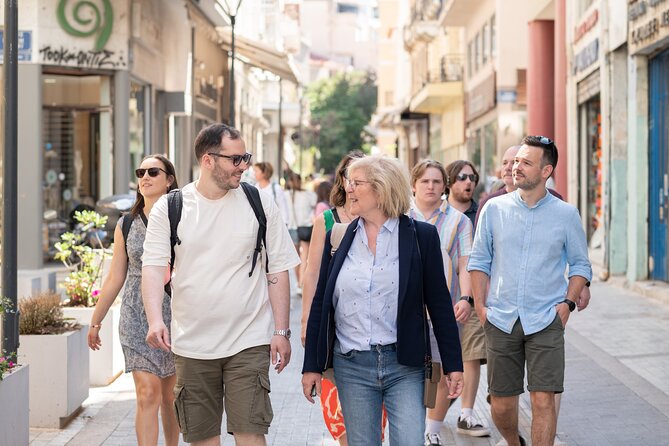
- Central Market sets the tone: See where Athens shops for meat, fish, olives, spices, and other everyday ingredients.
- You eat far more than a few samples: Coffee, pastries, pies, olives, honey, cheese, grilled meat, wine, and a full Greek meal are all part of the experience.
- The route favors local businesses: Stops include small family-run shops and established food places away from the most obvious tourist circuit.
- The guides add more than food facts: Expect stories about Greek history, family food customs, recipes, and suggestions for Athens and the islands.
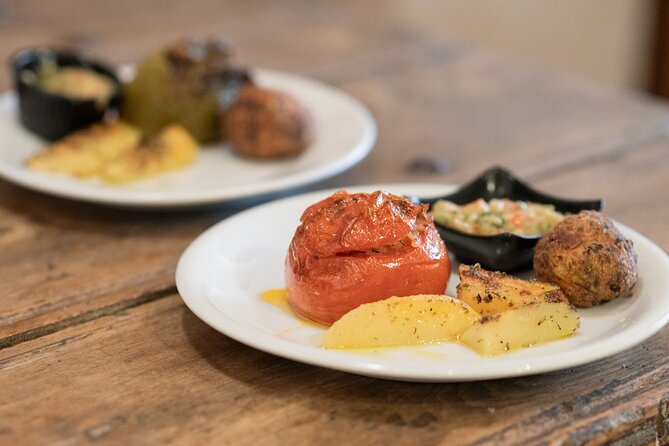
- The final meal is a real finish: Tzatziki, stuffed vegetables, zucchini balls, roasted potatoes, and other seasonal dishes may appear, with alcoholic drinks included.
- A small group matters: With no more than 10 people, it is easier to ask questions and keep a relaxed walking pace.
Why this Athens food tour works so well

Many Athens food walks are really restaurant crawls with a few historical comments attached. This one aims at something more useful: showing you the ingredients and shops behind Greek cooking before sitting down to eat. You move through the places where people buy food, then taste the results in local eateries.
That order makes sense. You learn about olive oil before tasting it with bread. You see the market before eating grilled meat. You hear about herbs, honey, cheese, and regional cooking before a sit-down meal brings them together. I like food tours that give you a way to understand a cuisine, not just a list of dishes to photograph.
The tone also appears to be personal rather than scripted. Julia is described as especially warm and funny, while George often goes ahead to alert shops that the group is arriving. Douk is praised for his love of Greek food and local stories, and Dimitri has led tours with a playful sense of humor and even poetry. Since several guides may lead the experience, your exact personality match can vary, but the format centers on conversation and questions.
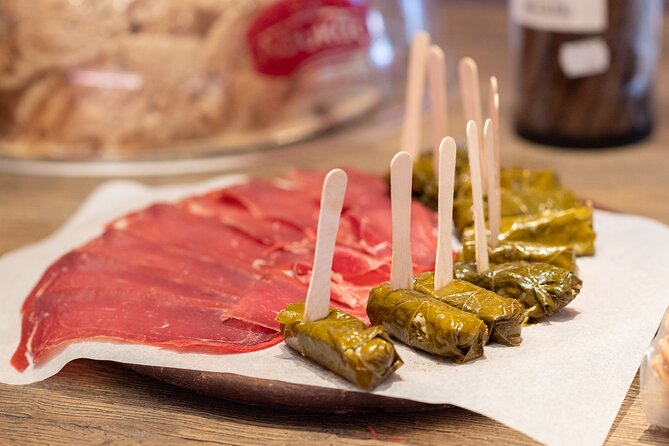
You should also expect some flexibility in the food. The listed menu includes cheese and cold cuts, olives, grilled meat with retsina, and a main course such as stuffed vegetables, zucchini balls, or oven-roasted potatoes. Seasonal Greek cooking does not always follow a fixed restaurant menu, which is part of the charm, but it means you should not book expecting every item to appear exactly as printed.
More Food Tours in Athens
- Greek Food Walking Tour in Athens
★ 5.0 · 4,740 reviews - Athens: Street Food Tasting Tour
★ 4.9 · 3,343 reviews - Athens: Guided Greek Food Walking Tour with Tastings
★ 4.9 · 2,859 reviews
Starting at Athinas 37 and entering Central Market
The meeting point is Athinas 37, Athens 105 54, close to the city center and public transportation. The tour ends back at this same meeting point, so you do not need to arrange a separate ride from the final restaurant.
Central Market is the practical heart of the route. This is where the experience moves away from postcard Athens and into the food system that supports it. You might walk through meat and fish areas, inspect olives, and stop at shops selling spices, tea, honey, and other Greek ingredients. The point is not simply to pass through a market, but to understand how ordinary products shape the country’s cooking.
The market can be busy and crowded, so wear comfortable shoes and stay close to the group. You are walking, stopping, tasting, and listening rather than sitting in one place. A maximum of 10 people is a useful limit here. A much larger group would make it harder to hear the guide or gather around a shop counter.
The first tastes may include Greek coffee and pastries or pies from a neighborhood café and bakery. Cheese pies and meat pies are among the foods associated with the early part of the experience, along with a sweet pie later in the route. These snacks are more substantial than a quick nibble, so pace yourself from the start.
The ingredients that explain Greek cooking
One of the strongest parts of the tour is its attention to ingredients. You may taste several kinds of olives, olive oil, honey, specialty tea, herbs, and spices. The guide explains where products come from and what makes them different, which helps you shop with more confidence after the tour.
Greek food is often described too simply as feta, tomatoes, grilled meat, and salad. The food stops show a wider picture. Olive oil is central, but the character of the oil can change with its origin and use. Honey varies by the plants available to the bees. Spices reflect centuries of trade and contact with neighboring cultures. Cheese and cured meats add another layer of regional and family tradition.
The route also touches Greek food’s Ottoman, Mediterranean, and Middle Eastern connections. That does not mean every dish is presented as a history lesson. Instead, you get useful context for why pies, stuffed vegetables, yogurt-based sauces, spice blends, and grilled foods appear in different forms across Greece.
If you are curious about buying food to take home, this part is especially handy. One stop may lead you to olives, olive oils, honey, or pistachio cream. The tour is not built around shopping, and personal purchases are not included, but the guide can help you understand what you are seeing before you spend money.
Psiri, where old food traditions meet Athens nightlife
From Central Market, the route continues toward Psiri. This neighborhood is known for its lively evening atmosphere, but the food experience focuses on the older local businesses and everyday eating places tucked among the streets.
Psiri helps show the contrast between Athens as a major destination and Athens as a city where people meet for coffee, snacks, and shared meals. The area can feel more energetic at night, while a morning tour may offer a calmer look at the shops and cafés. The exact feel will depend on the departure time, since the experience may run in the morning or evening.
This is also where the guide’s local advice becomes useful. You can ask what to order elsewhere, which dishes are worth seeking out, and how food customs change between Athens and the islands. Suggestions like these are often more valuable than a long list of famous restaurants, since they help you make choices during the rest of your stay.
The walking is generally relaxed, but the tour involves several stops and a full meal. If you have mobility limits, contact the provider before booking. The activity is near public transportation, service animals are allowed, and most people can participate, but the supplied information does not give a detailed accessibility description for every street or food stop.
A few more food tours around Athens worth comparing
- Small Group Greek Traditional Food Tour in Athens 20+ Tastings
★ 5.0 · 1,759 reviews - Athens: Food Market Visit and Cooking Class with Wine
★ 4.9 · 1,087 reviews - Athens Authentic Greek Food Walking Tour (Small Group)
★ 5.0 · 809 reviews - Athens Greek Food Tour Small-Group Experience
★ 5.0 · 802 reviews
Monastiraki and the city’s mixed food influences
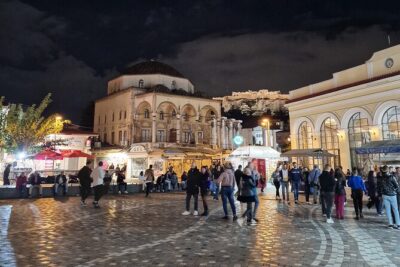
The route also includes Monastiraki, one of the most central parts of Athens. This area puts you close to major sights and busy shopping streets, yet the food stops are intended to lead you away from the places most heavily aimed at tourists.
That distinction matters. You still get the convenience of a central route, but the experience is not built around the restaurants that dominate guidebook lists. Instead, you visit local favorites and small businesses where the focus is on Greek products and familiar cooking.
The area also makes a good setting for explaining how Athens absorbs influences from many places. Greek cooking carries Mediterranean habits, Ottoman techniques, island traditions, mainland recipes, and ingredients shaped by regional climates. You may encounter yogurt, herbs, pies, grilled foods, olives, and stuffed vegetables in forms that look familiar but taste quite different from versions served abroad.
I would not book this tour expecting a quiet stroll through empty lanes. Central Athens is active, and market districts can be noisy and crowded. The reward is that you see the city as a working place, not only as an open-air museum.
The final meal: more than a tasting plate
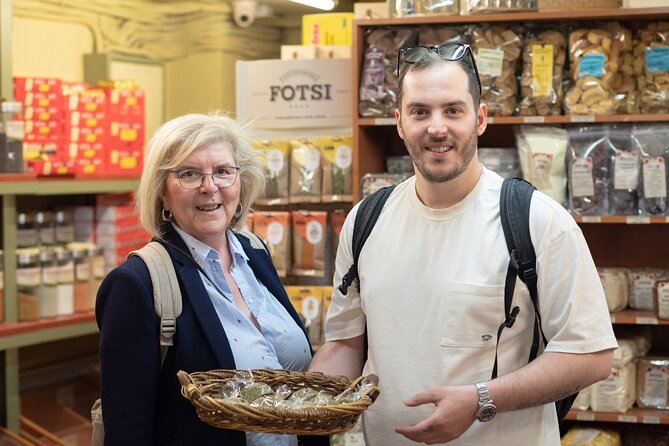
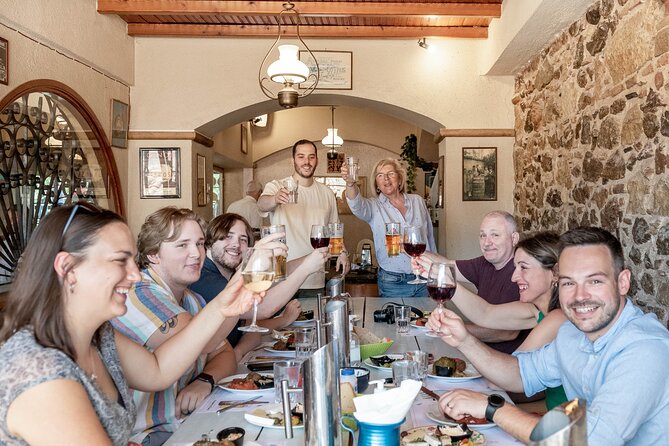
The sit-down meal is an important part of the value. The experience includes lunch, snacks, breakfast, coffee or tea, and alcoholic beverages, so the final stop is not a token dish after a long walk. You may receive a full Greek meal with items such as grilled meat, retsina, stuffed vegetables, zucchini balls, potatoes, cheese, olives, and tzatziki.
A private or separate room has been used for some groups, and the meal may include a view toward the Acropolis. Those details are not guaranteed for every departure, so treat them as possible features rather than promises. The consistent point is that the tour finishes with a substantial meal rather than leaving you to find lunch on your own.
The tzatziki demonstration is a nice touch. It turns a familiar sauce into something you can reproduce at home, especially when the guide explains how yogurt, garlic, cucumber, and seasoning fit together. You also get a chance to ask about recipes and Greek cooking methods while you are eating, which is more useful than hearing a recipe in passing at a shop.
Alcoholic drinks are included, with wine and retsina appearing in the food examples. If you do not drink, check the available alternatives with the guide. Coffee and tea are also included, but the experience is centered on food, not on a beverage tasting.
Most important, do not eat a full breakfast before you arrive. The early coffee and pastry stop can quickly become a serious serving, followed by tastings and lunch. A small snack beforehand may be sensible if you need one, but arrive ready to eat.
How much value do you get for $82.27?

At $82.27 per person, this is not the cheapest way to grab lunch in Athens. It can still be good value if you would otherwise pay separately for breakfast, snacks, tastings, drinks, and a meal, especially since the tour includes alcoholic beverages and coffee or tea.
The value is also in the access and explanation. You are not only buying food. You are paying for a guide who knows where to stop, how to order, what to explain, and how to connect the dishes to Greek customs. A small group of no more than 10 makes that service more personal than a large bus-style food outing.
I would compare the price with your own priorities. If you enjoy wandering into cafés and markets without help, you can eat more cheaply on your own. If you want a clear introduction to Athens food culture on your first day, the cost is easier to justify because it gives you both a meal and a set of ideas for the rest of your stay.
The tour is often booked well ahead, with an average booking time of 47 days. That suggests you should reserve early if your Athens dates are fixed. It is offered in English and uses a mobile ticket, making it simple to add to a larger sightseeing plan.
Who should book, and who should skip it?

I would recommend this for someone who wants food tied to place and people. It suits first-time visitors who want help finding local shops, curious eaters who enjoy trying unfamiliar dishes, and repeat visitors who have already seen the Acropolis and want a different side of Athens.
It also works well for couples, families, and small groups who like to ask questions. The guides’ humor and personal stories are a major part of the format, so you should enjoy conversation rather than expect a silent, self-guided tasting.
You may want to skip it if you have a very restrictive diet unless you confirm arrangements before booking. The supplied details do not list vegetarian, vegan, allergy, or gluten-free provisions. You may also prefer another activity if you dislike walking through markets, eating generous portions, or sharing tastings with a small group.
Free cancellation is available up to 24 hours before the start time for a full refund. Changes or cancellations made less than 24 hours before the start time are not accepted for a refund, based on local time.
My take on the Athens food experience
I would book this near the beginning of an Athens stay, not at the end. The market orientation, shop visits, and food suggestions can guide the meals you choose afterward, while the generous tastings help you identify dishes you might otherwise pass by.
Its best qualities are clear: authentic food, family-run stops, strong guide personalities, and enough food to count as a meal. The main tradeoff is that the format is generous rather than delicate. You will walk, eat a lot, and spend time in busy central neighborhoods.
If you want a friendly introduction to Greek cooking that goes beyond souvlaki and a standard taverna dinner, this is a strong choice at $82.27. Arrive hungry, wear comfortable shoes, and leave room for one more bite than you think you can manage.
FAQ
How long does the Athens food tour last?
The tour lasts approximately 3 hours and 30 minutes.
What is the price?
The price is $82.27 per person.
Where does the tour start?
The meeting point is Athinas 37, Athina 105 54, Greece.
Where does the tour finish?
The activity ends back at the meeting point.
Which neighborhoods are included?
The route includes Central Market, Psiri, and Monastiraki.
What food and drinks are included?
The experience includes seasonal and traditional Greek food, snacks, alcoholic beverages, coffee or tea, and breakfast.
Is lunch included?
Yes. Lunch is included, and the sample food includes cheese, cold cuts, olives, grilled meat, retsina, stuffed vegetables, zucchini balls, and oven-roasted potatoes.
How many people can join the tour?
The maximum group size is 10 travelers.
Is cancellation available?
Yes. You can cancel up to 24 hours before the experience starts for a full refund. Changes or cancellations made less than 24 hours before the start time are not accepted for a refund.
Just added around Athens
- Classic Athens Food Tour with Local Drink & Market Visit★ 5.0 · 34 reviews
- Best Food Tasting Tour of Athens, taste 18+ iconic Greek foods!★ 5.0 · 448 reviews
- Athens: The Classic Food Tasting Tour★ 5.0 · 106 reviews
- Taste of Athens Small-Group Food Tour★ 5.0 · 33 reviews
- The Greek Food Experience (Max 8 persons)★ 5.0 · 181 reviews
- Athens Street Food Tour: Explore City’s Iconic Eateries★ 5.0 · 155 reviews
- Private Greek Food Tour in Athens★ 5.0 · 56 reviews
- Greek Gastronomy & Wine Pairing Cruise with a Sommelier in Athens★ 5.0 · 120 reviews
Food Tours in Athens, compared.



Small Group Greek Traditional Food Tour in Athens 20+ Tastings
Read our review →
Food Market Visit and Cooking Class with Wine
Read our review →
Athens Authentic Greek Food Walking Tour (Small Group)
Read our review →
Browse the lists this tour appears in