
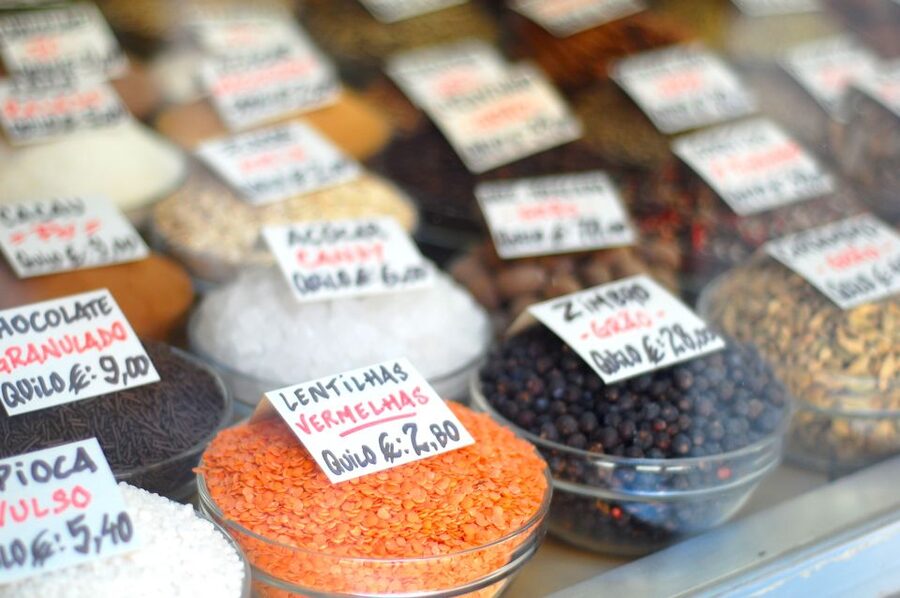
REVIEW · PORTO
Porto: 3-Hour Food Tour
Porto’s food culture is best understood one small plate at a time, and this tour gives you a useful morning roadmap. You’ll start with a Portuguese breakfast, move through old shops and Mercado do Bolhão, and finish with a proper local lunch, all in about three hours.
I like the five-stop format, which gives you variety without turning the day into a marathon. I also like the generous food and drink pairings, including regional wine, port, beer, coffee, and the much-praised vinho verde. The main consideration is simple: this is not a quiet tasting. There is plenty of alcohol, some eating on the move, and the tour is not suitable for vegans, vegetarians, or people with gluten intolerance.
Key points
- Breakfast starts the tour properly: Begin at a traditional cafe and eat as locals do, rather than jumping straight to tourist fare.
- Mercado do Bolhão adds local flavor: Expect samples such as Iberian ham, sardines, cheese, and Northern Portuguese wine.
- The portions are substantial: Breakfast and lunch together include roughly 10 to 12 tasting portions, so arrive hungry.
- Guides make the difference: Affonso, Alice, João, Gabriel, Marta, and others are praised for warmth, humor, food knowledge, and city stories.
- You see more than food: The route passes Liberdade Square, old shops, and Mercado do Bolhão while covering Porto’s architecture and culture.
- It is good value at $75: Food, drinks, a small group, and three hours of guiding make this stronger value than a simple restaurant meal.
A Portuguese breakfast near Aliados
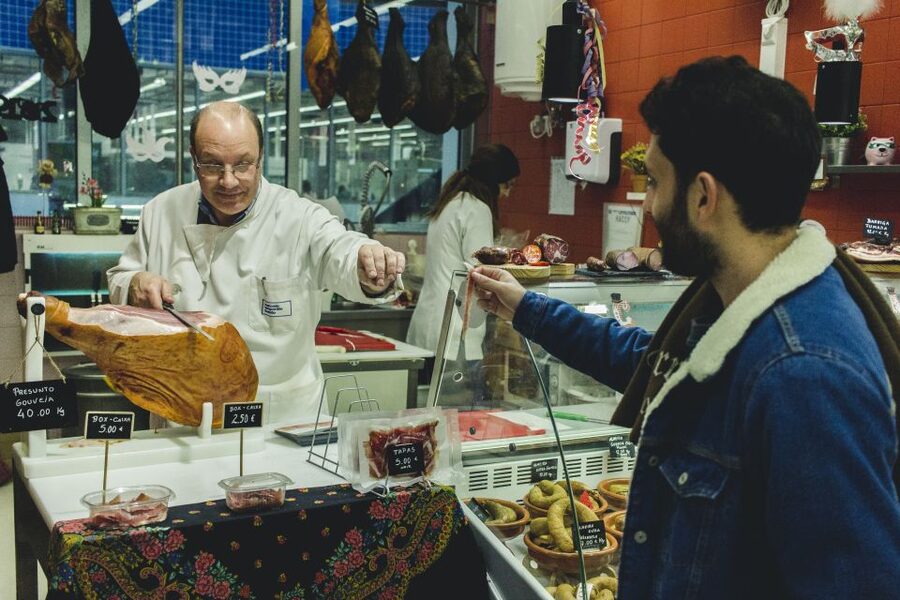
The tour begins near the Aliados subway exit, a practical central meeting point. Arrive 10 minutes early. The group leaves on time, and the small size, limited to 10 people, helps the guide talk with everyone rather than shout over a crowd.
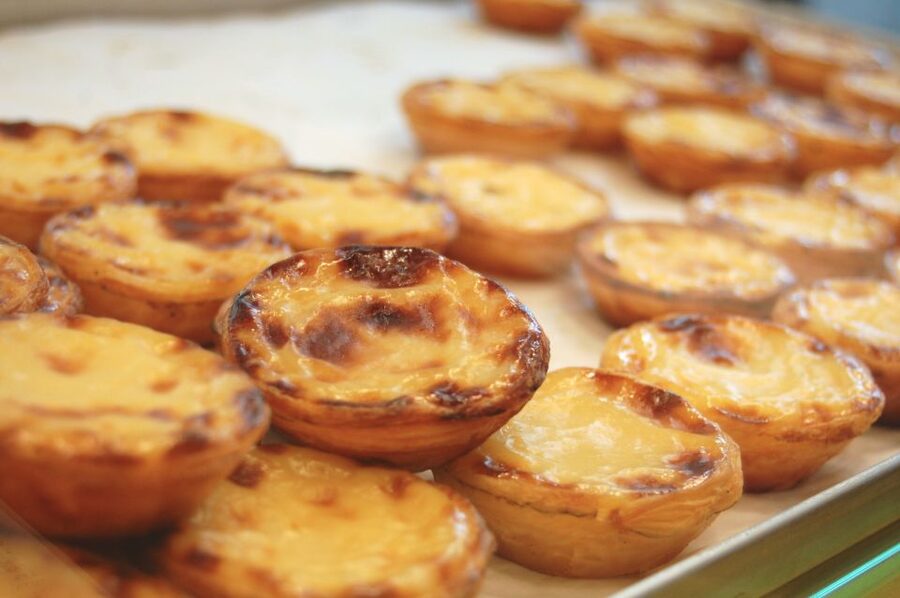
Your first stop is a traditional cafe for breakfast. The exact menu can vary, but the tour is designed to show you the Portuguese morning routine, with coffee and sweet or savory items rather than an elaborate hotel buffet. Pastries are part of the food mix, and pastel de nata is one of the treats people particularly enjoy later in the route.
This opening stop matters because breakfast tells you something about daily life in Porto. You are not simply sampling a famous pastry in isolation. You are seeing how cafe culture fits into the day, with a quick bite, a drink, and a neighborhood setting.
If you normally skip breakfast, adjust your plans. The tour includes a great deal of food soon after the meeting time, and the best strategy is to arrive hungry but not empty. You’ll have several more tastings ahead.
More Food Tours in Porto
- Porto Food & Wine Tasting Tour with Lunch or Dinner Option
★ 5.0 · 2,303 reviews - Porto Craft Beer Tour: 7 Beers + 3 Food Pairings in a Small Group
★ 5.0 · 1,725 reviews - Porto: Douro Valley & Amarante Wine, Food & River Tour
★ 4.7 · 1,411 reviews
Porto’s old shops and everyday food
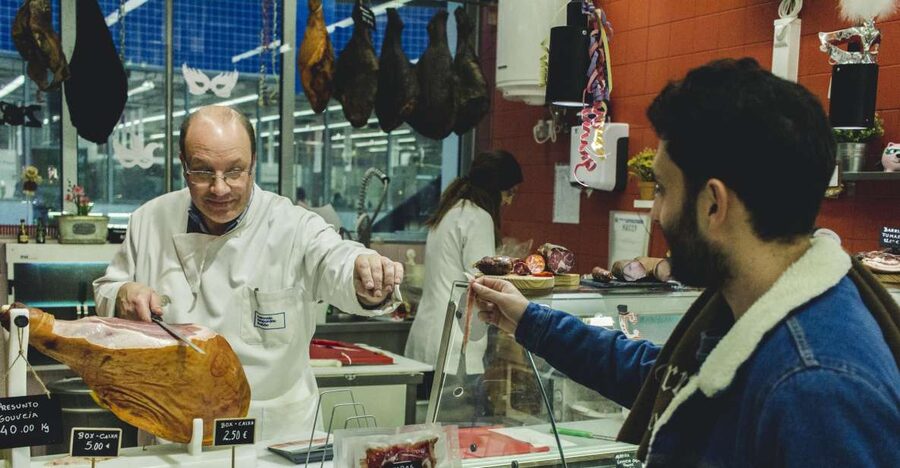
After breakfast, the guide leads you through a popular central district, pointing out old shops, architecture, and places tied to Porto’s food traditions. The walking is part of the lesson. You learn why certain products matter, how they are served, and how food connects with the city’s past and present.
The route includes Liberdade Square, one of the central places you might otherwise pass through without understanding its role in the city. The guide also brings you toward Mercado do Bolhão, Porto’s famous market. These sights give the food tour a sense of place. You are not being driven between anonymous restaurants.
The walking load appears fairly light. Several people describe the route as involving little walking and no major hills, though comfortable shoes are still sensible on Porto’s paving. Bring an umbrella, too. The tour runs rain or shine, and Porto weather can change quickly.
Guides such as Affonso, Alice, João, Gabriel, Marta, Flavia, and Santiago receive especially warm praise for adding stories about Portuguese customs, local products, and the city itself. Some guides also teach a few simple Portuguese words along the way. That small language lesson is useful when you continue eating on your own.
Mercado do Bolhão and the tasting counter
Mercado do Bolhão is where the tour shifts from cafe food to a wider spread of Portuguese products. You may taste Iberian ham, sardines, cheese, and wine from Northern Portugal, with the guide explaining what you are eating and how locals use it.
The market stop is one of the most useful parts for independent eating later. You can look at the products, ask questions, and note what you want to buy before leaving Porto. If you like a particular cheese, preserved fish, or cured meat, this is the moment to ask about it rather than guessing at a shop later.
The market is also where you should expect to stand more than sit. One practical complaint about this style of tasting is that there may not be a chair for every sample, particularly at the market. That is not a serious problem for most people, but it matters if you need regular seating.
The food here leans heavily toward meat, fish, dairy, and bread. The official conditions list the tour as unsuitable for vegans, vegetarians, and people with gluten intolerance. Individual arrangements may sometimes be possible, but you should not book expecting a vegetarian or gluten-free menu.
From canned fish to bifana and pastel de nata
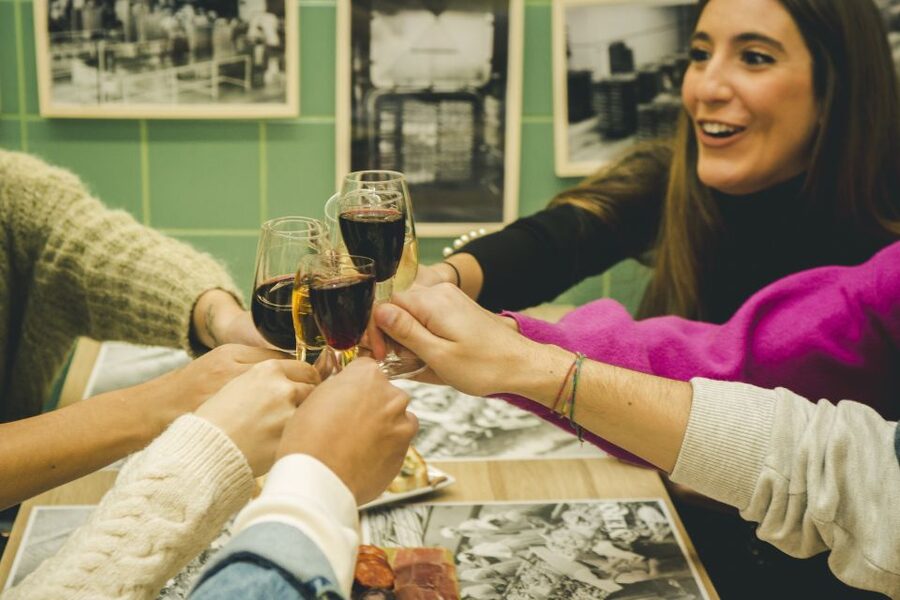
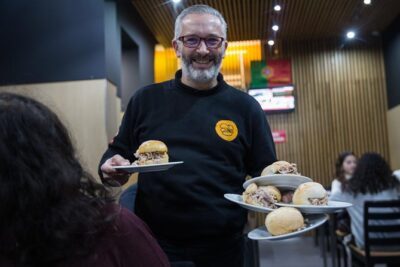
The food selection is broad for a three-hour tour. Along with ham, sardines, cheese, and pastries, the tastings can include canned fish, cured meats, a bifana sandwich, and pastel de nata. These foods show different sides of Portugal, from market staples to quick street food and familiar sweets.
The bifana is particularly useful for understanding the tour’s approach. It is not presented as a precious restaurant dish. It is the sort of filling, everyday food you might miss if you only eat in polished dining rooms. The combination of bread, meat, and a drink gives the meal a distinctly local, casual feel.
The pastel de nata brings the sweet side back into focus. You might already know this custard tart from bakeries elsewhere, but tasting it within a wider Portuguese meal helps put it in context. The tour is strongest when it lets you compare several small foods rather than treating one famous item as the whole story.
Portions can be surprisingly generous. Breakfast and lunch together include approximately 10 to 12 serving portions, and the food is paired with drinks along the way. You should not plan a large dinner immediately afterward. For many people, this is enough food to carry them well into the evening.
A few more food tours around Portugal worth comparing
- Lagos: 3-Hour Algarve Classic Food Tour
★ 4.8 · 284 reviews - Lisbon: Food and Culture 3-Hour Walking Tour
★ 4.7 · 95 reviews - Eat Like a Local: Venice 3-Hour Small-Group Food Tasting Tour
★ 5.0 · 3,137 reviews - Shanghai: 3-Hour Local Food Tasting Tour
★ 4.9 · 806 reviews
Wine, port, coffee, and a generous pour
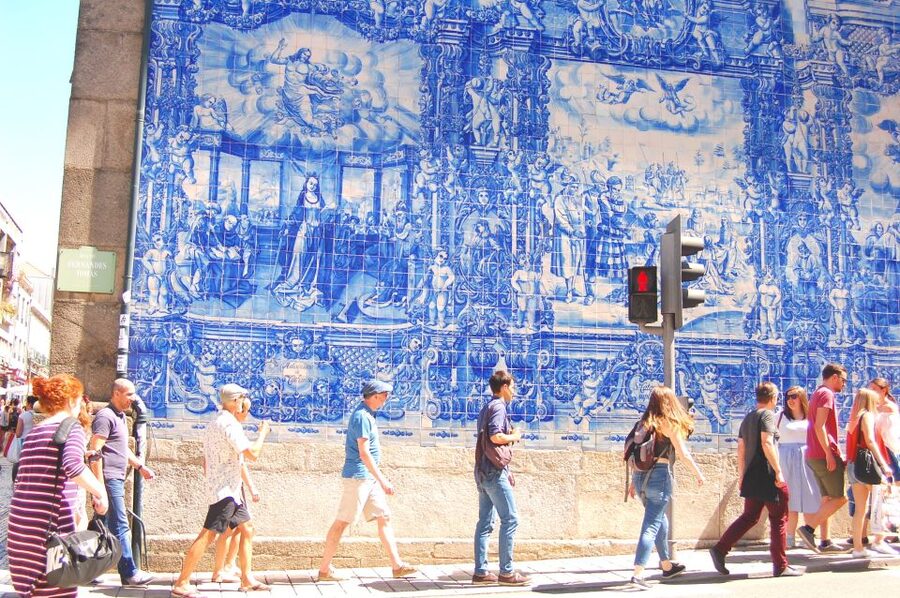
The drinks are a major part of the experience. Depending on the stop, you may taste coffee, beer, regional wine, vinho verde, port, and the local spirit referred to in the tasting mix as ginzho. The tour includes drink pairings rather than leaving you to pay separately for every small glass.
Vinho verde is one of the more interesting inclusions. The name means green wine, though it refers to a style and region rather than a bright green color. The drink is commonly associated with a lighter, fresh character, making it a natural partner for salty snacks and seafood.
You also get a chance to learn about wine from the Douro Valley and port, which gives the tour more range than a single port tasting. If you are deciding between a conventional port-focused visit and this food tour, the broader selection may be more useful during a short stay.
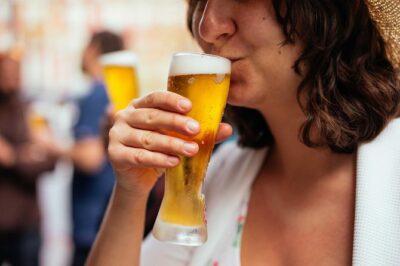
There is a catch. The drinks are not token sips. Several descriptions of the experience point to generous pours and a boozy pace. If you do not drink alcohol, or if you prefer to keep your morning clear, confirm what nonalcoholic choices are possible before booking. The included drinks are part of the value, but also one of the tour’s defining features.
Porto’s typical lunch dish
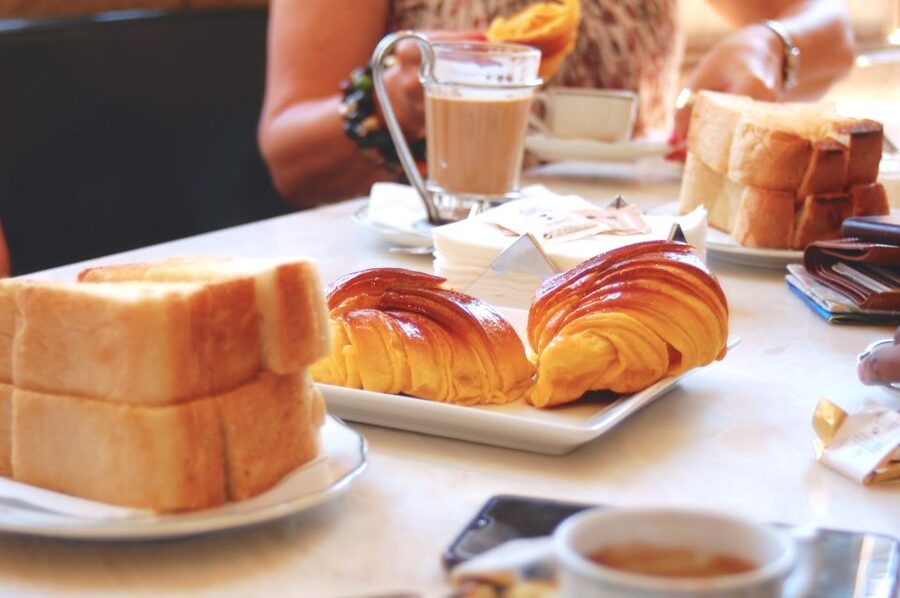
The final food stop is a local bar or restaurant loved by people in Porto. Here you sit down for the city’s most typical, delicious dish, with drinks included. The exact dish is not specified in advance, so you should treat this as a chance to discover a Porto specialty rather than expecting one named menu item.
This is an important difference between a tasting walk and a collection of snack stops. You get a proper lunch at the end, not just a series of bites. The meal gives the tour a satisfying finish and lets you judge how the foods introduced earlier fit into a larger Portuguese eating pattern.
The setting also matters. A neighborhood restaurant or bar makes the experience feel connected to local routines. You are still eating in a group, but you are not simply being handed a prepackaged plate in a tourist-only venue.
The tour’s pace is generally comfortable, though three hours passes quickly. Each stop has to keep moving so the group can cover five places, and the market tasting may be less relaxed than a long lunch. If you want a slow meal with a bottle of wine and no schedule, book a restaurant separately. If you want a compact introduction with many samples, this format works well.
Why the guide matters so much
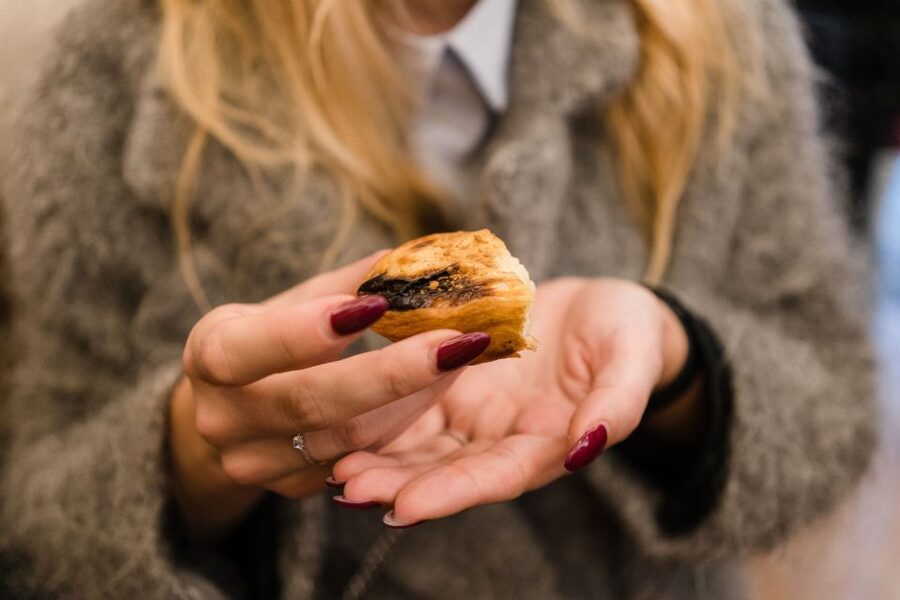
Food tours depend heavily on the person leading them. A good guide turns a list of snacks into a story about place, people, and habits. A flat guide can make even excellent food feel like a checklist.
The strongest guide names associated with this experience include Affonso, Alice, João, Gabriel, Marta, Flavia, Santiago, Isabel, Arnaldo, and Granado. Their praised qualities are consistent: friendly, funny, attentive, well informed, and comfortable explaining both food and Porto’s history.
Affonso is repeatedly singled out for humor, local connections, food and wine knowledge, and the ability to make a group of strangers relax. Alice is praised for enthusiasm and for making sure everyone feels included. João is noted for clear explanations and practical recommendations, while Gabriel is praised for warmth and useful advice after the tour.
You cannot choose the guide with certainty when booking, so consider the names as examples of the service style rather than a promise. The format gives the guide plenty of room to shape the experience. If you ask questions, you are likely to get more than a menu explanation. You can ask what to order later, where to return, or how a food fits into Portuguese life.
Is $75 a fair price?
At $75 per person, this is not the cheapest way to eat in Porto. You could buy a breakfast, a bifana, market snacks, and a drink for less if you already knew where to go and were happy to plan it yourself.
The value comes from the combination. You receive a guide, food at five local and traditional businesses, breakfast and lunch, roughly 10 to 12 portions, and drinks paired with the food. You also get the time saved by not researching cafes, market stalls, and restaurants on your own.
The small group matters here. With a maximum of 10 people, the guide can explain products at the market and answer questions at the table. Larger food tours often lose that personal feel, especially in tight market spaces.
I consider the price fair for a first day in Porto, particularly if you count the tour as both lunch and a city orientation. It is less compelling for someone who already has a detailed food plan or wants one specific high-end meal. The practical payoff is greatest when you use the guide’s recommendations for the rest of your stay.
Who should book this Porto food tour?
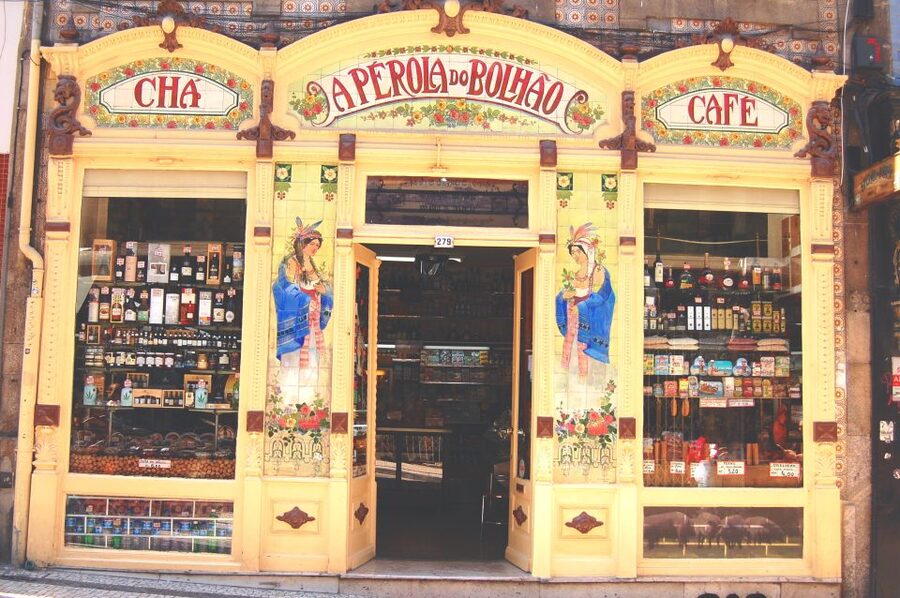
This experience suits first-time visitors who want to understand Porto through its food, not just collect photographs of major sights. It is also a good choice for solo visitors and couples who like meeting a small group over shared plates.
You will get the most from it if you:
- Enjoy trying meat, fish, cheese, bread, and sweets
- Like wine and other alcoholic pairings
- Want history and architecture mixed into a food walk
- Prefer local cafes, markets, bars, and traditional businesses
- Want several tastings without a full-day commitment
- Appreciate practical restaurant advice for later
It is a poor fit if you need a strict vegan, vegetarian, or gluten-free menu. It may also be wrong for you if you dislike alcohol, need a long seated meal, or prefer to explore entirely at your own pace.
The tour requires at least four attendees to run. That condition is worth keeping in mind when planning a tightly scheduled trip, although free cancellation is available up to 24 hours before the start, and you can reserve now and pay later.
Final call: book it if you want a useful first taste of Porto
I would book this tour early in a Porto stay, not on the final morning. You can use the guide’s suggestions for later meals, return to the market for products you liked, and recognize dishes when you see them on menus.
The best reasons to go are the mix of breakfast, market food, wine, and lunch, plus the guides’ strong record for warmth and local insight. The main warnings are the generous alcohol, the heavy use of meat, fish, dairy, and gluten, and the occasional need to stand while tasting.
At $75, it offers good value for a three-hour introduction. Book it if you want Porto explained through everyday food and local businesses. Skip it if you need dietary flexibility or would rather spend the same money on one slow, private meal.
FAQ
Where does the Porto food tour meet?
The meeting point is near the Aliados subway exit. You should arrive 10 minutes before the scheduled start because the tour always begins on time.
How long does the tour last?
The tour lasts approximately three hours and visits five different food and drink stops.
What food is included?
The tour includes breakfast and lunch, with about 10 to 12 serving portions in total. Tastings may include Iberian ham, sardines, cheese, cured meats, canned fish, bifana, pastries, and pastel de nata.
Are drinks included?
Yes. Drink pairings are included. The tasting mix can include coffee, beer, Northern Portuguese wine, vinho verde, port, and the local drink listed as ginzho.
Is the tour suitable for vegetarians, vegans, or people with gluten intolerance?
No. The tour is listed as unsuitable for vegans, vegetarians, and people with gluten intolerance.
What happens if it rains?
The tour runs rain or shine. Comfortable shoes and an umbrella are recommended.
Just added around Portugal
- Lisbon Small-Group Food & Wine Tour Eat & Drink like a Local★ 4.9 · 77 reviews
- Lisbon: Portuguese street food cooking class with Drinks★ 4.9 · 37 reviews
- Lisbon: Private Food Tour – 10 Tastings with Locals★ 4.8 · 73 reviews
- Lisbon Traditional Portuguese Food and Sightseeing Tour★ 4.4 · 25 reviews
- Food Tour: Portuguese wine & Tapas with Ginjinha Tasting★ 3.8 · 67 reviews
- Lisbon Through the Eyes of a Local – Food and Walking Tour★ 4.9 · 141 reviews
- Lisbon: Evening Local Food Crawl with Drink Pairings★ 4.6 · 80 reviews
- Lisbon: Original Morning Food Tour★ 4.6 · 26 reviews
Food Tours in Porto, compared.
Porto Food & Wine Tasting Tour with Lunch or Dinner Option
Read our review →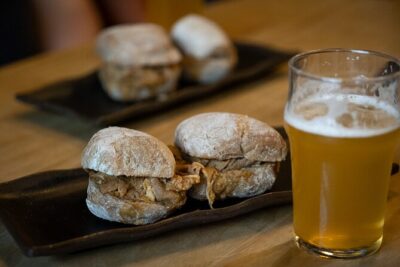
Porto Craft Beer Tour: 7 Beers + 3 Food Pairings in a Small Group
Read our review →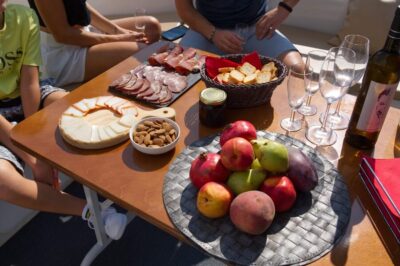
Douro Valley & Amarante Wine, Food & River Tour
Read our review →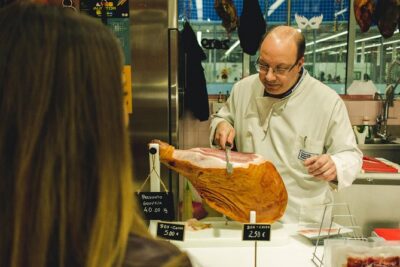
Authentic Food and Wine Tour in Porto by Food Lover Tour
Read our review →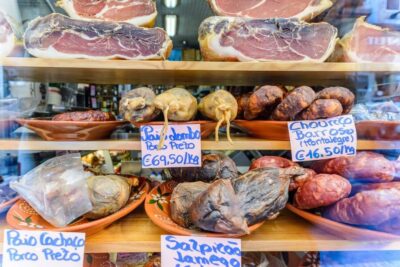
Porto Private Food and Drink Tasting Tour with Local
Read our review →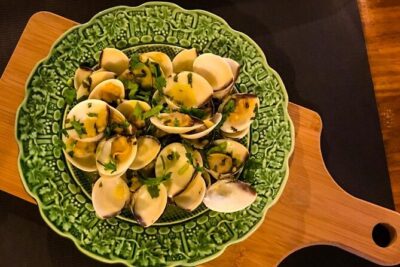
4-Hour Traditional Portuguese Food & Wine Tour in Porto
Read our review →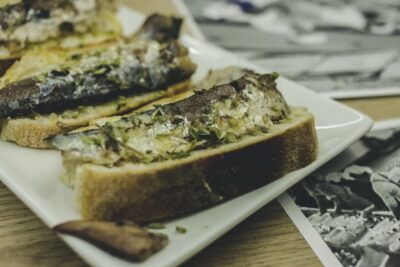
Browse the lists this tour appears in