

REVIEW · LISBON
Lisbon Through the Eyes of a Local – Food and Walking Tour
Lisbon reveals itself best on foot, and this small, affordable tour gets you quickly from the grand squares of Baixa to the winding lanes of Alfama. The guide adds local stories, odd details, and practical advice to the usual sights, so you get more than a string of photo stops. Francisco is the guide most often named, with Chico and JLO also leading tours.
I like the tasty introduction to Lisbon: a fresh pastel de nata in Baixa, followed by ginjinha and chocolate in Alfama. I also like the useful restaurant and bar recommendations sent after the walk, especially if you are new to the city and want to avoid tourist traps. The main consideration is pace: two hours passes quickly, and the tour gives you an orientation rather than long visits inside major monuments.
Key points to know before booking
- A local guide sets the tone: Francisco is frequently praised for humor, personal stories, and practical answers.
- Two classic tastes are included: Try pastel de nata, then cherry liqueur with chocolate in Alfama.
- The route covers two very different districts: Baixa is broad and orderly, while Alfama is older, steeper, and more irregular.
- You get useful advice for the rest of your stay: Restaurant, bar, fado, sightseeing, and day-trip suggestions may follow the tour.
- The price is unusually low: At $17 per person, it offers strong value if you want a quick introduction.
- Plan for a walking tour, not a museum tour: Most stops are brief, with sightseeing and explanation rather than extended interior visits.
Why this is a smart first look at Lisbon
Lisbon can feel confusing at first. Grand squares, tiled facades, steep streets, old churches, lookout points, and busy shopping roads all appear within a short walk. This tour gives you a simple map in your head: start in central Rossio, move through Baixa, cross toward the river, then finish in Alfama near the cathedral.
I like this route for the first day of a visit. You can ask basic questions as they come up, learn which areas deserve more time, and use the guide’s suggestions to plan dinner or an evening of fado. Several guides, especially Francisco, are also known for answering questions about the city after the walk through WhatsApp or Signal.
The experience is not built around a single grand attraction. Instead, it joins together the places you are likely to pass while sightseeing on your own. That makes the commentary especially useful. A square becomes more than an open space for photographs, and a church becomes part of Lisbon’s story rather than just another facade.
At $17, the value is strong. A pastry, a liqueur tasting, two hours of guiding, and a useful set of local suggestions can easily save you more than the ticket price by helping you choose better places for later meals and drinks. Just keep your expectations sensible. This is a compact walking introduction, not a private full-day tour.
More Food Tours in Lisbon
- Winner 2025 Undiscovered Lisbon Food & Wine Tour by Eating Europe
★ 5.0 · 6,390 reviews - Lisbon: Food and Wine Small Group Walking Tour
★ 4.9 · 4,082 reviews - Lisbon Small-Group Portuguese Food and Wine Tour
★ 5.0 · 3,972 reviews
Meeting beneath Pedro IV in Rossio
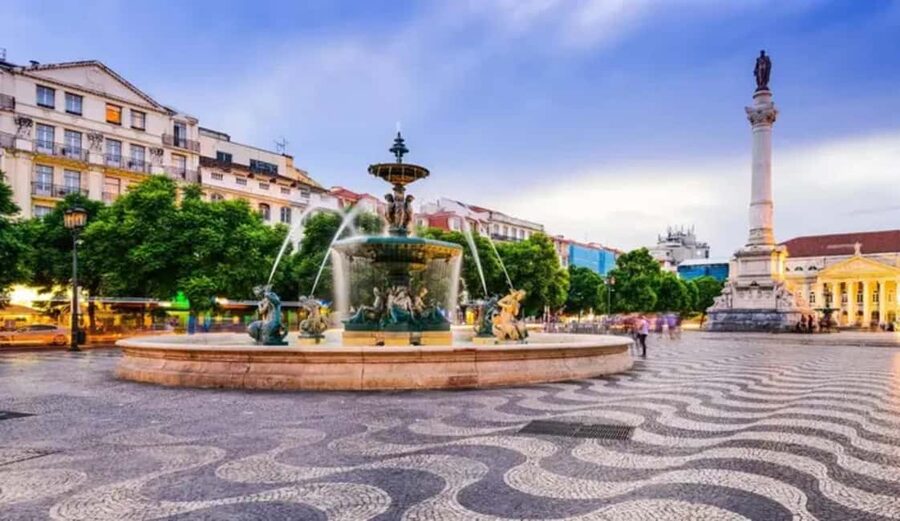
The meeting point is under the Column of Pedro IV, in the middle of Rossio Square. This is a sensible place to begin because Rossio is central, easy to recognize, and close to several major sights.
Start with enough time to find the column without rushing. Rossio is an active public square, and the meeting instruction is more helpful than a vague address, but the center of a large square can still require a moment of orientation.
From here, the guide introduces Lisbon through the city’s central districts. You will hear the local term alfacinha, used for a native of Lisbon, and begin to see how a local resident views the city. The best part of this opening is the chance to ask about anything that catches your eye before the group moves on.
São Domingos Square and its scarred church
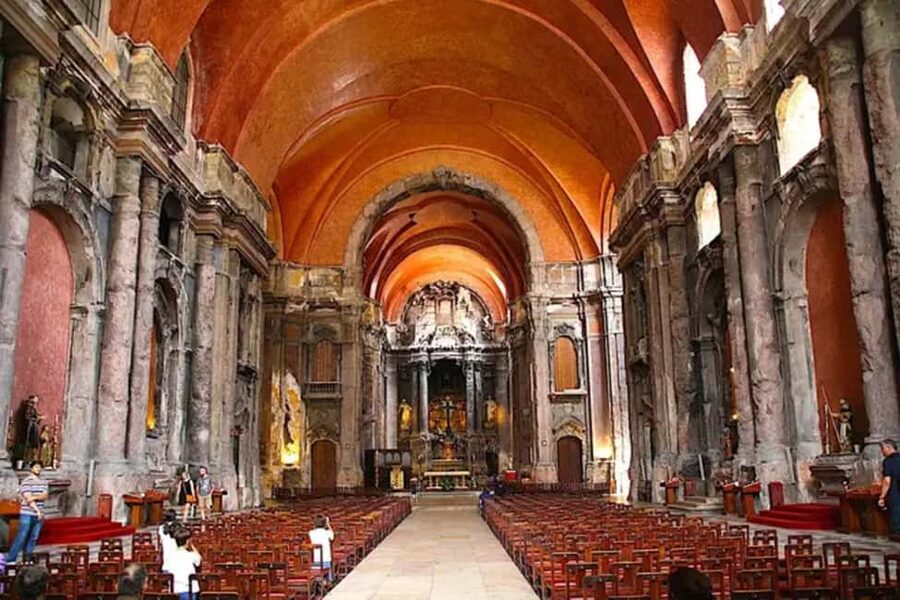
São Domingos Square is one of the more memorable early stops. The guide discusses the square, its past, and the marks that remain on the Church of São Domingos. You get a short visit and explanation rather than a long formal church tour.
The church is striking because its interior shows the effects of fire. The damaged stone and unusual atmosphere make it different from the polished religious buildings you may see elsewhere in Lisbon. This is exactly the kind of place a guide helps you appreciate. On your own, you might walk past, take a quick picture, and miss the story.
The stop lasts about 15 minutes, which is enough for context and photographs. If you want a quiet period for private reflection or detailed architecture study, you will need to return later on your own.
Praça da Figueira and the shape of central Lisbon
Praça da Figueira gives you another view of the central city. The guide explains the square and points out sights along the way, helping you connect Rossio with the streets of Baixa.
This part of the walk is useful for orientation. You begin to understand the grid of the lower city, which feels quite different from Alfama’s twisting lanes. The tour does not simply rush from attraction to attraction. It uses the streets between them to explain how Lisbon fits together.
The central squares also give you a practical sense of where you are likely to return for shopping, coffee, transport, or an evening stroll. I find this kind of street-level introduction more useful than memorizing a list of monuments before arrival.
A few more food tours around Lisbon worth comparing
- Lisbon Roots – Small group Food & Culture Walking Tour w/tastings
★ 5.0 · 910 reviews - Eat & Walk Through Lisbon: A Local Food & Wine Experience
★ 4.9 · 458 reviews - Lisbon: Food & Wine Walking Tour Through Baixa
★ 4.9 · 287 reviews - Fado: Musical Walking Tour with Food & Live Show
★ 5.0 · 121 reviews
Rua Augusta, pastry, and a proper Lisbon pause
Rua Augusta is the main pedestrian route through Baixa. Its paving, shops, restaurants, and steady stream of pedestrians make it one of the city’s most recognizable streets. The guide points out the sights and helps separate the genuinely useful stops from places aimed mainly at passing tourists.
The food break is one of the tour’s strongest features. You stop at a local bakery for a pastel de nata, Lisbon’s famous custard tart. The pastry is served as part of the experience, and several people particularly enjoyed receiving one fresh from the bakery. One description notes that it was made right in front of the group, though the exact bakery may vary.
This is a small tasting, not a food crawl. You will not sample a full range of Portuguese dishes, and the tour does not replace a dedicated food tour. Still, a warm pastel de nata gives you an immediate taste of local eating culture without using up much of the two-hour schedule.
The short stop also breaks up the walking. That matters on a warm day, when the route can feel more demanding than the distance suggests. The pace has been adjusted for hot weather on some outings, but comfortable shoes, water, and sun protection remain sensible choices.
The Santa Justa Lift and Rua Augusta Arch
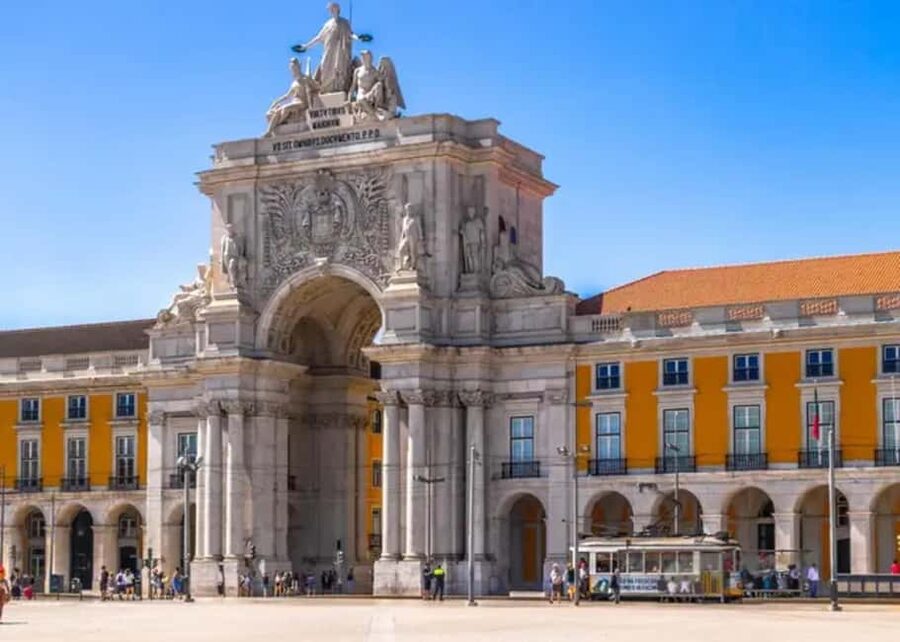
The route includes the Elevador de Santa Justa and the Rua Augusta Arch. These are two of Baixa’s most recognizable landmarks, and they make good talking points because they show how Lisbon mixes grand design with everyday city life.
The Santa Justa Lift is easy to spot, with its tall iron structure rising above the surrounding streets. The tour includes it as a sightseeing stop, but you should not assume that a ride to the top or a full interior visit is part of the two-hour program. The schedule emphasizes explanation and views along the route.
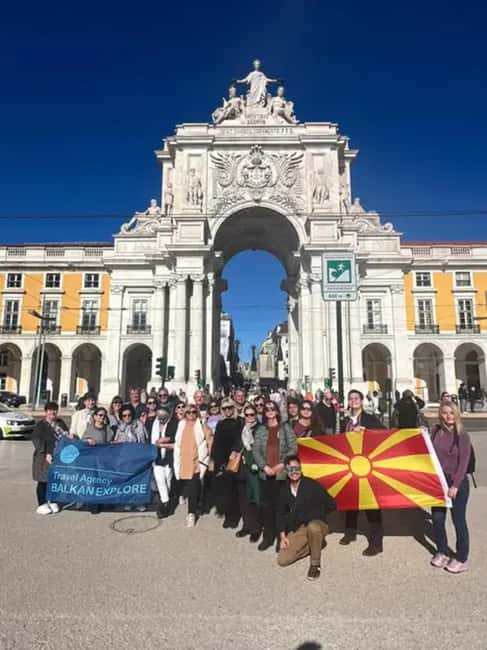
At the end of Rua Augusta, the arch frames the approach to Praça do Comércio. The guide points out the architecture and the changing views as the street opens toward the river. This is a good place for photographs, but the larger value is visual: you see the transition from commercial Baixa to Lisbon’s monumental waterfront square.
Praça do Comércio and Lisbon’s open riverfront
Praça do Comércio is one of Lisbon’s grandest public spaces. Its broad scale provides a sharp contrast with the tight streets you will encounter later in Alfama.
A short guided stop here helps you understand the city’s layout. The square faces the Tagus and gives you an open view after the enclosed feel of the central streets. The guide also connects the square to Lisbon’s past, myths, and changes over time.
You may want to return here at a slower pace. The tour allows roughly 15 minutes at each listed stop, so it is enough for an introduction and a few pictures, but not for lingering over every architectural detail. If you enjoy wide public spaces, river views, and people-watching, add Praça do Comércio to your own evening plans.
Entering Alfama for ginjinha and chocolate
The shift into Alfama is the most interesting part of the route. Baixa is planned, spacious, and relatively easy to read. Alfama is older in feel, with narrower streets, unexpected turns, and views that appear as you climb or change direction.
Here you try ginjinha, the sweet cherry liqueur associated with Lisbon, served with chocolate. This is a small but memorable tasting. The chocolate gives the drink a playful presentation and softens the sharpness of the alcohol for people who are new to it.
Pay attention to how the guide presents the neighborhood, not just the drink. The aim is to show Alfama through local stories, myths, and everyday details. Several guides have been praised for taking groups slightly away from the most obvious tourist routes and pointing out places that are easy to miss.
The route may include uneven streets or inclines in Alfama. The activity is listed as wheelchair accessible, but Lisbon’s historic districts can still present practical challenges because of paving and slopes. If you use a wheelchair, confirm the day’s route and access details before booking.
Lisbon Cathedral and the last views
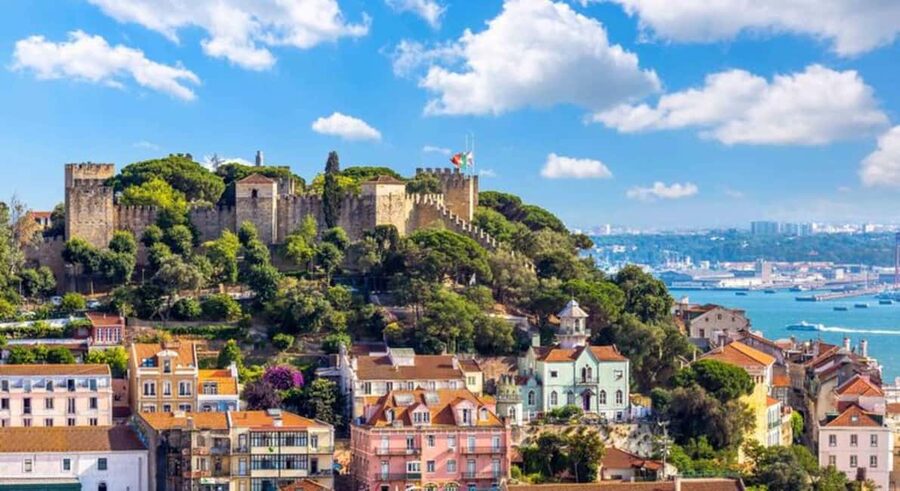
The walk finishes around Sé de Lisboa, Lisbon Cathedral. The cathedral gives the tour a strong final landmark and places you near Alfama’s viewpoints, shops, and narrow lanes.
The stop is primarily guided sightseeing. You should expect an explanation of the cathedral and its setting, along with photographs and nearby views. It is not described as a full cathedral tour with extended interior time, so anyone wanting a detailed visit should return separately.
Ending here works well because the cathedral is a useful point for continuing your day. You can stay in Alfama, search for a fado venue, walk toward another viewpoint, or head back toward Baixa. The guide’s final recommendations help turn the end of the tour into the start of your own Lisbon plans.
The guide matters more than the route
The route is good, but the guide is the real reason to book this experience. Francisco is repeatedly praised for a lively style that mixes history with jokes, local opinions, and direct answers. Chico is also described as warm, funny, and willing to share advice beyond the scheduled walk. JLO receives praise for keeping the tour entertaining while still providing useful information.
You can expect a conversational experience rather than a formal lecture. Francisco has been described as adapting the walk to questions, dietary needs, weather, and the interests of the group. That flexibility is especially helpful for solo visitors or first-time visitors who have many practical questions.
Guides also discuss current Lisbon life, food, religion, traditions, and tourist habits. The best moments are likely to come when you ask about something specific, such as where to eat near your hotel, how to find a good fado evening, or which nearby attraction is worth your time.
A small note on consistency: guide personalities can vary, and the exact guide may not always be Francisco. The experience is in English, and the available information confirms Francisco, Chico, and JLO as guides associated with tours. If having a particular guide matters to you, ask before booking rather than assuming.
The recommendation list can save you money
The final list of recommendations is more useful than a generic map handout. It may include restaurants, bars, fado, sights, and other activities in Lisbon and surrounding areas.
The advice is often tailored. One guide helped with dietary needs, while another provided suggestions for places open during a holiday when many businesses were closed. A guide also offered advice that reportedly prevented a large unnecessary expense. These details show why asking clear questions is worthwhile.
I would make a short list before you arrive. Write down the foods you want to try, the kind of restaurant you prefer, and any access or budget concerns. Then use the final conversation to narrow your choices. The list is not a replacement for your own judgment, but it can save time and steer you toward places that fit your plans.
Who will enjoy this two-hour walk
This tour suits you best if you are new to Lisbon, arriving early in your stay, or looking for a friendly orientation before exploring alone. It is also a good choice for solo visitors, couples, and people who prefer a relaxed mix of sightseeing and conversation.
You will get the most from it if you enjoy stories, local opinions, and small food samples. The tour is less suitable if you want long interior visits, a formal architectural study, or a full meal.
The two-hour length is a strength for a first day. It gives you enough background without taking over your schedule. It also leaves time for lunch, a museum, or a second look at Alfama and the cathedral.
Free cancellation up to 24 hours before the activity and the reserve-now, pay-later option make planning easier. The tour is offered in English, and it is listed as wheelchair accessible. Starting times vary, so check availability when you choose your date.
Should you book it?
I would book this tour at the start of a Lisbon visit, especially at $17 per person. The pastry and ginjinha are pleasant bonuses, but the strongest value comes from getting the city explained by someone who can answer practical questions and suggest places for the rest of your stay.
Choose it if you want Lisbon history with humor, a gentle introduction to Baixa and Alfama, and help avoiding poor dining choices. Skip it if you prefer to explore silently at your own speed or want extended access to monuments.
For most first-time visitors, this is a low-cost way to get your bearings fast, taste two local treats, and leave with a better plan for Lisbon.
FAQ
Where does the tour meet?
The meeting point is beneath the Column of Pedro IV in the middle of Rossio Square.
How long does the walking tour last?
The activity lasts two hours.
What language is the tour offered in?
The live guided tour is offered in English.
Which Lisbon neighborhoods does the tour visit?
The route explores Baixa-Chiado and Alfama, including central Baixa streets and the area around Lisbon Cathedral.
What food and drink are included?
You taste a pastel de nata, ginjinha, and chocolate. Ginjinha is a sweet cherry liqueur.
Does the tour include the Santa Justa Lift?
The Elevador de Santa Justa is included as a sightseeing stop. The provided information does not state that a ride to the top is included.
Does the tour visit Lisbon Cathedral?
Yes. Sé de Lisboa, also called Lisbon Cathedral, is included as a guided sightseeing stop.
Who may guide the tour?
Francisco is a frequently assigned guide, and Chico and JLO are also named as guides for this experience. Ask ahead if you want to confirm the guide for your date.
Is the activity wheelchair accessible?
Yes, the activity is listed as wheelchair accessible. Because Alfama is a historic district, confirm the specific route if you have access concerns.
Can I cancel the booking?
You can cancel up to 24 hours in advance for a full refund. The reserve-now, pay-later option allows you to book without paying immediately.
Just added around Lisbon
- Lisbon Small-Group Food & Wine Tour Eat & Drink like a Local★ 4.9 · 77 reviews
- Lisbon: Portuguese street food cooking class with Drinks★ 4.9 · 37 reviews
- Lisbon: Private Food Tour – 10 Tastings with Locals★ 4.8 · 73 reviews
- Lisbon Traditional Portuguese Food and Sightseeing Tour★ 4.4 · 25 reviews
- Food Tour: Portuguese wine & Tapas with Ginjinha Tasting★ 3.8 · 67 reviews
- Lisbon: Evening Local Food Crawl with Drink Pairings★ 4.6 · 80 reviews
- Lisbon: Original Morning Food Tour★ 4.6 · 26 reviews
- Lisbon: Local Market, Food, and Culture Walking Tour★ 4.7 · 40 reviews
Food Tours in Lisbon, compared.
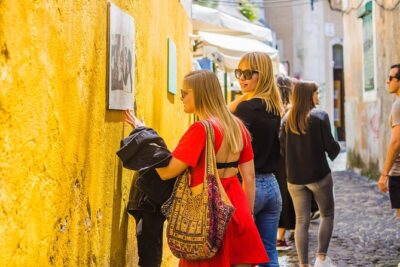
Undiscovered Lisbon Food & Wine Tour by Eating Europe
Read our review →
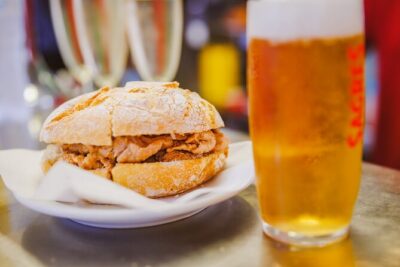
Lisbon Small-Group Portuguese Food and Wine Tour
Read our review →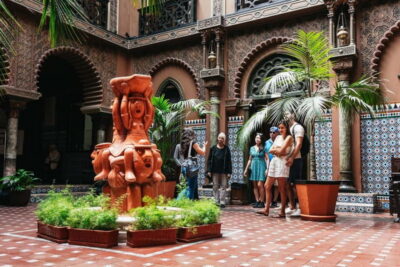
Baixa District Food Tour with Dinner and Drinks
Read our review →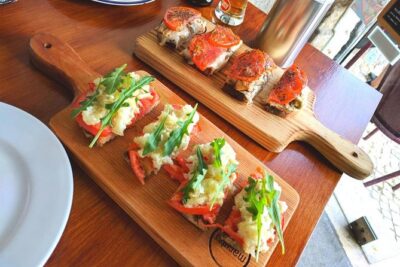
Lisbon Small-Group Food Tour with 18 Tastings in Alfama District
Read our review →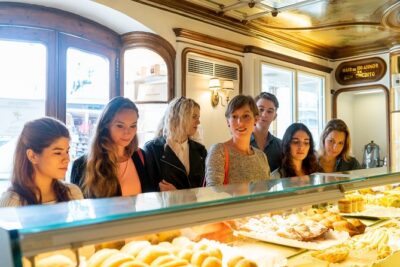
Devour Lisbon: The Ultimate Portuguese Food Tour
Read our review →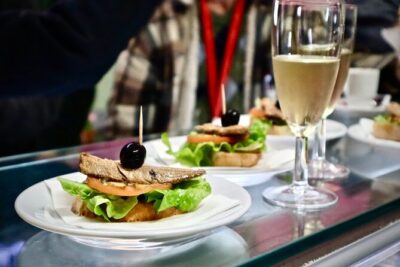
Lisbon Food Tour with 10+ Tastings of Local Delicacies & Wines
Read our review →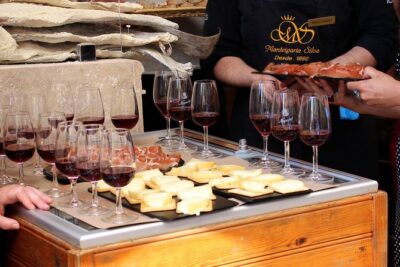
Award-Winning Original Lisbon Food Wine Tour: 19 Curated Tastings
Read our review →Browse the lists this tour appears in